

 Buy with Prime

Alpha Hydroxy Acid
-

Alpha Hydroxy Probiotic Cleanser Chirally Correct
Exfoliating & Brightening AHA
-
Sale
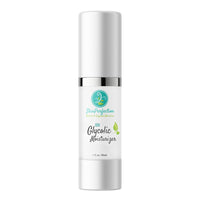
10% Glycolic Moisturizer with Alpha Hydroxy Acid
Daily Exfoliation & Moisture

What Are Alpha Hydroxy Acids in Skincare?
Alpha hydroxy acids (AHAs) are a family of water-soluble acids, including glycolic, lactic, malic, citric, tartaric, and mandelic acid, that loosen the bonds holding dead cells to the skin's surface. As those cells shed, skin looks smoother, brighter, and more even, and fine lines and enlarged-looking pores appear softer. In leave-on consumer products, AHAs are used at up to 10% with a final pH of 3.5 or higher, the limits set by the Cosmetic Ingredient Review (CIR) Expert Panel.
 EWG Skin Deep rating for alpha hydroxy acid
Alpha Hydroxy Acid Quick Facts
| Property | Details |
|---|---|
| INCI names | Glycolic Acid, Lactic Acid, Malic Acid, Citric Acid, Tartaric Acid, Mandelic Acid |
| Common names | AHAs, fruit acids, chemical exfoliants |
| Sources | Glycolic: sugarcane; lactic: soured milk; malic: apples; citric: citrus; tartaric: grapes; mandelic: bitter almonds. Most cosmetic grades are made by fermentation or synthesis |
| Forms | Liquid solutions (for example glycolic acid 70%) or crystals and powder |
| Solubility | Water soluble |
| Usage rate | Consumer leave-on products: 10% or less at pH 3.5 or higher (CIR). Spec-Chem lists glycolic acid 99% at 0.1 to 6% and glycolic acid 70% solution at 0.5 to 8.5% (supplier data) |
| pH range | 3.5 to 4.0 for leave-on products; the lower the pH, the stronger the effect and the irritation |
| Skin types | Normal, dry, combination, oily, sun-exposed, and mature skin; sensitive skin with care |
How Alpha Hydroxy Acids Work on the Skin
Loosening dead surface cells
The outer layer of skin is made of flattened dead cells held together by protein "rivets." A 2018 review in Molecules by Tang and Yang explains that AHAs reduce this cell-to-cell cohesion just above the living layer of the epidermis, so dead cells release and shed more evenly. That is what gives AHA products their smoothing and brightening effect. The same review reports that a 1% AHA product changes the pH of only the outer three layers of the stratum corneum, while a 10% product reaches about 10 to 20 layers, which is why strength matters.
Which AHA does what
AHAs differ in molecule size, which affects how fast they act and how much they sting. A six-week comparison published in the International Journal of Cosmetic Science (1996) tested glycolic, lactic (both L and D forms), citric, malic, and hydroxybutyric acids at equal molar strengths. L(+) lactic acid and glycolic acid were the most effective and less irritating than the other acids tested, and L(+) lactic acid produced the fewest complaints. Citric and malic acids were less effective alone but useful in blends.
| AHA | Molecule size | Feel and strength | Good for |
|---|---|---|---|
| Glycolic | Smallest | Fastest acting; most tingling | Normal, oily, sun-exposed skin; texture |
| Lactic | Small | Gentler; also hydrating | Dry and mature skin; first-time AHA users |
| Mandelic | Large | Slow and gentle | Sensitive and darker skin tones |
| Malic, citric, tartaric | Medium | Milder alone; pH helpers | Fruit acid blends |
AHAs and sun sensitivity
The FDA reports that in studies it reviewed, four weeks of AHA use increased skin's sensitivity to UV-induced redness by 18% and roughly doubled sensitivity to UV-induced cell changes, with wide differences between people. The effect was reversible: one week after stopping, no significant differences remained. For this reason the FDA recommends a "Sunburn Alert" label on AHA products and daily sunscreen during use and for a week after.
How to Use AHAs in Formulas
- Concentration: stay at or below 10% total AHA for consumer leave-on products. Remember that glycolic acid 70% is a solution: 10 g of it supplies 7 g of glycolic acid.
- pH: measure with a calibrated pH meter, not strips. Adjust the finished product to pH 3.5 to 4.0 with sodium hydroxide or arginine solution. Glycolic acid's pKa is about 3.8, so at pH 3.8 roughly half the acid is in its active "free" form.
- When to add: add AHAs to the water phase after any heated emulsion has cooled below 40°C (104°F), then adjust pH last.
- Compatibility: choose emulsifiers, thickeners, and preservatives rated for low pH. Many carbomers and some gums thin out at pH 3.5.
- Pairings: AHAs pair well with hyaluronic acid, glycerin, niacinamide, and soothing ingredients. Use retinol and strong vitamin C on alternate nights at first to limit irritation.
- Rinse-off products: cleansers contact the skin for only a minute or two, so they are gentler than leave-on serums at the same percentage.
Who AHAs Suit
AHAs suit most skin types, especially dull, rough, sun-exposed, and mature skin. Lactic acid is a good first choice for dry skin, glycolic for normal to oily skin, and mandelic for those who find others too strong. For AHA versus salicylic acid, see glycolic vs salicylic acid.
Sensitive skin: patch test on the inner arm for 24 hours and start at the lowest strength, such as a rinse-off cleanser or a 5% product, two or three nights a week. Mild tingling is common; stop if stinging or redness lasts. Always wear sunscreen.
Frequently Asked Questions
What does an AHA do for your face?
It loosens dead surface cells so skin looks smoother, brighter, and more even. Fine lines and pores also look softer.
What percentage of AHA is safe?
For consumer products, the CIR Expert Panel considers glycolic and lactic acid safe at 10% or less with a final pH of 3.5 or higher, with sun protection directions. Higher-strength peels belong in professional settings.
Can I use AHA every day?
Gentle products such as AHA cleansers or 5% lotions can be used daily once your skin is used to them. Build up from two or three times a week.
What is the difference between AHA and BHA?
AHAs are water soluble and work on the skin surface. BHA (salicylic acid) is oil soluble and works inside oily pores.
Do AHAs make you sensitive to the sun?
Yes. FDA-reviewed studies found an 18% increase in UV redness sensitivity after four weeks, which faded within a week of stopping. Wear sunscreen daily.
Can I use AHA with retinol or vitamin C?
Yes, but not all at once at first. Use AHA and retinol on alternate nights until your skin adjusts, and apply vitamin C in the morning.
Which AHA is best for sensitive skin?
Lactic and mandelic acid are usually gentler than glycolic acid. Start with a rinse-off cleanser or a low-strength leave-on product two or three times a week.
Shop Alpha Hydroxy Acid Skincare
Try the Alpha Hydroxy Probiotic Cleanser Chirally Correct, a gentle rinse-off way to add AHAs to your routine. For single-acid details, see our glycolic acid and lactic acid glossary entries.
Sources
- Tang SC, Yang JH. Dual effects of alpha-hydroxy acids on the skin. Molecules. 2018;23(4):863. doi:10.3390/molecules23040863 (review)
- Comparative effectiveness of alpha-hydroxy acids on skin properties. International Journal of Cosmetic Science. 1996;18(2):75-83. PubMed 19245467 (six-week comparison)
- U.S. Food and Drug Administration. Alpha Hydroxy Acids. fda.gov (CIR limits, sun sensitivity findings, Sunburn Alert labeling)
- Spec-Chem, Ingredients Catalogue 2026 V1: SpecWhite PLGA99 glycolic acid 99%, 0.1 to 6%; SpecWhite PLGA70 glycolic acid 70%, 0.5 to 8.5% (supplier data).
These statements have not been evaluated by the Food and Drug Administration. These products are not intended to diagnose, treat, cure, or prevent any disease.
About the Author
Written by Kari Thomas, cosmetic formulator and founder of Skin Perfection.