

 Buy with Prime

Green Tea
-
Sale

2.5% Retinol Moisturizer
Reveal a Fresh Comlpexion
-
Sale

2.5% Retinol Serum for Face, Neck & Décolleté | Age-Defying Formula
Redefines Complexions
-
Best Seller

Ageless Advanced Age-Defying Serum
Anti-Aging Serum & Botanicals
-

Neck Lift and Firm Serum with 20% Pepha Tight
Jawline & Décolleté Treatment
-
Sold out
Sale
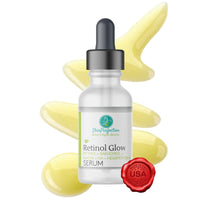
Retinol Glow Radiant Renewal Serum
Redefines Complexions
-
Sold out
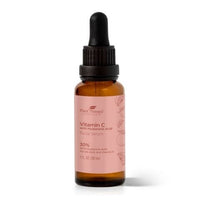
Vitamin C Serum with Hyaluronic Acid
Brightening antioxidant serum
-

Watermelon Brightening Tonic Facial Mist


What Is Green Tea in Skincare?
Green tea extract comes from the leaves of the tea plant, Camellia sinensis, that are steamed or pan-fired soon after picking so their natural polyphenols stay largely intact. In skincare it is one of the most widely used botanical antioxidants. Its key compounds are catechins, especially epigallocatechin gallate (EGCG), which help protect the look of skin from the oxidative stress of UV light and pollution.
 EWG Skin Deep rating for green tea
Green tea is a supporting antioxidant that works well alongside vitamin C, retinol, and peptides in serums, toners, and moisturizers.
Green Tea Quick Facts
| Property | Details |
|---|---|
| INCI name | Camellia Sinensis Leaf Extract (also Camellia Sinensis Leaf Water, Camellia Sinensis Leaf Powder) |
| Common names | Green tea extract, green tea polyphenols, EGCG, matcha extract |
| Source | Leaves of the tea plant |
| Key compounds | Catechins; EGCG makes up more than half of green tea's catechins (Formula Botanica) |
| Form | Liquid glycerite or water extract; dry powder |
| Solubility | Water soluble |
| Typical usage rate | 1% to 5% in creams, liquids, and hair products, with combined extracts not exceeding 5% (supplier data) |
| Skin types | All skin types, especially oily, combination, and sun-exposed mature skin |
How Green Tea Works on the Skin
Catechins are polyphenol antioxidants. They help neutralize the free radicals formed when skin is exposed to sunlight and pollution, which over time show up as dullness, uneven tone, and a loss of firmness. Green tea also gives formulas a soothing feel, which is why it is common in products for oily and easily flushed skin.
What the human evidence shows:
- In a double-blind, placebo-controlled study, 40 women with moderate sun-related skin aging used a 10% green tea cream and took 300 mg of green tea extract by mouth twice daily for 8 weeks. Clinical grading of their skin's appearance did not differ from placebo, and the green tea group reported more irritation. Skin samples did show a significant improvement in elastic tissue content, and the authors suggested longer use may be needed to see visible change (Chiu et al., 2005).
The practical takeaway: green tea is a well-tolerated antioxidant that supports a routine, especially under daily sunscreen, but it is not a fast, visible wrinkle fix on its own. Pair it with ingredients that have stronger visible effects, such as retinol or peptides.
Older versions of this page made broad claims about restoring vitality and balancing moisture. Those have been replaced with what the research measured.
How to Use Green Tea in Formulas
- Rate: Use 5%, the top of the supplier range. If you combine green tea with other botanical extracts, keep the total extract load at or below 5%.
- When to add: Add to the water phase at cool-down, below 40°C (104°F).
- Stability: Catechins are sensitive to oxygen and light. A green tea serum that turns brown has oxidized. Use airless or opaque packaging and make small batches.
- Pairing: Works well with vitamin C, vitamin E, ferulic acid, hyaluronic acid, peptides, and retinol formulas.
- Preservation: Water-based products need a broad-spectrum preservative. A brewed green tea toner has none, so refrigerate it and use it within 2 to 3 days.
- Storage: Cool, dark place, tightly closed.
Who Green Tea Suits
Green tea suits every skin type. It is especially popular for oily and combination skin, skin that looks easily flushed, and mature skin that spends time in the sun.
Sensitive skin: Although green tea is usually gentle, the 2005 study found more irritation in the green tea group. Patch test on the inner arm and wait 24 hours. In DIY formulas, start at the lowest rate, 1%, and work up toward 5% only if your skin stays comfortable.
Frequently Asked Questions
Is green tea good for your face?
Yes. Green tea extract is a gentle antioxidant that suits all skin types and helps protect the look of skin from environmental stress. It works best as part of a routine that includes sunscreen and a stronger active such as retinol or peptides.
Can I rub green tea on my face?
Yes. A cooled, brewed green tea can be patted on as a refreshing toner. Use it fresh, keep it in the refrigerator, and discard it after 2 to 3 days because it has no preservative.
Can I put green tea bags on my eyes?
Yes. Chilled, damp tea bags placed over closed eyes for 10 minutes feel cool and can make morning puffiness look better for a short time. Much of the effect comes from the cold, so chill them in the refrigerator first.
Does green tea help oily skin?
Many people with oily skin like green tea because it is light and leaves no residue. Results vary from person to person, so pair it with a gentle cleanser and an oil-free moisturizer and judge by how your skin looks after several weeks.
Is it better to drink green tea or apply it?
Both can be part of a routine. The best-known study combined a 10% cream with an oral supplement and still found no visible difference in 8 weeks, so neither form is a quick fix.
Can green tea replace sunscreen?
No. Antioxidants such as green tea support your routine, but they do not provide a measured SPF. Use a broad-spectrum sunscreen every day.
Why does my green tea serum turn brown?
The catechins have oxidized from air or light exposure. Store green tea products in airless or opaque packaging, keep them cool, and replace them if the color changes noticeably.
Shop and Learn More
Products in this collection include the Vitamin C Serum with Hyaluronic Acid, the 2.5% Retinol Serum, the Ageless Advanced Age-Defying Serum, and the Watermelon Brightening Tonic, all shown below. For a full guide, read Green Tea Extract for Skin, and see our antioxidants glossary entry.
Sources
- Chiu AE, Chan JL, Kern DG, Kohler S, Rehmus WE, Kimball AB. Double-blinded, placebo-controlled trial of green tea extracts in the clinical and histologic appearance of photoaging skin. Dermatologic Surgery. 2005;31(7 Pt 2):855-860.
- Formula Botanica. Leaf to Lotion: the benefits of green tea in cosmetics (catechin and EGCG content, oxygen and light sensitivity).
- Aussie Soap Supplies, Herbal Extract Green Tea (Camellia Sinensis Leaf Extract) product information: usage rate 1-5% (supplier data).
These statements have not been evaluated by the Food and Drug Administration. These products are not intended to diagnose, treat, cure, or prevent any disease.
About the Author
Written by Kari Thomas, cosmetic formulator and founder of Skin Perfection.