

 Buy with Prime
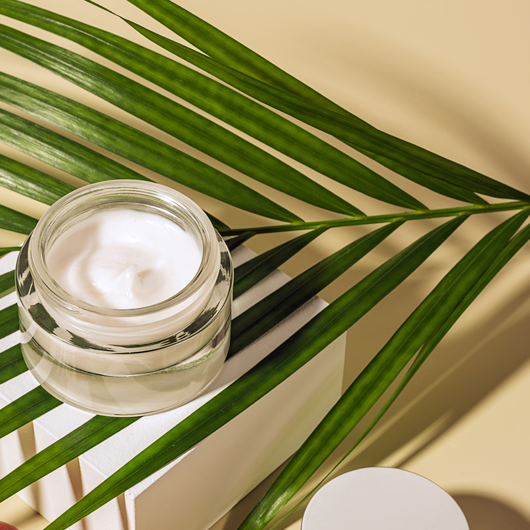
DIY Scrubs
-
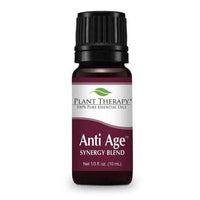
Anti-Age Essential Oil Blend
Anti-Aging Essential Oil Blend
-
Sold out
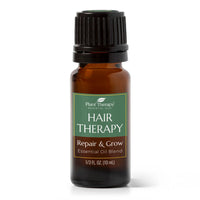
Plant Therapy Hair Therapy Essential Oil Blend
How to Make a DIY Scrub: The Formulator's Method
A DIY scrub is a mix of a fine exfoliating grain (sugar, salt, oat, or jojoba beads) and a skin-softening oil. You massage it over damp skin for about 30 seconds, rinse with lukewarm water, and the grain lifts away dull surface cells while the oil leaves skin feeling soft. The secret to a good scrub is the ratio: roughly two parts grain to one part oil by weight, with no water in the jar.
This guide gives you three formulas in grams and percentages (body, face, and scalp), plus how to keep a scrub clean, how often to use it, and how to fix the most common problems.

Choosing Your Exfoliating Grain
| Grain | Feel | Best for | Notes |
|---|---|---|---|
| Fine white or caster sugar | Gentle, dissolves as you rinse | Face, lips, body | Rounder edges and dissolves, so it is the gentlest crystal |
| Brown sugar | Soft, moist | Lips, body | Smaller crystals, slightly sticky from molasses |
| Fine sea salt | Firm, brisk | Feet, elbows, knees | Stings on shaved skin or tiny nicks |
| Finely ground oats | Very soft | Face, dry or sensitive-feeling skin | Turns creamy when wet |
| Jojoba beads | Smooth, round | Face, body | Spherical wax beads, no sharp edges |
| Bamboo stem powder | Fine polish | Face | Used in our Skin Polish Instant Glow Microdermabrasion |
Skip crushed walnut shells and apricot pits on the face. Their jagged edges are harsher than round or dissolving grains.
Equipment and Sanitation
- Digital scale that reads to 0.1 g (weigh, do not use cups, for repeatable results)
- Glass or stainless steel bowl, silicone spatula, and a clean, dry jar with a tight lid
- 70% isopropyl alcohol in a spray bottle
Wash everything in hot soapy water, dry it completely, then spray with 70% isopropyl alcohol and let it air dry. Wear clean gloves. Water is the enemy of an oil scrub, so every tool and the jar must be bone dry.
Recipe 1: Everyday Body Sugar Scrub (100 g)
| Ingredient | Grams | % |
|---|---|---|
| Fine white sugar | 65.0 | 65% |
| Sunflower or fractionated coconut oil | 31.5 | 31.5% |
| Vitamin E (tocopherol), antioxidant for the oil | 0.5 | 0.5% |
| Anti-Age Essential Oil Blend | 3.0 | 3% |
Plant Therapy's dilution range for the Anti-Age blend is 1 to 3%, and this recipe uses the top of that range. At the house rate of 9 drops = 1% per fl oz, 3% is 27 drops per ounce of scrub.
- Weigh the oil and vitamin E into the bowl and stir.
- Add the essential oil blend and stir again so it is fully dispersed in the oil before it meets the sugar.
- Add the sugar a little at a time, folding until it looks like wet sand.
- Spoon into the jar, wipe the rim, and label with the date.
Recipe 2: Gentle Face Scrub (50 g)
| Ingredient | Grams | % |
|---|---|---|
| Finely ground oats (blend rolled oats to a flour) | 20.0 | 40% |
| Caster sugar | 10.0 | 20% |
| Jojoba oil | 18.25 | 36.5% |
| Vitamin E | 0.25 | 0.5% |
| Anti-Age Essential Oil Blend | 1.5 | 3% |
Mix the oats and sugar, then stir in the oils. Use a pea-sized amount on damp skin, massage in small circles for 30 seconds, and rinse.
Recipe 3: Scalp Sugar Scrub (100 g)
| Ingredient | Grams | % |
|---|---|---|
| Fine white sugar | 60.0 | 60% |
| Jojoba oil | 34.5 | 34.5% |
| Vitamin E | 0.5 | 0.5% |
| Plant Therapy Hair Therapy Essential Oil Blend | 5.0 | 5% |
The Hair Therapy blend is used at 2 to 5% in a carrier, and 5% (45 drops per ounce) is the top of that range. Part damp hair, massage a teaspoon into the scalp with your fingertips for one minute, then shampoo twice. Sugar is used instead of salt because salt can sting.
How to Use a Scrub Safely
The American Academy of Dermatology recommends applying a scrub gently in small circular motions for about 30 seconds, rinsing with lukewarm (not hot) water, and moisturizing right after. They also advise:
- Never exfoliate skin that has open cuts or is sunburned.
- If you use retinol, retinoids, or benzoyl peroxide, scrubbing on top of them can make skin feel drier and more sensitive.
- Dry or sensitive skin may do better with a washcloth and a mild chemical exfoliant than with a scrub.
- If you have a deeper skin tone or tend to see dark marks after irritation, avoid strong scrubbing.
- The more aggressive the scrub, the less often you need it.
As a starting point, use a face scrub once or twice a week and a body scrub two or three times a week, then adjust to how your skin feels. If your skin feels sensitive, patch test the scrub on your inner arm for 24 hours and make your first batch with the essential oil at the lowest rate of the range (1% for the Anti-Age blend, 2% for the Hair Therapy blend), then work up.
Shelf Life and Storage
These scrubs contain no water, so they do not need a water-phase preservative. The rule is to keep water out: scoop with a clean, dry spoon instead of wet fingers, and keep the lid on in the shower. Once water gets in, microbes can grow, so throw out any jar that looks cloudy, smells off, or has water pooled on top. Kept dry, cool, and out of direct light, plan to use your scrub within about three months. That timeline is driven by the carrier oil going stale; the vitamin E slows it but does not stop it.
Variations
- Brighter feel: swap 10 g of the sugar for jojoba beads.
- Richer for dry skin: replace 10 g of the liquid oil with melted shea butter.
- Fragrance-free: leave out the essential oil and add the 3% back to the carrier oil.
- Lips: see our brown sugar body and lip scrub recipes.
- Coconut base: see our coconut oil scrub recipes.
Troubleshooting
- Oil pools on top: normal in an oil scrub. Stir before use, or add 5 to 10 g more sugar next time.
- Too dry and crumbly: add oil 1 g at a time.
- Sugar is melting: water got into the jar. Discard it.
- Skin feels raw or stings: you are pressing too hard, scrubbing too long, or using too coarse a grain. Switch to the oat face scrub or a gentle chemical exfoliant.
- Slippery shower floor: oil scrubs leave a film. Rinse the floor with hot water after use.
Frequently Asked Questions
How often should you use a scrub?
Most people do well with a face scrub once or twice a week and a body scrub two or three times a week. Dermatologists note that the more aggressive the exfoliation, the less often it is needed. Cut back if skin looks red or feels tight.
Is a sugar scrub or salt scrub better?
Sugar is gentler and dissolves as you rinse, so it suits the face, lips, and most body skin. Salt is firmer and better for rough feet, elbows, and knees, but it stings on freshly shaved skin or tiny nicks.
Can I use a body scrub on my face?
It is better not to. Body scrubs use coarser grains and more essential oil than facial skin needs. Use a finer, softer recipe such as the oat face scrub above.
Do you use a scrub before or after cleansing?
Cleanse first, then use the scrub on damp skin. Rinse with lukewarm water and follow with a moisturizer while skin is still slightly damp.
Does a homemade scrub need a preservative?
An oil and sugar scrub with no water does not need a water-phase preservative. You do need to keep water out of the jar. If you add anything watery, such as honey diluted with water, milk, juice, or aloe, the scrub becomes a fresh recipe to use the same day or a formula that needs a broad-spectrum preservative.
How long does a homemade scrub last?
Kept dry and cool, an oil and sugar scrub is best used within about three months, because the oil slowly goes stale. Discard it sooner if it smells off, changes color, or water gets in.
Can I use a scrub if I have sensitive skin?
Choose the softest grain, such as finely ground oats or jojoba beads, press lightly, and scrub no more than once a week. Patch test on your inner arm for 24 hours and start any essential oil at the lowest recommended rate.
Shop This Collection
The Anti-Age Essential Oil Blend scents the body and face scrubs, and the Hair Therapy Essential Oil Blend is made for the scalp scrub. For a ready-made option, try Skin Polish Instant Glow Microdermabrasion, and read our guide to gentle alternatives to harsh scrubs for aging skin.
Sources
- American Academy of Dermatology. How to safely exfoliate at home. aad.org
- Plant Therapy, Anti-Age Essential Oil Blend product information (supplier data: dilute to 1 to 3% in a carrier).
- Plant Therapy, Hair Therapy Essential Oil Blend product information (supplier data: 2 to 5% dilution in a carrier).
These statements have not been evaluated by the Food and Drug Administration. These products are not intended to diagnose, treat, cure, or prevent any disease.
About the Author
Written by Kari Thomas, cosmetic formulator and founder of Skin Perfection.