

 Buy with Prime
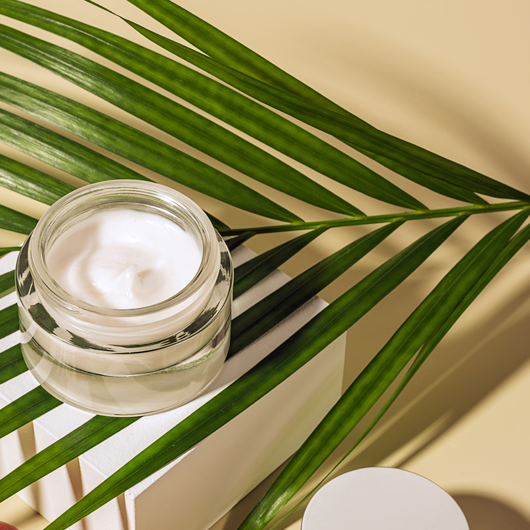
5 DIY Natural Beauty Recipes That Use Coffee
5 DIY Coffee Beauty Recipes, Measured Like a Formulator
Coffee works in DIY beauty in two ways: finely ground coffee is a firm, gritty exfoliant that polishes skin smooth, and coffee-infused oil adds a rich aroma and antioxidant plant compounds to balms and scrubs. The five recipes below are a coffee-infused oil, a coffee sugar scrub, an under-eye balm, a coffee lip balm, and a fresh coffee body polish, each measured in grams and percentages.
We also explain, honestly, what caffeine research does and does not show, because most coffee recipes online promise more than a rinse-off scrub can deliver.

What the Research Says About Caffeine and Skin
A 2013 review by Herman and Herman in Skin Pharmacology and Physiology explains why caffeine is popular in cosmetics: it is biologically active, it can pass the skin barrier, and commercial caffeine products typically contain about 3% caffeine. The review describes caffeine's antioxidant activity and its use in products for the look of cellulite and for microcirculation in skin.
Here is the formulator's catch. Those effects come from leave-on products designed to deliver caffeine into skin. Caffeine is water soluble and dissolves poorly in oil, so an oil infusion carries coffee's aroma and oil-soluble compounds but very little caffeine. A scrub is rinsed off within minutes. So expect a coffee scrub to leave skin looking smoother and feeling soft from exfoliation, and expect any tightened look to be temporary. For tips focused on the look of dimpled skin, see our cellulite tips page.
Equipment and Sanitation
You need a digital scale reading to 0.1 g, a heat-safe glass measuring cup, a water bath (a saucepan with a few centimeters of simmering water), a thermometer, a fine strainer and unbleached coffee filter, a silicone spatula, and clean, dry jars and lip tubes. Wash tools in hot soapy water, dry them completely, and wipe with 70% isopropyl alcohol. Recipes 1 to 4 contain no water, so every tool must be dry.
Recipe 1: Coffee-Infused Oil (base for recipes 3 and 4)
| Ingredient | Grams | % |
|---|---|---|
| Olive or sunflower oil | 120.0 | 80% |
| Freshly ground dry coffee (medium grind) | 30.0 | 20% |
- Combine in the glass cup and set it in the water bath. Hold the oil at 50 to 60°C (122 to 140°F) for 2 hours, stirring now and then. Do not let it smoke.
- Strain through a fine strainer lined with a coffee filter. Expect to recover roughly 100 g of oil.
- Add 0.5% vitamin E (0.5 g per 100 g of strained oil), bottle, and label.
Use dry coffee only, never brewed coffee or wet grounds, which would add water. Store cool and dark and use within about three months.
Recipe 2: Coffee Sugar Body Scrub (100 g)
| Ingredient | Grams | % |
|---|---|---|
| Fine ground dry coffee | 30.0 | 30% |
| Brown or coconut sugar | 40.0 | 40% |
| Virgin coconut oil, softened | 29.5 | 29.5% |
| Vitamin E | 0.5 | 0.5% |
Mix the coffee and sugar, then fold in the softened oil and vitamin E. Massage onto damp skin for about 30 seconds per area, rinse with lukewarm water, and moisturize. Coffee grounds are firmer than sugar, so keep this one for the body, not the face. Coffee can stain grout and light towels; rinse the shower right away. For more scrub formulas, see how to make a DIY scrub.
Recipe 3: Coffee Under-Eye Balm (60 g)
| Ingredient | Grams | % |
|---|---|---|
| Coffee-infused oil (recipe 1) | 15.0 | 25% |
| Shea butter | 14.7 | 24.5% |
| Cocoa butter | 14.7 | 24.5% |
| Jojoba oil | 7.5 | 12.5% |
| Rosehip seed oil | 7.5 | 12.5% |
| Vitamin E | 0.6 | 1% |
Melt the shea and cocoa butter in the water bath at about 70°C, remove from heat, stir in the oils and vitamin E, and pour into small jars. It sets in a few hours, faster in the refrigerator. We removed the lavender and chamomile essential oils from older versions: keep essential oils away from the eye area. Pat a rice-grain amount along the orbital bone, not on the lid. This balm leaves the under-eye area feeling cushioned and smooth. For the look of puffiness and dark circles, a water-based product does more; see our under-eye bags guide.
Recipe 4: Coffee Lip Balm (50 g, about 10 tubes)
| Ingredient | Grams | % |
|---|---|---|
| Coffee-infused oil (recipe 1) | 22.0 | 44% |
| Shea butter | 11.0 | 22% |
| Cocoa butter | 11.0 | 22% |
| Beeswax | 5.5 | 11% |
| Vitamin E | 0.5 | 1% |
Melt the beeswax and cocoa butter together at about 70°C, add the shea butter and stir until just melted, then remove from heat and stir in the infused oil and vitamin E. Pour into tubes or tins and let them set at room temperature. For a firmer balm, raise the beeswax to 7 g and lower the infused oil to 20.5 g. We removed the clove essential oil and added sugar from the older recipe; clove can irritate lips, and sugar crystals do not dissolve in a balm.
Recipe 5: Fresh Coffee Body Polish (one use, 65 g)
| Ingredient | Grams | % |
|---|---|---|
| Used coffee grounds, drained | 50.0 | 77% |
| Olive oil | 15.0 | 23% |
Mix and use in the shower right away: massage over damp skin, leave on for 5 minutes, then rinse. Fresh food rule: used grounds are wet, which means microbes can grow, so make this the same day you brew, keep the grounds refrigerated until then, and throw away leftovers. Do not jar it for later.
Why We Dropped the Coffee Lotion
Older versions of this page included a lotion made with brewed coffee. Any lotion with water needs a proper emulsifier and a broad-spectrum preservative, such as Leucidal SF Complete at 4%, and a tested formula. Until we publish a full emulsion method, the five recipes above are the ones we recommend.
Shelf Life, Storage, and Safety
- Recipes 1 to 4 contain no water and need no water-phase preservative. Keep water out, scoop with clean dry tools, and use within about three months. Discard anything that smells stale or off.
- Recipe 5 is a same-day fresh recipe.
- Skip scrubs on sunburned, broken, or freshly shaved skin, and use a body scrub two or three times a week at most.
- If you have sensitive skin, patch test on your inner arm for 24 hours first.
- Coffee grounds can clog drains over time. Use a drain catcher in the shower.
Troubleshooting
- Infused oil smells burnt: the oil got too hot. Keep it at or below 60°C.
- Balm is grainy: the shea butter cooled too slowly. Remelt and cool quickly in the refrigerator.
- Lip balm is too soft: add 1 to 1.5 g more beeswax.
- Scrub feels too harsh: raise the sugar to 50 g and lower the coffee to 20 g.
Frequently Asked Questions
Does a coffee scrub help with cellulite?
A coffee scrub can make skin look smoother and feel softer through exfoliation, and any tightened look is temporary. Caffeine research for the look of cellulite uses leave-on products designed to deliver caffeine into skin, not rinse-off scrubs.
Can I use used coffee grounds in a scrub?
Yes, but used grounds are wet, so the scrub must be made and used the same day. For a scrub you can store, use dry ground coffee and keep water out of the jar.
Is a coffee scrub good for your face?
Coffee grounds are firmer than sugar or oats, so they can feel harsh on facial skin. Keep coffee scrubs for the body and choose an oat-based scrub for the face.
How often should I use a coffee scrub?
Two or three times a week on the body is plenty. Use gentle pressure for about 30 seconds per area and moisturize afterward.
Does coffee under-eye cream reduce puffiness?
An oil-based coffee balm carries very little caffeine, because caffeine dissolves in water rather than oil. It will leave the under-eye area feeling smooth and cushioned; for the look of puffiness, choose a water-based eye product.
How long do homemade coffee products last?
Water-free coffee oils, scrubs, and balms last about three months if kept cool and dry. Anything made with brewed coffee or wet grounds must be used the same day.
Shop and Learn More
For the eye area, try our caffeine-free Eye Bright Argireline Cream, or add the Regu-Age Eye Serum Booster at 2 to 5% to a water-based eye serum for the look of under-eye puffiness. For gentler exfoliation ideas, read our guide to alternatives to harsh scrubs.
Sources
- Herman A, Herman AP. Caffeine's mechanisms of action and its cosmetic use. Skin Pharmacol Physiol. 2013;26(1):8-14. doi:10.1159/000343174. Karger
- American Academy of Dermatology. How to safely exfoliate at home. aad.org
These statements have not been evaluated by the Food and Drug Administration. These products are not intended to diagnose, treat, cure, or prevent any disease.
About the Author
Written by Kari Thomas, cosmetic formulator and founder of Skin Perfection.