

 Buy with Prime

Hyaluronic Acid
-
Sale

10% Niacinamide Serum
Get Glowing Serum
-
Sale

2.5% Retinol Moisturizer
Reveal a Fresh Comlpexion
-
Sale

2.5% Retinol Serum for Face, Neck & Décolleté | Age-Defying Formula
Redefines Complexions
-

20% Matrixyl 3000 Collagen Serum
20% Matrixyl 3000
-
Best Seller

Ageless Advanced Age-Defying Serum
Anti-Aging Serum & Botanicals
-

Clear Skin Oil-Free Moisturizer
Non Greasy Gel Hydration
-
Best Seller

Expression Line Deep Wrinkle Serum
Anti-Aging Serum for Wrinkles
-

Hyaluronic Acid Plumping Serum
Nourishing Hydration
-
Best Seller

Liquid Facelift Collagen Serum
Anti-Aging Serum with Retinol
-

Neck Lift and Firm Serum with 20% Pepha Tight
Jawline & Décolleté Treatment
-
Sold out
Sale
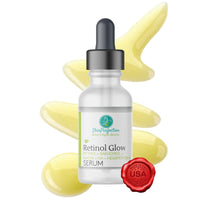
Retinol Glow Radiant Renewal Serum
Redefines Complexions
-
Best Seller

Super Peptide Anti-Aging Serum
99% Super Peptide Anti-Aging Serum
-

Ultra Hyaluronic Plumping Gel
High Molecular Hydration
-
Best Seller

Uplift Eye Cream
Anti-Aging Eye Cream
-

Watermelon Brightening Tonic Facial Mist
-
Best Seller

Wrinkle Eraser Supercharged Peptide Serum
The Ultimate Anti-Aging Serum
-

Youth Serum Collagen Peptide and Tightening Treatment
Firming Anti-Aging Serum


What Is Hyaluronic Acid in Skincare?
Hyaluronic acid is a sugar-based molecule (a polysaccharide) that your skin makes naturally to hold water. In skincare, it is one of the most effective humectants available: it binds water to the skin's surface so skin looks plumper, fine lines from dryness look softer, and skin feels smooth and bouncy.
 EWG Skin Deep rating for Hyaluronic Acid
Cosmetic hyaluronic acid is usually its salt form, sodium hyaluronate, made by fermentation. It comes in different molecular weights, and the size determines whether it mainly sits on the surface as a moisture film or works a little deeper in the outer layers.
Quick Facts
| INCI names | Sodium Hyaluronate, Hyaluronic Acid, Hydrolyzed Hyaluronic Acid, Sodium Hyaluronate Crosspolymer |
|---|---|
| Common names | HA, hyaluronan, sodium hyaluronate |
| Source | Bacterial fermentation (most cosmetic grades); found naturally in skin and connective tissue |
| Form | White powder or clear viscous liquid |
| Solubility | Water soluble; forms a gel |
| Typical usage rate | Gels: up to 1%. Masks: up to 0.5%. Emulsions: up to 0.2%. Added pure to a finished formula: 0.01% to 0.5% (supplier technical data) |
| Molecular weights | Supplier grades run from under 750 kDa to 2,500 kDa. Higher weights form a surface film for lasting hydration; lower weights work deeper in the outer layers |
| pH | Works across a wide range; adjust the finished product to a skin-friendly pH |
| Skin types | All skin types, including oily, sensitive, and mature skin |
How Hyaluronic Acid Works on the Skin
A powerful humectant
Hyaluronic acid can hold up to 1,000 times its weight in water, according to Formula Botanica's hyaluronic acid workbook (formulator education data). On the skin, it attracts water to the outer layer and holds it there, which smooths the surface and gives an immediate plumped, dewy look.
Why molecular weight matters
Large hyaluronic acid molecules stay on top of the skin and form a breathable film that slows water loss. Smaller molecules move into the upper layers of the epidermis and hydrate from within. Many formulas combine both for surface and deeper hydration.
Why skin needs more with age
Skin is the body's largest reservoir of hyaluronic acid, but aging skin produces less of it, which is one reason mature skin looks less supple. Topical hyaluronic acid helps make up for the moisture that is lost.
What the research measured
In a 2011 study in the Journal of Drugs in Dermatology (Pavicic and colleagues), 76 women aged 30 to 60 applied a 0.1% hyaluronic acid cream around one eye and a plain cream around the other, twice daily for 60 days. Five molecular weights were tested, from 50 kDa to 2,000 kDa. Every hyaluronic acid cream significantly improved measured hydration and elasticity compared with the plain cream, and the two smallest sizes (50 and 130 kDa) also significantly reduced measured wrinkle depth.
How to Use Hyaluronic Acid
- Apply to damp skin. Use it right after cleansing or toning, while skin is still slightly damp, so it has water to bind.
- Seal it in. Follow with a moisturizer or face oil. In very dry air, a moisturizer on top keeps the water where you want it.
- Morning and night. It is gentle enough for twice-daily use and layers well under makeup.
- Pairs with everything. Hyaluronic acid works alongside vitamin C, retinol, niacinamide, and peptides. Use it as the hydrating step in any routine.
Formulating notes for DIY
- Sprinkle powder slowly over the water phase and let it hydrate without heat. A gel needs 12 to 24 hours to hydrate fully; stir gently, since high shear breaks the molecule down.
- Add it after cooling, with other actives and the preservative. Avoid high temperatures.
- Weigh it on a precise scale. Usage amounts are small, and the powder pulls moisture from the air, so keep it in an airtight container.
- A concentrated stock gel stored in the refrigerator makes it easy to add measured amounts to serums later.
Simple hyaluronic acid serum (1 fl oz, about 30 g)
- 29.4 g distilled water
- 0.3 g sodium hyaluronate powder (1%, the top of the supplier range for gels)
- Broad-spectrum preservative at the manufacturer's rate
Sprinkle the powder over the water, cover, and leave it in the refrigerator for 12 to 24 hours until it forms a smooth gel. Stir in the preservative. Store in the refrigerator and use within the preservative's stated shelf life.
Who Hyaluronic Acid Suits
Hyaluronic acid suits every skin type. Oily skin likes it because it hydrates without oil, dry and mature skin like the plumping effect, and it is generally well tolerated. If you have sensitive skin, patch test first on the inner arm for 24 hours and start at the lowest rate (0.2% in a lotion or a few drops of serum), then work up.
Frequently Asked Questions
What does hyaluronic acid do for your skin?
Hyaluronic acid binds water to the skin, so it looks plumper and smoother and fine lines caused by dryness look softer. In a 60-day study of 76 women, 0.1% hyaluronic acid creams improved measured hydration and elasticity. The smallest molecular weights also reduced measured wrinkle depth.
Can hyaluronic acid dry out your skin?
It can feel tight in very dry air if it is applied to dry skin and not sealed in. Apply it to damp skin and follow with a moisturizer to keep the water in place. Used this way, it hydrates rather than dries.
Should I apply hyaluronic acid to wet or dry skin?
Apply it to slightly damp skin. Hyaluronic acid works by binding water, so damp skin gives it moisture to hold. Follow with a moisturizer.
What is the difference between low and high molecular weight hyaluronic acid?
High molecular weight hyaluronic acid stays on the surface and forms a moisture-holding film. Low molecular weight hyaluronic acid is smaller and works deeper in the outer layers; in one study, only the 50 and 130 kDa forms reduced measured wrinkle depth. Many serums blend both.
Can I use hyaluronic acid with retinol or vitamin C?
Yes. Hyaluronic acid is a gentle, hydrating partner for both. It helps offset the dry feel some people get from retinol, and it layers easily with a morning vitamin C serum.
Is hyaluronic acid good for oily skin?
Yes. It hydrates without adding oil, so it suits oily and combination skin well. Choose a light gel or serum rather than a heavy cream.
Is sodium hyaluronate the same as hyaluronic acid?
Sodium hyaluronate is the salt form of hyaluronic acid and the form most products use. It is more stable and dissolves easily in water. On the skin, both work as humectants.
Shop and Learn More
For pure hydration, try the Hyaluronic Acid Plumping Serum or the Ultra Hyaluronic Plumping Gel. To make your own, start with Sodium Hyaluronate Powder and our step-by-step guide, Your Guide to Crafting a DIY Hyaluronic Acid Serum. Many of the peptide serums in this collection also use hyaluronic acid as their hydrating base.
Sources
- Pavicic T, Gauglitz GG, Lersch P, Schwach-Abdellaoui K, Malle B, Korting HC, Farwick M. Efficacy of cream-based novel formulations of hyaluronic acid of different molecular weights in anti-wrinkle treatment. J Drugs Dermatol. 2011;10(9):990-1000. Journal page
- Connect Chemicals, Sodium Hyaluronate technical data sheet, October 2024 (supplier data: usage levels by product type, hydration time). Supplier PDF
- Formula Botanica, The Hyaluronic Acid Workbook, 2024 (formulator education data: water-holding capacity, processing).
These statements have not been evaluated by the Food and Drug Administration. These products are not intended to diagnose, treat, cure, or prevent any disease.
About the Author
Written by Kari Thomas, cosmetic formulator and founder of Skin Perfection.