

 Buy with Prime
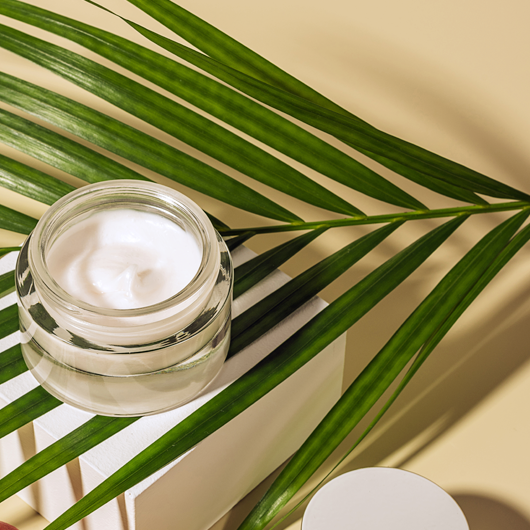


organic and natural skin care
Choosing organic and natural skin care should not mean guessing what a label promises. The useful questions are specific: What does “organic” certify, which ingredients support your goals, and does the finished formula have thoughtful preservation?
Key Takeaways
- Understanding what an organic certification actually guarantees helps you evaluate products beyond marketing claims on the front label.
- Selecting ingredients that match your specific skin goals matters more than choosing a product simply because it carries a natural claim.
- A well-preserved formula is essential, because even the finest organic ingredients can spoil or lose potency without proper preservation.
- Reading labels with a few specific questions in mind turns shopping for natural anti-aging products into a confident, science-backed decision.
I’m Kari Thomas, and I believe effective skincare starts with clear ingredient information. Here’s how to separate meaningful standards from marketing language and read a product label with confidence.
Organic vs. Natural Skin Care: What the Labels Actually Mean (and Why It Matters)
Organic vs. Natural: The Key Differences, Defined Simply
“Natural” generally describes ingredients or a product’s marketing position, but it does not have one universal definition for cosmetics in the United States. “Organic” refers to agricultural ingredients produced under organic standards. A product can include naturally derived ingredients without being certified organic, and an organic ingredient does not automatically make the entire formula organic. That distinction matters if you want traceable sourcing, a defined standard, or a formula designed for a particular skin concern. Organic and natural skin care can be a thoughtful choice, but the label alone does not tell you how well a product performs.
Certifications That Count: USDA Organic, EWG VERIFIED, and COSMOS Compared
Certifications answer different questions. USDA Organic relates to agricultural production and handling standards; EWG VERIFIED evaluates ingredient and product criteria under its program; COSMOS sets standards for organic and natural cosmetics, including ingredient sourcing and production. Check the specific mark and its scope rather than assuming every seal means the same thing. Skin Perfection’s Organic Skin Care Kits - Lip Balm is USDA organic certified and EWG Verified. Those credentials offer concrete information about this balm, not a blanket measure of every cosmetic claim.
| Standard | What it addresses | What to check |
|---|---|---|
| USDA Organic | Organic agricultural ingredients and applicable handling requirements | Whether the finished product qualifies for the seal or a stated ingredient-level claim |
| EWG VERIFIED | Product criteria concerning ingredients and transparency | That the exact product carries the verification |
| COSMOS | Standards for natural and organic cosmetics | The certification category and product scope |
Are Organic Products More Effective? What the Science Says
Organic status describes sourcing and production standards, not guaranteed results. Efficacy depends on the active ingredient, its concentration, stability, delivery, and how consistently you use the product. Research supports the role of certain antioxidants in helping counter oxidative stress, while evidence for any formula must be considered ingredient by ingredient. For a purchase decision, look beyond “clean” or “organic”: identify the intended benefit, review the full ingredient list, and consider whether the formula suits your skin.
How to Spot Greenwashing: A Step-by-Step Label Reading Guide

5 Red Flags That a 'Natural' Product Isn't What It Claims
Greenwashing often relies on attractive words while leaving the details unclear. Use these checks before you buy:
- Vague promises: “Clean” or “pure” without a defined standard.
- Nature-themed packaging: Leaves and earth tones are not proof of organic sourcing.
- Unclear certification: A seal-like graphic without a named program or verifiable status.
- One highlighted ingredient: A botanical featured on the front may appear in a small amount.
- No full ingredient list: Transparency requires more than a short marketing summary.
How to Read an INCI Ingredient List Like a Cosmetic Scientist
INCI names are standardized ingredient names, not a rating of safety or quality. Look for the ingredients tied to the product’s purpose, then scan for fragrance components or known personal sensitivities. Botanical names may look unfamiliar, so check the common name alongside the INCI name. The Organic Skin Care Kits - Lip Balm lists sunflower seed oil, beeswax, coconut oil, spearmint oil, vitamin E, rosemary leaf extract, calendula flower extract, and naturally occurring limonene.
The Truth About Preservatives in Natural Skin Care (Yes, You Need Them)
Preservation is a safety and product-quality consideration, not a flaw in a formula. Water-based products can support microbial growth if they are not protected by an appropriate preservation system and handled correctly. A formula’s needs depend on its ingredients, packaging, and whether water is present. Oil-based products have different preservation considerations, but they still need suitable formulation and storage. Don’t judge a product by whether it is labeled “preservative-free.” Instead, seek clear ingredient disclosure and follow the maker’s storage and use directions.
Label-reading checklist: Confirm the named certification, review the complete INCI list, identify the product’s intended use, and check that its claims match its formula. Organic and natural skin care is easier to assess when sourcing claims and ingredient functions are stated plainly.
The Best Organic Anti-Aging Ingredients, Backed by Research
Effective organic and natural skin care depends on more than a botanical label. The ingredients need a clear purpose, a suitable formula, and a good match for your skin. Antioxidants help address oxidative stress, retinoids support skin renewal, and peptides are studied for their role in improving the appearance of wrinkles. Organic sourcing does not guarantee that an ingredient will work for every concern, so evaluate the active ingredients and the finished formula together.
Botanicals and Superfruit Antioxidants: Free-Radical Defense From Nature
Environmental exposure can contribute to oxidative stress, which is one factor associated with visible signs of skin aging. Antioxidants, including vitamin C from fruit sources, help counter free radicals in the skin. A botanical extract’s usefulness depends on its identity, concentration, stability, and the formula that carries it. Look for products that name the antioxidant rather than relying on broad claims about “superfruits.” Plant oils can also soften and moisturize, though hydration alone does not perform the same function as antioxidant protection.
Plant Stem Cells and Retinol: Renewal Without the Compromise
Plant stem cell ingredients are used in cosmetics for their botanical compounds, but they should not be confused with human stem cells or assumed to renew skin cells directly. Retinol, a vitamin A derivative, has a stronger established role in supporting skin renewal and improving the look of uneven texture and fine lines. It can also cause dryness or irritation, especially when introduced too quickly. If you are considering retinol, start gradually, follow product directions, and use daytime sun protection. A “natural” label does not remove the need to assess tolerance.
Peptides: The Dermatologist-Strength Anti-Aging Heroes
Peptides are short chains of amino acids. In topical skincare, specific peptides are selected to support smoother-looking skin and the appearance of firmness. Their performance depends on peptide type, concentration, stability, and delivery within the formula. Clinical trials on peptides have demonstrated wrinkle reduction within eight weeks of use, though those findings do not mean every peptide product will produce the same outcome. Skin Perfection focuses on concentrated peptide blends and cosmetic science; check each formula’s ingredient information to understand which actives it contains.
Matching Ingredients to Your Skin Type: Sensitive, Dry, and Combination
For sensitive skin, favor a short, clearly disclosed ingredient list and introduce active products one at a time. Dry skin may benefit from moisturizing oils and barrier-supporting ingredients alongside targeted actives. Combination skin can use a lighter texture across the face and apply richer hydration only where needed. Patch-test unfamiliar formulas, and pause use if irritation develops. The right choice is the formula your skin tolerates consistently, not the one with the longest list of trending ingredients.
| Ingredient group | Cosmetic role | What to consider |
|---|---|---|
| Botanical antioxidants | Help counter oxidative stress | Check the named antioxidant and formula stability |
| Retinol | Supports skin renewal and smoother-looking texture | Introduce gradually and monitor comfort |
| Peptides | Support the appearance of firmness and fewer visible wrinkles | Look for specific ingredient information |
Our Science-Backed Organic Skin Care Recommendations for Visible Results
Product recommendations should match the formula to the concern. A lip balm can moisturize delicate lips, but it is not a face serum for wrinkles or a facial moisturizer. Skin Perfection’s Organic Skin Care Kits - Lip Balm is a focused option for dry lips. It is USDA organic certified and EWG Verified, with moisturizing oils that hydrate and provide a protective barrier over delicate skin.
Best Organic Serum for Wrinkles and Firming
For facial lines and loss of firmness, look for a serum that discloses its active ingredients and explains their cosmetic purpose. Peptides are a research-supported ingredient category for smoother-looking skin, while the results depend on the specific formula and consistent use. Skin Perfection’s approach centers on concentrated peptide blends used in modern skincare formulations. Review the ingredient list and directions for any serum you consider, and choose one suited to your skin’s tolerance. The lip balm is not a substitute for a facial serum.
Best Organic Moisturizer for Radiance and Hydration
For dry lips, the Organic Skin Care Kits - Lip Balm is available in a kit of five chapsticks. Its listed ingredients include organic sunflower seed oil, beeswax, coconut oil, spearmint oil, vitamin E, rosemary leaf extract, and calendula flower extract. Apply it to dry lips as needed for hydration. Its intended use is lip care, so select a separate facial moisturizer for the face.
Why Third-Party Recognition Matters: EWG VERIFIED and Think Dirty Awards
Third-party recognition gives shoppers specific information to check, rather than asking them to rely on packaging language alone. It is also cruelty-free, made in the USA, and packaged in recyclable and reusable materials. The listed ingredients have a low hazard score of 1-2 in Skin Deep®. These details help you assess this balm’s credentials and intended use; they do not establish that every product is suitable for every person.
Your Organic Anti-Aging Routine + Expert FAQ
A useful routine is one your skin tolerates and you can follow consistently. Keep the order simple: cleanse, apply targeted leave-on products, moisturize, and use sunscreen during the day. Introduce one new active at a time, so you can notice how your skin responds. Organic sourcing does not replace good formulation or daily sun protection, and a lip balm belongs in lip care rather than a facial anti-aging routine.
How to Layer Organic Serums, Moisturizers, and Tools Like LED Therapy
Apply products from lighter textures to richer ones, following each product’s directions. LED devices are an optional routine tool, not a substitute for skincare or professional guidance. Use the device according to its instructions, and avoid applying products that are not recommended for use with it. For dry lips, Organic Skin Care Kits - Lip Balm is made for use as needed. Its moisturizing oils help hydrate and form a protective barrier over delicate skin.
- Morning: Cleanse gently, apply your chosen serum, moisturize, then finish with broad-spectrum sunscreen.
- Evening: Cleanse, apply a targeted serum as directed, and follow with moisturizer.
- As needed: Apply Organic Skin Care Kits - Lip Balm to dry lips. Introduce new products gradually and stop use if irritation occurs.
The Skin Perfection Difference: Transparency From Formula to Label
Clear product information helps you choose with confidence. The Organic Skin Care Kits - Lip Balm is a USDA organic certified, EWG Verified lip balm, available in a kit of five chapsticks. Its disclosed ingredients include organic sunflower seed oil, organic beeswax, organic coconut oil, organic spearmint oil, mixed tocopherols, organic rosemary leaf extract, organic calendula flower extract, and naturally occurring limonene. The balm is cruelty-free, made in the USA, and packaged in recyclable and reusable materials.
As a certified expert in natural preservation and organic cosmetic science, I believe transparency means explaining a product’s purpose, ingredients, and limits. This balm is intended for dry lips, not as a facial serum or moisturizer. Review the label, follow the directions, and choose products that fit your own routine and sensitivities. If you have questions about ingredient details or product use, reach out to Skin Perfection for clear answers.
Frequently Asked Questions
What is the difference between organic and natural skin care?
Organic skin care refers to agricultural ingredients produced under defined organic standards, while natural generally describes ingredients or marketing position without one universal definition in the United States. A product can contain naturally derived ingredients without being certified organic, and one organic ingredient does not make the entire formula organic.
Are organic skin care products more effective than conventional ones?
Organic status describes sourcing and production standards, not guaranteed results. Effectiveness depends on the active ingredient, its concentration, stability, delivery, and consistent use. Look beyond the label: identify the intended benefit and review the full ingredient list to see whether the formula suits your skin.
Which certifications should I look for in organic skin care?
USDA Organic, EWG VERIFIED, and COSMOS each address different standards. USDA Organic covers agricultural production and handling, EWG VERIFIED evaluates ingredient and product criteria, and COSMOS sets standards for organic and natural cosmetics. Check the specific mark and its scope rather than assuming every seal means the same thing.
How can I tell if a product is truly organic or just greenwashed?
Watch for vague promises like clean or pure without a defined standard, nature-themed packaging, seal-like graphics without a named certification program, one highlighted botanical that appears in tiny amounts, and missing full ingredient lists. Confirm the named certification and review the complete INCI list before buying.
What are the best organic ingredients for anti-aging?
Antioxidants help address oxidative stress, retinoids support skin renewal, and peptides are studied for their role in improving the appearance of wrinkles. Organic sourcing alone does not guarantee results for every concern, so evaluate the active ingredients and the finished formula together.
Do natural skin care products need preservatives?
Yes, preservation is a safety and product-quality consideration, not a formula flaw. Water-based products can support microbial growth without an appropriate preservation system and correct handling. Look for clear ingredient disclosure and follow the maker's storage and use directions rather than judging a product by a preservative-free label.
How do I read an INCI ingredient list on a skin care label?
INCI names are standardized ingredient names, not safety ratings. Look for ingredients tied to the product's purpose and scan for fragrance components or personal sensitivities.