

 Buy with Prime
Aloe Vera
-
Best Seller

Ageless Advanced Peptide Moisturizer
Anti-Aging Moisturizer
-
Best Seller

Ageless Advanced Age-Defying Serum
Anti-Aging Serum & Botanicals
-

Neck Lift and Firm Serum with 20% Pepha Tight
Jawline & Décolleté Treatment
-
Best Seller

Liquid Facelift Collagen Serum
Anti-Aging Serum with Retinol
-

Youth Serum Collagen Peptide and Tightening Treatment
Firming Anti-Aging Serum
-

Eye Bright Argireline Cream
Anti-Aging Eye Cream
-
Sale

2.5% Retinol Moisturizer
Reveal a Fresh Comlpexion
-
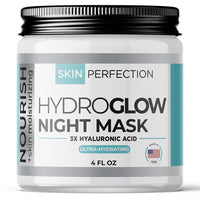
HydroGlow Anti-Aging Night Mask
Firming Mask
-
Sale

10% Niacinamide Serum
Get Glowing Serum
-
Sale

Aloe Vera Gel Serum Base 4oz
-

Watermelon Brightening Tonic Facial Mist


What Is Aloe Vera Juice in Skincare?
Aloe vera juice is the clear liquid pressed or blended from the inner leaf gel of Aloe barbadensis Miller. It is mostly water plus water-binding polysaccharides such as acemannan, along with small amounts of sugars, amino acids, minerals and enzymes. In skincare it replaces some or all of the water in a formula, adding a light, cooling, comforting feel and a short-term boost of surface hydration.
 EWG Skin Deep rating for aloe vera
Quick Facts
| Property | Detail |
|---|---|
| INCI names | Aloe Barbadensis Leaf Juice; Aloe Barbadensis Leaf Extract; Aloe Barbadensis Leaf Juice Powder (freeze-dried) |
| Common names | Aloe vera juice, aloe gel, inner leaf aloe, organic aloe |
| Source | Inner leaf fillet of Aloe barbadensis Miller, a succulent grown in hot, dry climates |
| Form | Clear liquid (juice), thickened gel, or freeze-dried powder that is reconstituted with water |
| Solubility | Water phase |
| Typical usage rate | Juice: up to 100% of the water phase. The Skin Perfection Aloe Vera Gel Serum Base is used as-is, as the carrier for serum boosters. |
| pH | Mildly acidic; check the supplier sheet for your juice |
| Skin types | All, especially oily, combination, sensitive and sun-stressed looking skin |
How Aloe Vera Works on the Skin
Aloe's water-binding polysaccharides form a light film that slows surface water loss for a while, which is why fresh aloe feels cool and skin feels softer right after you apply it. It also gives formulas a slip and cushion that makes them more comfortable on red-looking or wind-stressed skin.
The research is more nuanced than aloe's reputation. In a 2014 study in Pharmacognosy Magazine, Fox and colleagues applied Aloe vera, Aloe ferox and Aloe marlothii gel materials to the forearms of healthy female volunteers and measured skin with a Corneometer, Visioscan, Cutometer and Mexameter. After a single application, Aloe vera increased skin hydration compared with placebo. After repeated applications, however, all three aloe gels showed a drying effect on their own. On skin that had been deliberately irritated, Aloe vera reduced measured redness after 6 days of use.
The practical lesson from a cosmetic formulator: aloe works best as a base that carries humectants and actives, not as a stand-alone moisturizer. Pair it with glycerin or hyaluronic acid and follow with a moisturizer, and you get aloe's comfort without the tight feeling. A 2008 review by Surjushe and colleagues in the Indian Journal of Dermatology reaches a similar conclusion: aloe is widely used in cosmetics, but well-controlled trials are still needed to define its real benefits.
How to Use Aloe Vera in Formulas
- Replace water with aloe. Use aloe juice for part or all of the water phase in toners, gels, serums and lotions.
- Add a humectant. 2 to 5% glycerin, or a hyaluronic acid serum, offsets the drying effect seen with repeated aloe-only use.
- Keep it cool. Aloe tolerates the heated water phase of a lotion, but for serums simply mix at room temperature, below 40°C (104°F).
- Preserve it. Aloe is rich in sugars, so unpreserved aloe spoils within days. Use a broad-spectrum preservative and check pH stays in its working range.
- Choose inner-leaf, decolorized aloe. The yellow latex just under the leaf skin contains anthraquinones (aloin) that can irritate skin. Cosmetic-grade inner-leaf juice is filtered to remove it.
- Storage. Keep opened aloe products capped and cool; refrigerate homemade blends and use them within their preservative's tested shelf life.
Aloe peptide serum (1 oz)
Pour 1 fl oz (about 30 g) of Aloe Vera Gel Serum Base into a clean airless bottle. Add 90 drops (10%) of Argireline, the manufacturer's highest recommended rate at the Skin Perfection house rate of 9 drops = 1% per fl oz. Cap and shake for 30 seconds. Apply morning and night before moisturizer.
Who Aloe Vera Suits
Aloe suits almost every skin type. Oily and combination skin like its weightless, non-greasy feel; sensitive skin likes its cooling comfort. Dry skin should always layer a moisturizer over it. Sensitive skin: patch test on the inner arm for 24 hours. People allergic to other plants in the lily family may be more likely to react to aloe. When adding boosters to aloe, start at the lowest rate on each booster's range.
Frequently Asked Questions
Is aloe vera juice the same as aloe vera gel?
They come from the same inner leaf. Juice is thin and liquid; gel has been thickened, either naturally or with a gelling agent.
Can I put aloe straight from the plant on my face?
You can, but fresh aloe can carry yellow latex that irritates, and it spoils within days. A preserved, inner-leaf product is more reliable.
Does aloe vera dry out skin?
Used alone and repeatedly, it can. In the Fox 2014 study, repeated applications of aloe gel alone had a drying effect. Pair aloe with a humectant such as glycerin and follow with a moisturizer.
Can aloe vera replace my moisturizer?
Oily skin may find an aloe gel with hyaluronic acid enough. Most skin types do better with aloe under a moisturizer.
Can I use aloe vera on my face every day?
Yes, as part of a formulated toner, gel or serum. Layer a moisturizer on top so skin stays comfortable.
Is aloe vera good for oily skin?
Yes. It is weightless and non-greasy, which makes it a popular base for oily and combination skin products.
Shop and Learn More
Build your own serums on our Aloe Vera Gel Serum Base, or try a finished formula from this collection like the 10% Niacinamide Serum. More aloe products are shown below. For recipes and a full guide, see 100 Aloe Vera Juice for Skin: A Complete DIY Guide. Related entries: hyaluronic acid and gotu kola.
Sources
- Fox LT, du Plessis J, Gerber M, van Zyl S, Boneschans B, Hamman JH. In vivo skin hydration and anti-erythema effects of Aloe vera, Aloe ferox and Aloe marlothii gel materials after single and multiple applications. Pharmacognosy Magazine. 2014;10(Suppl 2):S392-S403. doi:10.4103/0973-1296.133291
- Surjushe A, Vasani R, Saple DG. Aloe vera: a short review. Indian Journal of Dermatology. 2008;53(4):163-166. PMC2763764
- Skin Perfection product pages: Aloe Vera Gel Serum Base and Argireline usage rates.
These statements have not been evaluated by the Food and Drug Administration. These products are not intended to diagnose, treat, cure, or prevent any disease.
About the Author
Written by Kari Thomas, cosmetic formulator and founder of Skin Perfection.