

 Buy with Prime
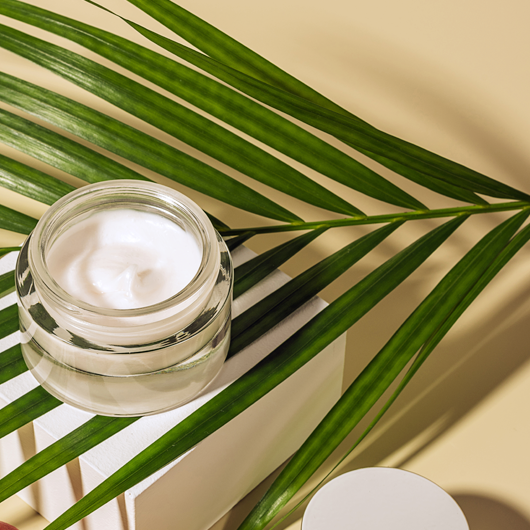


20% Matrixyl Collagen Serum tutorial
If you are searching for a 20% Matrixyl Collagen Serum tutorial, start with the label rather than the headline number. Matrixyl is not collagen in a bottle, and “20%” usually identifies the concentration of a peptide complex. Not 20% of one isolated peptide. For most routines, apply a few drops to freshly cleansed skin, press gently, and follow with moisturizer.
Key Takeaways
- You should look at the product label to understand the specific peptide complex instead of relying solely on the headline percentage.
- Matrixyl functions as a peptide complex rather than a direct replacement for collagen in a bottle.
- Applying a few drops to freshly cleansed skin and pressing gently allows for optimal absorption in your daily routine.
- Sealing the serum with a moisturizer after application helps lock in the beneficial ingredients.
I formulate skincare from a science-first, naturally minded perspective, with training in natural preservation and organic cosmetic science. I look beyond front-label numbers to peptide identity, formula stability, preservation, and directions for use. Skin Perfection’s clean formulation standards, EWG VERIFIED participation, and Think Dirty 2025 Finalist recognition reflect that focus on ingredient transparency. The featured Teprenone Serum Booster belongs in a deliberate routine where each product has a clear role.
What Is 20% Matrixyl? The Honest Science Behind the Serum
Matrixyl Explained: Signal Peptides That Support Your Skin’s Own Collagen
Matrixyl is a family of cosmetic signal peptides, including palmitoyl pentapeptide-4 and the peptide combination commonly known as Matrixyl 3000. Peptides are short chains of amino acids. In skincare, some are designed to act as messenger-like ingredients that support the appearance of smoother, firmer skin. The term matrikine refers to fragments associated with the skin’s extracellular matrix.
That support develops gradually. Peptides do not rebuild facial structure overnight, and they do not replace sunscreen, hydration, or a consistent routine. Their role is more focused: with regular use, they may help skin look plumper, more supple, and less lined while generally feeling gentler than some stronger anti-aging actives.
Why You Can’t Rub In Collagen (and What Peptides Do Instead)
Collagen is a large protein, so topical collagen does not pass through the epidermis in the same way as a small cosmetic ingredient. Instead, it mainly forms a moisturizing film at the surface, temporarily softening the look of dryness. That conditioning effect can be useful, but it differs from supporting the skin’s own collagen-related processes.
What the “20%” on the Label Actually Means
In a 20% Matrixyl Collagen Serum tutorial, the percentage needs context. A label stating “20% Matrixyl” generally refers to the combined peptide complex, not 20% of one isolated peptide such as palmitoyl pentapeptide-4. Published Matrixyl research has examined specific peptide concentrations, formulas, and testing periods. A larger number on a bottle does not, by itself, prove better performance.
Peptide identity, stability, pH, preservation, packaging, and regular use all affect the finished product. I would rather see a transparent ingredient list and a well-preserved serum than a large percentage without supporting detail. The Teprenone Serum Booster is another Skin Perfection option for shoppers seeking a precisely formulated booster, but each active should have a defined place in the routine.
20% Matrixyl Collagen Serum Tutorial: Step-by-Step Application

Evening Routine, Step by Step: Cleanse, Tone, Serum, Moisturize
Night is a straightforward time to begin because makeup and sunscreen are no longer competing with your treatment. Apply the serum after cleansing and toning, before creams or oils. Use it on the face and neck, keeping it away from the immediate eye area unless the product label specifically approves that placement.
- Cleanse gently. Remove makeup, sunscreen, oil, and daily residue without scrubbing.
- Tone if desired. Choose an alcohol-free hydrating toner, then leave skin slightly damp rather than wet.
- Dispense 2 to 4 drops. Warm the serum between clean fingertips and distribute it across the forehead, cheeks, chin, and neck.
- Press, do not rub. Pat and press until the surface feels comfortable. Avoid dragging the skin or working aggressively around the eyes.
- Wait about 60 seconds. Give the serum time to settle before applying moisturizer, which can help reduce pilling.
- Moisturize. Finish with a barrier-supporting cream suited to your skin type.
Morning Routine: Where the Serum Fits Before Moisturizer and SPF
Morning application follows the same order: cleanse, tone if you use toner, apply peptide serum, moisturize, then finish with broad-spectrum SPF. Ultraviolet exposure contributes to visible collagen breakdown, so sunscreen protects the appearance-focused work of your routine. Let each layer settle before adding the next, especially before makeup.
Once-daily use is a sensible starting point for reactive skin. If your skin stays comfortable, follow the product directions for more frequent application. Consistency matters more than applying a large amount. You want an even, light layer. Not a glossy coating sitting on the face.
How Much to Use (2-4 Drops) and 5 Application Mistakes to Avoid
Two to four drops are usually enough for the face and neck. Add only enough to spread the formula evenly. Keep the serum away from broken skin, and stop if persistent burning, swelling, or a rash develops.
- Applying it after moisturizer: Place the lightweight serum first so it can contact freshly prepared skin.
- Using too much: Excess product can feel sticky and may increase pilling without improving results.
- Rubbing forcefully: Press and smooth lightly to reduce friction.
- Applying on dripping-wet skin: Slightly damp skin is useful; excess water can dilute and move the product.
- Skipping SPF in the morning: Peptides cannot substitute for daily UV protection.
This repeatable 20% Matrixyl Collagen Serum tutorial follows six steps: cleanse, tone if desired, apply 2 to 4 drops, press gently, wait about 60 seconds, and moisturize. Add SPF during the day.
Layering 20% Matrixyl With Retinol, Vitamin C, Niacinamide, and Acids
A practical routine depends on compatibility and tolerance. Matrixyl peptides are generally easy to pair with other cosmetic actives, but several strong products in one application can cause dryness or irritation. Change one product at a time so you can identify what your skin accepts.
Ingredient Compatibility at a Glance: Pairs Well, Use With Care, Avoid Mixing
Peptides do not automatically become ineffective beside retinol, vitamin C, niacinamide, or exfoliating acids. The main concern is how your skin responds. Use the table as a starting point, then adjust if you notice redness, tightness, stinging, or flaking.
| Active | Pairing guidance | Best practice |
|---|---|---|
| Retinol | Pairs well for experienced users | Apply retinol at night and introduce it gradually. |
| Vitamin C | Usually compatible | Use vitamin C in the morning, followed by peptide serum if comfortable. |
| Niacinamide | Pairs well | Layer either product first according to texture, then moisturize. |
| AHAs or BHAs | Use with care | Alternate exfoliation nights if your skin is sensitive or new to acids. |
Vitamin C provides antioxidant support, niacinamide helps maintain the moisture barrier, and acids loosen accumulated dead skin cells. Retinol supports visible cell turnover, while Matrixyl is a peptide signal complex. These ingredients have different jobs. The best routine is the one your skin can tolerate repeatedly, not the one with the longest ingredient list.
Retinol Alternative or Retinol Teammate? A Decision Framework
If retinol has caused persistent peeling, burning, or marked sensitivity, use a peptide serum on its own for several weeks before reconsidering another retinoid. Peptides can support smoother-looking, hydrated skin without the same adjustment period associated with retinol. They are cosmetic ingredients, not substitutes for medical treatment.
If your skin already tolerates retinol, you can use both products. Apply retinol on designated evenings and place the peptide serum before moisturizer, or use peptides in the morning and retinol at night. Splitting the routine reduces the number of layers applied at once. Skin Perfection’s peptide products and retinol are suited to this measured approach when used according to their labels.
The Thin-to-Thick Rule and Wait Times Between Layers
After cleansing, apply products from the thinnest texture to the thickest: watery toner, lightweight serum, treatment cream, moisturizer, and facial oil. Place Matrixyl serum before moisturizer. If you use a separate vitamin C serum, apply the more fluid formula first. A pause of about 60 seconds between layers can help reduce rolling or pilling.
On exfoliation nights, cleanse, apply your acid according to its directions, and follow with moisturizer if your skin feels vulnerable. Use the peptide serum on alternate nights until you know the combination feels comfortable. Finish daytime routines with broad-spectrum SPF.
Pairing Your Serum With LED Therapy: A Sequencing Protocol
Serum Before or After LED? The Order That Works Best
Use light therapy on clean, product-free skin, then apply your peptide serum. This keeps sunscreen, makeup, oils, and heavier creams from sitting between the LED device and your skin. After the session, freshly cleansed skin is ready for a lightweight treatment such as the Teprenone Serum Booster.
- Cleanse gently. Remove makeup, sunscreen, and surface residue without scrubbing.
- Complete the LED session. Follow the device instructions for distance, timing, and eye protection.
- Apply your serum. Press a thin, even layer across the face and neck.
- Finish with moisturizer. In the morning, apply broad-spectrum SPF as the final skincare step.
Red and near-infrared light devices deliver controlled light exposure, while Matrixyl peptides provide cosmetic signaling support. Neither produces an overnight structural change. Device quality, skin biology, sun exposure, and routine consistency all influence visible progress.
How Often to Combine Peptides and LED Sessions
Follow the LED manufacturer’s schedule rather than adding longer or more frequent sessions. On LED days, use the serum after each session if your skin feels comfortable. Begin modestly if you have rosacea, eczema, photosensitivity, or a history of reactions to cosmetic devices. The Teprenone Serum Booster can remain in your post-session routine if its label directions suit your skin and no irritation develops.
Your 12-Week Results Calendar: Timeline, Safety, and Who It Suits

Week by Week: From Hydration to Firmer-Looking, Smoother Skin
Skincare results arrive in stages. Early changes often involve comfort and hydration, while firmer-looking texture and softened fine lines require patience. Published Matrixyl research covers different peptide types, formulas, and concentrations, so no calendar can promise the same outcome for every person. Use this schedule as a reference, not a guarantee.
| Time period | What you may notice | What to do |
|---|---|---|
| Weeks 1 to 2 | Skin may feel more comfortable, conditioned, and hydrated. | Keep the routine steady and avoid adding several new actives. |
| Weeks 3 to 6 | The complexion may appear plumper, smoother, and more even in texture. | Take progress photos in similar lighting rather than judging day to day. |
| Weeks 7 to 12 | Consistent users may see firmer-looking skin and less noticeable fine lines. | Continue daily SPF and assess comfort, texture, and overall appearance. |
Patch Testing, Side Effects, and Sensitive-Skin Suitability
Patch test before applying a new serum across your face. Place a small amount on the inner forearm or behind the ear, leave the area undisturbed, and observe it for a full day. If you experience persistent burning, swelling, hives, or a worsening rash, rinse the area and discontinue use. Peptides are often considered gentler than retinoids, but any formula may contain preservatives, botanical extracts, or other ingredients that do not suit every complexion.
Use cosmetic peptides to support the look and feel of healthy skin, not to treat acne, dermatitis, scarring, or another medical condition. If your barrier is damaged, simplify your routine first. Anyone pregnant, nursing, under dermatologic care, or managing a diagnosed skin condition should ask a qualified clinician about personal skincare choices.
Who a 20% Matrixyl Serum Is Right For: Age, Skin Type, and Goals
This type of serum may suit adults seeking a lightweight anti-aging step for dryness, dullness, early fine lines, or loss of bounce. Mature skin may appreciate its conditioning feel, while younger users may choose it for hydration-focused care. Normal, dry, combination, and many sensitive skin types can try it when the formula is well tolerated. Oily skin can also benefit from a thin layer paired with a non-greasy moisturizer.
Benefits and Considerations Before You Begin
Pros
- Supports a smoother, more hydrated appearance.
- Fits morning or evening routines.
- May suit people who do not tolerate retinoids.
- Works alongside sun protection and barrier care.
Cons
- Visible changes require consistent use and patience.
- Results vary by formula, skin condition, and daily UV exposure.
- A high percentage label does not guarantee superior performance.
- It cannot replace medical care for a skin disorder.
Frequently Asked Questions
What should you not mix Matrixyl with?
The 20% Matrixyl Collagen Serum should not be layered after moisturizer or over broken skin, because lightweight peptide serums work best on freshly cleansed, toned skin. Press in 2 to 4 drops, wait about 60 seconds, then follow with a barrier-supporting cream. Stop use if persistent burning, swelling, or a rash develops.
Should I apply Matrixyl at night or in the morning?
The 20% Matrixyl Collagen Serum can be applied at night or in the morning, and nighttime is the simplest place to start because skin is clean without sunscreen or makeup competing for space. For morning use, layer the serum before moisturizer and broad-spectrum SPF, since sun exposure is a major contributor to visible collagen breakdown.
Can I use Matrixyl under my eyes?
Matrixyl serum should stay away from the immediate eye area unless the product label specifically approves that placement. In a 20% Matrixyl Collagen Serum tutorial routine, 2 to 4 drops go on the face and neck, pressed in gently, avoiding any dragging of the skin or aggressive work around the eyes.