

 Buy with Prime
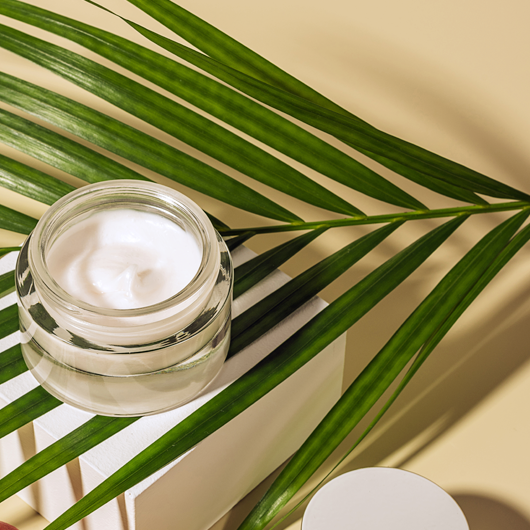


Best daily exfoliator for youthful glow.
Best daily exfoliator for youthful glow. The right choice should smooth dull surface cells without leaving mature or dry skin tight, raw, or too sensitive for the rest of your routine. That means judging more than the acid name: concentration, formula pH, supporting ingredients, and how often your skin can comfortably tolerate it all matter.
Key Takeaways
- Gentle acids like lactic acid and PHAs dissolve dull surface buildup while respecting the moisture barrier, making them ideal for mature or dry skin.
- Concentration alone tells you very little, because a well-formulated product with the correct pH delivers better results than a stronger acid in a poorly balanced base.
- Look for supporting ingredients such as hyaluronic acid, ceramides, or niacinamide, which keep skin calm and hydrated while the exfoliant does its work.
- Start with two or three applications per week and increase only when your skin stays comfortable, since consistency with a mild formula beats aggressive scrubbing every time.
- A daily exfoliator should leave your skin smooth and ready for serums, never tight, raw, or sensitized before the rest of your routine begins.
One important distinction: Skin Perfection’s featured polish is a physical exfoliator, not a daily acid toner. Below, I’ll explain what gentle acids can offer and where the polish fits, so you can choose based on your skin’s needs rather than a label promising instant radiance.
Unlock Your Skin's Youthful Radiance: The Barrier-First Daily Exfoliator Guide
Daily exfoliation can suit some people, but it isn’t automatically safe for every skin type or routine. A low-strength formula with a well-considered pH may help loosen the bonds between surface cells, while a gentle cleanser, moisturizer, and sunscreen support comfort. Start less often than daily, then increase only if your skin stays calm. Persistent stinging, redness, or tightness is a sign to pause.
Skin turnover naturally slows with age. Research findings indicate that turnover can shift from about 28 days in early adulthood to 45-60 days or longer in mature skin. As dead cells linger, light may scatter less evenly, making the complexion look dull. A carefully chosen exfoliant can help refine the surface, but stronger isn’t better when the skin barrier is already dry or delicate.
Acids also differ in how they behave. Lactic acid exfoliates while supporting hydration and endogenous ceramide synthesis in the stratum corneum. PHAs, such as gluconolactone, have larger molecules than glycolic acid and may be a gentler option for some people. Glycolic acid can be effective, yet its smaller molecular size may make a formula feel more intense. Product strength and pH influence the experience, so the ingredient name alone can’t predict tolerance.
How We Selected the Best Daily Exfoliators for a Youthful Glow

We assessed exfoliators by the full formula, not by claims such as “daily” or “gentle” alone. Useful details include the acid type, concentration when disclosed, finished-product pH, and whether the formula includes moisturizing or calming ingredients. A low-dose acid can still irritate if the formula is too strong for your skin, while a thoughtfully balanced product may be more comfortable to introduce gradually.
We also considered fit for dry, mature, or easily irritated skin, plus compatibility with other active ingredients. The goal is visible smoothing without treating redness and flaking as proof that a product works. Skin Perfection’s Skin Polish Instant Glow Microdermabrasion is included as a featured physical polish, with a clear distinction from the acid options: it uses microdermabrasion-style action and should not be presented as a daily chemical exfoliant.
| Evaluation point | What to look for | Why it matters |
|---|---|---|
| Exfoliant type | AHA, BHA, PHA, or physical particles clearly identified | Different approaches suit different concerns and tolerance levels. |
| Formula strength | Disclosed percentage and pH where available | Acid activity depends on the finished formula, not just its headline ingredient. |
| Comfort support | Hydrating and soothing components, without needless irritants | Dry or mature skin benefits from a formula that respects barrier comfort. |
| Routine fit | Directions that allow gradual use alongside other actives | Overloading a routine can lead to irritation and interrupted care. |
Skin Perfection's Top Daily Exfoliator Picks for Lasting Luminosity
A useful shortlist should separate daily acid formulas from physical polishing. The products below are ingredient-led choices, not invented brand recommendations: the research available here does not verify specific acid toner brands, concentrations, or pH values. Check a product’s current label and directions before buying. If its acid strength or pH is undisclosed, don’t assume it is suitable for daily use simply because the packaging says so.
Lactic acid formula: hydration-conscious resurfacing
Best for: Dry or mature skin seeking surface smoothness with a more hydration-minded acid choice. Lactic acid supports desquamation and can stimulate ceramide synthesis in the stratum corneum. That makes it a relevant ingredient to consider when dullness and dryness show up together. Look for a clearly disclosed, modest concentration and a product with straightforward directions. Introduce it on a few evenings per week before considering more frequent use.
Gluconolactone PHA formula: a gentler-feeling option
Best for: Skin that tends to react to stronger exfoliants. PHAs have larger molecular structures than glycolic acid, which may limit how quickly they penetrate the skin. Research findings report comparable smoothing to glycolic acid with up to 50% less reported stinging and barrier disruption. That comparison doesn’t guarantee comfort for every person, so begin gradually and watch for persistent tightness or redness. Choose a formula that names gluconolactone and gives clear usage instructions.
Glycolic acid formula: targeted surface refinement
Best for: Experienced exfoliant users whose skin tolerates AHAs and whose main concern is a dull, uneven-looking surface. Glycolic acid has a smaller molecular size than lactic acid and PHAs, a property associated with greater skin penetration. That can make it feel more potent, not automatically more effective for your individual skin. Favor a lower-strength product with transparent labeling rather than jumping to a high-percentage peel for everyday use.
Skin Polish Instant Glow Microdermabrasion: physical polishing
Best for: Someone seeking a polish-style exfoliating step, rather than a daily leave-on acid. Skin Polish Instant Glow Microdermabrasion is a face exfoliating polish designed to improve the look of skin glow and texture through microdermabrasion-style action. It belongs in a different category from AHA, BHA, and PHA toners. Use the directions on the product label, and don’t assume daily use is appropriate. If your skin is reactive, dry, or already exposed to strong actives, a physical scrub may not be the best match.
The product information available here does not establish a complete ingredient list, acid concentration, pH, or clinical testing for this specific polish. I won’t assign it acid-based benefits or claim daily suitability without that evidence. Consider it a separate polishing option, not a substitute for a low-dose chemical exfoliant.
How to compare the polish with acid exfoliants
Physical products rely on contact and motion; acid formulas work through chemical exfoliation. A polish can offer an immediately smoother-feeling surface, while leave-on acids provide a different kind of gradual resurfacing. Neither approach needs to leave skin raw to be worthwhile. Skin Polish Instant Glow Microdermabrasion is the featured polish in this selection, but it is not the best match for someone specifically seeking an acid-based daily exfoliator.
The Retinoid-Exfoliator Coexistence Blueprint: Daily Radiance Without Compromise
Retinoids and exfoliants can support smoother-looking skin, but using them together in one evening may increase irritation, especially if your skin is dry, mature, or new to either active. A safer starting point is to separate them across the week. Keep your retinoid routine steady and introduce an exfoliant on a different night, at a low frequency. If your skin remains comfortable, you can adjust gradually. Redness, persistent stinging, or tightness means the schedule is too demanding, not that the products are working better.
Think of “micro-dosing” as controlling frequency and exposure, not mixing acids into your retinoid or applying extra product. Follow each formula’s directions, apply to clean, dry skin, and use moisturizer to support comfort. A gentle PHA or a modest lactic acid formula may be a more considered starting point than a strong glycolic peel. The best schedule depends on your skin’s tolerance and the retinoid strength, so there is no universal daily pairing.
| Routine approach | How to schedule | Best fit |
|---|---|---|
| Alternate evenings | Use the retinoid on its established nights; place exfoliation on a separate evening. | People with a stable retinoid routine who want to introduce a gentle acid. |
| Exfoliate less often | Start with one exfoliation night, then assess comfort before increasing frequency. | Dry, sensitive, or retinoid-new skin. |
| Keep physical polishing separate | Do not pair a polish with retinoid application in the same session; follow the polish label. | Anyone considering a scrub-style step rather than a leave-on acid. |
Skin Polish Instant Glow Microdermabrasion is a physical polish, not an acid toner. Because it uses microdermabrasion-style action, treat it as a separate exfoliating step and avoid using it on the same evening as a retinoid, particularly if your skin is easily irritated. Skin Polish Instant Glow Microdermabrasion should not be assumed suitable for daily use; follow its product directions and let skin comfort guide your schedule.
Beyond the Glow: Maintaining Barrier Health and Preventing Over-Exfoliation
A smoother surface is only a win if your skin still feels comfortable. Persistent stinging, tightness, unusual sensitivity, redness, or flaking can signal that exfoliation is outpacing your barrier’s ability to recover. Pause exfoliating acids and scrubs if these signs appear. Keep your routine simple while your skin settles, and seek advice from a dermatologist if irritation persists or worsens.
- Use a mild cleanser and a moisturizer that helps reduce moisture loss.
- Skip exfoliants and other irritating actives until your skin feels calm again.
- Apply broad-spectrum sunscreen every morning. Exfoliation can leave skin more vulnerable to sun exposure, and daily UV protection helps guard against sun damage.
Can you exfoliate daily without damaging your barrier? Some people tolerate a gentle formula, but daily use is not a goal your skin has to meet. Let comfort guide your frequency, and return gradually only after irritation has resolved. If dryness is your baseline, favor hydration and barrier support over a stronger acid or more frequent polishing.
Frequently Asked Questions
Can you really use a chemical exfoliator every day without damaging your skin barrier?
Daily chemical exfoliation may suit some skin, but it is not automatically safe for every routine. Start with a low-strength formula a few evenings per week, then increase only if your skin stays comfortable. Persistent stinging, redness, or tightness means pause or reduce use, and keep moisturizer and sunscreen in your routine.
Which acid is best for mature skin seeking a youthful glow: glycolic, lactic, or gluconolactone (PHA)?
Lactic acid or gluconolactone may be gentler starting points for mature skin seeking a youthful glow. Lactic acid exfoliates while supporting hydration and ceramide synthesis, while PHAs may cause less stinging for some users. Glycolic acid can feel more intense, so formula strength and pH matter as much as acid type.
How should I use a daily exfoliator if I already apply tretinoin or retinol at night?
A daily exfoliator should be introduced cautiously alongside tretinoin or retinol, not added nightly from the start. Consider using exfoliation on separate evenings and begin only a few times per week, since combining active ingredients can increase irritation. If persistent redness, stinging, or tightness develops, pause exfoliation and simplify your routine.
Why do gentle Asian beauty or mild toners sometimes feel ineffective?
Gentle toners can feel ineffective because their exfoliating strength may be low, their pH may limit acid activity, or visible smoothing may take time. A toner labeled gentle or daily does not reveal its concentration or finished-product pH. Look for clear ingredient and usage details, then assess gradual comfort and texture changes rather than expecting peeling.
What ingredients soothe redness while exfoliating dead skin cells?
Moisturizing and calming ingredients can support skin comfort while an exfoliant loosens dead surface cells. Lactic acid is a hydration-conscious option that can support ceramide synthesis in the skin barrier, while a well-formulated product may include additional comfort-supporting ingredients. Check the full product label, and reduce use if redness or stinging persists.