

 Buy with Prime
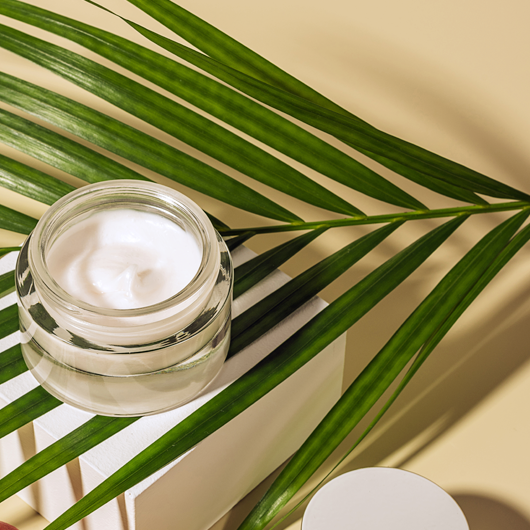


Your skin can feel dry, tight, or fussy even when you're using rich creams. That usually confuses people. If a moisturizer feels thick, shouldn't skin stay comfortable longer?
Not always. Some formulas sit on top well, but they don't help skin manage water efficiently. That's where betaine skin care gets interesting.
Betaine is one of those ingredients estheticians love because it does more than make a product feel nice. It's gentle, plant-derived, and works with the way skin already handles moisture. Instead of forcing a heavy, coated feeling, it helps skin stay balanced, soft, and comfortable.
If you've ever said, "My skin is dry but also easily irritated," betaine belongs on your radar. It shows up in serums, lotions, cleansers, and even ultra-mild wash formulas because it supports hydration while also improving how a formula feels on the skin.
People also get stuck on one common question. Is betaine just another humectant, like glycerin? The short answer is no. It can attract water, but it also helps skin cells deal with water stress more gracefully. That difference matters, especially if your skin feels fine indoors and suddenly rough, dull, or tight when the weather changes.
I like betaine because it fits real life. It works for minimal routines, active-heavy routines, and DIY formulas. It also suits people who want products that feel elegant rather than sticky.
Your Introduction to a Skincare Game Changer
A lot of skin discomfort looks the same on the surface. Flaky patches, makeup catching on texture, a dull look by midday, or that stretched feeling after cleansing. Many people respond by layering heavier and heavier products, then wonder why their skin still doesn't look settled.
Betaine offers a different path. It isn't only about adding more moisture on top. It helps skin hold onto comfort in a smarter way, which is why it's become such a useful ingredient for dry-looking, stressed-looking, and easily unsettled skin.
Why this ingredient stands out
Oils and butters are familiar. They help soften and reduce that stripped feeling. Humectants can be less intuitive. Betaine belongs in that moisture-support category, but it's unusually versatile because it doesn't just pull in water. It also supports how skin handles changing conditions, like indoor heating, over-cleansing, or dry air.
That matters because skin rarely struggles for one reason only. Tight skin can also look rough. Reactive skin can also look dehydrated. A formula that only does one job may not feel complete.
Here’s the practical takeaway:
- If your skin feels tight after washing, betaine can make cleansers feel milder and less harsh.
- If your face looks dull or lined from dehydration, betaine can support a smoother, fresher look.
- If you're formulating at home, betaine is one of the easier ingredients to work into water-based products.
Betaine is often the ingredient people didn't know they needed until their skin starts feeling calmer, softer, and less needy.
This is also a useful ingredient for readers who care about compliance and realistic expectations. In cosmetic language, betaine supports hydration, softness, and the appearance of a healthier skin barrier. That's plenty valuable on its own.
What Is Betaine and Where Does It Come From
Betaine is a naturally derived osmolyte, also called trimethylglycine. In plain language, it's a small molecule that helps manage water balance. In skin care, that makes it useful for keeping skin feeling comfortable and looking more supple.
You'll usually hear betaine connected to sugar beets. That's its best-known cosmetic source, and part of why it appeals to people who prefer plant-derived ingredients.

The simplest way to understand betaine
Think of each skin cell as a tiny room that functions best when the water level stays steady. Betaine acts like a water manager. It helps that room stay balanced when the outside environment gets dry or stressful.
That "osmolyte" label sounds technical, but the idea is simple. Skin doesn't just need moisture applied to it. It benefits from ingredients that help maintain a better internal balance.
Why its origin matters to ingredient-conscious shoppers
Betaine is often described as an upcycled ingredient because it's derived from sugar beet byproducts. That's one reason clean beauty brands and formulators pay attention to it. It fits the broader move toward ingredient efficiency and lower-waste sourcing.
But there’s an important nuance. Existing beauty content often praises betaine's sugar beet origin without answering practical sourcing questions about farming practices, pesticide residue, processing methods, and how to identify verified, organic-compliant material, as discussed in this analysis of natural betaine as an upcycled powerhouse.
For careful shoppers and DIY formulators, that means "plant-derived" shouldn't end the conversation. It's better to ask:
- What grade is it for cosmetic use?
- Is the supplier transparent about origin and processing?
- Does the brand explain how the ingredient fits its clean beauty standard?
A good sourcing question: "Where does this betaine come from, and what does the supplier disclose about purity and processing?"
What you'll see on a label
On ingredient lists, the straightforward name is usually Betaine. That's the humectant and osmolyte used in leave-on products like serums and creams.
Later in the FAQ, I'll separate that from cocamidopropyl betaine, because those are not the same ingredient even though the names sound related. That distinction matters a lot when you're buying raw materials or reading cleanser labels.
How Betaine Works Its Magic on Your Skin
Betaine helps skin in two main ways. First, it behaves like a water magnet. Second, it acts like a cellular bodyguard that helps skin handle water stress more gracefully.
That combination is why betaine skin care often feels more refined than a formula built around moisture alone.

Humectant action and the water magnet effect
As a humectant, betaine attracts and binds water. Verified data notes that topical betaine at 2 to 5% led to 20 to 30% improvement in skin hydration levels after 28 days, and that it supports the barrier by upregulating filaggrin, which is important for natural moisturizing factor synthesis, according to this betaine overview focused on hydration and skin barrier support.
If that sounds abstract, in practice, this can manifest as follows. Skin often appears less papery, less crinkled from dehydration, and more even in how it reflects light. Makeup can sit more smoothly because the surface feels less rough.
Osmoregulation and the cellular bodyguard role
This is the part people often miss. Betaine doesn't only bring in water. It also helps skin cells maintain their internal water balance when conditions are challenging.
Dry air, over-cleansing, strong formulas, and seasonal shifts can all make skin lose that comfortable middle ground. Betaine helps cells adapt without that immediate swing toward tightness and roughness. That's why it can feel supportive even in formulas that aren't especially heavy.
Here's a quick comparison:
| Function | What it means in plain language | What you may notice |
|---|---|---|
| Humectant | Helps attract and hold water | Skin looks fresher and less dry |
| Osmoprotective support | Helps cells manage water stress | Skin feels more comfortable through the day |
People working on barrier-focused routines often look at ingredient combinations rather than one hero ingredient alone. If you're learning how different categories fit together, this guide to skin barrier repair products gives useful context. For a broader look at moisture-binding ingredients, Skin Perfection's article on natural humectants for skin is a practical companion read.
Practical rule: If your skin is dehydrated and reactive, choose ingredients that support both water content and daily comfort. Betaine does both.
The Visible Benefits of Adding Betaine to Your Routine
The science is interesting, but individuals often prioritize the mirror test. What does betaine change in how skin looks and feels?
The answer is usually subtle in the best way. Skin tends to look more settled, more even in texture, and less stressed.

What you may notice first
For many people, the first visible change is a more hydrated look. Not greasy. Not glossy in a heavy way. More like skin that reflects light evenly because the surface isn't as thirsty.
Then there's the feel of the formula itself. Betaine often gives products a silkier, less sticky finish, which can make a big difference if you've avoided hydrating serums because they felt tacky.
Where betaine helps most in a routine
Verified data shows that at 1 to 4% inclusion, betaine can reduce chemical irritation from surfactants like SLS by up to 40% in patch tests, and clinical trials showed an 18% reduction in erythema index after 14 days on sensitive skin, as described in this review of betaine in cosmetics.
That translates well into cosmetic, everyday benefits:
-
Cleansers feel gentler
If your face feels stripped after washing, betaine can help a cleanser feel more comfortable on contact and after rinsing. -
Redness can look less obvious
For skin that flushes easily or looks unsettled after cleansing, exfoliation, or weather changes, betaine supports a calmer-looking appearance. -
Dehydration lines look softer
Fine surface lines caused by dryness often appear less pronounced when skin holds water better. -
Texture feels smoother
When the outer layer is better hydrated, skin usually feels less rough and makeup tends to glide on more evenly.
One good way to think about betaine is that it supports your routine's "comfort factor." If you want more ideas for building that kind of routine, Skin Perfection's guide on how to strengthen skin barrier adds useful product-selection tips.
Who tends to like betaine most
Not every ingredient earns repeat loyalty. Betaine often does because it suits several groups at once.
- Dry-looking skin appreciates the plumper, softer appearance.
- Sensitive-feeling skin often likes the milder, less fussy finish.
- Combination skin can use it without the heaviness of richer occlusives.
- Mature skin often benefits from the smoother, more cushioned look it can support.
Skin doesn't always need more product. Sometimes it needs better water balance.
Using Betaine Effectively in Your Skincare Formulations
Betaine is one of the easier cosmetic ingredients to use well. It dissolves into water-based systems, plays nicely with many popular actives, and fits both ready-made formulas and DIY projects.
That flexibility helps explain why it has become so common in personal care. Verified market data states that the global betaine market was valued at USD 3.64 billion in 2023, with personal care dominating demand. The same source also reports low irritation potential, with usage limits of 30% in rinse-off and 6% in leave-on products yielding a margin of safety greater than 100, according to this betaine market report.
What to look for on the label
In leave-on products, look for Betaine in the ingredient list. In raw ingredient shops, it may also be identified as trimethylglycine.
A few practical notes help:
-
Check product type first
In serums and lotions, plain betaine is the ingredient you're usually after for hydration support. -
Don't confuse it with cleanser surfactants
Cocamidopropyl betaine is different. It's common in wash-off formulas. -
Think about formula role
Betaine isn't there to make a product oily or occlusive. It's there to support water balance and improve skin feel.
Good pairings in modern formulas
Betaine is a team player. It works especially well with ingredients that people love for results but sometimes avoid because of comfort issues.
Here are some strong pairings:
- Hyaluronic acid for a fuller, more hydrated look
- Peptides for elegant water-based serums
- Vitamin C derivatives in brightening-focused formulas
- Retinoid-adjacent routines where users want a more comfortable finish
- Mild acids when the goal is smoother-looking texture without making the formula feel harsh
If you're learning how to build or evaluate formulas, Skin Perfection's content on cosmetic formulation is a useful reference.
A quick decision table
| If you want | Betaine can contribute by | Best format |
|---|---|---|
| A less tacky hydrating serum | Improving slip and water balance | Gel serum |
| A gentler cleanser feel | Softening the sensory profile | Facial wash |
| A light daily lotion | Adding comfort without heaviness | Emulsion |
| Better compatibility with active routines | Helping support formula mildness | Serum or cream |
In formulation, betaine often works best as a support ingredient that makes the whole product feel more balanced.
Skin Perfection offers ready-made products and DIY supplies, including options for formulators who want to build customized hydration-focused products around plant-derived actives and peptides. That makes betaine especially appealing if you're creating products for feel, finish, and visible softness rather than a one-note moisture claim.
Craft Your Own Custom Betaine Serums and Lotions
DIY skin care gets better when the recipe is simple enough to repeat and flexible enough to personalize. Betaine fits that perfectly. It works well in water-based products, it helps improve the feel of a formula, and it pairs nicely with familiar ingredients like hyaluronic acid and peptides.

Before you mix anything, use good DIY habits. Work with clean tools, sanitize containers, label your batch, and follow supplier guidance for each raw material. If you're building your skills, Skin Perfection's library on make your own skin care products is a helpful place to keep open in another tab.
Recipe one for a simple hydrating gel serum
This is a good starting formula if your goal is a fresh, cushiony, non-greasy finish.
You'll need
- Distilled water
- Betaine powder
- Hyaluronic acid solution or pre-hydrated hyaluronic gel
- Glycerin
- Broad-spectrum preservative suitable for your formula
- A small beaker, mini whisk, and serum bottle
How to make it
- Add distilled water to your sanitized beaker.
- Sprinkle in the betaine and stir until fully dissolved.
- Add a small amount of glycerin for extra slip.
- Blend in your hyaluronic component slowly so the texture stays smooth.
- Add preservative according to the manufacturer's instructions.
- Transfer to a serum bottle and label it.
What this feels like on skin
This kind of serum usually leaves skin looking fresher and feeling bouncier, with less tack than a basic water-and-glycerin mix. It's a nice option under moisturizer or sunscreen because it layers cleanly.
Recipe two for a calming daily lotion base
If you prefer a creamier format, add betaine to a beginner-friendly lotion base.
You'll need
- Unscented lotion base
- Betaine dissolved in a small amount of distilled water
- Optional peptide solution compatible with your base
- Optional panthenol or a similarly gentle supportive ingredient
- Sanitized mixing bowl, spatula, and pump bottle
Method
- Start with your lotion base in a clean bowl.
- In a separate cup, dissolve the betaine in a little distilled water.
- Fold that liquid into the lotion base slowly.
- If using a peptide solution, add it next and stir gently.
- Package in a pump bottle for easier daily use.
This type of formula works well for people who want a soft, silky finish without making the skin look overloaded. It can be used as a daily face lotion or adapted for hands and body.
A good DIY lotion doesn't have to be complicated. If the texture is stable, the ingredient choices are compatible, and the finish feels good, you're already doing something right.
Recipe three for a refreshing facial mist concentrate
A betaine mist is useful when you want a lighter format.
Ingredients
- Distilled water
- Betaine
- Aloe-based cosmetic liquid or another gentle water-phase addition
- Preservative
- Fine-mist bottle
Steps
First dissolve the betaine fully. Then mix in your aloe-based liquid. Add preservative, stir carefully, and bottle.
A mist like this can help skin feel refreshed before serum application, especially in dry indoor environments. It can also improve the sensory feel of a layered routine.
Customizing without overcomplicating
DIY formulators often make one of two mistakes. They either keep the formula so basic it doesn't feel special, or they add too many actives and end up with a confused product.
A balanced approach works better.
- For mature-looking skin, pair betaine with peptides and a light gel texture.
- For dry-looking skin, combine it with hyaluronic acid and a cream or lotion base.
- For easily unsettled skin, keep fragrance out and stay with simple, low-drama support ingredients.
- For makeup prep, choose a thin serum with elegant slip rather than a rich cream.
Storage and common sense checks
Always watch for changes in smell, texture, or color. If a homemade product separates unexpectedly or starts to look off, discard it. Raw ingredients differ from supplier to supplier, so small test batches are your friend.
If you're new to formulating, start with one role for each ingredient. Betaine for hydration support. Hyaluronic acid for water binding. A peptide for a refined serum profile. That approach keeps your formulas easier to troubleshoot and much more enjoyable to use.
Exploring Betaine for Scalp Health and Hair Appearance
Most betaine content focuses on the face. That's understandable, but it leaves out an interesting possibility. The scalp is skin too, and many people with dry-looking or uncomfortable scalps are already looking for gentler, barrier-minded ingredients.
A verified content review notes that the potential application of betaine for hair thinning, shedding, or scalp health is a significant gap in consumer education, and that its non-irritating profile and ability to maintain skin barrier integrity could theoretically benefit scalp microbiota and follicle health, as discussed in this overview of betaine skincare benefits and future content opportunities.
Why this matters for cosmetic care
It's important to stay realistic and compliant here. Betaine isn't a hair growth claim ingredient in this discussion. What it can offer, from a cosmetic standpoint, is support for a more comfortable scalp environment and better-feeling formulas.
That can matter if your scalp often feels tight after shampooing or your hair looks dull because the products you use are too harsh.
Where betaine may fit into a hair routine
Think about three cosmetic goals:
-
Scalp comfort
A formula with betaine may feel milder and less stripping. -
Hair softness
Better moisture balance can help hair feel smoother and less coarse. -
Appearance of shine and manageability
When hair fibers are less dried out, they often reflect light better and feel easier to style.
If you're comparing wash products for volume-focused routines, a Biotin and Collagen shampoo can be one useful reference point for seeing how brands position fullness and texture benefits in hair care. For readers interested in broader appearance-focused scalp support ideas, Skin Perfection also has content on natural hair loss remedies, which is worth reading with a careful cosmetic lens.
The scalp is often treated like an afterthought, even though it shapes how your hair looks, feels, and styles from the root.
A sensible way to experiment
If you want to explore betaine for scalp care, start with rinse-off products or lightweight leave-in scalp formulas designed for comfort and hydration support. Keep the formula simple. Avoid piling on too many fragrance materials or strong exfoliating agents at the same time.
This is one of the most overlooked corners of betaine skin care. Not because the idea is wild, but because the conversation hasn't caught up yet.
Embracing Betaine for Beautifully Balanced Skin
Betaine earns its place in a routine because it does several useful things at once. It helps skin attract water, supports comfort in dry conditions, and improves the feel of both leave-on and rinse-off formulas.
That makes it a strong choice for people whose skin looks dehydrated, feels touchy, or needs a more balanced routine. It also works well for formulators who want elegant textures without leaning on heavy oils or sticky humectant blends.
What I like most about betaine is its versatility. It can be present in a cleanser, serum, lotion, or mist and still make the formula feel more refined. That's often what good skin care does. It doesn't need to be dramatic to be effective.
If you're shopping, look for Betaine on the label. If you're formulating, start simple and pay attention to texture, comfort, and how your skin looks over time. Small changes in hydration can make a visible difference in smoothness, softness, and radiance.
Your Betaine Questions Answered
Is betaine the same as cocamidopropyl betaine
No. This is one of the biggest points of confusion.
Betaine is the humectant and osmolyte we've been discussing. It's usually used to support hydration and formula feel in serums, lotions, and some cleansers.
Cocamidopropyl betaine is a different ingredient commonly used as a surfactant in wash products such as shampoos, body washes, and facial cleansers. The shared word "betaine" makes them sound interchangeable, but they serve different jobs in a formula.
Is betaine suitable for blemish-prone skin
It can be a very practical choice because it focuses on hydration support and comfort rather than heaviness. Many people with blemish-prone skin still deal with dehydration, especially if they use strong cleansers or exfoliating products.
A lightweight serum or gel moisturizer with betaine can help skin feel less tight and look smoother without relying on a rich, coated finish. As always, the full formula matters more than one ingredient alone.
Can I use betaine every day
Yes, betaine is commonly used in everyday skin care. It fits morning and evening routines, and many people tolerate it well in both rinse-off and leave-on products.
That said, daily use should still be guided by the whole formula. If a product contains many active ingredients, assess the complete product rather than assuming betaine alone determines tolerance.
Does betaine work with other active ingredients
Usually, yes. Betaine is known for fitting comfortably beside many popular ingredients used in modern cosmetic formulas. It often appears in products designed to feel more elegant and less harsh.
For DIY projects, the main thing is to check supplier guidance, solubility, preservation, and pH compatibility for your complete formula.
Is betaine only for facial skin
No. While facial products get most of the attention, betaine can also make sense in body care, cleansers, hand products, and scalp-focused formulas where comfort, softness, and hydration support matter.
Its versatility is one of the reasons formulators keep returning to it.
If you're ready to explore betaine skin care in ready-made products or DIY projects, Skin Perfection offers natural and organic skin care plus lotion-making supplies for creating hydration-focused routines with plant-derived ingredients.