

 Buy with Prime
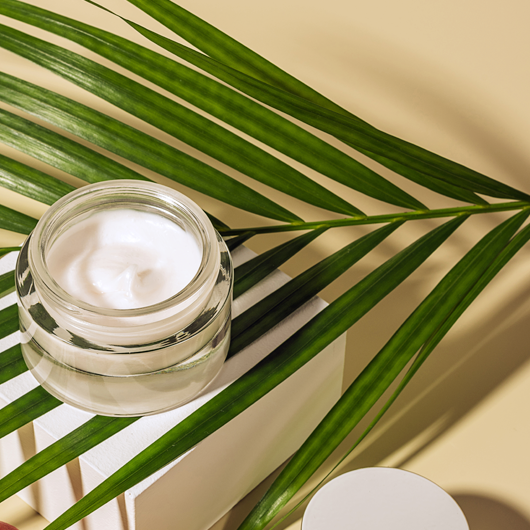


Recommended options for daily use on face and body.
Recommended options for daily use on face and body start with a simple foundation: gentle cleansing, consistent moisturizing, and broad-spectrum sunscreen on exposed skin. The right moisturizer depends on where you apply it, since facial skin and body skin can differ in oiliness, sensitivity, and texture.
Key Takeaways
- A daily routine built on gentle cleansing, steady moisturizing, and broad-spectrum sunscreen gives both face and body the protection they need.
- Facial skin and body skin behave differently, so the best moisturizer for one area may not suit the other.
- Oiliness, sensitivity, and texture all influence which clean formulation will work best on a given area of skin.
- Choosing products designed for specific areas helps you get better results without irritation or wasted steps.
At Skin Perfection, Kari Thomas brings training in natural preservation and organic cosmetic science to ingredient-focused skincare guidance. The recommendations below highlight daily care and the featured moisturizer, with transparent notes about what it is designed to do.
The Quick Answer: Recommended Options for Daily Use on Face and Body
What Your Skin Needs Every Day (and Why It Differs from Face to Body)
Your daily basics are a cleanser suited to your skin, a moisturizer that feels comfortable in the area where you apply it, and sunscreen for exposed skin. Facial skin may be more prone to visible oiliness or sensitivity, while body skin often needs moisture across a larger surface area. Your routine can stay uncomplicated: choose products according to how your skin feels and responds, not how many steps a label suggests.
Recommended Options for Daily Use on Face and Body: The Complete List
It is specially formulated for sensitive skin and suitable for all skin types. Its moisturizing ingredients include organic aloe juice, organic coconut oil, and olive oil, with antioxidants from organic green tea extract and pomegranate.
- Cleanse: Choose a gentle face cleanser that leaves skin comfortable rather than tight.
- Protect: Apply broad-spectrum sunscreen to exposed skin during daytime outdoor exposure.
The moisturizer contains 86% organic ingredients. It is paraben-free, phthalate-free, vegan, gluten-free, and fragrance-free. The product contains no chemicals, synthetic ingredients, toxins, emulsifying wax, added fragrance, or essential oils. It does not contain emulsifying wax. The product has an EWG score, but a specific value is not detailed.
Face vs. Body Skin: Why One Lotion Doesn't Fit All

How Facial Skin Differs from Body Skin (Thickness, Oil Glands, and Sensitivity)
Skin varies across the body. The face is regularly exposed to sunlight, weather, and skincare products, and some facial areas may be more sensitive or prone to blemishes. Body skin covers a broader area and can feel dry, particularly after bathing. These differences do not mean you must own separate products, but they make texture, comfort, and your individual skin response useful selection criteria.
Can You Use Body Lotion on Your Face? A Dermatology-Informed Answer
Sometimes, but suitability depends on the formula and your skin. A moisturizer labeled for sensitive skin and all skin types may be a reasonable option to test, while a rich or heavily scented lotion may not feel comfortable on facial skin. Patch test a new formula on a small area and stop use if irritation develops.
Face Cream vs. Body Lotion: A Side-by-Side Comparison
| Consideration | Face moisturizer | Body moisturizer |
|---|---|---|
| Where it is used | Face and other delicate areas, if directed | Arms, legs, and larger body areas |
| What to prioritize | Comfort, skin response, and a texture you can wear | Easy spreading and comfortable moisture over a broad area |
| Can one formula work for both? | Yes, if it suits your skin and feels comfortable in each area | |
Face cream and body lotion are categories, not guarantees that a formula will suit everyone in that area. Let your skin’s response guide you: persistent tightness may call for more moisture, while discomfort or irritation is a reason to stop and reassess.
Do You Need Separate Sunscreen for Face and Body?
Not necessarily. Choose a broad-spectrum sunscreen you can apply generously and comfortably to the areas exposed to daylight. A separate facial sunscreen may be useful if its texture feels better under makeup or is more comfortable for your face. The American Academy of Dermatology recommends about 2 tablespoons, roughly a shot glass, to cover exposed face and body skin.
Clean, Science-Backed Ingredients That Deliver Visible Anti-Aging Results
Peptides: Dermatologist-Strength Building Blocks for Firmer Skin
Peptides are short chains of amino acids that act as messengers in skincare formulas. Some are studied for their role in supporting the look of firmer, smoother skin, including by signaling processes associated with collagen. They are not all interchangeable: peptide type, concentration, and the rest of the formula shape how a product performs. Look for a formula that names its featured peptides rather than relying only on broad phrases such as “anti-aging complex.” Consistent use, alongside daily sun protection, is a practical way to assess how your skin responds.
Superfruit Antioxidants and Plant Stem Cells: Nature-Powered Protection
Antioxidants help defend skin from oxidative stress caused by environmental exposure. Green tea and pomegranate are examples of botanical sources used in skincare for their antioxidant content. Plant stem cell ingredients are also used in some formulas, but the ingredient name alone does not establish a specific result; consider the product’s intended use and available evidence.
Retinol: The Gold Standard for Wrinkle Reduction, Used Wisely
Retinol, a vitamin A derivative, is widely used in topical skincare to address visible signs of aging, including uneven texture and fine lines. It can cause dryness, redness, or peeling, particularly when introduced too quickly. Start with a low-frequency schedule, follow the product directions, and apply moisturizer to help support comfort. Retinol can increase sun sensitivity, so use it at night and wear broad-spectrum sunscreen during the day. If you are pregnant, nursing, or managing a skin condition, ask a qualified health professional before adding a retinoid.
How to Read Labels: Why EWG VERIFIED and Think Dirty Ratings Matter
Read the ingredient list and directions, then check what a certification or recognition actually represents. These signals can support ingredient transparency, but they do not guarantee that every formula will suit every person. It contains no chemicals, synthetic ingredients, toxins, emulsifying wax, added fragrance, or essential oils. Its EWG score is mentioned, but a specific value is not detailed.
Your Step-by-Step Daily Routine for Face and Body
Morning Routine: Cleanse, Treat, Protect
Keep morning care focused on comfort and protection. Cleanse your face with a gentle formula suited to your skin, then apply any treatment product according to its directions. Moisturize your face and body where needed. It can also serve as a base for serum boosters to support anti-aging care. Finish with broad-spectrum sunscreen on exposed skin; the American Academy of Dermatology recommends about 2 tablespoons, roughly a shot glass, to cover exposed face and body.
Evening Routine: Repair and Rejuvenate
At night, remove sunscreen, makeup, and daily buildup with a gentle cleanse. Apply a targeted treatment, such as retinol, only as directed and at a pace your skin tolerates. Follow with moisturizer on areas that feel dry or tight. The moisturizer is designed for daily use to hydrate skin, minimize fine lines, and rejuvenate the complexion. If a new active causes persistent irritation, pause it rather than layering on more products.
Order of Application: What Goes On First
Apply products from lighter textures to richer ones: cleanser, treatment serum, moisturizer, then sunscreen in the morning. At night, leave out sunscreen and follow the directions for any treatment. Allow each layer to settle before applying the next if that improves comfort. Avoid adding several new active ingredients at once; a simpler routine makes it easier to notice which products your skin tolerates.
How to Match Products to Your Skin Type (Dry, Oily, Combination, Sensitive)
Skin type can guide texture and frequency, but your day-to-day comfort matters too. Choose a mild cleanser that does not leave skin feeling stripped. Adjust moisturizer placement or amount based on how different areas feel, and introduce active ingredients gradually.
| Skin pattern | Routine adjustment |
|---|---|
| Dry | Use moisturizer after cleansing and focus on areas that feel tight. |
| Oily | Choose a comfortable, non-greasy texture and avoid over-cleansing. |
| Combination | Apply moisturizer more generously to dry areas and lightly elsewhere. |
| Sensitive | Introduce one new product at a time and stop if irritation develops. |
Application Frequency and Techniques for Best Results
Use cleanser and moisturizer according to your skin’s needs and the product directions. Apply moisturizer to clean skin with gentle, even strokes, and extend body care to areas that feel dry. Use sunscreen every day on exposed skin, reapplying according to its label, especially after swimming or sweating. Consistency helps you judge comfort and visible changes more clearly than frequent product switching.
Beyond the Bottle: LED Therapy and Building a Smarter Skincare Habit
How LED Therapy Complements Your Daily Anti-Aging Routine
LED therapy can be an at-home addition to a skincare routine, not a replacement for cleansing, moisturizing, or sun protection. Light devices vary in wavelength, intensity, treatment time, and instructions, so follow the manufacturer’s directions and use eye protection when advised. If you have a skin condition, take medication that increases light sensitivity, or are unsure whether a device suits you, check with a qualified health professional before use. The most practical approach is to treat LED as an optional habit: choose a device with clear instructions, use it consistently as directed, and pay attention to how your skin responds.
Why Expert-Formulated Products Outperform Mass-Market Options
Effective skincare starts with a clear purpose, well-chosen ingredients, and transparent directions. Kari Thomas is certified in natural preservation and organic cosmetic science, training that informs Skin Perfection’s ingredient-focused approach. These credentials offer useful context, but no certification can promise that a formula will suit every person. Read the label, consider your skin’s needs, and introduce new products with care.
It is specially formulated for sensitive skin and suitable for all skin types. It can also serve as a base for serum boosters to support your routine. Use it as directed, and let comfort and consistency guide your choices rather than adding steps without a clear purpose.
FAQs: Your Top Questions About Daily Face and Body Care Answered
Can one moisturizer work on both face and body? It can, if the formula is suitable for your skin and feels comfortable in each area. Patch test when trying it in a new area, and discontinue use if irritation develops.
Do you need an LED device for visible results? No. LED is optional, and a manageable routine matters more than owning extra tools. If you want to build a more considered routine, start with products that address your needs and follow their directions consistently.
Frequently Asked Questions
What can we apply on face daily?
Your daily basics are a gentle cleanser, a moisturizer suited to your skin, and broad-spectrum sunscreen on exposed skin.
What is a good skin routine for your face?
A good facial routine stays uncomplicated: cleanse with a gentle face wash that leaves skin comfortable rather than tight, moisturize with a formula that feels good where you apply it, and apply broad-spectrum sunscreen during daytime outdoor exposure. Let your skin's response guide product choices, not the number of steps a label suggests.
Can you use body lotion on your face?
Sometimes, but suitability depends on the formula and your skin. A moisturizer labeled for sensitive skin and all skin types may be reasonable to test, while a rich or heavily scented lotion may not feel comfortable on facial skin. Patch test any new formula on a small area and stop use if irritation develops.
Do you need separate sunscreen for face and body?
Not necessarily. A broad-spectrum sunscreen you can apply generously and comfortably to daylight-exposed areas works for both. A separate facial sunscreen may help if its texture feels better under makeup, and the American Academy of Dermatology recommends about a shot glass of sunscreen to cover exposed face and body skin.
What is the best moisturizer for daily use on face and body?
What product makes your face look younger?
Products with peptides and antioxidants can support the look of firmer, smoother skin. Peptides act as messengers studied for signaling processes associated with collagen, while antioxidants like green tea and pomegranate help defend skin from oxidative stress. Consistent use alongside daily sun protection is a practical way to assess how your skin responds.
How does facial skin differ from body skin?
Facial skin is regularly exposed to sunlight, weather, and skincare products, and some areas may be more sensitive or prone to blemishes. Body skin covers a broader surface and can feel dry, especially after bathing. These differences make texture, comfort, and your individual skin response useful selection criteria rather than requiring separate products.