

 Buy with Prime
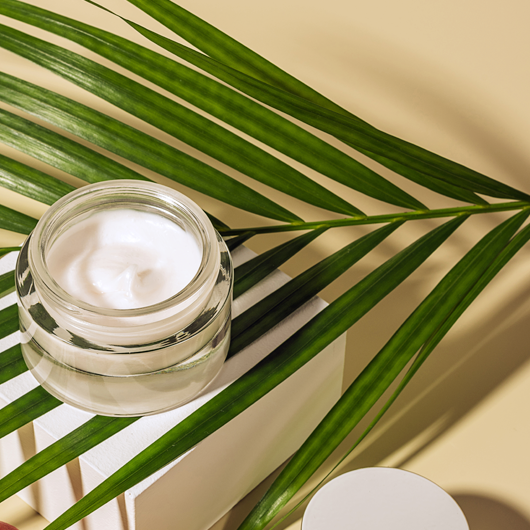


So, let's get right to it: what is transepidermal water loss?
At its core, it’s the constant, invisible movement of water from the deep layers of your skin up to the surface, where it simply evaporates into the air. This natural process is one of the most important clues to how well your skin barrier is doing its job.
The Secret Leak in Your Skin's Defense
Think of your skin's top layer like a high-tech raincoat. When it's in great shape, it keeps the good stuff—like essential moisture—locked in, leaving your skin looking plump, dewy, and hydrated.
But if that coat gets tiny, invisible tears, it starts to "leak" water out into the world. That slow, constant leak is Transepidermal Water Loss, or TEWL. A little bit of this is totally normal, but when it gets excessive, it’s a major red flag that your skin’s defenses are down.
When your barrier is compromised—whether from the environment, harsh products, or even your daily habits—TEWL speeds up. This is what causes that familiar tight, dry, or dull feeling. Your skin is literally losing moisture faster than it can hold onto it.
A Sign of a Compromised Barrier
Picture a sturdy brick wall. The bricks are your skin cells, and the mortar holding it all together is a rich mix of natural lipids like ceramides and fatty acids. When that wall is solid, it's nearly impenetrable. But if the mortar starts to crumble, gaps appear, and the whole structure weakens.
Excessive TEWL is like seeing those cracks in the wall. It’s a direct sign that the "mortar"—your skin's lipid matrix—is breaking down. This is what leaves your skin feeling rough and looking less than vibrant. Learning to spot the signs of increased water loss is the first step to supporting your barrier for a truly radiant complexion.
This idea is absolutely fundamental to understanding how skin works. If you want to go a bit deeper into your skin's structure and all its jobs, you can explore more about the function of skin in our detailed guide.
TEWL At a Glance
To make it super simple, here’s a quick breakdown of what TEWL really means for your skin day-to-day.
| Concept | What It Means for Your Skin's Appearance |
|---|---|
| It’s Always Happening | A constant, invisible process. The rate of water loss is what matters for hydration. |
| It Reflects Barrier Health | High TEWL is a direct sign of a weakened skin barrier that can't hold onto moisture. |
| It's Manageable | You can influence excessive water loss by supporting your barrier with the right ingredients and habits. |
Think of managing TEWL as the foundation of any good skincare routine. It's not just about adding moisture; it's about making sure that moisture stays put.
What This Means for Your Skin's Appearance
Getting a handle on TEWL helps you connect that feeling of dryness or tightness to what's actually happening on a biological level. It’s not just about splashing more water on your face; it's about reinforcing the barrier that keeps that water locked inside.
Here are the key takeaways:
- It’s a constant process: TEWL is always going on in the background. The real question is how fast it's happening.
- It reflects barrier performance: High TEWL is a direct signal that your skin's ability to retain moisture is struggling.
- It's entirely manageable: By giving your skin barrier the support it needs, you can slow down that excessive water loss and promote a hydrated, supple look that lasts.
Ultimately, getting TEWL under control is the secret to achieving a complexion that truly looks and feels beautiful from the inside out.
The Science Behind Your Skin's Protective Barrier
To really get what transepidermal water loss is all about, we need to take a closer look at your skin’s amazing natural design. The secret to that dewy, glowing look is all in your skin's outermost layer, the stratum corneum. It acts just like a well-built brick wall, and it's your first line of defense against the world.
Let's use an analogy. The "bricks" of this wall are your tough, dead skin cells, called corneocytes. But what holds it all together? That's the "mortar," a delicate, fatty blend of lipids—mostly ceramides, cholesterol, and fatty acids. This lipid matrix is the true, unsung hero of healthy-looking skin.
When this "mortar" is strong and intact, it does two things incredibly well. First, it keeps precious moisture locked deep inside your skin. Second, it seals out environmental irritants and pollutants. A well-maintained barrier means your skin looks plump, smooth, and feels comfortable.
The Brick and Mortar Analogy
This simple analogy is actually a perfect way to understand how your skin stays hydrated.
- The Bricks (Corneocytes): These are the flattened, protein-packed cells that give your barrier its structure and toughness. They provide the strength.
- The Mortar (Lipid Matrix): This is the glue holding everything together. Made of ceramides and other essential fats, it fills the spaces between the cells, making the barrier flexible and—most importantly—water-resistant.
When this lipid mortar gets depleted or damaged, tiny, invisible cracks start to form in your skin's wall. It's through these little gaps that your skin's water can evaporate right out into the air, which is exactly what leads to higher TEWL. This is why giving your skin the lipids it needs is a cornerstone of any good hydrating routine. If you want to dive deeper, our guide on how to strengthen your skin barrier has some great, practical tips.
This flowchart shows just how a healthy barrier keeps water in, while a compromised one lets it slip away.

As you can see, it's a straightforward relationship: a healthy barrier holds onto water, keeping skin hydrated, while a damaged one just can't, leading to that dry, tight feeling.
How Scientists Measure Water Loss
In a lab or clinical setting, transepidermal water loss isn't just an idea—it's something scientists can actually measure. In fact, it's considered the gold standard for evaluating how well the skin barrier is doing its job. This kind of precision is what helps formulators understand skin hydration on a truly scientific level.
Professionals use special probes to get an exact reading of the water vapor escaping from the skin's surface. This gives them clear, hard data on the state of the stratum corneum.
Transepidermal water loss (TEWL) is the measurement of water that passes from inside the body through the epidermal layer (skin) to the surrounding atmosphere. It’s measured in grams per square meter per hour (g·m⁻²·h⁻¹) and is a key indicator of skin barrier function.
For anyone creating custom skincare, seeing a measurable drop in TEWL is proof that a product is having a positive effect. It shows that the ingredients aren't just sitting on the surface; they're delivering real, quantifiable cosmetic benefits to the skin's barrier. Scientific studies show just how crucial this measurement is, and you can discover more insights about TEWL measurement yourself. This is exactly why using the right cosmetic ingredients to replenish that lipid "mortar" is a total game-changer for keeping skin hydrated and looking its best.
Everyday Factors That Increase Water Loss

While a little bit of transepidermal water loss is just part of your skin’s daily business, plenty of everyday things can kick this process into high gear. These are the culprits that assault your skin's "brick and mortar" barrier, causing it to lose precious moisture way too fast. The result? Skin that looks dull and feels uncomfortably tight.
The first step to getting a handle on your skin's hydration is figuring out what's working against it. Many of these triggers are things you run into every single day, from the air outside to what you do in your own bathroom. Once you can spot them, you can make small, smart changes to help your skin hold onto the moisture it needs.
Environmental Stressors on Your Skin
Your environment has a massive say in how much water your skin gets to keep. Think of it as a constant tug-of-war. When the air around you is dry, it’s going to try and pull moisture from wherever it can—and your skin is an easy target. This forces your barrier to work overtime just to keep hydration locked in.
There are a few key environmental players notorious for ramping up TEWL:
- Low Humidity: Whether you're in a dry climate or just cranking the indoor heat during winter, the air is thirsty for moisture. This creates a powerful pull, causing water to evaporate right off your skin.
- Wind and Cold: That biting winter wind does more than just feel cold; it can strip away the protective lipid layer right from your skin's surface. This erosion of your barrier's "mortar" leaves tiny gaps for moisture to escape.
- Sun Exposure: UV radiation is a major troublemaker. It sparks free radical damage that can affect the integrity of your skin cells and lipids. Over time, this cumulative damage can weaken your entire skin barrier, making it much less effective at holding onto water.
Protecting your skin from the elements is non-negotiable. If you're looking for tips on how to adjust your routine for the weather, our guide on seasonal skin protection to maintain moisture is a great place to start.
How Your Daily Habits Impact Water Loss
It’s not just the great outdoors you have to worry about. Your own daily habits can either fortify your skin barrier or accidentally tear it down. Some of the biggest culprits behind increased transepidermal water loss are lurking right in your own bathroom.
Take that long, hot shower, for instance. It might feel amazing, but the high temperature softens and melts away the essential lipids and oils that form your skin's protective seal. This can leave your barrier vulnerable to dehydration the second you step out of the steam.
The products you use are just as important. Harsh, high-pH cleansers packed with aggressive surfactants can be especially disruptive to your skin's peace.
These types of cleansers are fantastic at removing dirt and oil, but they don't know when to stop. They can strip away your skin's natural lipids—the very stuff you need for a strong, water-retaining barrier—leaving you feeling "squeaky clean" but also tight, dry, and compromised.
Over-Exfoliation and Chemical Exposure
We love exfoliation for buffing away dead cells and revealing brighter skin, but it's a classic case of "too much of a good thing." Over-exfoliating, whether with gritty physical scrubs or potent chemical exfoliants, wears down the top layer of the stratum corneum faster than your skin can rebuild it. You're essentially thinning out your protective wall, making it incredibly easy for water to leak out.
Beyond your skincare shelf, exposure to certain chemicals can have a dramatic impact on barrier function. Research has shown that what you do for a living can even influence your TEWL levels. Working with chemical substances, for instance, has been shown to significantly affect the skin's ability to hold moisture, with TEWL being highly dependent on the specific location and type of exposure.
By simply being aware of these common triggers, you can start making smarter choices for your skin. Even small tweaks—like turning down the water temperature or switching to a gentler cleanser—can make a world of difference in supporting your skin barrier and keeping your complexion beautifully hydrated.
How Water Loss Affects Skin Aging and Appearance
Ever wondered why a plump grape shrivels into a raisin? It's all about water loss. Your skin isn't so different. When your skin loses its hydration, signs of aging can suddenly look much more prominent, and this goes way beyond simple dryness. Elevated transepidermal water loss (TEWL) is a major player in how your skin looks, feels, and ages over time.
When your skin is constantly losing that precious moisture, it's like a balloon that's slowly leaking air. It's still there, but it looks softer and shows more creases. Dehydrated skin just doesn't have the bounce-back and plumpness of well-hydrated skin, which is why fine lines and wrinkles can suddenly appear more pronounced and etched-in.
This happens because the water content in your epidermis literally helps to fill out your skin from the inside, keeping the surface smooth and full. When TEWL is high, that internal hydration gets zapped, leading to a loss of natural volume. The skin's surface can start to look slack, making existing lines much more obvious.
A Weaker Defense Against Aging
It's not just about making lines look deeper. A compromised barrier and high TEWL essentially leave your skin's front door wide open. A healthy-looking skin barrier isn't just for holding in moisture; it's your first line of defense against all the environmental junk that contributes to aging.
Think of it like a castle with a crumbling wall. It's not just leaky—it’s also much easier for invaders to get inside. When your skin barrier is struggling:
- Environmental Aggressors Get In: Pollutants, irritants, and other grime can sneak past your weakened defenses, putting stress on the skin.
- Skin Becomes More Reactive: A barrier that’s constantly losing water is often more sensitive. This can show up as redness, irritation, or that general feeling of discomfort.
- The Effects of UV Exposure Can Seem Magnified: While nothing replaces sunscreen, a healthy barrier is a crucial part of your skin's natural defense system against daily environmental challenges.
This constant state of high alert taxes your skin's resources, pulling them away from important jobs like maintaining its appearance. It's easy to see why keeping water loss in check is so critical for keeping your skin looking its best.
The Foundation for Youthful-Looking Skin
When you put it all together, it’s clear that managing what is transepidermal water loss is a foundational step in any skincare routine focused on a youthful appearance. It's not a side issue; it's the very bedrock on which powerful cosmetic ingredients can do their best work. Potent actives simply perform better on skin that is calm, hydrated, and resilient.
Supporting your skin barrier isn't just about managing dryness. It is a proactive strategy to help your skin maintain a supple, smooth, and radiant look for years to come. A well-hydrated barrier is a resilient one.
By focusing on keeping your skin's moisture barrier intact, you create the optimal environment for your skin to thrive. This helps ensure it looks plump and smooth, all while allowing your other skincare products—from serums with peptides to rich moisturizers—to deliver their full cosmetic benefits. Ultimately, a balanced TEWL is your secret weapon for achieving and maintaining that beautifully hydrated, ageless glow.
Building a Skincare Routine to Minimize Water Loss

Knowing the science behind transepidermal water loss is one thing, but putting that knowledge into practice is what truly creates beautiful, healthy-looking skin. Think of your routine as assembling a team of specialists, each with a specific job to help your skin barrier lock in precious hydration. The goal isn’t complicated: cleanse gently, layer on the moisture, and then seal everything in tight.
A smart routine always moves from the lightest, water-based products to the richest, most substantial ones. This simple layering method ensures every product gets absorbed properly before you apply that final protective seal. It’s your game plan for a hydrated, plump, and radiant complexion.
The Four Core Steps For a Hydrated Look
You don’t need a complicated, ten-step routine to support your skin barrier. In my experience, focusing on these four core steps can make a massive difference in how hydrated and comfortable your skin feels. Each one plays a unique role in managing TEWL and making your skin glow.
-
Gentle Cleansing: Always, always start with a mild, pH-balanced cleanser. Harsh, stripping soaps are your skin barrier's worst enemy—they wash away the essential lipids that hold everything together. A gentle formula cleanses without compromising your skin's natural defenses.
-
Layering Hydration: Right after cleansing, while your skin is still a bit damp, it's time for a hydrating toner or essence. Think of this as giving your thirsty skin a big drink of water. These lightweight liquids are packed with humectants that kickstart the hydration process.
-
Applying a Serum: Next up is a concentrated serum. This is where you bring in the heavy hitters like Hyaluronic Acid or Glycerin to pull moisture deep into the skin's surface, creating that coveted plump, dewy effect.
-
Sealing with a Moisturizer: This last step is absolutely non-negotiable for minimizing water loss. A great moisturizer will have both emollients to soften the skin and occlusives to create a breathable film over the surface, locking in all the good stuff you just applied.
Building a robust routine can feel overwhelming, but plenty of skin care expert tips are available to guide you on strengthening your barrier function for overall skin health.
The Roles of Humectants and Occlusives
To really get why this routine works, you need to understand two key types of ingredients: humectants and occlusives. They’re the dynamic duo for keeping your skin dewy and hydrated.
Imagine your skin is a dry sponge. A humectant is like dipping that sponge in water; it draws moisture in. Famous humectants like Glycerin and Hyaluronic Acid are masters at pulling water molecules from the air and the deeper layers of your skin right to the surface.
Now, an occlusive is like wrapping that damp sponge in plastic wrap to keep it from drying out. Ingredients like Shea Butter or even Dimethicone form a physical barrier on your skin, dramatically slowing down TEWL. The best moisturizers will always have both.
A complete barrier-support routine gives skin what it needs to look hydrated and then makes sure that hydration sticks around. It’s a two-part strategy of adding moisture and then locking it down.
The right products can make a measurable difference. We know that pollution, for instance, can spike TEWL. But targeted skincare can provide cosmetic benefits. Some studies have shown that the right formulations can achieve a water loss reduction of −5.18 g·m⁻²·h⁻¹ from baseline, which is a significant improvement.
Lifestyle Adjustments For Extra Support
Beyond what’s in your bathroom cabinet, a few simple lifestyle tweaks can give your skin’s hydration levels an extra boost. For starters, try running a humidifier in your bedroom, especially during dry winter months. It adds moisture back into the air, which means the air is less likely to pull it from your skin.
Another small but mighty change? Always wash your face with lukewarm water, not hot. Steaming hot water feels nice, but it can strip away your skin's natural lipid barrier. For more foundational knowledge on putting these steps together, you can always check out our guide on building a skincare routine for beginners.
Key Ingredients for a Stronger Skin Barrier
Choosing the right ingredients is everything when it comes to supporting your skin barrier. This is true whether you’re a DIY formulator perfecting a new lotion or just a savvy shopper trying to decipher a product label. To really get a handle on transepidermal water loss, it helps to think of your ingredients like a team. Each player has a unique skill, and when they work together, they build an unbeatable defense for your skin.
We can group these skincare powerhouses into a few key categories. Once you understand them, you can make smarter choices for a resilient, hydrated-looking complexion.
The Hydration-Boosting Trio
To build a formula that truly tackles TEWL, you need ingredients that can attract, soften, and seal moisture into the skin. This classic trio of humectants, emollients, and occlusives works in perfect harmony, with each one playing a distinct but complementary role.
- Humectants: The Water Magnets. These are like little sponges. They actively grab water molecules from the air and pull them into the top layers of your skin. They are your first line of defense for boosting hydration from the inside out.
- Emollients: The Surface Smoothers. These are the oils and lipids that soften and smooth your skin’s texture. They work by filling in the tiny gaps between skin cells, giving your skin that supple, flexible feel.
- Occlusives: The Protective Seals. These ingredients create a lightweight, breathable film over your skin’s surface. This protective layer is the key to slowing down water loss, effectively locking in all the moisture that the humectants attracted.
If you’re interested in diving deeper into this category, you can learn more about natural humectants for skin in our detailed article. Getting to know these water-attracting wonders is a fantastic step in your formulation journey.
Key Ingredients to Minimize TEWL
Knowing the categories is one thing, but you also need to spot the actual ingredients on a label. Here’s a quick-reference table of some of the most effective ingredients for supporting a healthy skin barrier.
| Ingredient Category | Primary Function in Skincare | Examples |
|---|---|---|
| Humectants | Attract and bind water to the skin's surface. | Hyaluronic Acid, Glycerin, Sodium PCA, Panthenol |
| Emollients | Soften, smooth, and improve skin texture. | Squalane, Jojoba Oil, Caprylic/Capric Triglyceride |
| Occlusives | Form a protective layer to minimize water loss. | Shea Butter, Dimethicone, Beeswax |
| Barrier Supporters | Directly replenish or support the "mortar" of the skin. | Ceramides, Peptides (e.g., Matrixyl 3000), Fatty Acids |
A well-formulated product will almost always feature ingredients from several of these categories. For example, a great moisturizer might use glycerin to hydrate, squalane to soften, and a touch of shea butter to seal it all in for lasting comfort.
Advanced Ingredients for Barrier Support
Beyond the foundational trio, there are some incredible cosmetic ingredients that offer more targeted support for a beautifully resilient skin barrier. These are fantastic additions for anyone creating high-performance skincare or looking for products with truly sophisticated formulas.
Ceramides are a standout because they are skin-identical lipids. They directly replenish the "mortar" holding your skin cells together, reinforcing the barrier's structure to help it retain moisture more effectively. Think of it as patching the tiny holes in your skin's protective wall.
Another powerhouse group is peptides. Specific peptides, like Matrixyl 3000, act as signaling molecules that support your skin’s own natural processes. By supporting the skin's matrix, they help maintain a firm, plump, and healthy appearance, which goes hand-in-hand with a strong, well-functioning barrier.
By including these advanced ingredients, you can find or create products that offer truly remarkable support for a hydrated, radiant look.
Frequently Asked Questions About Transepidermal Water Loss
Diving into the science of transepidermal water loss can bring up some very practical questions. Let's tackle a few of the most common ones to help you connect this knowledge to your everyday skincare routine.
Can I Completely Stop Transepidermal Water Loss?
No, and you really wouldn't want to. A certain amount of TEWL is a totally normal, healthy process. It's a sign that your skin is alive and functioning. The goal isn’t to stop it cold, but to keep it at a healthy, balanced level.
Think of it like this: your skin needs to breathe. Trying to eliminate TEWL entirely would be like putting your skin in a plastic bag—suffocating and unhealthy. A balanced rate of water loss is the sweet spot for a comfortable, well-maintained barrier.
The aim isn't to create an impermeable, plastic-wrap seal on your skin. It's about supporting your skin's natural ability to hold onto moisture effectively. That balance is the real secret to a radiant, happy complexion.
How Long Does It Take to Improve My Skin Barrier's Appearance?
Patience is key here. Improving your skin barrier's appearance is a gradual journey, not an overnight fix. With a consistent, gentle routine that focuses on hydration and barrier support, most people start to see and feel a difference in their skin's texture and moisture levels within 2 to 4 weeks.
But if your skin has been compromised for a while, it might take a bit longer to see those visible results. Stick with it! Consistency is your most powerful tool.
Does Drinking More Water Reduce TEWL?
This is a big one, and the answer often surprises people. While staying hydrated is absolutely essential for your overall health and supports your skin from the inside out, its direct effect on TEWL is pretty limited.
You can drink gallons of water, but if your skin's barrier—your 'raincoat'—is leaky, that precious moisture is still going to evaporate right off the surface.
The most direct and effective way to manage TEWL is through your topical skincare. Using products packed with ingredients that support and beautify your skin barrier is the best strategy for locking that surface hydration in place.
At Skin Perfection, we're passionate about empowering you with the knowledge and ingredients to achieve beautifully hydrated skin. Explore our collection of high-performance peptides, pure plant-derived ingredients, and DIY supplies to build a routine that supports your skin’s natural strength. Visit naturalorganicskincare.com to find the perfect ingredients to support your skin barrier.