

 Buy with Prime
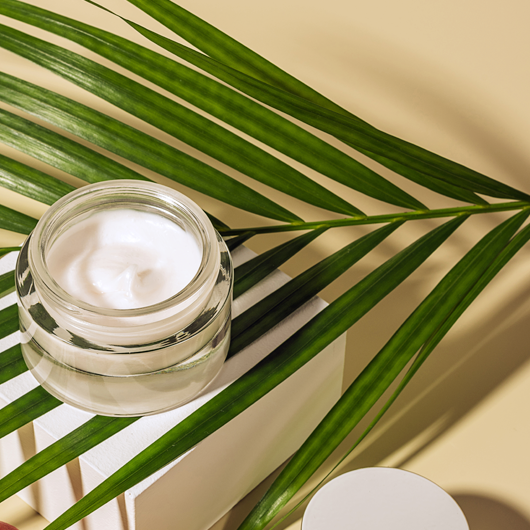


best 10% Glycolic Moisturizer with Alpha Hydroxy Acid 2026
The best 10% glycolic moisturizer pairs a clearly labeled acid concentration with a supportive moisturizing base and practical directions. Glycolic acid can smooth the look of rough texture and dullness, but comfort depends on the full formula, your skin’s condition, and how often you apply it.
Key Takeaways
- Effective glycolic acid moisturizers require a clearly labeled concentration paired with a hydrating base to maintain skin comfort.
- Smoothing rough texture and reducing dullness depends on the complete formula rather than the acid alone.
- Your specific skin condition and application frequency determine how well you tolerate this active ingredient.
What is a 10% glycolic moisturizer with alpha hydroxy acid?
A 10% glycolic moisturizer combines glycolic acid, a water-soluble alpha hydroxy acid, with ingredients designed to soften and hydrate the skin. Glycolic acid loosens bonds between dead surface cells, helping the complexion look smoother and more even.
A 10% formula may sting or cause redness and peeling, especially when used too often. Dry, reactive, recently waxed, or freshly shaved skin may need more time before using an exfoliating product. Skin Perfection’s alpha hydroxy acid collection offers additional options for comparing formulas.
What benefits can a 10% glycolic moisturizer provide?

With consistent, comfortable use, a glycolic moisturizer may improve the look of rough patches, dullness, and uneven texture. The moisturizing base can also reduce the tight feeling that sometimes follows exfoliation. A mild tingle may occur; persistent burning is a reason to stop and reassess your routine.
Glycerin and sodium hyaluronate bind water. Emollients soften the skin’s surface, while occlusives help reduce moisture loss. These ingredients don’t perform the exfoliating work of glycolic acid, but they can support a more comfortable formula. For cleansing before an acid product, consider a chirally correct alpha hydroxy probiotic cleanser.
Skin Perfection’s 10% Glycolic Moisturizer with Alpha Hydroxy Acid is intended for nighttime use. The formula contains glycolic acid, collagen, glucosamine, honeysuckle, fructooligosaccharides, allantoin, aloe, witch hazel, vitamin A, vitamin E, and lemon. It is paraben-free, sulfate-free, cruelty-free, made in the USA, and was a 2025 Think Dirty Awards Finalist.
How should you choose a 10% glycolic moisturizer?
Choose a product with a transparent ingredient list, clear directions, and a base suited to your skin. The label should identify glycolic acid rather than hiding the active behind a vague acid blend. If the brand provides pH information, review it alongside the concentration and recommended contact time.
1. Check the active and supporting formula
Glycerin, aloe, panthenol, ceramides, beta-glucan, and sodium hyaluronate may help skin feel supple during an exfoliating routine. Skin Perfection’s Sodium Hyaluronate Powder Pure Hyaluronic Acid is a separate cosmetic ingredient for custom formulations, not a direct substitute for a low-pH glycolic moisturizer.
2. Begin with a manageable schedule
- Apply the moisturizer according to its directions on clean, dry skin.
- Start with one or two evenings each week rather than daily use.
- Pause if you notice persistent redness, burning, tenderness, or peeling.
- Wear broad-spectrum sunscreen during the day.
The strongest routine is the one your skin can tolerate and you can maintain. More frequent application isn’t automatically better.
What are alpha hydroxy acids?
Alpha hydroxy acids, or AHAs, are water-soluble acids used to loosen dead surface cells and improve the look of skin texture. Common AHAs include glycolic, malic, tartaric, and lactic acid. Their effects depend on concentration, pH, contact time, and frequency of use.
- Glycolic acid is commonly derived from sugarcane and is used to improve the appearance of dullness and uneven texture.
- Malic acid is associated with apples and appears in cosmetic products such as lotions and gels.
- Tartaric acid is associated with grapes and contributes antioxidant properties in cosmetic formulas.
- Lactic acid is associated with milk and is used in exfoliating masks, lotions, and body products.
AHAs appear in cleansers, serums, peels, exfoliants, and moisturizers. If your skin is sensitive, introduce one exfoliating product at a time and seek professional guidance for persistent irritation.
References
- ncbi.nlm.nih.gov/pmc/articles/PMC3537930/
Frequently Asked Questions
What is a 10% glycolic moisturizer for 2026?
One option is a moisturizer that combines a clearly stated 10% glycolic acid concentration with moisture-supporting ingredients and practical usage directions.
Can I use a 10% glycolic moisturizer every day?
Some experienced users may tolerate frequent application, but daily use should not be the starting point. Apply the moisturizer on one or two evenings each week, then observe your skin for persistent redness, tightness, peeling, tenderness, or burning. Morning sunscreen is part of the routine.
Will 10% glycolic acid irritate my skin?
It can, particularly if you begin too often, apply too much, combine several active ingredients, or use it on compromised skin. Patch testing offers useful information, though it cannot guarantee that a full-face application will be comfortable.
What should I look for besides glycolic acid?
Search for ingredients that support water retention and the skin barrier, such as glycerin, aloe, panthenol, ceramides, beta-glucan, and sodium hyaluronate. Clear directions should explain application frequency, patch testing, storage, and sun protection.
Can Sodium Hyaluronate Powder Pure Hyaluronic Acid replace glycolic acid?
No. Sodium Hyaluronate Powder Pure Hyaluronic Acid is a separate hydration ingredient, not an exfoliating alpha hydroxy acid. It can support a skincare formula, but it does not provide the surface-cell exfoliation associated with glycolic acid.