

 Buy with Prime
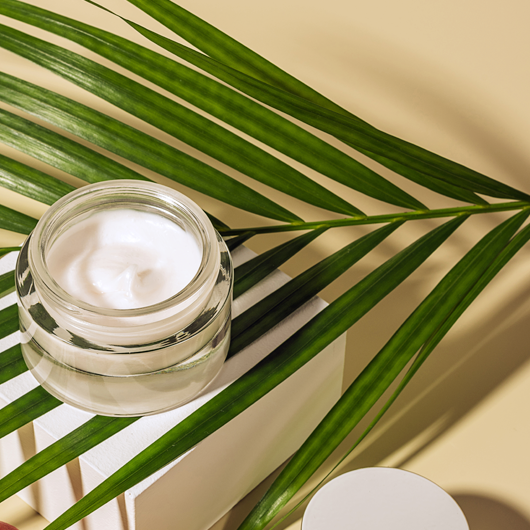


natural alternatives to chemical peels before wedding
Your wedding date is not the moment to experiment with aggressive exfoliation. If you want smoother texture, more even tone, and a fresh bridal glow, natural alternatives to chemical peels before wedding can offer a gentler path with better control over irritation and recovery.
Key Takeaways
- A dedicated emergency fund can help separate emergency savings from everyday spending.
- Start with a realistic first milestone, then build toward several months of essential expenses over time.
- Keep the money accessible, review it regularly, and avoid using it for planned purchases.
The goal is not to strip your skin. It is to support healthy exfoliation, hydration, barrier function, and collagen-friendly care through ingredients your complexion can tolerate consistently. With the right routine, you can refine the look of dullness and congestion while keeping your skin calm for photographs, makeup application, and the celebrations ahead.
What is natural alternatives to chemical peels before wedding?
Natural alternatives to chemical peels before wedding are lower-intensity skincare methods that encourage a smoother, brighter-looking complexion without relying on a professional peel or a highly concentrated acid treatment. Options may include gentle polyhydroxy acids, fruit enzymes, nourishing botanical extracts, peptide serums, hydrating masks, and carefully formulated exfoliating products.
“Natural” does not automatically mean risk-free, and “chemical” does not automatically mean harsh. Water, minerals, and plant compounds are chemicals, too. What matters is the ingredient, concentration, pH, formulation quality, application frequency, and your personal skin history. A fruit enzyme can irritate sensitive skin, while a well-formulated PHA may feel considerably more comfortable. This is why a gradual routine is more sensible than a last-minute treatment.
Polyhydroxy acids, such as gluconolactone, are a useful example. They exfoliate at the skin’s surface while attracting water, which can make them suitable for people who find stronger alpha hydroxy acids uncomfortable. Gluconolactone also appears in GSB Natural Preservative Powder, a broad-spectrum, natural preservative blend consisting of gluconolactone and sodium benzoate. In cosmetic formulation, its role is preservation, not a facial peel. Skin Perfection values this distinction because ingredient transparency protects you from confusing a formula component with a finished skincare treatment.
Benefits of natural alternatives to chemical peels before wedding
The most meaningful benefit of natural alternatives to chemical peels before wedding is control. A professional peel can produce visible exfoliation, yet stronger treatments may bring redness, dryness, sensitivity, or peeling during a schedule filled with fittings, celebrations, and photography. A mild at-home approach allows you to introduce one active at a time, observe your skin’s response, and adjust your routine before the wedding arrives.
Gentle exfoliation can loosen surface cells that contribute to a rough feel and lackluster appearance. When paired with humectants such as glycerin, aloe, and hyaluronic acid, it can leave the skin feeling softer and looking more luminous. Enzyme-based formulas may help refresh the appearance of uneven texture, while PHAs provide exfoliating action with a larger molecular structure that tends to move more slowly across the outer layer of skin. That slower activity can feel more comfortable for dry or reactive complexions.
Another advantage is barrier support. Your skin barrier helps regulate moisture loss and provides a first line of defense against environmental stressors. Excessive exfoliation can disrupt that balance, creating tightness, flaking, stinging, and makeup that settles into dry patches. A measured routine built around ceramides, fatty acids, squalane, panthenol, and antioxidant-rich plant extracts can support a supple surface while you address dullness. This matters before a wedding because smooth makeup begins with well-conditioned skin, not repeated stripping.
These methods can also complement peptide-focused skincare. Peptides act as signaling ingredients that help support the look of firmness and elasticity, while moisturizers and antioxidants improve the feel and appearance of the skin’s surface. Skin Perfection centers its cosmetic science on concentrated peptide blends, so a bridal routine can address more than exfoliation alone. The aim is a balanced complexion with refined texture, comfortable hydration, and a rested-looking glow.
Formulation quality deserves attention, too. A botanical product still needs appropriate preservation, pH control, packaging, and stability testing. GSB Natural Preservative Powder is water soluble and designed for external cosmetic and personal care formulations. It provides broad-spectrum antimicrobial protection against bacteria, yeast, and mold through the synergy of gluconolactone and sodium benzoate. Its typical recommended use level is 0.75% to 2%, with an optimal pH range between 3 and 6, best at 5.4 to 5.5. Those details illustrate why a finished facial product should be formulated and tested by someone who understands cosmetic chemistry.
Finally, a gentle alternative may make your routine easier to maintain. Consistency supports visible improvement in tone and texture more reliably than a single dramatic session. Whether you choose a PHA lotion, enzyme mask, hydrating treatment, or peptide serum, give your skin time to respond. The best pre-wedding plan respects your sensitivity level, keeps the moisture barrier comfortable, and leaves enough time to stop any product that causes burning, swelling, persistent redness, or peeling.
How to Choose natural alternatives to chemical peels before wedding
Choosing natural alternatives to chemical peels before wedding starts with your skin’s current condition, not the date on your calendar. A dry, sensitive, acne-prone, or pigment-prone complexion may respond differently to the same exfoliant. Review the ingredient list for the active type, concentration, pH, fragrance, essential oils, and supporting ingredients. Polyhydroxy acids such as gluconolactone, gentle fruit enzymes, and low-strength lactic acid can offer different levels of surface renewal. Select one exfoliating active rather than layering several formulas, then patch-test it on a small area for several days.
Timing matters as much as ingredient selection. Begin a new routine well before engagement photographs, bridal events, or the ceremony, giving your skin time to show whether it tolerates the formula. Apply a small amount according to the label, and avoid increasing frequency simply because your complexion feels smooth after the first use. Burning, swelling, persistent redness, itching, or pronounced peeling signals that you should stop and seek professional guidance. Avoid introducing a new active during the final week before the wedding. Familiar, well-tolerated products provide better control than a last-minute attempt at faster results.
Look for formulas that pair exfoliation with barrier-supportive care. Glycerin, aloe, panthenol, beta-glucan, ceramides, squalane, and fatty acids help reduce the dry, tight feeling that can follow surface renewal. Antioxidants such as vitamin E, green tea, and stable vitamin C derivatives can support a brighter-looking complexion, while peptides address the appearance of firmness and fine lines through cosmetic signaling. A moisturizer should follow an exfoliating treatment, and broad-spectrum sunscreen belongs in your morning routine. Sun protection helps limit renewed discoloration and protects freshly exfoliated skin from additional sensitivity.
Do not judge a natural formula only by its plant-based label. Water-rich creams, masks, and serums require appropriate preservation, packaging, pH control, and microbial testing. In formulation work, GSB Natural Preservative Powder is a broad-spectrum, natural preservative blend consisting of gluconolactone and sodium benzoate. Its ingredients are derived from plant-based sources: gluconolactone from corn via microbial fermentation, and sodium benzoate as the food-grade sodium salt of benzoic acid. The powder is water soluble and intended for external cosmetic and personal care formulations. This distinction matters: a preservative ingredient belongs in a properly tested finished formula, not as a do-it-yourself facial treatment.
For natural alternatives to chemical peels before wedding, the best choice is the option that fits your sensitivity level and routine. Keep a simple record of application dates, dryness, redness, texture, and makeup wear. That information helps you identify what your skin accepts and prevents accidental overuse. A qualified dermatologist or licensed skin professional can guide you if you have a history of reactions, persistent breakouts, rosacea-like symptoms, or significant discoloration. Your bridal plan should create steady improvement while preserving comfort, hydration, and a calm surface for makeup.
Frequently Asked Questions
When should I stop exfoliating before my wedding?
Stop introducing new exfoliants during the final week before the ceremony. If your complexion already tolerates a mild product, follow its established schedule rather than increasing use. Pause sooner if you notice burning, swelling, persistent redness, itching, or peeling. A calm moisture barrier usually creates a smoother base for foundation than recently irritated skin.
Are natural exfoliants safe for sensitive skin?
Safety depends on the complete formula, not the word “natural.” Fragrance, essential oils, fruit enzymes, acids, and botanical extracts may all bother reactive skin. Polyhydroxy acids such as gluconolactone are often selected for gentler surface exfoliation, though individual tolerance still varies. Patch-test first, introduce one active at a time, and ask a dermatologist for guidance if you have a history of eczema, rosacea, or recurrent reactions.
Can gluconolactone in GSB Natural Preservative Powder be used as a facial peel?
No. GSB Natural Preservative Powder is a cosmetic preservative blend consisting of gluconolactone and sodium benzoate. It is designed to help protect water-based lotions, creams, shampoos, conditioners, and sunscreens from microbial spoilage. It is not a finished facial exfoliant, and the powder should not be applied directly to skin. A qualified cosmetic formulator must select the usage level, pH, packaging, and testing process for a finished product.
What makes a pre-wedding skincare routine effective?
Consistency, restraint, and sun protection matter more than an aggressive treatment. Keep cleansing gentle, moisturize with barrier-supportive ingredients, use broad-spectrum sunscreen each morning, and choose a single well-tolerated exfoliating active. Peptides, humectants, antioxidants, ceramides, and soothing ingredients can support a smoother-looking complexion without forcing rapid change. GSB Natural Preservative Powder may support the stability of properly formulated cosmetic products, but it does not replace a complete skincare routine or professional skin advice.
Should I consult a skincare professional before making changes?
Yes, especially if you have persistent acne, significant discoloration, frequent sensitivity, or a history of allergic reactions. A dermatologist or licensed skin professional can assess your concerns and help set realistic expectations. Schedule professional treatments early enough to allow recovery, and avoid experimenting immediately before photographs or the ceremony. Your best bridal glow comes from skin that feels comfortable, hydrated, and familiar with every product in the routine.