

 Buy with Prime
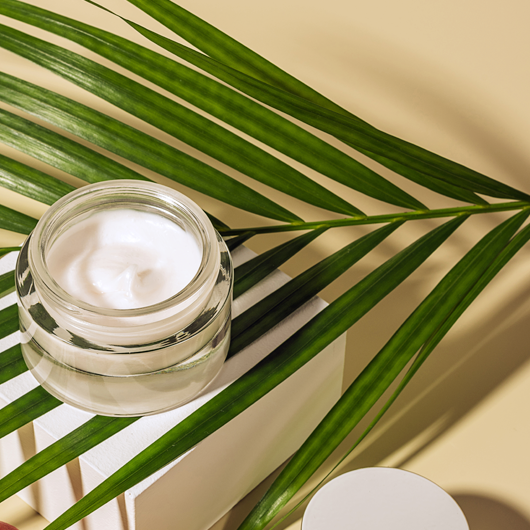


Compare peptide serums to vitamin C for firmness?
Compare peptide serums to vitamin C for firmness? The useful distinction is how each ingredient supports your skin: peptides can send signals associated with collagen production, while vitamin C supports collagen synthesis as a required cofactor and helps defend skin against oxidative stress. For a firmness-first choice, peptides take the lead; vitamin C is a valuable supporting act.
Key Takeaways
- Peptide serums are the stronger choice when firming skin is your main goal because they signal your skin to build collagen.
- Vitamin C plays an essential supporting role by acting as a required cofactor for collagen synthesis, so skin needs it to complete the process peptides kick off.
- Vitamin C also shields skin from oxidative stress, which helps protect the firmness you work to build.
- Using both ingredients together gives you a signal plus support strategy for firmer, more resilient skin over time.
You don’t have to choose one ingredient forever. The right pick depends on your priority, your skin’s tolerance, and the formula in the bottle. Here’s what the science can tell us and which product details deserve your attention.
Peptides vs. Vitamin C for Firmness: The Short Answer
Firmness verdict: Peptides are the more direct choice for signaling support associated with collagen production. Vitamin C supports collagen synthesis indirectly and offers antioxidant benefits, so it can complement a peptide-focused routine rather than replace it.
Which Ingredient Directly Signals Collagen for Tighter Skin?
Peptides are short chains of amino acids. Certain cosmetic peptides are designed to act as messengers, signaling processes associated with skin structure and collagen. Matrixyl, also called palmitoyl pentapeptide, has been studied for its effects on the appearance of wrinkles with consistent use. Copper peptides are another peptide group used in skincare, though results depend on the specific ingredient, formula, and regular use.
Vitamin C works by a different route. It is a required cofactor in collagen synthesis, supporting the process rather than signaling collagen production in the same direct way. It also acts as an antioxidant. That makes it useful for overall skin quality, but peptides have the more direct rationale for firmer-looking skin.
How We Evaluated Both Ingredients for Firmness
I’m Kari Thomas, and I approach skincare as a formulator: the ingredient name matters, but so do its role, stability, and the finished formula. This comparison focuses on firmness-related mechanisms, not which ingredient is better for every skin concern. A serum’s delivery system and preservation also matter, since an unstable active may not perform as intended.
Compare peptide serums to vitamin C for firmness? Check whether the formula identifies its active ingredients clearly and fits your skin’s tolerance. L-ascorbic acid can oxidize with exposure to light and air; derivatives such as SAP and THD ascorbate are generally more stable options. I look for transparent ingredient information rather than unsupported promises of a particular concentration or result.
Top Picks Compared: The Best Peptide Serums and Vitamin C Serums for Firmness

For a firmness-first routine, begin with a peptide-focused formula. Vitamin C earns its place when antioxidant support and a brighter-looking complexion matter alongside collagen support. Formula details can vary, so check the current ingredient label instead of assuming a product contains a specific peptide, vitamin C form, concentration, or pH.
| Option | Firmness role | What to check | Best fit |
|---|---|---|---|
| Peptide-focused moisturizer | Signals associated with collagen and skin structure | Named peptides and complete product information | Firmness as the primary goal |
| Vitamin C serum | Supports collagen synthesis as a cofactor; antioxidant activity | Vitamin C form, packaging, and signs of oxidation | Collagen support alongside tone and brightness goals |
| Peptides plus vitamin C | Pairs direct peptide signaling with vitamin C support | Formula compatibility and personal tolerance | Those seeking complementary ingredient roles |
#1: Skin Perfection Peptide Firming Serum (Best Overall for Direct Firming)
Best for: Making peptide support the focus of a firmness-first routine. The clearest product information available here supports the Ageless Advanced Peptide Moisturizer, an advanced peptide moisturizer. It contains four scientifically backed peptides: Matrixyl Synthe'6, Ten's Up, Syn-Coll, and DMAE. Those peptides are included for their anti-aging properties, making this moisturizer the strongest fit among the specified Skin Perfection options for readers prioritizing peptide care.
Look for named ingredients on a product label rather than relying on a broad “firming complex” claim. Matrixyl, Argireline, and copper peptides are distinct names that may appear in peptide skincare, but their presence should not be assumed without checking the exact formula. No verified concentration or serum-specific formula details are available here, so I won’t invent them.
#2: Skin Perfection Vitamin C + Superfruit Antioxidant Serum (Best AM Brightening and Collagen Support)
Best for: Readers who want antioxidant support and a brighter-looking complexion while supporting collagen synthesis. Vitamin C is not a direct peptide substitute for firmness. L-ascorbic acid is a well-known form, though exposure to light and air can contribute to oxidation. SAP and THD ascorbate are vitamin C derivatives often considered for improved stability. Check the product’s label for its form and packaging; the specific composition and pH of this named serum are not verified here.
#3: Skin Perfection Peptide + Vitamin C Duo Routine (Best Combined Results)
Best for: Someone who wants both peptide signaling and vitamin C’s supporting role in collagen synthesis. This is a complementary ingredient strategy, not proof that two products will suit every complexion. The Ageless Advanced Peptide Moisturizer provides the peptide-focused option described above; confirm the vitamin C product’s form and ingredients separately before pairing products.
Choose the peptide option when structural firmness is your leading concern, and consider vitamin C for added antioxidant and tone support. Using both can make sense, but claims about EWG VERIFIED status, specific concentrations, product pH, or clinical results require confirmation on the individual product’s verified information.
How to Layer Peptide Serum and Vitamin C Together (Step-by-Step Routine)
Peptides and vitamin C can play different roles in the same routine: vitamin C supports collagen synthesis and antioxidant defense, while peptides provide signaling support associated with skin structure. The best order depends on each formula’s texture, your skin’s comfort, and the directions on its label. If you are new to either active, introduce one at a time so you can identify what your skin tolerates.
Which Goes First: Vitamin C in the Morning, Peptides at Night
A practical starting schedule is vitamin C in the morning and peptides in the evening. After cleansing, apply the thinnest serum first, then allow it to settle before adding a thicker formula. Follow with moisturizer, and use broad-spectrum sunscreen during the day. Vitamin C’s antioxidant role makes it a natural fit for a morning routine, while evening peptide care offers a simple way to keep the routine consistent.
- Morning: Cleanse, apply vitamin C according to its label, then use moisturizer and broad-spectrum sunscreen.
- Evening: Cleanse, apply peptide serum to dry skin, then follow with moisturizer.
- When using both together: Apply the thinner, water-based formula first, then the thicker one. Let each layer settle, and follow product-specific directions.
The Ageless Advanced Peptide Moisturizer contains four scientifically backed peptides: Matrixyl Synthe'6, Ten's Up, Syn-Coll, and DMAE. It is an advanced peptide moisturizer, so place it at the moisturizing step of your routine rather than assuming it is a serum.
Can You Use Them in the Same Routine? Modern Formulations vs. Old Myths
For many people, using both is reasonable. Older advice sometimes cautioned against combining acidic L-ascorbic acid with other actives, but compatibility depends on the complete formulas, their pH, and the individual’s tolerance. There is no universal rule that peptides and vitamin C cancel each other out. If the products are separate, alternating morning and evening use is a cautious way to begin; once your skin is comfortable, you can test both in one routine.
Formula stability matters. L-ascorbic acid can oxidize with exposure to air and light, while derivatives such as SAP and THD ascorbate are generally more stable. Store vitamin C as directed, and check for changes in color or smell that may indicate oxidation. Keep the Ageless Advanced Peptide Moisturizer in your routine as a peptide-focused moisturizing step, following its product directions.
Pairing with Retinol, Niacinamide, and Hyaluronic Acid
Build around tolerance, not the idea that more actives always mean better results. Hyaluronic acid can add hydration and generally fits readily into a layered routine. Niacinamide is also commonly paired with peptides or vitamin C, though individual formulas still matter. Retinol can increase dryness or irritation for some people, so introduce it on separate evenings before considering combinations. Avoid adding several new products at once.
If your skin is sensitive, start with one active on a small area and use it less often at first, following its label. Pause if persistent burning, redness, or discomfort develops. A steady routine that your skin tolerates is more useful than a complicated stack that leaves your barrier feeling strained.
Realistic Firmness Timelines: What to Expect at 4, 8, and 12 Weeks
A brighter complexion can show up before a visible change in skin firmness. Vitamin C may improve the look of brightness and tone within 4-8 weeks, while peptide-related firming changes often take 8-16 weeks because collagen remodeling takes time. These are general expectations, not guarantees. Your starting skin condition, consistency, product stability, and individual tolerance all influence what you notice.
| Time point | Vitamin C | Peptides | What to assess |
|---|---|---|---|
| Week 4 | Brightness or tone may begin to look more even. | Often too early to judge visible structural firming. | Comfort, consistency, and any early complexion changes. |
| Weeks 8-12 | Brightening may be more apparent with regular use. | Early firmness changes may become easier to assess. | Texture, fine lines, and the look of skin firmness. |
| Weeks 12-16 | Continued use supports collagen synthesis and antioxidant care. | More realistic window for evaluating visible firming support. | Compare consistent photos in similar lighting. |
Vitamin C Timeline: 4-8 Weeks for Visible Brightening and Collagen Support
In the first month, pay attention to brightness and uneven-looking tone rather than expecting a lifted appearance. By weeks 4-8, some people may notice a more even-looking complexion. Vitamin C supports collagen synthesis as a required cofactor, but that does not mean a visible firmness change will arrive on the same schedule as brightening. Keep the product stored as directed, since L-ascorbic acid can oxidize with exposure to light and air. If the formula changes noticeably in color or smell, check its product guidance before continuing.
Peptide Timeline: 8-16 Weeks for Structural Firming
Give a peptide routine time. At week 4, you may see little change in laxity, and that alone does not show that the formula is ineffective. Around weeks 8-12, assess the look of fine lines and firmness under consistent conditions. Continue toward 16 weeks if your skin tolerates the product and you are following its directions. Take photos in similar lighting and keep other routine changes steady, so you can better judge whether the peptide product is contributing. If irritation develops, pause and reassess rather than pushing through discomfort.
Firmness Verdict by Skin Type: Which One Should You Choose (FAQs Included)
Your best choice depends on the goal and your skin’s tolerance. For direct peptide support, consider the Ageless Advanced Peptide Moisturizer. It contains four scientifically backed peptides: Matrixyl Synthe'6, Ten's Up, Syn-Coll, and DMAE. The product is positioned as an advanced peptide moisturizer and includes peptides known for their anti-aging properties. If brightness and antioxidant care matter alongside firmness, vitamin C can serve as a complementary option.
Sensitive, Rosacea-Prone, or Eczema-Prone Skin: Start with Peptides
If acidic vitamin C has caused stinging or redness, begin with a peptide product that your skin can comfortably tolerate. Patch test first, introduce one new active at a time, and follow its label. With rosacea-prone or eczema-prone skin, persistent irritation deserves attention from a dermatologist, not another layer of active ingredients.
Are Peptides or Vitamin C Better for Firming Skin? Final Decision Framework
Firmness priority: choose peptides for a more direct signaling rationale. Brightness plus collagen support: consider vitamin C. Both goals: use both if your skin tolerates the formulas. For structural-looking firmness, peptides lead; vitamin C supports the process from another direction.
FAQs: Do Peptides and Vitamin C Work Together? Does Vitamin C Actually Firm or Just Brighten?
Can they work together? Yes, many routines can include both, provided the formulas suit your skin. Does vitamin C firm skin? It supports collagen synthesis and may improve brightness, but it is not a direct peptide signal. For a peptide-focused next step, explore the Ageless Advanced Peptide Moisturizer and choose a routine you can use consistently.
Frequently Asked Questions
Which peptide serum is best for firming skin?
The best peptide serum for firming is one that names its peptides clearly on the label, such as formulas featuring Matrixyl Synthe'6, Syn-Coll, Ten's Up, or copper peptides. As a formulator, I always recommend looking for complete product information rather than a broad firming complex claim. Consistent use matters as much as the formula itself.
Is vitamin C or peptides better?
Peptides are the more direct choice for firmness because certain cosmetic peptides act as messengers signaling processes associated with collagen production. Vitamin C supports collagen synthesis as a required cofactor and offers antioxidant protection. If firmness is your top priority, lead with peptides and consider vitamin C as a valuable supporting act.
Why can't you use vitamin C and peptides together?
Vitamin C and peptides can often be used together, though copper peptides are one exception worth noting since combining them with vitamin C is generally not recommended. For most peptide formulas, pairing works when the formula is compatible and your skin tolerates both actives. Always check each product's label and introduce new combinations gradually.
Is vitamin C good for skin firmness?
Vitamin C supports skin firmness indirectly because it is a required cofactor in collagen synthesis, but it does not signal collagen production the way peptides do. It also defends skin against oxidative stress and supports a brighter-looking complexion. Think of it as complementary support rather than a direct firmness replacement.
What are the top 4 vitamins for tightening loose skin?
Vitamin C is the best-studied vitamin for skin structure because it supports collagen synthesis and provides antioxidant defense. While many nutrients contribute to overall skin health, topical firmness routines rely most on vitamin C alongside peptide actives like Matrixyl and Syn-Coll. Your diet, sun protection, and consistent skincare also play meaningful roles.
How do I choose between a peptide serum and a vitamin C serum for a firmness-first routine?
Start with a peptide-focused formula when structural firmness is your leading concern, since peptides carry the more direct rationale for firmer-looking skin. Choose vitamin C when antioxidant support and brighter tone matter alongside collagen support. Your priority, skin tolerance, and the finished formula should guide the final decision.
What should I check on a vitamin C serum label before buying?
Check the form of vitamin C, the packaging, and any signs of oxidation before buying. L-ascorbic acid can oxidize with exposure to light and air, while derivatives like SAP and THD ascorbate are generally more stable options. Transparent ingredient information tells you far more than a bold concentration promise on the front of the bottle.