

 Buy with Prime
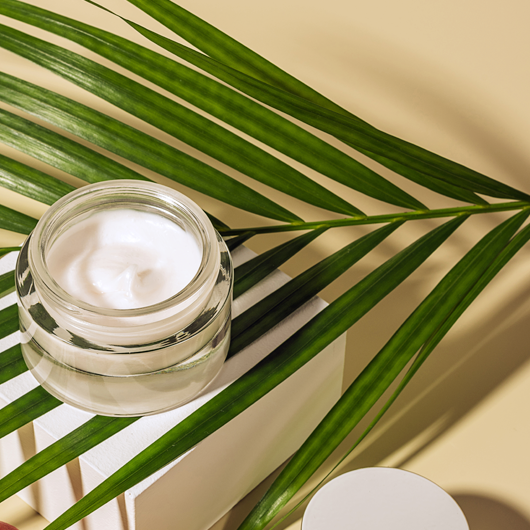


You can have a formula that looks perfect on day one, then notice it's gone dull, a little cloudy, or just “off” a few weeks later. That's the frustrating part for DIY makers and studio formulators, the product didn't fail all at once, it drifted, and the container was one of the quiet variables in the room.
An amber glass bottle earns its place when the formula inside needs more than a pretty container. It's a packaging choice that starts with stability, not aesthetics, and that matters whether you're bottling a botanical oil, a vitamin serum, or a night treatment like HydroGlow Anti-Aging Night Mask, which is formulated as a jar product with hyaluronic acids, polyglutamic acid, and algae-derived ingredients. If you run a replenishment-based brand, a subscription model like RecurX for Shopify Plus brands can help keep repeat shipments organized, but the packaging decision still starts with what the formula needs from light, air, and handling.
Table of Contents
- Why Amber Glass Matters for Skincare and DIY Formulas
- What Amber Glass Is and How It Protects
- Matching Amber Glass to Specific Skincare Actives
- Choosing the Right Size, Neck Finish, and Closure
- Cleaning and Sterilizing Amber Glass Bottles Safely
- Filling, Labeling, and Storing Finished Products
- Sustainability, Reuse, and the Lifecycle of Amber Glass
- A Quick Decision Checklist for Your Next Bottle
Why Amber Glass Matters for Skincare and DIY Formulas
A clear bottle can look clean and modern on a shelf, but that same clarity can invite trouble for the wrong formula. A bottle of rosehip oil, for example, may seem fine at fill time, then slowly darken as it sits near a sunny sink or under studio lighting. That's when the question shows up, not “Does amber look premium?” but “Did the container match the formula's stability needs?”
The container becomes part of the formula's behavior
Amber glass matters because it changes what the product sees every time the bottle is handled. Light-sensitive ingredients don't live in a vacuum, they sit in a package that may be opened, tilted, and stored in inconsistent conditions. Industry guidance says amber glass is most useful when a formulation is sensitive to light, oxidation, or repeated exposure, and it isn't necessary for every cosmetic formula, so the starting point should be the formula itself, not the bottle color Virospack amber bottle guidance.
That framing helps with small-batch work. A maker filling a few droppers for a facial oil can often choose between clear, amber, and opaque packaging based on the active ingredients and the customer's storage habits. A refill brand has to think about shipping, shelf display, and repeated opening, while a private-label esthetician may care more about how the product behaves after a client keeps it on a bathroom counter.
Practical rule: if the formula is already sensitive, the bottle should reduce exposure. If the formula is stable on its own, amber may add cost without adding meaningful protection.
Why this guide starts with stability, not style
Most amber packaging copy stops at “UV protection,” which is only part of the decision. The workflow is simpler and more useful. First, identify the actives and their fragility. Second, decide whether the package needs optical filtering, inert storage, or both. Third, match the bottle, closure, and cleaning method to the product's texture and use pattern.
That's especially helpful for makers who fill by hand. A dropper serum, a lotion-like emulsion, and a shake-before-use botanical toner don't deserve the same container just because they're all skincare. If you're building a repeatable packaging system, the bottle should support the formula, not force the formula to behave like something else.
For brand operators, that same logic also applies to inventory planning and reorder cycles. A packaging choice that fits the formula keeps returns, complaints, and product drift lower, which is why packaging decisions deserve the same attention as ingredient selection.
What Amber Glass Is and How It Protects
Amber glass is not a surface tint or a printed finish. It is usually made from soda-lime glass tinted during manufacturing with small amounts of manganese dioxide, which gives the glass its yellow-to-amber color from the inside out amber glass manufacturing detail. That matters because the color is part of the material, not something that can rub off or peel away with handling.
The protection comes from filtering light
The useful part is optical filtering. Standard amber glass blocks about 90% of UV light between 320 and 400 nm, while higher-barrier extra amber versions can exceed 98% blockage at 350 nm, and amber glass generally filters wavelengths below about 450 nm amber bottle buying guide. Like sunglasses for a formula, the bottle cuts down the parts of light that can trigger unwanted change.
That does not make the contents immune to every stress. It does make the package better at lowering the light load that reaches sensitive ingredients. A serum that shifts in color or scent near a sunny window has less room to drift when the bottle filters the exposure before it reaches the formula.
Amber glass is doing optical work, not magic. It reduces light exposure, but it does not solve every stability problem.
What amber glass does not do
Amber glass does not block heat. It does not stop oxidation by itself. It also does not replace a preservative system in a water-based formula.
Those limits are easy to miss because packaging language often blends light protection, shelf life, and product quality into one idea. The bottle can help reduce one stressor, but if the formula is prone to oxidation or contamination, the ingredient system still has to do its job. Amber glass supports stability, it does not create it from nothing.
One more practical point, the color itself is not just decorative. It is a material feature that supports the reason amber containers have been used for light-sensitive goods for a long time, from medicine bottles to chemical storage amber glass history. That history is why amber still feels credible in skincare. It is a utility color first and a design choice second.

A useful way to read that chart is this. If the ingredient is light-sensitive, amber earns its keep. If the formula is stable, simple, and not especially reactive to light, clear glass can be enough.
Matching Amber Glass to Specific Skincare Actives
The bottle decision gets easier when you stop asking, “Is amber good?” and start asking, “What is this formula vulnerable to?” That shift matters because not every skincare formula needs the same level of light filtering. Industry guidance says amber glass is most useful for formulas sensitive to light, oxidation, or repeated exposure, and it shouldn't be treated as a universal default Virospack amber bottle guidance.
Where amber usually helps
Botanical oils often benefit because they can pick up off-notes or visual changes when exposed to light over time. Vitamin-based serums can also be vulnerable, especially when the actives are already known to be finicky during storage. Certain peptide blends, especially those sold in small-batch or high-touch formats, may also do better in a package that reduces light exposure rather than inviting it.
That said, the benefit isn't only about the ingredient list. A formula that gets opened often, carried in a tote, or kept near a bathroom window faces more exposure than a sealed backbar product. Amber glass can be a sensible choice in those situations because it reduces one of the common variables that destabilize a product between fills and final use.
Where amber may be unnecessary
Stable cleansers, opaque formulas, and many water-based products don't always need amber packaging. If a formula is already protected by its own structure, an airless format, or a naturally strong ingredient system, amber may not add much beyond appearance. Clear packaging can even help when a maker wants customers to inspect clarity, color, or separation at a glance.
If you're working through a vitamin C project, an internal reference on ascorbic acid powder use in skincare is useful because it highlights why formulation behavior matters before packaging does. A difficult active in a stable package is still difficult, but an appropriate bottle can make storage less unforgiving.
A simple decision rule for actives
- Light-sensitive oils: Choose amber if the oil can oxidize or discolor.
- Vitamin serums: Use amber when the formula needs light reduction during storage.
- Peptide blends: Consider amber when the product is handled often or sold in transparent packaging.
- Stable washes and cleansers: Clear or other formats may be enough.
Glass also brings a second advantage here, it's inert and non-reactive, so it won't leach into the contents glass packaging and inertness. That's why amber glass often shows up in cosmetics and regulated products, it combines light filtering with a clean container profile.

The practical takeaway is simple. Match the packaging to the ingredient's actual sensitivity, not to a generic premium look. That's the part many product pages skip.
Choosing the Right Size, Neck Finish, and Closure
Once you've decided amber glass makes sense, the next mistake to avoid is choosing the wrong bottle shape for the formula. A thin serum, a lotion-like treatment, and a thicker balm all behave differently at fill time and at the point of use. The right bottle makes dispensing easier, reduces waste, and keeps the customer from fighting the package every morning.
Start with viscosity and use pattern
Most amber glass bottles in cosmetic and pharmaceutical packaging are made from Type III soda-lime glass, and standard neck finishes such as DIN 18/415, DIN 28/410, and GPI 400-22/400-18-405 are widely used to keep closures compatible across droppers, pumps, and screw caps Type III bottle formats. In plain language, the bottle neck controls what kind of closure will fit, and the closure controls how the formula moves out of the bottle.
A dropper works for thin liquids because it can draw the product cleanly. A pump makes more sense for lotion-like textures. A screw cap is often better for thicker or shake-before-use formulas, where the user needs a wider opening and less friction at the neck.
Matching Formula Type to Bottle and Closure
| Formula Type | Typical Size | Neck Finish | Closure | Why It Works |
|---|---|---|---|---|
| Thin facial serum | 5 ml to 30 ml | DIN 18/415 | Dropper | Easy dosing, low waste, controlled application |
| Oil blend | 10 ml to 50 ml | DIN 18/415 | Dropper or reducer cap | Handles runnier textures without overpouring |
| Lotion or emulsion | 30 ml to 100 ml | DIN 28/410 | Treatment pump | Better for repeat dispensing and thicker viscosity |
| Shake-before-use toner | 30 ml to 100 ml | GPI 400-22 | Screw cap or compatible pour closure | Gives more room for mixing and cleaning |
| Balm-like or thicker treatment | 50 ml and up | GPI 400-18-405 | Wide-mouth compatible cap | Easier access when the formula won't flow quickly |
For a broader parts-and-pieces view, a category guide on glass dropper bottles can help you compare closure styles before you place an order. That saves a lot of mismatch, especially when you're buying in small batches and can't afford to discover a neck-size problem after the bottles arrive.
Practical rule: pick the closure first by how the formula moves, then confirm the neck finish. A beautiful bottle is useless if the product can't get out cleanly.
Why size matters more than people expect
Small bottles are better for unstable formulas because they encourage faster turnover. Larger bottles can work for stable products, but they're less forgiving if the formula is opened often or used slowly. That's why size should follow usage, not just aesthetics.
A good packaging choice should feel almost invisible during use. The user shouldn't have to shake too hard, tilt too far, or deal with a closure that clogs every third application. If that happens, the bottle is fighting the formula instead of serving it.
Cleaning and Sterilizing Amber Glass Bottles Safely
Reuse is one of the strongest reasons to choose glass, but reuse only works if the bottle is cleaned correctly. New bottles often need a basic wash before filling, while reused bottles need a stricter process that separates the glass from the closure. The mistake many make is treating droppers, pumps, and caps like they're the same material as the bottle itself.
A safe cleaning sequence
Start with warm water and a mild surfactant, then use a bottle brush to reach the interior surfaces. That first pass removes dust, residues, and any trace of packaging debris from shipping or storage. After that, a sanitation step can be chosen based on your workflow, but the glass should be warmed gradually, not shocked by sudden temperature change.
A bottle age guide notes that modern glass bottles can crack from thermal shock if cold glass is plunged into boiling water, and that closures like droppers require different cleaning methods than the glass itself bottle identification and care guide. That means the glass, the dropper bulb, the pipette, and the cap each need their own handling plan.
Don't move cold glass straight into boiling water. Warm it first, or you may end up sanitizing a cracked bottle instead of a clean one.
Separate the bottle from the closure
The bottle itself can often be rinsed, soaked, and sanitized more aggressively than the closure hardware. Droppers and pumps have seals, valves, and small internal parts that trap residue, so they need a more careful rinse and full air-dry period. If a pump still smells like the previous formula after cleaning, it's not ready for refill.
For makers who want a filtration step before bottling, a category like 0.2 micron filter can sit inside a broader sanitation workflow, but it doesn't replace cleaning the container. Filtering and sterilizing solve different problems.
When a bottle should be retired
Inspect every reused bottle under bright light. Look for chips at the rim, stress cracks, clouding that doesn't wash off, and any roughness around the neck where the closure seals. If the bottle has changed shape, sounds compromised, or fails a close visual check, retire it instead of trying to force one more fill.
Reuse only works when the container still behaves like a container. Once the glass shows damage, it becomes a risk to the formula and to the person filling it.

Filling, Labeling, and Storing Finished Products
A well-chosen bottle can still look amateur if the fill line is messy or the label won't stay put. The last mile matters because it shapes how the formula feels in the hand and how the brand looks on a shelf. Clean presentation also helps the user notice changes in color, scent, or clarity over time.
Fill with headspace and a clean rim
Leave enough headspace for the formula to expand slightly and to avoid pushing product into the closure. Work over a clean surface so the rim doesn't pick up residue during filling, then wipe the neck before capping. A clean rim is not a cosmetic detail, it helps the closure seal properly and keeps drops or threads from gumming up.
A label also behaves differently on curved amber glass than it does on flat plastic. Glass labels stick better when they're designed for curved surfaces, and a protective clear coat can help in damp settings like bath or shower products. If you're creating decorative or customized bottles, something like monogram cup stickers can be a useful example of how surface shape changes adhesive performance, even though skincare labels have different durability needs.
Store finished bottles to preserve what you filled
Store finished products in a cool, dark, dry place away from direct sunlight and heat sources. Amber glass gives you a better visual buffer than clear packaging, which can make it easier to monitor whether a product is drifting in color or scent before it's used. That visual check is especially helpful for small-batch makers who test and document batches over time.
For broader container selection, a category guide on containers for lotion is handy when you're deciding between droppers, pumps, and other closures for finished goods. The bottle should match the product's texture, and the storage environment should match its sensitivity.
Simple storage rule: if it would be a bad place for your own products to sit open all afternoon, it's a bad place for finished inventory too.
Sustainability, Reuse, and the Lifecycle of Amber Glass
Amber glass makes the most sense when it earns more than one use. It can be refilled, reused, and recycled, which is why it remains important in packaging systems that need both protection and durability. The market data backs up that ongoing demand, with the global amber glass packaging market valued at $4.2 billion in 2025 and projected to reach $6.1 billion by 2034 at a 4.3% CAGR, while bottles account for 48.2% of market volume and pharmaceutical uses hold 42.5% of revenue market report on amber glass packaging.
What the market says about where amber still matters
Those figures show that amber glass isn't just a nostalgic packaging choice. It's still tied to light-sensitive products, especially where product protection and container compatibility matter at scale. A mature North American market is also still growing steadily, which suggests the format has staying power in categories that need consistent packaging performance.
A broader sustainability lens helps too. Glass is fully recyclable and supports refill cycles well in personal and studio workflows, so a bottle that gets cleaned and reused multiple times can offset its initial material cost. The trade-off is weight, which makes shipping heavier than plastic and can matter a lot for brands that send bottles long distances.
When amber glass is a good sustainability choice
Amber glass is a win when the bottle will be reused, refilled, or recycled after a useful life. It's also a strong choice when the product inside needs light filtering, because you're not adding material just for the look. That combination, function plus reuse potential, is where glass shines.
The sustainability discussion gets more useful when packaging is treated like part of a lifecycle, not a one-time purchase. A digital tracking framework such as a compliance guide for apparel brands shows how product systems can document materials and use cycles, and that same mindset works well for skincare packaging decisions too, even if the category is different.

A Quick Decision Checklist for Your Next Bottle
Start with the formula, not the bottle. If the active is light-sensitive, oxidation-prone, or likely to be handled often, amber glass deserves serious consideration. If the formula is stable, opaque, or already protected by another packaging system, clear or alternate packaging may be enough.
Use this quick check before you buy:
- Identify the active: Decide whether the formula includes oils, vitamins, peptides, or other sensitive ingredients.
- Match the exposure risk: Ask how often the product will be opened, moved, or stored in light.
- Choose the smallest useful size: Smaller bottles help unstable formulas move faster.
- Pick the closure by viscosity: Droppers for thin liquids, pumps for lotion-like textures, screw caps for thicker or shake-before-use formulas.
- Plan cleaning before refill: Separate the glass from the closure and avoid thermal shock.
- Decide the end of life now: Reuse if the bottle stays sound, recycle when it doesn't.
A good amber glass bottle should make the formula easier to store, easier to dispense, and easier to trust. Skin Perfection carries skincare and lotion-making supplies for formulators who want to build with that kind of practical care, and you can browse the full range at Skin Perfection.