

 Buy with Prime
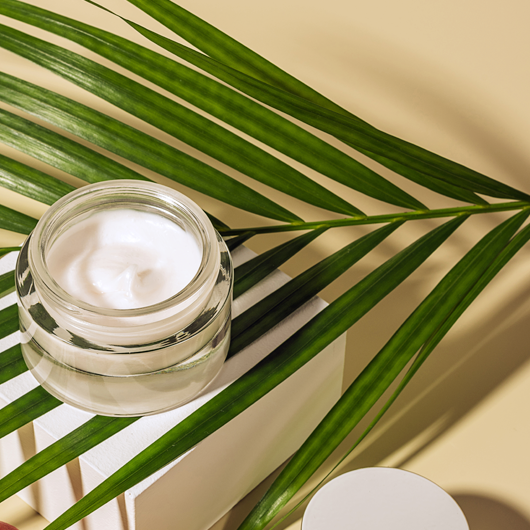


best cream for eczema for adults
If you’re looking for the best cream for eczema for adults, start with the symptoms in front of you: a short course of over-the-counter hydrocortisone may help calm a mild, itchy flare, while a thick, fragrance-free moisturizer supports dry skin and helps protect the skin barrier. Persistent, widespread, painful, or worsening symptoms deserve medical advice rather than repeated self-treatment.
Key Takeaways
- Over-the-counter hydrocortisone can calm mild, itchy eczema flares in adults when used for a short period.
- Thick, fragrance-free moisturizers are a foundation of eczema care because they relieve dryness and support the skin barrier.
- Symptoms that persist, spread, cause pain, or keep worsening should be evaluated by a medical professional rather than treated repeatedly at home.
- Matching your treatment choice to the specific symptoms of your flare helps you get relief more effectively.
Eczema affects about 31.6 million Americans, according to the National Eczema Association. With so many creams on store shelves, the useful distinction is between treating active inflammation and caring for your skin between flares. These are related needs, but one product may not address both.
Mild Flares vs. Moderate-to-Severe Eczema: Which Cream You Need First
A small, mildly itchy patch may respond to careful use of OTC hydrocortisone alongside regular moisturizing. A broader flare, intense itch that interrupts sleep, painful cracks, or symptoms that keep returning may need more than a store-bought cream. A clinician can confirm whether eczema is the cause and recommend a treatment suited to the affected area and severity.
Moisturizer vs. Medicated Cream: Why You Usually Need Both
A medicated cream targets inflammation during a flare; a moisturizer helps reduce dryness and supports the skin barrier. They are different tools, not interchangeable choices. Apply each according to its label or your clinician’s directions, and select products without fragrance if your skin is reactive. It targets hydration and anti-aging concerns around the eyes.
OTC Eczema Creams: Hydrocortisone and Itch-Relief Options Explained

How Hydrocortisone 1% Works and How to Use It Safely
Hydrocortisone is a low-strength topical corticosteroid that reduces inflammation and itching. One percent is the maximum strength sold over the counter in the United States. Follow the package directions, apply only to affected skin, and use it for the labeled duration. Avoid applying it near the eyes or to large areas unless a healthcare professional advises you to. If the rash worsens or does not improve, seek medical guidance.
OTC Options for Eczema Itching: Colloidal Oatmeal, Menthol, and Ceramides
Different ingredients address different discomforts. Colloidal oatmeal can soothe irritated, itchy skin; menthol may provide a cooling sensation, though it can sting sensitive or cracked areas. Ceramides are skin-barrier lipids used in moisturizers to help limit moisture loss. No OTC ingredient works for everyone, so test a new product on a small area and discontinue it if burning or irritation develops.
A cream or ointment labeled for sensitive skin may be a better starting point than a light, scented lotion. The Essential Anti-Aging Eye Cream is also paraben-free, gluten-free, sulfate-free, and vegan-certified, with organic and vegan hydration. Those cosmetic features do not establish it as suitable for eczema; choose a product labeled for eczema-prone skin and consult a clinician about persistent symptoms.
Steroid Safety: What the Evidence Says About Long-Term Use and Skin Thinning
Fear of skin thinning can make it tempting to leave a flare untreated. This concern is most relevant to inappropriate or prolonged use, especially with stronger steroids or on delicate skin. OTC hydrocortisone is low potency, but it should not become an indefinite daily routine. Use it as directed, and ask a clinician or pharmacist about repeat flares, sensitive areas, or uncertainty about duration. This balances symptom relief with appropriate precautions.
Ingredients to Look For and What to Avoid
For routine moisturizing, look for fragrance-free, dye-free creams or ointments with a short ingredient list. Petrolatum and ceramides are common moisturizing or barrier-support ingredients. Labels that say “unscented” may still include masking fragrance, so check the ingredient panel if fragrance triggers your skin.
- Look for: fragrance-free moisturizers, ointment textures for very dry patches, and colloidal oatmeal if your skin tolerates it.
- Use caution with: alcohol-heavy products, essential oils, menthol on cracked skin, and any formula that stings or worsens redness.
- Do: patch-test unfamiliar products and keep a note of ingredients that trigger irritation.
- Don’t: assume “natural” or “unscented” means nonirritating, or use a cosmetic product as a substitute for eczema medication.
Prescription Eczema Creams and Ointments: Names, Strengths, and When They're Worth It
Prescription treatment may be appropriate when eczema covers a larger area, keeps returning, disrupts sleep, or fails to improve with appropriate over-the-counter care. A clinician can confirm the diagnosis and select a medication based on the affected body site, inflammation, age, and medical history. More than 30 topical corticosteroids are available, and their strengths vary widely, so the strongest option is not automatically the right one.
Topical Corticosteroids: From Low to Very High Potency
Prescription corticosteroids reduce inflammation and can help relieve redness and itch during a flare. Examples include triamcinolone, mometasone, and clobetasol. These medications come in different potencies and forms; a clinician chooses the strength and treatment duration for your needs. Lower-potency options are often considered for sensitive areas, while stronger medicines may be prescribed for thicker or more resistant patches. Follow the prescribed directions, and ask before using a medication on your face, skin folds, or other delicate areas.
Steroid-Free Alternatives: Tacrolimus, Pimecrolimus, and Crisaborole
Steroid-free topicals can be useful when a clinician wants another approach, including for certain sensitive sites or recurring symptoms. Tacrolimus ointment and pimecrolimus cream are topical calcineurin inhibitors that reduce inflammatory activity in the skin. Crisaborole ointment is a topical PDE-4 inhibitor used for mild-to-moderate atopic dermatitis. A prescriber can explain which option fits your diagnosis, age, affected areas, and treatment history. These medicines have their own directions and possible side effects, so use them only as prescribed.
Why Ointments Often Outperform Creams for Cracked, Dry Skin
Ointments have a higher oil content than creams, creating a more occlusive layer that helps limit water loss. This can suit very dry, thickened, or cracked patches, though the greasy feel may be inconvenient during the day. Creams spread more easily and may feel lighter, but some formulas contain preservatives that can sting broken skin. Ask your clinician which vehicle suits the medication and body area. The “best prescription ointment for eczema” depends on the diagnosis, flare severity, and where you plan to apply it.
| Prescription type | Examples | Practical consideration |
|---|---|---|
| Topical corticosteroid | Triamcinolone, mometasone, clobetasol | Potency and duration should match the affected area and flare. |
| Topical calcineurin inhibitor | Tacrolimus ointment, pimecrolimus cream | Steroid-free options that require clinician guidance. |
| Topical PDE-4 inhibitor | Crisaborole ointment | A prescription option for mild-to-moderate atopic dermatitis. |
Cost and Insurance: Getting Prescription Coverage Without the Frustration
Before filling a prescription, ask your prescriber or pharmacist whether your plan covers the medication, whether a preferred alternative exists, and what the out-of-pocket cost will be. Coverage can vary by drug, formulation, and pharmacy. If the price is unaffordable, tell the prescriber before substituting or stopping treatment; they may be able to discuss an appropriate covered option. The medication name alone cannot predict the cost or suitability of a prescription eczema cream for adults.
OTC vs. Prescription at a Glance: Choosing the Right Cream by Symptom Severity
Choosing between a nonprescription product and a prescription starts with the pattern and impact of your symptoms. A small, occasional itchy area may call for a short, label-directed OTC approach and regular moisturizing. Widespread inflammation, persistent discomfort, painful cracks, or repeated flares are reasons to seek medical advice. The Essential Anti-Aging Eye Cream is a cosmetic moisturizer, not an eczema medicine.
Step-by-Step: How to Pick Your Cream in 5 Minutes
- Check the symptoms. Note the affected areas, itch intensity, cracking, and whether symptoms interfere with sleep or daily activities.
- Consider severity. Mild, limited symptoms may be suitable for label-directed OTC care. Persistent, extensive, painful, or recurring symptoms warrant clinician input.
- Match the product to the need. Medicated treatments address inflammation; moisturizers reduce dryness and support the skin barrier. One does not replace the other.
- Review the label. Choose a simple, fragrance-free moisturizer if fragrance irritates your skin, and follow medication directions closely.
- Set a point to reassess. If symptoms worsen, fail to improve, or return often, ask a healthcare professional for an evaluation rather than repeatedly switching products.
Supporting Your Skin Barrier: Ceramides, Fatty Acids, and Barrier-Repair Moisturizers
Eczema-prone skin can lose moisture more readily when its protective barrier is impaired. A fragrance-free cream or ointment with barrier-supporting lipids, such as ceramides and fatty acids, can help reduce dryness and limit moisture loss. Choose a formula comfortable enough for consistent use, and avoid ingredients that have triggered irritation for you. The Essential Anti-Aging Eye Cream provides organic and vegan hydration for the eye area, but it is not formulated or established as eczema care. Keep cosmetic eye products separate from treatment choices for an active rash.
How to Apply Eczema Cream for Maximum Relief: Soak and Seal, Wet Wraps, and Timing

Even a suitable treatment may disappoint if you apply it inconsistently or to skin that is already dry. A simple routine can help keep moisture in and make medicated treatment easier to follow. For sensitive skin around the eyes, the Essential Anti-Aging Eye Cream is a cosmetic moisturizer, not eczema medication. Its intended use is hydration and anti-aging care around the eyes, not treatment of an itchy rash.
The Soak and Seal Method, Step by Step
Soak and seal pairs a brief lukewarm bath or shower with moisturizer applied while skin is still damp. Keep water comfortably warm rather than hot, and avoid scrubbing or strongly scented cleansers. After bathing, gently pat the skin, leaving a little moisture on the surface. Apply any prescribed medicine as directed, then use a plain moisturizer to help reduce water loss. Follow your clinician’s instructions if they specify a different order for your medications.
- Soak briefly. Use lukewarm water and avoid long, hot showers that can worsen dryness.
- Pat, don’t rub. Leave the skin slightly damp instead of drying it completely.
- Apply medication as directed. Use it only on the areas and for the duration specified by the prescriber or label.
- Seal in moisture. Smooth on a fragrance-free cream or ointment soon after bathing.
Wet wraps may help during a severe flare, but ask a healthcare professional before trying them, especially over medicated skin. The damp layer can increase absorption of topical medicine, which may change the risk of side effects. A clinician can advise whether wet wraps are appropriate, which materials to use, and how long to keep them in place.
When to Apply Medicated Creams vs. Moisturizers
There is no single timing rule for every prescription. Follow the medication label or your prescriber’s directions, including whether to apply treatment before moisturizer and how long to wait between products. If the instructions are unclear, ask a pharmacist rather than layering products by guesswork. During a flare, use medication only on affected areas; moisturizer can be applied more broadly to dry skin as directed. The Essential Anti-Aging Eye Cream provides organic and vegan hydration, but it is not intended to replace a fragrance-free eczema moisturizer or a prescribed treatment.
When to See a Dermatologist: Warning Signs Your Cream Isn't Enough
Arrange medical advice if a rash is spreading, repeatedly returning, painful, or disrupting sleep despite following treatment directions. Deep cracks, oozing, crusting, warmth, or increasing tenderness can signal a complication that needs prompt assessment. Seek urgent care for rapidly worsening symptoms or signs of a serious allergic reaction, such as facial swelling or trouble breathing. A clinician can check whether the rash is eczema, review possible triggers, and adjust the treatment plan. If cost makes a prescribed medicine difficult to obtain, tell the prescriber or pharmacist before stopping or substituting it.
Frequently Asked Questions
What is the 3 minute rule for eczema?
The 3 minute rule for eczema means applying moisturizer within about 3 minutes of bathing or showering to lock in moisture while skin is still damp. This simple habit helps seal in hydration, supports the skin barrier, and can reduce dryness between flares. Pair it with a thick, fragrance-free cream or ointment for the best results.
Is it better to moisturize eczema or let it dry out?
For eczema, moisturizing is almost always better than letting skin dry out. Eczema-prone skin struggles to retain moisture, and dryness can worsen itching and cracking. Regular use of a thick, fragrance-free moisturizer with barrier-supporting ingredients like ceramides or petrolatum helps protect the skin and reduce flare triggers.
Can you use hydrocortisone on eyelids?
Hydrocortisone should generally not be used on eyelids unless a healthcare professional advises it. The skin around the eyes is thin and delicate, making it more prone to irritation and steroid-related side effects like skin thinning. Ask a clinician or pharmacist about safer options for sensitive areas near the eyes.
How do you treat eczema on arms?
Avoid alcohol-heavy products and menthol on cracked skin. If the flare is widespread, painful, or keeps returning, consult a healthcare professional.
How do you treat eczema on your nails?
Eczema around or under the nails can be stubborn, and store-bought creams often are not enough for this delicate area. Keep hands moisturized with a fragrance-free product, avoid triggers like harsh soaps, and see a clinician for an accurate diagnosis. Persistent nail changes may need prescription treatment rather than self-care alone.
Do I need both a medicated cream and a moisturizer for eczema?
Yes, a medicated cream and a moisturizer serve different purposes, so most adults with eczema benefit from both. A medicated cream like hydrocortisone targets inflammation during an active flare, while a thick, fragrance-free moisturizer supports dry skin and the skin barrier between flares. Apply each according to its label or your clinician's directions.
When should I see a doctor about my eczema instead of using OTC creams?
See a healthcare professional when eczema is persistent, widespread, painful, worsening, or disrupting your sleep, rather than repeating self-treatment. A clinician can confirm the diagnosis and prescribe from more than 30 available topical corticosteroids, choosing the right strength and duration for the affected area and severity.