

 Buy with Prime
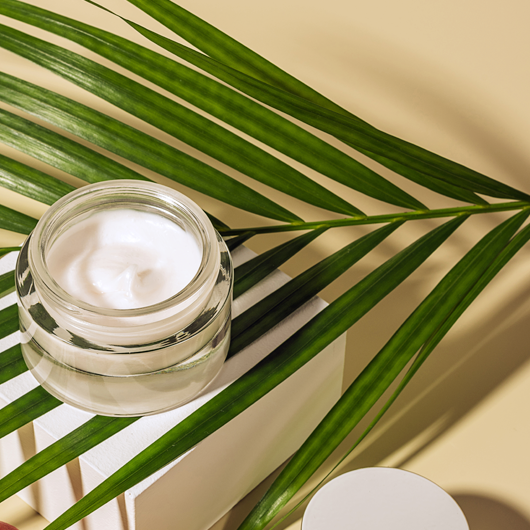


You've probably had this happen. A lotion looks perfect on pour day, feels elegant on the skin, and then a few weeks later it smells slightly wrong, looks hazy, or separates in a way it didn't during your bench test. That moment changes how most formulators think about quality.
A bacterial test kit doesn't replace full laboratory work, but it does give small brands and careful DIY formulators a practical way to watch what their process is doing over time. Used well, it becomes part of your routine for checking raw material handling, sanitation, filling practice, packaging choice, and preservative performance. Used casually, it can create false confidence.
For skincare makers, that distinction matters. We formulate for appearance, texture, hydration, elegance, and stability. We are not making drug claims, and we shouldn't write as if a cosmetic fixes, repairs, heals, treats, mitigates, diagnoses, or cures skin. Skin Perfection follows FDA rules on cosmetic claims and also follows Etsy rules that prohibit explicit or implied disease claims, including claims that an item can act like an antibiotic, antiseptic, antiviral, anti-inflammatory, steroid, vaccine, decongestant, prescription drug, or that it is FDA approved. Good testing supports product quality and professional standards without crossing into medical language.
Table of Contents
- Why Cosmetic Testing Is a Mark of Quality
- Selecting the Right Bacterial Test Kit for Your Lab
- A Guide to Aseptic Sampling and Incubation
- How to Read and Document Your Test Results
- Turning Results into Formulation Improvements
- Frequently Asked Questions About Skincare Testing
Why Cosmetic Testing Is a Mark of Quality
Small-batch formulators often think of microbial testing as a pass-or-fail event. In practice, it's closer to a quality habit. A test result reflects how you cleaned your tools, how you handled water, how long the batch sat before filling, whether the package invites contamination, and whether the preservative system is being asked to do too much work.
That's why microbial screening belongs inside good manufacturing practice. It's part of making sure a cream keeps its intended texture, a gel stays clear, and an emulsion continues to look and feel the way you designed it to. Customers notice inconsistency fast. They may never use the phrase “quality control,” but they absolutely notice an off odor, a puffy bottle, or visible growth.
Cosmetics need quality controls, not drug claims
Under the U.S. Federal Food, Drug, and Cosmetic Act, a product marketed with claims that it treats or prevents disease, or affects the structure or function of the body, including the skin, is legally classified as a drug rather than a cosmetic and must meet drug requirements. This is why our focus is on quality and appearance according to the FDA guidance on cosmetic labeling claims.
That distinction is useful in the lab. Testing your lotion or serum isn't about proving that it heals anything. It's about checking whether your product remains clean, stable, and fit for cosmetic use. For a small brand, that's part of basic professionalism.
If you're building a serious line, it also helps to look beyond formulation and into broader standards for presentation and ethics. Resources on certifying ethical beauty lines can be useful when you want your quality practices and brand values to align.
Practical rule: A bacterial test kit is most useful when you treat it as a manufacturing checkpoint, not as a marketing tool.
What testing protects in a skincare business
A good in-house screening routine protects more than the formula itself.
- Batch consistency: Repeating the same test workflow helps you spot whether one production day behaved differently from another.
- Packaging decisions: A jar, pump, and airless bottle don't expose the formula to the same handling conditions.
- Shelf-life confidence: You can watch whether a formula stays visually and sensorially acceptable over time.
- Brand reputation: A small brand rarely gets many chances to recover from a visibly unstable product.
Many founders start testing only after something goes wrong. It's better to build the habit earlier. Skin Perfection's perspective on safe formulation culture is reflected in its safe cosmetics company guidance, and that mindset is the right one here. The cleanest batch notes in the world still need verification from what the product does after filling.
Why this matters even for tiny batches
A common mistake is assuming that a small batch is automatically low risk. It isn't. Handcrafted formulas often involve more open-air handling, more utensil changes, more transfers, and more direct contact than larger controlled runs.
That's why testing becomes a mark of care. It tells you that your standards are written into your process, not just your label copy.
Selecting the Right Bacterial Test Kit for Your Lab
The right bacterial test kit depends less on trend and more on what you're making. A thin toner, a hyaluronic gel, and a dense body cream don't behave the same way on test media. The best kit for one formula can be awkward or misleading for another.
Some formulators prefer simple dip-style systems because they're easy to handle and read. Others like film-style formats because they sit flat and can be easier to compare visually from test to test. Both can work for screening. The important point is not to confuse convenience with reliability.

Reliability matters more than bargain pricing
A published study on dental unit water bacterial test kits found that many commercial options showed significant undercount bias at higher contamination levels, meaning they may not reflect the true microbial load accurately, as summarized in the PubMed study record. For a skincare formulator, the lesson is straightforward. A low reading isn't always a reassuring reading.
If a kit is cheap but routinely misses heavier contamination, it can lead you to keep a weak process unchanged. That usually costs more than the kit ever saved.
Don't choose a bacterial test kit by price alone. Choose one you can use consistently, read clearly, and trust enough to compare batch against batch.
Matching the kit to the formula
A practical way to choose is to think about sample handling.
| Formula type | Common challenge | What to prioritize in a kit |
|---|---|---|
| Water-thin serum | Easy spreading but easy over-application | Clear inoculation instructions and readable growth zones |
| Gel serum | Uneven transfer from spoon or spatula | Media that tolerates a controlled small sample |
| Cream or lotion in jar | High chance of contamination during sampling | Simple surface application and easy sealing |
| Pumped emulsion | Harder to collect representative sample | Sterile transfer tools and repeatable sample volume |
For makers using Sodium Hyaluronate Powder Pure Hyaluronic Acid, the formula context matters. This cosmetic-grade powder is used to create water-based serums, creams, and lotions, with typical DIY serum concentrations of 0.1–2% and a stated molecular weight of 800-1500 Daltons. Once that powder is hydrated into a water-based product, your need for clean handling rises sharply because you've moved from a shelf-stable dry ingredient to a moisture-rich environment.
A few buying filters that save frustration
Before you commit to one kit, compare these points:
- Readability: Can you tell the difference between sparse, moderate, and dense growth without guesswork?
- Sample fit: Does the format suit thick creams, or is it really meant for liquid samples?
- Workflow tolerance: Can your workspace handle the transfers cleanly and consistently?
- Fresh support tools: If your process includes filtered water, keeping up with basics like 0.2 micron filtration practices improves the value of any screening kit you use.
Some formulators keep two kit styles on hand. One for quick routine checks on familiar formulas, and another for more awkward textures. That's often smarter than forcing every product through one method.
A Guide to Aseptic Sampling and Incubation
A small-batch maker pulls a sample from a fresh cream, answers a text, sets the spatula down, then resumes the test. The plate shows growth two days later. At that point, the result says as much about handling as it does about the formula.
That is why sampling discipline matters. A bacterial test kit is part of good manufacturing practice for a small brand. It helps you check whether your process stays controlled from batch to batch, not just whether one sample passes on one day.

Set up the workspace before the product comes out
Get the area ready before you open either the product or the kit. Lay out the labeled test device, sterile transfer tool, gloves, timer, notebook, and waste container. Clear the bench so you are not reaching over open items or touching unrelated surfaces mid-sample.
In a small lab, routine interruptions cause a lot of avoidable contamination. Phones, drawer handles, packaging, and pens are common problem points. If you touch them, change gloves before you continue.
If you want a refresher on disciplined handling, Herbilabs' guide to aseptic techniques is a useful reference for the habits that keep your screening work clean and repeatable.
Match the sampling method to the product format
A fluid serum and a heavy cream should not be sampled the same way.
For a jarred cream, decide what question you are asking before you collect anything. If you want to check batch condition, take a controlled sample from a representative portion using a sterile spatula and avoid dragging product across the rim. If you want to assess exposed product after use, the surface may be the right place to sample, but document that choice clearly because it changes what the result means.
For a serum or toner, mix only as much as the formula allows without introducing bubbles or foam, then transfer a measured amount with a sterile pipette. Freehand pouring is fast, but it often gives inconsistent volume and messy placement on the media. A standard tool such as a 1 ml pipette for repeatable sampling makes your in-house checks easier to compare over time.
Small details matter here. Oversized samples smear. Underfilled samples can miss a problem. The goal is a representative, readable inoculation.
A practical workflow for in-house screening
Use the same sequence every time so the result reflects the product, not a different routine.
- Label first. Record product name, batch ID, date, operator, and sample point before opening anything.
- Open briefly. Keep both the product and the test device exposed for the shortest practical time.
- Transfer a controlled amount. Follow the kit method and avoid flooding the media.
- Close and secure. Seal the device promptly after inoculation.
- Place it in a stable location. Incubate according to the kit instructions and do not keep relocating it.
Consistency is what gives trend data value.
Incubation errors that blur the result
Many inconsistent outcomes come from poor incubation habits rather than bad formulas. Temperature swings, frequent handling, and improvised storage spots can all affect how clearly growth appears. A kit left near a sunny window, on top of equipment, or in a room that warms and cools through the day will not behave the same way as one kept in a stable environment.
Use only the temperature range and read time specified by your kit manufacturer. Do not average directions from different brands or borrow conditions from a different medium. Consumer screening kits vary in media, intended organisms, and read window, so one set of instructions does not reliably transfer to another.
Product texture also affects readability during incubation. Hyaluronic serums and other gel-like water-based formulas can spread into a film that masks early growth if you apply too much. Rich lotions can sit thickly on the surface and make colony edges harder to see. In both cases, a small, even application gives a cleaner result than a generous one.
Leave the test alone once it is set
Do not reopen the kit during incubation. Do not keep picking it up to inspect it under different lighting. Every extra contact adds another variable.
Good screening is controlled work. For a small brand, that mindset closes the gap between DIY enthusiasm and professional quality habits.
How to Read and Document Your Test Results
When the incubation period ends, your first job is observation, not interpretation. Look at the whole surface. Note whether growth is absent, scattered, clustered, or dense. Then look closer at colony appearance, including color, size differences, and whether the product itself may have caused streaking or residue that can be mistaken for growth.
The strongest in-house testers don't rush to a conclusion. They compare the current sample to prior samples from the same formula and process. A bacterial test kit is most informative when you build a visual history.

Read the pattern before you read the count
A few isolated colonies can point to handling issues. Broad, heavy coverage usually suggests a larger process problem or a preservative system that isn't holding the formula as intended. Irregular growth near one edge can sometimes reflect the way the sample was applied rather than the formula itself.
That's why morphology matters. Even in a simple screening setup, the visual character of the growth tells you more than a single rough count ever can.
Use this quick framework:
- Sparse and discrete growth: Review sanitation, utensils, and one-off handling variables.
- Repeated similar growth across batches: Look at water phase handling, packaging, and preservation strategy.
- Dense or obscured media: Treat the result as a serious warning and preserve the sample for follow-up.
- No visible growth: Good sign for that screening point, but not a reason to stop documenting.
Accept what the kit can and can't tell you
Bacterial test kits for susceptibility can show a variation of ±10% or more compared with lab-confirmed results because of factors such as sample size, user variance, and reagent condition, according to Solenis on test kit limitations. That's a useful reminder for skincare makers. These tools are excellent for rough screening and trend tracking, but they aren't precision microbiology instruments.
So don't over-interpret a tiny difference between one plate and another. Look for meaningful pattern shifts instead.
Lab habit worth keeping: Record what you see in plain language first, then decide what it means after you compare it with prior batches.
Build a documentation system you'll actually maintain
A simple log is better than a complex system you abandon. Include:
| Record item | Why it matters |
|---|---|
| Batch ID | Ties the result to your exact formula and production date |
| Packaging type | Helps you see whether jars, pumps, or bottles behave differently |
| Sampling point | Distinguishes fresh fill from later shelf checks |
| Photo of media | Preserves visual evidence for later comparison |
| Notes on odor, color, texture | Connects microbial screening with visible stability behavior |
Take photos in the same lighting and from the same distance each time. If you change camera angle every round, visual comparison becomes much harder.
What a result can suggest about the formula
A bacterial test kit doesn't diagnose the exact flaw, but it can point you in a direction. Repeated growth may suggest that the preservative system needs review, that the formula has too much contamination opportunity during filling, or that the package invites fingers and air exposure. A clean result across multiple checkpoints supports confidence in your method, even though it doesn't replace more advanced testing.
What matters is disciplined interpretation. A plate isn't there to reassure you. It's there to tell you what happened.
Turning Results into Formulation Improvements
A positive result feels discouraging the first time you see it. It shouldn't. In formulation work, a positive screen is information. It tells you where to look harder.
The worst response is panic. The second worst is denial. The useful response is troubleshooting in an orderly way.

Start with the process before blaming the preservative
If you see limited growth, review your production behavior before rewriting the formula. Check the mixing vessel, transfer utensils, filling method, and whether the batch sat open too long. Look at the package too. A wide-mouth jar invites a very different use pattern than a pump.
For repeated issues, the formula deserves closer attention. Revisit your preservation strategy, your water phase, your botanical load, and whether your chosen format is too exposure-prone. If you need to rethink system design, resources on natural cosmetic preservative approaches can help organize that review.
Know when DIY screening stops being enough
A common gap in testing practice is understanding the line between in-house screening and formal analysis. DIY kits can't identify specific pathogens such as E. coli, so a positive result should be treated as a trigger for state-certified laboratory testing to determine the exact bacterial types and assess actual risk, as explained by ETR Labs on well water bacteria testing limits.
That limitation matters in cosmetics too. Your in-house kit may show growth, but it won't tell you exactly what organism is present. It also won't give you the same level of specificity or quantitative certainty as a professional lab.
A calm action ladder works better than guessing
Use your result to choose the next step:
- One-off low growth: Repeat the test with stricter aseptic handling.
- Growth in more than one sample from the same batch: Hold the batch and review manufacturing notes.
- Heavy or repeated growth pattern: Stop relying on the in-house screen alone and send a retained sample for professional analysis.
- Unclear or messy result: Retest with better sample preparation before changing the formula.
A positive bacterial test kit result is not a verdict on your skill. It's evidence that your process just showed you something important.
Small brands become stronger when they treat these moments as process audits. The batch is giving you feedback. Take it seriously, document what changed, and improve one variable at a time.
Frequently Asked Questions About Skincare Testing
A small brand usually reaches this stage after the first few successful batches. The formula looks good, customers like the texture, and the process feels settled. Then a basic question comes up. Are the test results consistent enough to trust from batch to batch?
That is where good manufacturing practice starts to feel real for a DIY formulator. A bacterial test kit is not just a yes-or-no checkpoint. It is part of a repeatable quality system. The kit, the way it is stored, the way samples are taken, and the way results are recorded all affect whether the information is useful.
Unused kits need the same discipline you apply to raw materials. Follow the manufacturer's storage instructions, protect the media from heat and moisture, and track expiration dates. If the kit has been stored badly, the result may look clean for the wrong reason. In a small lab, that kind of mistake usually comes from casual handling rather than the formula itself.
Frequently Asked Questions
| Question | Answer |
|---|---|
| Can I use one bacterial test kit for every kind of skincare product? | Usually no. A watery toner, a gel serum, and a thick cream behave differently during sampling. Choose a kit and sampling method that match the product texture, or your reading can become inconsistent. |
| Does a clear result mean my formula is perfect? | A clear result means that sample showed no obvious growth under the test conditions used. It does not replace batch records, preservative review, packaging checks, or follow-up testing during stability work. |
| If I see growth, should I throw everything away immediately? | Start with your records. Check sampling technique, sanitation steps, and whether the same pattern appears in another sample from the batch. If the result repeats or looks heavy, hold the batch and move to outside lab support. |
| Can the kit tell me exactly which bacteria are present? | No. In-house kits are screening tools. They help you catch a process problem early, but they do not provide organism-level identification. |
| How should I store unused kits? | Keep them as directed by the manufacturer, away from heat swings, humidity, and expired inventory. I also recommend dating the box when it arrives so older stock gets used first. |
| How often should I test? | Build the schedule around batch size, water activity, packaging style, and how often the product is handled during filling. Many small formulators test during development, after fill, and at selected stability checkpoints. |
| Are some formulas harder to test than others? | Yes. Heavy emulsions, sticky gels, and strongly colored formulas can interfere with even sampling or make visual reading harder. In those cases, technique matters as much as the kit itself. |
| Where does microbiome positioning fit into this? | Product positioning does not reduce your quality-control duties. If your brand talks about gentle, balance-focused care, it still needs disciplined screening and documentation. Broader product philosophy can be explored through microbiome-friendly skincare product discussions, but lab habits still decide whether your process stays controlled. |
The habits that keep results useful
Reliable in-house testing usually comes from a few plain habits done the same way every time.
- Buy kits in workable quantities: Do not stock more than you can store correctly and use before expiry.
- Label at once: Batch number, sample date, product name, and tester initials should go on the record immediately.
- Keep retained samples: They let you compare the fresh batch with later stability checkpoints.
- Record every change: New preservative lot, revised mixing time, different bottles, or a new filling setup can all affect results.
Consistency is what closes the gap between hobby-style testing and professional control. Same sample size. Same incubation conditions. Same read time. Same documentation. That is how a bacterial test kit becomes part of GMP for a growing skincare brand, rather than a box you only open when something goes wrong.
Skin Perfection supports formulators who want better control over cosmetic quality, stability, and ingredient transparency. If you're building small-batch skincare with a more disciplined process, explore Skin Perfection for skincare products and lotion-making supplies designed for appearance-focused formulation without crossing into drug claims.