

 Buy with Prime
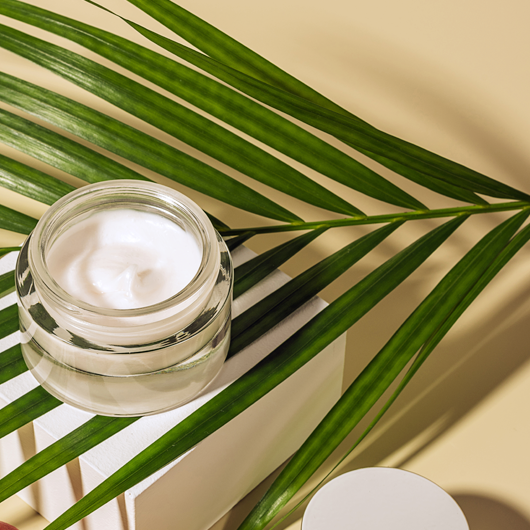


Concentrated serum vs moisturizer for fine lines?
Fine lines are not always a sign of permanent skin aging. A depleted moisture barrier can increase transepidermal water loss and create tiny surface creases that look deeper than they are. That is why the question, “Concentrated serum vs moisturizer for fine lines?” deserves a formulation-first answer.
Key Takeaways
- Fine lines often appear deeper because a weakened moisture barrier allows water to escape, not because of permanent skin aging.
- A concentrated serum can target moisture loss at a deeper level, making it a faster option for smoothing surface creases.
- Your choice between a serum and a moisturizer should start with evaluating your skin barrier health and hydration needs.
- The right formulation directly addresses transepidermal water loss, which helps soften fine lines more effectively than a simple moisturizer alone.
A concentrated serum delivers targeted actives into the upper layers of the skin, while a moisturizer supplies emollient lipids and helps reduce moisture loss. Understanding those roles helps you choose products with greater confidence and avoid ingredients your skin does not need.
Concentrated Serum vs. Moisturizer for Fine Lines: Decoding Your Skin's Needs
The Core Question: Serum or Moisturizer for Smoother Skin?
If your skin looks crepey after cleansing, feels tight by midday, or shows lines that soften after applying water-based skincare, hydration may be part of the picture. A moisturizer can improve the look of temporary creases by supporting the stratum corneum and reducing water loss. It does not usually provide the same concentration of signaling peptides found in a targeted serum.
Peptide-rich formulas address a different need. Peptides act as messenger molecules that support the appearance of firmness and smoother texture, while humectants attract water into the outer skin layers. The practical answer is often not either-or: choose according to whether your priority is barrier comfort, targeted visible aging support, or both.
Understanding Search Intent: What You're Really Looking For
Most people asking this question want faster-looking smoothing, fewer irritating steps, and a realistic explanation of what each formula can do. They may also be distinguishing dehydration lines from changes linked to collagen and elastin. A rich cream can soften surface texture, while a concentrated active formula suits a targeted skin-support routine.
Our Evaluation Criteria: How We Judge Skin Perfection Solutions
I assess a formula by looking beyond its front-label promise. Ingredient placement, active concentration, molecular size, delivery vehicle, preservation system, and barrier compatibility all matter. I also look for named peptides instead of vague “anti-aging complexes,” a skin-supportive base instead of unnecessary fillers, and a routine suitable for sensitive or reactive skin.
EWG VERIFIED criteria and transparent ingredient standards can help shoppers screen for ingredients of concern, but clean labeling alone does not prove that a product will smooth texture. The formula must be stable, appropriately preserved, and designed to keep useful actives available on the skin.
The Skin Perfection Difference: Precision, Purity, and Potency
Skin Perfection brings cosmetic science and natural formulation principles together. The featured Teprenone Serum Booster fits a precision-led routine because a booster delivers focused support without requiring you to replace every product on your shelf. Its role differs from that of a lipid cream: targeted serum application first, followed by barrier support.
This approach favors a concise ingredient list, clinically studied actives, botanical support, and a comfortable application experience over a complicated regimen built around marketing claims.
Deconstructing the Formulas: Molecular Differences in Serums vs. Moisturizers

What is a Concentrated Serum? High-Potency Powerhouses
A concentrated serum is usually a lightweight water-based, gel-based, or fluid emulsion with a higher share of targeted actives than a traditional face cream. Its vehicle may include glycerin, aloe, or hyaluronic acid, along with peptides, antioxidants, botanical extracts, and other skin-conditioning ingredients. With less occlusive oil and wax, it spreads in a thin film and leaves room for a focused active load.
What is a Moisturizer? Lipid-Rich Barriers and Emollients
A moisturizer improves comfort and reduces moisture escape. Occlusives form a protective layer, emollients fill rough spaces between surface cells, and humectants help bind water near the outer epidermis. Ceramides, fatty acids, cholesterol, plant oils, shea butter, and squalane are common barrier-supportive materials. This makes a cream valuable after a serum, particularly when dryness, wind exposure, over-cleansing, or active treatments have weakened skin comfort.
Molecular Weight and Skin Penetration: The Science Behind Delivery
Texture alone does not determine penetration. Molecular size, polarity, solubility, pH, and the condition of the stratum corneum influence how an ingredient moves through the outer barrier. Water-based serum ingredients with molecular weights below 500 Daltons can move through the stratum corneum in under 60 seconds, according to the research findings provided for this comparison. This does not mean every ingredient reaches living skin cells or produces the same result; it means the delivery system can place selected actives close to the surface more efficiently than a heavy cream base.
Active Ingredient Load: Why Serums Pack a Bigger Punch and Cost More
Serums can cost more because they often allocate more of the formula to specialized peptides, purified extracts, antioxidant systems, and delivery technology. A moisturizer dedicates more space to oils, waxes, fatty alcohols, and barrier materials that provide slip and protection. Neither profile is automatically superior: a concentrated serum is a focused treatment step, while a moisturizer is a comfort and barrier step.
The 'Clean' Factor: Comparing Formulation Philosophies
A clean formula should be judged by its full ingredient list, not by the absence of one familiar ingredient. Skin Perfection favors transparent, purposeful formulation, natural preservation standards, botanical bases, peptide identity, and skin tolerance. The Teprenone Serum Booster represents that approach by giving a routine a targeted serum step without requiring a crowded collection of products.
| Feature | Concentrated serum | Moisturizer |
|---|---|---|
| Primary purpose | Delivers targeted actives for specific skin concerns | Supports surface comfort and limits moisture loss |
| Typical texture | Fluid, gel, or lightweight emulsion | Cream, balm, lotion, or rich emulsion |
| Common functional ingredients | Peptides, humectants, antioxidants, botanical extracts | Emollients, occlusives, ceramides, fatty acids |
| Best formulation role | Focused support for tone, texture, and visible fine lines | Barrier care, softness, and reduced surface dryness |
Diagnosing Fine Lines: Dehydration Cues vs. Structural Aging
The Dehydration Line Self-Check: Is Your Skin Thirsty?
Dehydration lines often look like fine crosshatching on the forehead, under the eyes, or around the mouth. They may appear after hot water, dry weather, air conditioning, or a foaming cleanser. Apply a gentle hydrating product and wait several minutes. If the lines look softer and your skin feels more comfortable, reduced water content in the stratum corneum may be contributing to their appearance.
Tightness, mild flaking, rough texture, and makeup settling into tiny creases can point toward moisture loss rather than deep structural change. Research supplied for this comparison indicates that transepidermal water loss can rise by more than 20% when barrier lipids are depleted, creating temporary micro-crinkles. A moisturizer can make these lines look smoother by reducing water escape, though it does not replace a targeted active for collagen-related concerns.
Understanding Expression Lines: The Role of Collagen and Elastin
Structural aging develops gradually. Repeated facial movement, reduced collagen synthesis, changes in elastin, sun exposure, and slower renewal can make lines remain visible even when skin is well moisturized. Forehead lines linked to expression may deepen with raised brows, while crow’s-feet can become more apparent during smiling. Hydration may soften their edges, but consistent support for firmness and skin texture is usually needed.
Why Misdiagnosis Matters: Treating the Wrong Issue
Misreading dehydration as permanent aging can lead to an unnecessarily aggressive routine. Retinoids, exfoliating acids, scrubs, and highly fragranced formulas may create peeling, redness, stinging, or further barrier disruption when used too often. Start by restoring comfort, then assess which lines remain. This helps distinguish a surface moisture problem from a longer-term firmness concern without adding multiple actives to stressed skin.
The Power of Peptides and Botanicals for Cellular Signaling
Peptides are short chains of amino acids that can act as cosmetic signaling ingredients. Certain blends support the appearance of firmness, smoother texture, and wrinkle reduction over time. Botanicals may contribute antioxidants and soothing compounds that help defend skin from environmental stress. Clinical research has demonstrated that topical high-concentration peptide blends can reduce visible wrinkle depth by up to 30% over 8 to 12 weeks. Results depend on the formula, regular use, and individual skin behavior.
When to Reach for a Serum: Addressing Dehydration and Signaling Needs
Choose a concentrated serum for focused delivery of peptides, humectants, antioxidants, or botanical actives in a lightweight layer. The Teprenone Serum Booster provides targeted support without adding several separate treatment products. Pair it with a lipid-rich moisturizer when tightness or barrier weakness is present.
The Synergy Protocol: Layering Serums and Moisturizers for Optimal Results
Do You Need Both? The Case for a Combined Approach
A moisturizer can smooth dehydration lines by adding water-binding ingredients and reducing moisture loss. A serum can provide a focused active step, yet may not supply enough occlusive protection for dry or barrier-compromised skin. Using both is not mandatory, but the combination makes sense when you want peptide support plus lasting comfort. The serum is the targeted treatment; the moisturizer is the protective finishing layer.
The “Hydrate, Moisturize, Seal” Blueprint: A Step-by-Step Routine
Apply products to clean skin while it still has a slight touch of moisture, then finish with a barrier-supporting cream. During the day, sunscreen belongs after moisturizer because ultraviolet exposure contributes to collagen breakdown and visible texture changes.
- Cleanse gently: Use lukewarm water and a non-stripping cleanser. Pat your face dry instead of rubbing.
- Hydrate lightly: Apply a water-based essence or mist if your skin benefits from one. This step is optional.
- Apply the serum: Smooth a small amount of Teprenone Serum Booster across the face, avoiding the immediate eye margin.
- Moisturize: Follow with a cream containing suitable emollients, lipids, or occlusive ingredients.
- Protect in the morning: Finish with broad-spectrum sunscreen and reapply according to outdoor exposure.
Application Order: Thinnest to Thickest Explained
Layer from the formula that spreads most easily to the one that forms the richest film. A fluid serum generally belongs before an emulsion or cream because its lighter vehicle can contact the skin without competing with a heavier oil phase. Applying moisturizer first may change how the serum distributes.
Recommended Wait Times for Maximum Efficacy
Give the serum about 30 to 60 seconds to spread and settle, then apply moisturizer once the surface no longer feels wet or slippery. Wait a few minutes before sunscreen or makeup if pilling occurs. Formula compatibility, product quantity, and rubbing technique matter more than an exact timer.
Tailoring Your Routine for Sensitive Skin: Avoiding Irritation
Introduce one new product at a time, begin every other evening, and test a small area before applying it across the face. Avoid combining a new peptide serum with several exfoliating acids, prescription retinoids, or strongly fragranced products during the same trial period. If burning, persistent redness, swelling, or marked peeling develops, stop the newest addition and return to gentle cleansing, moisturizer, and daytime sun protection.
Gentle Peptide Power: Smoothing Without Harsh Actives
Peptide-led care offers support for visible aging without relying on a highly aggressive routine. A well-designed formula can pair cosmetic signaling ingredients with humectants and botanical support while respecting the skin barrier. Consistency matters more than using a large amount. Give the formula several weeks before judging texture, softness, and fine lines.
Troubleshooting Common Concerns and Making the Right Choice
Can a Moisturizer Smooth Fine Lines Without a Serum?
Yes, especially when surface dehydration makes fine lines look more pronounced. A moisturizer with humectants, emollients, and barrier-supportive lipids can soften rough texture and tiny creases. It may be enough for tight, flaky, or uncomfortable skin. If lines remain after consistent hydration and sun protection, a targeted peptide formula can add support for firmness and texture.
Why Are Concentrated Serums Generally More Expensive?
Price often reflects active load, ingredient purification, stability testing, packaging, and delivery system. A cream may contain more affordable oils and structural ingredients designed to create softness and slip. A concentrated serum can devote more of its formula to specialized peptides, antioxidants, botanical extracts, and preservation technology. Read the ingredient list and consider whether the product solves a specific need before buying it.
Signs Your Skin Might Be Reacting Negatively to a Product
Persistent stinging, swelling, intense redness, clusters of bumps, unusual itching, or peeling can signal poor tolerance. Barrier breakdown may also show up as tightness, burning during cleansing, or sudden sensitivity to familiar products. Stop the newest product, simplify your routine, and use gentle cleansing, moisturizer, and daytime sunscreen until your skin settles. Seek medical guidance for severe swelling, blistering, or symptoms that do not improve.
Choosing High-Potency Clean Actives Over Filler-Laden Formulas
Look for purposeful formulation rather than a long ingredient list. Named peptides, supportive humectants, botanical antioxidants, and a suitable preservation system tell you more than broad claims such as “age-defying complex.” Skin Perfection keeps the focus on transparent cosmetic science and concentrated actives. The Teprenone Serum Booster suits shoppers seeking a focused serum step with a clean beauty perspective.
The Long-Term Benefits: Investing in Skin Health and Radiance
Visible improvement depends on steady care, not a rushed product rotation. Protecting the moisture barrier, limiting ultraviolet exposure, cleansing gently, and applying a well-formulated peptide serum can support smoother-looking skin over time. Clinical research supplied for this comparison found that high-concentration topical peptide blends reduced visible wrinkle depth by up to 30% over 8 to 12 weeks, though individual results vary. The Teprenone Serum Booster can serve as a consistent targeted step while your moisturizer maintains comfort and reduces moisture loss.
Pros
- Targets visible fine lines with concentrated cosmetic actives.
- Supports a concise routine instead of unnecessary product layering.
- Fits a formulation-first, clean beauty approach.
Cons
- A serum cannot replace barrier support when skin is very dry.
- Visible changes require consistent use and realistic time.
- Reactive skin may need gradual product introduction.
Frequently Asked Questions
Which serum is best for reducing fine lines and wrinkles?
A concentrated peptide serum is often the best choice for targeted support against the appearance of fine lines and wrinkles. Peptides can support a firmer-looking, smoother complexion, while humectants such as glycerin or hyaluronic acid help improve surface hydration. Choose a formula with clearly identified actives and a skin-compatible base.
What is better for wrinkles, a serum or a cream?
A serum is better for targeted visible-aging support, while a cream is better for reducing moisture loss and softening dehydration lines. Concentrated serums typically provide more space for peptides and other focused actives, while moisturizers rely on emollients, occlusives, and barrier-supportive ingredients. Many routines benefit from using both.
What is more important, serum or moisturizer?
A moisturizer is more important when tightness, flaking, or dehydration lines are the main concern, while a serum is more important for targeted peptide support. Fine lines can look more pronounced when the moisture barrier is depleted. Match the product to your primary need, or layer a serum beneath a moisturizer.
What is the best serum for fine lines?
The best serum for fine lines is a concentrated formula with named peptides, hydrating ingredients, and a well-designed delivery base. Ingredient placement, formula stability, preservation, and barrier compatibility matter more than a bold front-label promise. A focused serum can support smoother-looking texture without requiring a complicated routine.
What is the best thing for fine lines and wrinkles?
The best approach for fine lines and wrinkles combines targeted skincare, barrier support, and consistent daily use. A peptide serum can address visible firmness and texture concerns, while a moisturizer helps limit water loss and soften dehydration creases. A concise routine is often easier to maintain than multiple overlapping active products.
Can a moisturizer make fine lines look less noticeable?
A moisturizer can make fine lines look less noticeable when dehydration and barrier stress contribute to their appearance. Emollients smooth rough surface areas, occlusives reduce moisture escape, and humectants bind water near the outer skin layers. This cosmetic smoothing does not provide the same targeted active support as a concentrated serum.