

 Buy with Prime
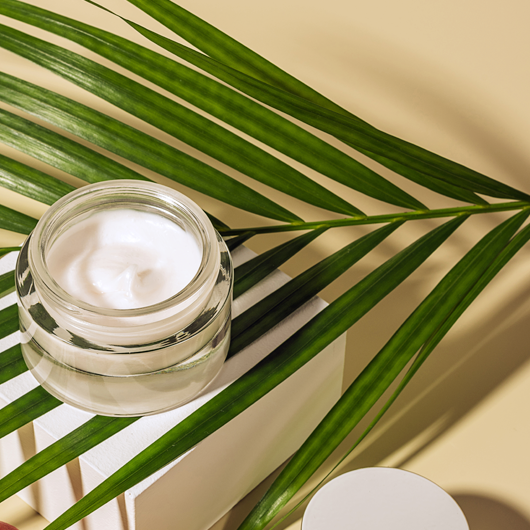


cosmetics for face
Why Your Face Cosmetics Fail (And How to Fix It)
You know the feeling. You blend your foundation with care, step into daylight, and your face looks orange. Or you spend fifteen minutes perfecting your concealer, only to find it settled into every line an hour later. These failures aren't your fault. They're formula failures. Understanding the science behind why your cosmetics for face break down is the first step to choosing products that work with your skin, not against it.
Key Takeaways
- Understanding how cosmetic formulas interact with your skin's chemistry prevents foundation turning orange or concealer settling into lines.
- Selecting face cosmetics with stable pigments and skin-friendly textures helps your makeup stay true to color and smooth all day.
- Preparing your skin with proper cleansing and moisturizing creates an even base that reduces common application failures.
- Choosing products formulated for your skin type and undertone ensures your cosmetics blend naturally and last longer without frustration.
The Oxidation Trap: Why Foundation Turns Orange
Oxidation happens when pigments in your foundation react with oxygen in the air. This chemical reaction darkens the formula, shifting it from your perfect match to something that looks unnatural. Low-quality ingredients and water-heavy bases accelerate this process. The fix? Look for formulas with stable pigments and oil-based carriers. Products with antioxidants like vitamin E or green tea extract help slow the reaction. And here's a trick I swear by: when you test a new foundation, wait five minutes after application to see the true color. That delay reveals whether oxidation will ruin your match.
Why Concealer Creases. And How to Make It Stay Put
Creasing happens when concealer migrates into fine lines and settles there. The formula lacks sufficient film-forming agents or binding ingredients to stay put. Dry or dehydrated under-eye skin makes it worse. The product clings to dry patches like a magnet. The solution lies in both product selection and preparation. Choose a concealer with a creamy, flexible base containing silicones or plant-based emollients. Always hydrate the under-eye area first with a lightweight Peptide Eye Serum. Then set with a translucent powder, pressing gently rather than sweeping, to lock it in without disturbing coverage.
Heavy, Cakey Finish? That's a Formula Problem
A cakey finish signals the product is too thick for your skin type or incompatible ingredients are clashing. Powders with large particles, foundations with high wax content, and layering water-based over oil-based products all contribute to that mask-like look. The fix starts with formulation. Look for lightweight, buildable textures using micronized powders and humectants like glycerin or Hyaluronic Acid Plumping Serum. These ingredients let the product melt into skin rather than sit on top. When layering, use thin coats and allow each layer to absorb before adding the next. Your skin should breathe. Not suffocate.
What to Look for in a Foundation Formula
Pros of a Well-Formulated Foundation
- Stays true to color for hours without oxidation
- Blends seamlessly into skin without settling into lines
- Provides buildable coverage without cakiness
- Contains skin-loving ingredients like peptides or antioxidants
- Works with a range of skin types and tones
Cons of a Poorly Formulated Foundation
- Oxidizes quickly, turning orange or gray
- Creases and settles into fine lines and pores
- Looks heavy, cakey, or dry on the skin
- May contain irritants like alcohol or synthetic fragrance
- Offers limited shade range or poor undertone matching
What to Look For in Face Cosmetics: Coverage, Finish, and Skin Type Matching

Choosing the right cosmetics for face comes down to three variables: coverage level, finish, and how they interact with your skin type. Get these right, and your makeup looks natural, lasts longer, and supports your skin's health. Let me walk you through each factor.
Coverage Levels: Sheer to Full. When to Choose Which
Sheer coverage works for days when you want a barely-there look or your skin is already clear. It evens out tone without masking natural texture. Medium coverage handles most daily occasions, balancing a natural finish with the ability to conceal redness and minor discoloration. Full coverage hides significant imperfections like acne scars or dark spots but requires a lighter hand to avoid a heavy look. Consider your environment. For long days or humid conditions, a medium-to-full coverage formula with staying power outperforms a sheer tint that may slip off by noon.
Finishes: Dewy, Satin, Matte. And Skin Type Compatibility
The finish of your foundation affects how your skin looks and feels all day. Dewy finishes contain more emollients and reflect light, giving a luminous glow. They're ideal for dry or mature skin because they add moisture and create a youthful sheen. Satin finishes strike a balance, offering natural radiance without shine. They suit normal and combination skin types best. Matte finishes absorb oil and provide a shine-free surface, making them perfect for oily or acne-prone skin. Just be careful. Matte formulas can be drying, so pair them with a hydrating primer if you have dry patches.
Shade Matching: Undertones, Oxidation Prevention, and Inclusivity
Finding your exact shade requires understanding undertones. Cool undertones have pink, red, or blue hues. Warm undertones show yellow, peach, or golden tones. Neutral undertones are a mix of both. Test foundation along your jawline in natural light, and check it after five minutes to see if oxidation changes the color. A quality formula won't shift more than half a shade. The best cosmetics for face offer a wide shade range with multiple undertone options. Inclusivity in shade ranges means more women can find their match without mixing products. When shopping, skip the bottle-holding guessing game. Always test on skin.
Coverage and Finish Comparison
| Coverage Level | Best For | Common Finish | Skin Type Compatibility |
|---|---|---|---|
| Sheer | Evening tone, no-makeup days | Dewy, Satin | Dry, normal, mature |
| Medium | Daily wear, covering redness | Satin, Natural | Normal, combination |
| Full | Acne scars, hyperpigmentation | Matte, Satin | Oily, combination, acne-prone |
When you select the right coverage and finish for your skin type, your cosmetics look natural and last longer. The next step is ensuring the products you choose also support your skin's health. Products like Argireline Face Cream show how targeted formulations can address specific concerns while remaining compatible with your makeup routine.
The Hidden Problem With Clean Face Cosmetics: Why Preservatives Matter
The clean beauty movement introduced a challenge many brands won't address: product stability. When you remove traditional synthetic preservatives, you create an environment where water-based cosmetics can become a breeding ground for invisible threats. Without a sophisticated preservation system, a cream or foundation can harbor pathogens long before you see a change in color or smell. This risk is especially high for products stored in humid bathrooms, where steam and temperature fluctuations accelerate microbial growth.
Safe beauty should never compromise on safety. A truly effective formula must balance botanical purity with rigorous stabilization. Many "preservative-free" claims are misleading. Every product containing water requires a mechanism to inhibit mold and bacteria. The goal is moving away from harsh parabens and formaldehyde releasers toward innovative, nature-derived alternatives. These clean systems protect the integrity of active ingredients, ensuring peptides and antioxidants remain potent from the first application to the last.
Mold, Bacteria, and Short Shelf Lives: What Clean Brands Don't Tell You
Many consumers gravitate toward small-batch or "raw" beauty products, assuming they're safer. But these formulations often lack the standardized testing required to ensure they remain sterile during use. Once you dip your fingers into a jar or expose a pump to the air, you introduce environmental contaminants. If the preservative system is weak, those microbes multiply rapidly. The result? Skin irritation, breakouts, or even infections. Defeating the purpose of using clean cosmetics in the first place.
Natural Preservation Expertise: How Skin Perfection Keeps Your Cosmetics Safe
At Skin Perfection, we take a science-backed approach to natural preservation. We use fermentation-based ingredients and plant-derived acids that provide broad-spectrum protection without the toxic profile of conventional chemicals. By harnessing the antimicrobial properties of leucidal liquid radish root and elderberry extract, we ensure our formulas stay fresh and effective. This meticulous attention to detail lets us offer high-performance products that respect your health and deliver a reliable shelf life. No synthetic stabilizers needed.
Expert Tip: Always check the "Period After Opening" (PAO) symbol on your makeup packaging. That small icon of an open jar with a number tells you how many months the product remains safe after you first open it. For clean cosmetics, sticking to this timeframe is essential for maintaining skin health.
Face Cosmetics That Double as Skincare: Peptides, Antioxidants, and Non-Comedogenic Formulas
Modern beauty standards have shifted from simply masking imperfections to actively improving the skin underneath. The most effective cosmetics now function as an extension of your skincare routine. By infusing color products with high-performance actives, you can treat fine lines and dehydration while achieving a flawless finish. This dual-purpose approach saves time and ensures your skin receives a continuous supply of nutrients throughout the day.
The foundation of a great hybrid product is its ability to deliver results without clogging pores. Peptides are particularly effective here because they're small enough to penetrate the surface and signal your skin to behave more youthfully. When you use a product like Argireline Face Cream, you're applying a targeted treatment that works to relax facial muscles and smooth the appearance of expression lines. That level of functionality separates professional-grade formulations from standard drugstore options.
Skincare-Makeup Hybrids: What Really Works
Not all "infused" products are created equal. Many brands add a tiny amount of an ingredient just to list it on the label. A practice called "fairy dusting." To see real change, you need clinically relevant concentrations of actives. Look for specific peptides like Acetyl Hexapeptide-8, the core of the Argireline Face Cream. This peptide consists of six amino acids that help reduce the muscle contractions responsible for squinting and forehead furrows. When these ingredients appear in meaningful amounts, your makeup becomes a powerful tool for skin rejuvenation.
Why Non-Comedogenic Claims Need Clinical Backing
The term "non-comedogenic" gets thrown around a lot but rarely explained. It means the product is formulated not to block pores. Essential for preventing acne and congestion. But because no strict regulation governs this term, you need to check the ingredient list yourself. Avoid heavy waxes, isopropyl myristate, and certain thickeners known to trigger breakouts. A truly clean formula uses lightweight oils and humectants that let your skin breathe. This matters especially if you have sensitive or oily skin but still want the benefits of full coverage.
The Benefits of Peptide-Infused Formulas
Pros
- Reduces the appearance of fine lines over time
- Provides continuous hydration throughout the day
- Strengthens the skin barrier against environmental stress
- Minimizes the need for heavy concealer as skin improves
- Supports collagen production for a firmer look
Cons
- Requires consistent use to see long-term results
- Often carries a higher price point than basic makeup
- May have a shorter shelf life due to active ingredients
- Can pill if not layered correctly over other serums
Building a Routine That Layers Serums Under Makeup Without Pilling
Pilling happens when your skincare and cosmetics don't bond, causing the product to roll up into small balls on your skin. To prevent it, follow the rule of thinnest to thickest. Start with water-based serums, followed by your Argireline Face Cream, and finish with a primer or foundation. Allow each layer at least sixty seconds to absorb fully. If you use a silicone-based foundation, make sure your moisturizer has set first. Or choose a water-based foundation to match your water-based skincare for the most seamless application.
How to Build a Face Cosmetic Routine That Actually Perfects Your Skin

A successful beauty routine is more than a list of products. It's a strategic process that prioritizes skin health at every step. By combining high-quality cosmetics with proper preparation and the right tools, you can achieve a finish that looks like real skin, only better. The goal? A look that stays fresh from morning until night without constant touch-ups or feeling heavy on your pores.
Step-by-Step Routine From Prep to Setting
Start with a clean, hydrated canvas. Apply a lightweight serum to address your primary concern. Dullness, fine lines, whatever bothers you most. Follow with a nourishing moisturizer to lock in that hydration. Once your skincare has absorbed, apply a primer suited to your skin type: mattifying for oily areas, illuminating for dry patches. When applying foundation, start at the center of your face and blend outward. This technique gives you the most coverage where you usually need it while keeping the edges looking natural. Finally, set your work with a fine mist or a light dusting of translucent powder to ensure longevity.
Tools That Make a Difference: Brushes, Sponges, and LED Therapy
The tools you choose determine the final texture of your makeup. A damp sponge provides a dewy, sheer finish and excels at blending concealer without tugging at the delicate eye area. A dense, flat-top brush builds coverage and buffs product into the skin for a filtered effect. To truly elevate your routine, consider incorporating LED therapy before you apply your makeup. Red light therapy reduces inflammation and boosts circulation, creating a natural glow that cuts down the amount of cosmetics you need.
Signs Your Current Routine Is Holding You Back
If your makeup looks worse at the end of the day than when you first applied it, your routine needs an upgrade. Signs of a failing routine include foundation that separates on your nose or chin, colors that turn muddy, or skin that feels tight and itchy by mid-afternoon. These issues often stem from poor ingredient quality or mismatched formulas. Transitioning to Skin Perfection's peptide-focused products can resolve these problems, giving you the radiant, youthful complexion you deserve. For a deeper look into the science of cosmetic ingredients, check out the cosmetics page on Wikipedia. Research also supports the benefits of key active ingredients in modern formulations.
References
Frequently Asked Questions
Why does my foundation turn orange after a few hours?
This is called oxidation, a chemical reaction where pigments react with oxygen in the air. To prevent it, choose foundations with stable pigments and oil-based carriers, and look for formulas containing antioxidants like vitamin E or green tea extract. Always wait five minutes after application to see the true color before committing to a shade.
How can I stop my concealer from creasing under my eyes?
Creasing happens when the formula lacks film-forming agents and settles into fine lines. Start by hydrating the under-eye area with a lightweight Peptide Eye Serum, then choose a creamy concealer with silicones or plant-based emollients. Set it with a translucent powder by pressing gently rather than sweeping to lock it in place.
What should I look for in a foundation for mature or older skin?
For older skin, prioritize a dewy or satin finish that adds moisture and creates a youthful sheen. Look for lightweight, buildable textures with humectants like glycerin or Hyaluronic Acid Plumping Serum, and avoid matte formulas that can be drying. A wide shade range with multiple undertone options helps you find your perfect match without oxidation shifting the color.
Which cosmetic brand is best for the face?
The best brand is one that offers stable, non-oxidizing pigments, a wide shade range with cool, warm, and neutral undertones, and skin-loving ingredients like peptides or antioxidants. Avoid brands that rely on water-heavy bases or synthetic fragrances, as these can accelerate oxidation and cause irritation. Always test foundation along your jawline in natural light and check the color after five minutes.
What makeup products help with hyperpigmentation?
For hyperpigmentation, choose a full coverage foundation or concealer with a satin or matte finish that stays true to color without oxidizing. Look for formulas containing antioxidants and humectants to support skin health while covering dark spots. A well-formulated product will blend seamlessly and provide buildable coverage without looking cakey.
What face care routine and makeup is best for rosacea or sensitive skin?
For rosacea, start with a gentle, hydrating skincare routine using products free of alcohol and synthetic fragrance. When choosing cosmetics for face, opt for lightweight, buildable formulas with a satin finish and soothing ingredients like peptides or green tea extract. Avoid heavy, cakey textures and always patch test new products to ensure they don't trigger irritation.