

 Buy with Prime
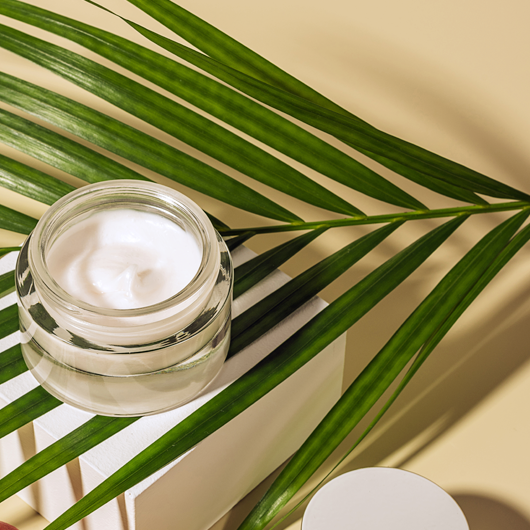


10% Glycolic Moisturizer with Alpha Hydroxy Acid review
If your goal is smoother, brighter skin without stripping your moisture barrier, concentration and routine matter more than a dramatic label claim. This 10% Glycolic Moisturizer with Alpha Hydroxy Acid review explains what this leave-on exfoliant can do, where it fits into face and body care, and why hydration and sun protection belong in the same plan.
I’m Kari Thomas, a formulator focused on natural preservation and organic cosmetic science. At Skin Perfection, I look at cosmetic ingredients through two lenses: measurable formulation performance and everyday skin comfort. A well-designed acid product should support visible refinement without encouraging careless over-exfoliation.
What is 10% Glycolic Moisturizer with Alpha Hydroxy Acid review?
A 10% glycolic moisturizer is a leave-on cream or lotion containing glycolic acid, an alpha hydroxy acid, at a relatively high cosmetic strength. Glycolic acid loosens bonds between surface dead skin cells, helping them shed more evenly. With consistent use, that process may leave rough texture, dull appearance, clogged pores, and uneven tone looking more polished. The moisturizing base helps reduce the tight, dry feeling that can follow exfoliation, but it does not make a 10% formula suitable for every skin type.
The right interpretation of a 10% Glycolic Moisturizer with Alpha Hydroxy Acid review is not simply whether the product feels smooth on application. Assess the acid concentration, formula pH, fragrance, supporting humectants, emollients, container size, and directions for use. A supplied product listing for a 10% glycolic lotion reports a pH of 4.0 and a 4-fluid-ounce, 118-milliliter format, useful details for understanding potency and practical value. Glycolic acid can be used on the face or body, including legs, elbows, heels, and areas prone to rough bumps, yet sensitive skin may experience stinging, redness, flaking, or barrier discomfort.
Start with clean, completely dry skin on a small area. Use the product infrequently at first rather than assuming daily application is appropriate. Avoid applying it to irritated skin, open cuts, active dermatitis, or the delicate eye contour. Because alpha hydroxy acids can increase sun sensitivity, the U.S. Food and Drug Administration advises sun-protective measures, including broad-spectrum sunscreen, protective clothing, and reduced sun exposure. Daily SPF 30 or higher is a sensible companion for exposed areas.
Benefits of 10% Glycolic Moisturizer with Alpha Hydroxy Acid review

The principal benefit is surface exfoliation. Glycolic acid has a small molecular structure that can work within the outermost layers of the stratum corneum, where accumulated corneocytes contribute to a rough or lackluster appearance. This can make skin feel softer and look more even. Body care is often where a 10% lotion feels most practical: legs with strawberry-like bumps, keratosis pilaris-prone areas, thick elbows, cracked-looking heels, and rough knees may benefit from a carefully paced exfoliating routine. It is not a guarantee of clearing body acne or follicle congestion, and persistent bumps deserve professional assessment.
A second benefit is efficiency. Combining an exfoliating active with a moisturizing vehicle can reduce the number of separate toner, treatment, and lotion steps. Look for humectants such as glycerin or sodium hyaluronate, plus barrier-supportive emollients that help limit moisture loss. Featured alongside a glycolic routine, Sodium Hyaluronate Powder Pure Hyaluronic Acid is a water-soluble cosmetic ingredient for custom serums, creams, lotions, and toners. The product is a 15-gram jar of cosmetic-grade Sodium Hyaluronate powder. It contains high-molecular-weight NASHA Sodium Hyaluronate with molecular weight between 800-1500 Daltons. The powder is white, free-flowing, fine, and has no aroma.
Moisture binding does not cancel irritation risk. A 10% formula may be too strong for someone with very dry, reactive, rosacea-prone, eczema-prone, or perioral dermatitis-prone skin, particularly if combined with retinoids, benzoyl peroxide, scrubs, or other acids. Patch testing gives you useful information before broad application, though it cannot predict every reaction. Stop if burning persists, swelling develops, or redness continues. For a gentler hydration companion, Hyaluronic Acid Plumping Serum provides moisture-binding and retention for deep hydration, improving skin texture, resilience, and radiance.
How to Choose 10% Glycolic Moisturizer with Alpha Hydroxy Acid review
A useful 10% Glycolic Moisturizer with Alpha Hydroxy Acid review starts with the formula, not the front-label promise. Ten percent glycolic acid is a relatively high leave-on concentration, so check whether the product is intended for facial skin, body care, or both. Review the stated pH, complete ingredient list, fragrance, preservatives, and directions for gradual use. A supplied 10% glycolic lotion listing reports a pH of 4.0 and a 4-fluid-ounce, 118-milliliter format. Those details help you assess the product’s acidity and how much practical use the container may provide. If you are comparing the formula directly, review the 10% Glycolic Moisturizer with Alpha Hydroxy Acid product details.
Next, look for ingredients that support comfort while glycolic acid works on the stratum corneum. Glycerin, aloe, ceramides, fatty alcohols, and sodium hyaluronate can help bind water or reduce moisture loss. This is where Sodium Hyaluronate Powder Pure Hyaluronic Acid can serve as a hydration-focused formulation ingredient for serums, creams, lotions, and toners. The product is a 15-gram jar of cosmetic-grade Sodium Hyaluronate powder. It contains high-molecular-weight NASHA Sodium Hyaluronate with molecular weight between 800-1500 Daltons. The powder is white, free-flowing, fine, and has no aroma.
For dry or sensitive skin, favor a short ingredient list with no added fragrance and avoid formulas that pair glycolic acid with several other exfoliants. A 10% leave-on acid may cause stinging, tightness, peeling, redness, or irritation in skin with a weakened barrier. Patch test on a small area first, then begin once or twice weekly on clean, dry skin. Do not apply it to cuts, sunburn, active rashes, or areas affected by perioral dermatitis. Anyone with rosacea, atopic dermatitis, persistent sensitivity, or prescription retinoid use should ask a dermatologist or qualified skincare professional before adding it.
Decide where the product belongs in your routine before purchasing. Body areas such as legs, elbows, knees, heels, and rough follicular bumps may tolerate glycolic acid better than the face, while underarms can react to friction, shaving, and deodorant residue. Daily use should never be assumed from concentration alone. Increase frequency only if the skin remains calm. Avoid using the same area on the same night as retinoids, benzoyl peroxide, scrubs, salicylic acid, or another alpha hydroxy acid. Apply broad-spectrum SPF 30 or higher to exposed skin each morning, since dermatology and regulatory guidance recognizes increased sun sensitivity with alpha hydroxy acids.
Frequently Asked Questions
Is 10% glycolic acid effective for the face and body?
It can help loosen accumulated dead skin cells and refine the appearance of uneven texture on both areas. Body skin on the legs, elbows, knees, and heels often tolerates a stronger exfoliant better than facial skin. The face requires more caution because it may be thinner, more reactive, or affected by rosacea, dryness, or dermatitis. Follow the product directions, begin with limited applications, and assess comfort before expanding use.
Is 10% glycolic acid too strong for sensitive or dry skin?
It may be. Ten percent is a relatively high leave-on concentration, and sensitive or dry skin can respond with stinging, redness, peeling, tightness, or a weakened moisture barrier. Patch test a small area first, then use the formula no more than once or twice weekly at the beginning. Skip application during a flare, after shaving, or on damaged skin. People with rosacea, eczema, perioral dermatitis, or persistent irritation should seek advice from a dermatologist before use.
Can glycolic acid help strawberry legs, rough bumps, or cracked heels?
Regular, measured exfoliation may improve the feel and appearance of rough follicular bumps, keratosis pilaris-prone skin, and thick heels. It will not address every cause of body acne, discoloration, or follicle inflammation. Apply to intact skin and avoid aggressive rubbing, since friction can worsen redness. For cracked heels, repair-focused ingredients and occlusive moisture may be needed alongside exfoliation.
Can I use a 10% glycolic moisturizer every day?
Do not assume daily use is appropriate. Frequency depends on the formula’s pH, supporting ingredients, application area, and your tolerance. Increase use only when the skin remains comfortable and free from persistent redness or flaking. Do not layer it over the same area with retinoids, benzoyl peroxide, scrubs, salicylic acid, or another exfoliating acid. Apply broad-spectrum SPF 30 or higher to exposed skin each morning, since alpha hydroxy acids can increase sensitivity to sunlight.
What is the safest way to start?
Use a small patch on clean, dry skin and observe it before treating a larger area. Apply a thin layer at night, keep the eye contour clear, and stop if burning, swelling, or ongoing irritation develops. A cautious schedule is the best test of suitability. If your skin stays calm, gradual consistency is more useful than frequent application.