

 Buy with Prime
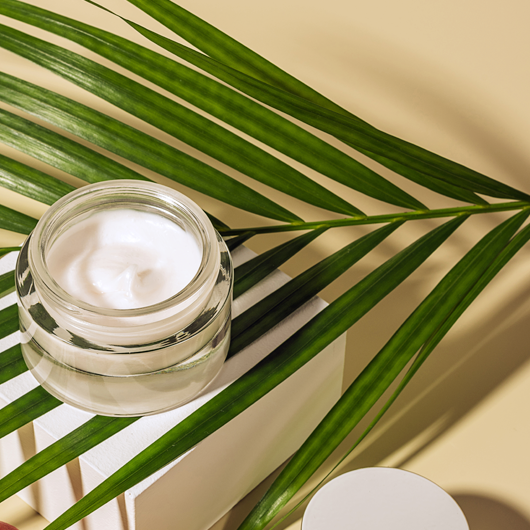


is 20% Matrixyl Collagen Serum worth it
I talk to readers who ask one direct question: is 20% Matrixyl Collagen Serum worth it when fine lines, dullness, and loss of firmness are becoming harder to ignore? My answer is yes, with realistic expectations. A concentrated peptide serum can support smoother-looking skin, but the value depends on your skin concerns, formula quality, budget, and willingness to apply it consistently for 8 to 12 weeks.
Key Takeaways
- I talk to readers who ask one direct question: is 20% Matrixyl Collagen Serum worth it when fine lines, dullness, and loss of firmness are becoming harder to ignore?
- My answer is yes, with realistic expectations.
- A concentrated peptide serum can support smoother-looking skin, but the value depends on your skin concerns, formula quality, budget, and willingness to apply it consistently for 8 to 12 weeks.
At Skin Perfection, cosmetic science should feel understandable, not mysterious. Matrixyl is a signal-peptide technology associated with Sederma, and the Teprenone Serum Booster is a featured option for readers seeking a concentrated, ingredient-focused addition to a thoughtful skincare routine.
The Quick Verdict: Is a 20% Matrixyl Collagen Serum Worth It?
Yes, a 20% Matrixyl serum may be worth the investment if your goals include minimizing the appearance of fine lines, supporting firmness, and improving skin smoothness without beginning with a retinoid. It is not an injectable treatment, a replacement for sunscreen, or a guaranteed collagen-building prescription. Peptides work through repeated use, and visible wrinkle improvement commonly takes 8 to 12 weeks.
Who Gets Real Value From a 20% Peptide Serum
This type of formula suits adults noticing early or moderate signs of aging, including dehydration lines, reduced bounce, uneven texture, and a tired-looking complexion. Matrixyl is also often considered a beginner-friendly active because it is generally well tolerated. The Teprenone Serum Booster can fit a routine built around gentle cleansing, moisturizer, and daily broad-spectrum SPF.
Three Signs It Is Not the Right Fit for You Right Now
Pause before purchasing if your budget cannot support consistent use, if you expect overnight tightening, or if your current routine already contains several irritating actives. Acne-prone skin also deserves a careful patch test, since the full vehicle, oils, humectants, and preservatives can affect pore congestion more than the peptide itself.
Pros and Cons of a 20% Matrixyl Serum
Pros
- Supports a smoother, firmer-looking complexion over time
- Usually approachable for skincare beginners
- Can complement antioxidant, hydrating, and barrier-supportive products
Cons
- Requires regular application and patience
- Concentration alone does not prove superior performance
- The surrounding formula may not suit every acne-prone complexion
What 20% Matrixyl Actually Does for Your Skin (Signal Peptide Science, Explained)

What Is Matrixyl 3000? Signal Peptides and Matrikines in Plain English
Matrixyl 3000 is a peptide blend that includes palmitoyl oligopeptide and palmitoyl tetrapeptide-7, commonly identified as Pal-GQPR. These small chains act as chemical messengers at the skin’s surface. They do not force collagen production in the way a medical procedure would. Instead, cosmetic research suggests that signal peptides can encourage fibroblasts, the cells involved in the skin’s support structure, to produce components associated with a healthier-looking matrix.
The term matrikine describes a peptide fragment linked with communication between the extracellular matrix and skin cells. Pal-KTTKS, another peptide associated with Matrixyl technology, has been shown to increase collagen production in human fibroblast cultures. That laboratory finding helps explain the ingredient’s appeal, but it should not be treated as proof that every 20% serum will deliver identical facial results.
Does a Collagen Serum Contain Collagen? How the Name Really Works
Most Matrixyl collagen serums do not deliver intact collagen into the deeper layers of skin. Collagen is a large structural protein, so a topical product cannot simply replace the collagen your skin has lost. The name refers to the serum’s intended cosmetic role: supporting signals associated with collagen formation and helping skin appear more supple, cushioned, and refined. Hydrators such as glycerin, aloe, and hyaluronic acid serum may create quicker surface plumping while the peptide portion follows a slower skin-renewal timeline.
Is 20% Better Than Lower Concentrations? What the Research Supports
A higher labeled percentage does not automatically mean a stronger or more effective product. Matrixyl 3000 is itself a trade blend, and brands may calculate the percentage differently from the amount of each active peptide. Delivery system, pH, preservation, skin compatibility, and use frequency all matter. The fairest answer to is 20% Matrixyl Collagen Serum worth it is that 20% can be appealing for a concentrated booster, but published findings do not establish that every 20% formula outperforms every lower-concentration formula.
The Study Numbers: Wrinkle Depth, Firmness, and Hydration Results
Research gives useful direction, not a promise. A Timeless clinical study reported up to a 258% increase in collagen production and stated that 96% of participants saw improved firmness after 14 days, with 24 participants in the trial. A separate Depology report documented a 46.31% hydration improvement and a 5.25% reduction in the appearance of fine lines after 28 days. These findings are product-specific, so they should guide expectations rather than serve as a guarantee for every peptide serum.
| Ingredient or feature | Primary role in a serum | What you may notice |
|---|---|---|
| Matrixyl peptides | Signal support for collagen-related skin processes | Smoother texture and improved-looking firmness over time |
| Humectants | Draw water toward the outer skin layers | Temporary plumping and softer-feeling skin |
| Antioxidants | Help neutralize environmental oxidative stress | A more even, fresh-looking complexion with routine use |
| Broad-spectrum SPF | Reduces ongoing ultraviolet exposure | Better protection of long-term tone and texture |
Your Week-by-Week Results Timeline: What to Expect and When
Weeks 1-2: Hydration and a Plumper-Looking Complexion
During the first two weeks, the most noticeable change may come from the serum base rather than collagen remodeling. Humectants and soothing ingredients can reduce the look of dehydration lines and make the surface feel more comfortable. Your skin may look fresher after application, yet that early softness is not the same as a permanent wrinkle reduction. Apply a thin layer to clean, dry skin, then follow with moisturizer if your barrier needs additional comfort.
Weeks 4-6: Firmness and Elasticity Start to Shift
Between weeks four and six, consistent users may begin noticing improved texture, a more cushioned appearance, and subtle changes in elasticity. These shifts can be difficult to spot day by day. Keep the rest of your routine stable, take photos in similar lighting, and avoid introducing multiple new actives at once. That method makes it easier to identify whether the peptide serum is contributing to your progress.
Weeks 8-12: Visible Wrinkle-Depth Improvement
Eight to 12 weeks is a more reasonable window for judging visible fine-line improvement. The outcome depends on age, baseline hydration, sun exposure, sleep, facial movement, and formula compatibility. A serum can soften the appearance of lines without erasing them. If you are asking is 20% Matrixyl Collagen Serum worth it, use this timeline as your decision point: assess photographs, skin comfort, texture, and firmness after sustained use.
Why Patience Pays: Debunking the Overnight-Miracle Myth
Peptides are not instant fillers. A quick glow can reflect hydration, while longer-term cosmetic changes require repeated signals and normal skin turnover. Daily sunscreen, gentle cleansing, adequate moisturization, and steady application give the formula a fair opportunity to perform. If burning, persistent redness, itching, or new congestion develops, stop using the serum and review the complete ingredient list with a dermatologist.
A thoughtful routine also protects your investment. Use the Teprenone Serum Booster after cleansing and before moisturizer, following the product directions and watching how your skin responds. A patch test on the inner arm or along the jaw can help identify sensitivity before facial application. If your complexion is oily or prone to clogged pores, begin with a small amount several nights per week rather than assuming a high percentage is automatically appropriate.
Keep your expectations grounded in skin biology. Matrixyl can support the look of firmness, hydration, and softened fine lines, but it cannot replace lost volume or reverse every sign of aging. Daily broad-spectrum sunscreen remains the best defense against ultraviolet damage, while gentle cleansing and barrier-supportive moisturization help maintain a comfortable surface. If you can commit to steady use and evaluate progress after 8 to 12 weeks, the formula has a fair chance to show its value.
So, is 20% Matrixyl Collagen Serum worth it? For someone seeking a gradual, generally approachable peptide active, the answer can be yes. Choose based on the complete ingredient list, skin tolerance, formulation quality, and realistic goals rather than the percentage alone. Your best result will come from consistency, patient observation, and a routine that supports healthy-looking skin every day.
How to Decide Whether a Peptide Serum Fits Your Routine
The best buying decision starts with your skin priorities, not a bold percentage on the label. If your main concerns are mild laxity, expression lines, rough texture, or dehydration, a Matrixyl formula may provide useful cosmetic support. If you want to correct deep folds, pronounced sagging, or significant pigmentation, topical peptides may be only one part of a broader plan. A licensed dermatologist can help you determine whether professional treatments or prescription options better match your goals.
Think about your routine in practical terms. Can you apply the serum regularly, protect your face with broad-spectrum SPF 30 or higher, and give the formula several weeks before judging it? Can your budget accommodate continued use instead of a short trial? A product becomes a sensible investment when it fits your habits, feels comfortable on your skin, and addresses a concern you can monitor. Consistency is more meaningful than chasing the highest advertised concentration.
What to Check on the Ingredient Label
Read beyond the front panel. Look for named peptides, the full ingredient list, directions for use, packaging that limits unnecessary air and light exposure, and a preservation system suited to a water-based formula. A useful serum may also include humectants such as glycerin, panthenol, or hyaluronic acid, along with soothing ingredients that support the skin barrier. These components can improve feel and hydration while the peptide blend works on a slower cosmetic timeline.
Pay attention to the vehicle, too. A peptide itself may be well tolerated, while fragrance, botanical extracts, rich emollients, or an unsuitable preservative system may trigger stinging or congestion. If you have acne-prone or reactive skin, test a small area first and introduce one new product at a time. The Teprenone Serum Booster can serve as an ingredient-focused option within a simple routine, provided its texture and complete formula suit your complexion.
How to Use a Matrixyl Booster Without Overcomplicating Skin Care

Start with a gentle cleanser, apply the Teprenone Serum Booster according to its directions, and finish with moisturizer. In the morning, sunscreen belongs at the final step of your skincare routine. At night, you may use the booster after cleansing and before a barrier cream. Clean, dry skin is a reasonable starting point, although your product directions should take priority. A small amount is usually enough to spread a serum across the face and neck without excessive rubbing.
Keep your active ingredients organized. Adding a peptide serum alongside exfoliating acids, retinoids, vitamin C, and acne treatments on the same day can make it difficult to identify the cause of irritation. A rotation schedule may be more comfortable: use the peptide on one routine night and a stronger active on another. This approach allows you to observe redness, dryness, tightness, oiliness, and blemishes with greater accuracy. Skin care should be measured by comfort and steady improvement, not by how many products you can layer.
How to Measure Progress More Accurately
Use photographs taken every four weeks under similar lighting, with the same camera distance and facial expression. Track texture, hydration, makeup application, and the appearance of fine lines rather than relying on memory. A short journal can record application frequency and any changes in sensitivity or breakouts. This process separates genuine progress from temporary plumping caused by hydration, sleep, or changing weather.
Stop and reassess if you develop persistent burning, swelling, itching, or a spreading rash. New congestion deserves attention as well, particularly if it continues after reducing application frequency. A dermatologist can review the complete ingredient list and help distinguish irritation, allergic contact dermatitis, and acne-related blockage. No concentration can compensate for a formula that your skin cannot comfortably tolerate.
The Long-Term Value of Consistent Peptide Care
Peptide care makes the most sense as maintenance, not a one-time correction. Once your skin feels comfortable and your photographs show improvement, keep the routine steady rather than adding more aggressive products in search of faster change. Protecting collagen from ultraviolet exposure, supporting the moisture barrier, and avoiding unnecessary irritation all contribute to a smoother-looking complexion over time.
Future decisions should be guided by evidence and response. Reassess after 8 to 12 weeks, then decide whether the texture, firmness, and hydration benefits justify continued use. If the result is subtle, examine application frequency, sunscreen habits, formula compatibility, and competing sources of irritation before immediately increasing strength. Concentration is one formulation detail, not a complete measure of performance.
So, is 20% Matrixyl Collagen Serum worth it? It can be, especially for someone who wants a gentle, science-informed active and accepts gradual cosmetic results. Choose a transparent formula, patch test when appropriate, protect your skin every morning, and judge the experience over time. The goal is not an overnight change. It is a comfortable, repeatable routine that helps your skin look smoother, supported, and naturally refreshed.