

 Buy with Prime
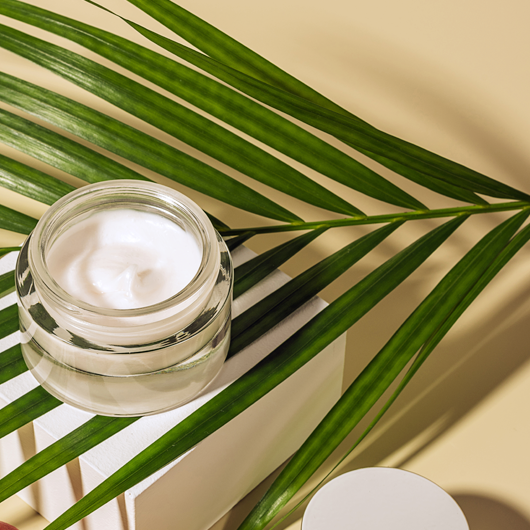


The most surprising shift in modern skincare is that one of the most talked-about “anti-aging” targets isn't a peel, peptide, or pigment corrector. It's cellular energy. A 2022 review in PMC notes that NAD+ plays a key role in cellular metabolism and that its decline is critically involved in skin aging, including pathways tied to DNA repair. That changes the conversation.
If you've noticed that “nad+ and skin longevity: emerging ingredients changing how we think about aging” sounds different from the usual wrinkle talk, that's because it is. The focus is less about chasing a dramatic surface reset and more about helping skin stay hydrated, resilient, and efficient-looking over time. If you're also curious about the broader aging picture, Skin Perfection's why skin ages collection gives helpful context.
The idea also fits a wider wellness trend. People aren't only asking what to put on the skin. They're also reading about lifestyle and wellness-oriented methods to boost NAD levels and then wondering how that science translates into a cosmetic routine. That's where things get interesting, and where careful language matters.
Table of Contents
- The Future of Skincare is Cellular Energy
- Understanding NAD+ and Its Role in Skin Appearance
- The New Generation of NAD+ Supporting Ingredients
- Evaluating the Cosmetic Evidence for NAD+ Skincare
- How to Use NAD+ Actives in Your Skincare Routine
- Your Questions on NAD+ and Skin Longevity Answered
The Future of Skincare is Cellular Energy
Most classic skincare categories are organized around what you can see. Dryness. Dullness. Rough texture. Fine lines. NAD+ changes the lens because it asks a more useful question: what helps skin cells keep doing their daily work well enough that the surface looks fresher, calmer, and better supported?
That's why formulators now talk about skin longevity. Not in a medical sense, and not as a promise to turn back time, but as a cosmetic approach that supports the conditions associated with healthy-looking skin. When a formula is built around hydration, barrier comfort, antioxidant support, and NAD+-linked pathways, it's trying to improve how skin performs, not just how it's polished.
Why formulators care about it
NAD+ is a coenzyme present in cells throughout the body. In skincare language, the easiest way to think about it is as part of the machinery that keeps cells energized enough to maintain themselves well. When that machinery gets less efficient with age and stress, skin can start looking more tired, less bouncy, and less resilient.
That's the fundamental reason this category matters. It shifts product design from “cover the symptom” toward “support the system.”
Practical rule: When a trend starts talking about longevity, look for the mechanism. In NAD+ skincare, the mechanism is usually energy support, barrier support, or antioxidant support, not magic wrinkle removal.
A strong routine still needs the basics. Cleanse gently. Use humectants. Seal with a moisturizer. Protect with sunscreen in the daytime. NAD+-supporting ingredients make the most sense when they sit inside that foundation, not when they replace it.
Understanding NAD+ and Its Role in Skin Appearance
NAD+ sits close to the center of the skin longevity conversation because cells need it to keep routine maintenance running well. In cosmetic terms, that matters because skin that manages stress, moisture balance, and daily turnover efficiently tends to look smoother, calmer, and more resilient on the surface.

Why formulators care about it
A useful way to read NAD+ is to place it inside the cell's maintenance budget. Skin cells spend that budget constantly. They handle environmental exposure, support barrier function, renew visible surface layers, and respond to the irritation that can come from weather or overuse of strong actives. NAD+ is involved in many of those background processes, so lower availability can show up as reduced efficiency rather than one dramatic change.
That idea helps explain why NAD+ keeps appearing in ingredient discussions. The appeal is not a cosmetic promise to “reverse aging.” The appeal is that formulas built around this pathway aim to support how skin functions day to day, which is often what makes skin look fresher and less stressed in real life.
If you like ingredient-first explanations, these insights on boosting NAD levels give useful background on why precursor molecules get so much attention.
What that can look like on skin
A simple comparison helps here. A skin cell with enough energy support behaves more like a well-run workshop. Raw materials come in, maintenance gets done, and small problems are handled before they become obvious on the surface. When that support is less available, the workshop still operates, but with more visible strain.
On skin, that strain often reads as:
- Less bounce: Skin can look flatter or more fatigued.
- More noticeable dryness: Dehydration makes fine lines stand out faster.
- Reduced comfort: Skin may appear quicker to react to dry air, cleansing, or a formula that is too strong for its barrier condition.
This is why NAD+-themed skincare usually works best with a hydration-first structure. The energy story is interesting, but the user experience still depends on water content, barrier support, and tolerability. If the formula leaves skin tight or easily irritated, the concept falls apart.
One practical pairing is a hydration base built with Sodium Hyaluronate Powder Pure Hyaluronic Acid. It gives DIY users and formulators a straightforward way to build water-based serums or creams at a concentration that suits the rest of the routine. That matters because NAD+-supporting ingredients often make more sense in a formula that also helps skin feel comfortable and well hydrated.
You will also see this category connected to mitochondrial care, since mitochondria are closely tied to cellular energy output. Skin Perfection's MitoProtect collection shows how brands are grouping ingredients around that broader energy-support idea.
Healthy-looking skin responds best to smart formulas built on hydration, barrier comfort, and realistic active levels. NAD+ support is most useful when it fits into that foundation.
The New Generation of NAD+ Supporting Ingredients
This category is easy to misunderstand because several different ingredients can all be marketed as “NAD+ support,” even though they don't work the same way. A formulator reads these products by asking: Is this ingredient supplying building blocks, reducing stress on the system, or helping the skin maintain its own NAD+ balance?
From niacinamide to precursor thinking
The familiar entry point is niacinamide. It's already well known in cosmetic skincare, which makes it a useful bridge between traditional routines and the skin longevity conversation. But the ingredient range has widened. A review in PMC notes that the field is evolving from niacinamide to more advanced NAD+ boosters like Nicotinamide Riboside (NR) and Nicotinamide Mononucleotide (NMN), while also exploring biotech actives such as sunflower-sprout extracts that stimulate the skin's own NAD+ production.
That same review also points out an important detail. Age-related NAD+ reduction is associated with oxidative stress and inflammation-related pathways, and researchers are looking at ways to prevent degradation or increase availability. In plain language, formulators now have more than one route into the problem.
Here's a simple comparison.
| Ingredient Category | Examples | Primary Mechanism of Action | Best For |
|---|---|---|---|
| Classic vitamin B3 support | Niacinamide | Supports skin appearance through a well-known cosmetic active connected to NAD+ biology | Barrier-focused, everyday routines |
| NAD+ precursors | NR, NMN | Provide precursor molecules tied to NAD+ availability | Longevity-themed serums and next-generation formulas |
| Biotech stimulators | Sunflower-sprout extract | Aims to support the skin's own NAD+ production pathways | Clean beauty and biotech-led formulas |
| Efficiency and protection partners | Resveratrol, antioxidant systems | Help reduce stress around the system and support overall formula strategy | Layered antioxidant routines |
| Hydration and barrier companions | Hyaluronic acid, glycerin, lipids | Improve comfort, water balance, and visible resilience | Dry, dull, or overworked skin |
If you want to understand the older generation of B3 ingredients before moving into newer ones, Skin Perfection's niacin collection is a useful reference point.
How to read the strategy behind the formula
A good NAD+-supporting product rarely relies on one hero active alone. It usually uses a stacked design.
Some formulas use niacinamide as the familiar anchor, then layer in antioxidants. Others center NR or NMN and surround them with humectants and soothing ingredients because no one wants an advanced serum that leaves skin dry and cranky. Some brands lean biotech, using plant-derived or fermented actives to support endogenous production.
When you read an ingredient list, ask these practical questions:
- Is there a hydration scaffold? Humectants and barrier-supportive ingredients help the formula feel better and look better on skin.
- Is the story cosmetic or exaggerated? “Supports resilience” is more grounded than “reverses aging.”
- Does the formula have partners? Antioxidants, moisturizers, and barrier ingredients often matter just as much as the headline active.
The smartest way to think about NAD+ skincare is as a toolbox. Niacinamide is the dependable screwdriver. NR and NMN are newer precision tools. Antioxidants and hydrators are what keep the whole project from wobbling.
Evaluating the Cosmetic Evidence for NAD+ Skincare
Enthusiasm requires restraint. The science is interesting, but cosmetic users deserve a clear line between promising and proven in routine use.

What the early research suggests
The field has some meaningful signals. A source summarizing the dermatology conversation reports that a 2007 human study found a NAD+-containing ointment improved the appearance of skin concerns, and a 2024 in vitro study found that applying NAD+ to fibroblasts increased UV protection. At the same time, dermatology reviews emphasize that most evidence still comes from preclinical models and that more randomized trials are needed before routine clinical adoption, as discussed in this research summary on NAD+ skin studies.
That distinction matters. Cell studies can be useful. Early human work can be encouraging. But neither automatically means every serum on a shelf will transform visible aging in a dramatic way.
What you can reasonably expect
The most supportable cosmetic outcomes right now are the ones that fit how these formulas are usually built. That means users may look for:
- Better-feeling hydration
- A more comfortable barrier feel
- A fresher, less dull appearance
- Improved compatibility with a long-term resilience-focused routine
Those are meaningful benefits. They're just not the same as promising a complete texture reset.
For example, a product such as HydroGlow Anti-Aging Night Mask fits well beside this category because it combines three types of hyaluronic acid, polyglutamic acid, jojoba, squalane, aloe, glycerin, triglycerides, sea silt ferment, and algae extract in a no-rinse overnight format. That kind of formula doesn't need to claim anything extreme to make sense. It supports moisture retention, comfort, and a dewy look, which are the same visible goals many people want from longevity-oriented skincare.
If you enjoy ingredient breakdowns, Skin Perfection's science of beauty articles are a good companion read.
A good rule for this category is simple. If a claim sounds like hydration, resilience, or improved appearance over time, it's probably more realistic than a claim that sounds like a medical reset.
How to Use NAD+ Actives in Your Skincare Routine
The best NAD+ routine usually looks boring on paper. That is a good sign.
These ingredients tend to work best as support players inside a calm, well-layered routine, not as a dramatic standalone step. Skin cells need water, lipids, and daily UV protection to look resilient. A NAD+-supporting serum sits in that system the way a rechargeable battery sits in a device. It matters, but only if the rest of the device is working properly.

How to slot them into a finished routine
Start by identifying the format. That clears up a lot of confusion.
If your NAD+ support product is a light, water-based serum, apply it after cleansing and before cream. If the active is already built into a moisturizer, use it in the moisturizer step and do not force an extra layer just because the ingredient sounds advanced. Formula texture usually tells you where it belongs.
A simple order looks like this:
- Cleanse gently so the skin surface is clean without feeling stripped.
- Apply your NAD+ support product while skin is slightly damp if the formula is water based.
- Add a hydrating layer if needed if the active serum feels light or your skin runs dry.
- Use moisturizer to reduce water loss and improve comfort.
- Finish with sunscreen in the morning because UV exposure works against the appearance goals this category is trying to support.
If you prefer customizable layering, Skin Perfection's serum booster formats for adding actives to a routine are a useful example of how this kind of product can fit into an existing regimen.
A DIY friendly way to build a support serum
For DIY users, simple usually performs better than complicated. Start with a base that already does one job well, then add one compatible active at a time.
That matters because NAD+-supporting ideas are often discussed in very high-level biology terms, while real skin performance comes down to texture, stability, and tolerability. A hydrating gel base gives slip and spread. An NAD+-adjacent active such as niacinamide adds a practical cosmetic function. Together, they create a formula that is easier to use consistently, which is what leads to the visible result.
A practical starter framework:
- Use a humectant base: A hyaluronic acid gel or similar water-binding base helps with comfort and application.
- Choose one NAD+-adjacent active: Niacinamide is often a straightforward first choice for a DIY-friendly formula.
- Keep the rest restrained: Fewer ingredients make it easier to notice what your skin likes or dislikes.
- Patch test before full use: Even simple formulas can irritate reactive skin.
Application technique matters, too. Apply a modest amount. Let each layer settle before adding the next. If you see pilling, the issue is often too much product, not the ingredient itself.
A few habits make these formulas easier to live with:
- Start once daily: Increase only if your skin stays comfortable.
- Avoid stacking too many strong actives in one routine: If you already use exfoliating acids or retinoid-style products, keep the surrounding steps more hydrating and plain.
- Watch the finish: Tacky serums plus heavy creams can ball up if the layers are too thick.
- Stay consistent: Cosmetic benefits are usually easier to notice with steady use than with constant switching.
If a longevity-focused formula leaves skin feeling tight, flaky, or hard to layer, the routine needs better balance. Hydration and comfort are part of how these products succeed cosmetically.
Your Questions on NAD+ and Skin Longevity Answered
Who is this category really for
It's best for people who like a long-game approach. If your main goals are hydration, barrier support, and maintaining a fresh-looking complexion over time, this category makes sense. If you want one product to erase every visible sign of aging quickly, you'll probably be disappointed.
It also suits ingredient-savvy users who already understand that skin appearance depends on the whole routine. NAD+ support works better as one part of a system than as a solo obsession.
What results are realistic
The most realistic expectation is not a dramatic wrinkle eraser. A consumer-facing review discussion notes that brands often mention firmness, elasticity, and fine lines, while also cautioning that long-term safety studies for NAD+ boosters are still lacking. That same discussion suggests topical NAD+ may be better positioned for resilience and hydration than for dramatic clock-rewinding claims, as outlined in this overview of NAD in skincare and consumer expectations.
That's the healthiest way to frame it. Think improved feel, better support, and a more polished look. Not overnight transformation.
Can you combine it with other actives
Usually, yes. Hydrators and antioxidants make natural partners. Vitamin C, niacinamide, and moisturizers often fit easily into the same general routine when the formulas themselves are well designed.
Use more caution when your skin is already stressed by strong exfoliating acids or a heavy retinoid schedule. In that case, simplify. Add one new variable at a time. Watch how your skin responds, then build slowly.
Are NAD+ products safe for all skin types
That question doesn't have a one-size-fits-all answer. The category is still developing, and formula design matters as much as the headline ingredient. Sensitive skin users should patch test, keep the rest of the routine simple, and favor products that also support hydration and barrier comfort.
The biggest misconception is that “more advanced” automatically means “better.” In real cosmetic use, the best routine is the one your skin tolerates well enough to use consistently.
Skin Perfection offers a practical way to explore this category without losing sight of cosmetic common sense. If you want ready-made skincare, ingredient-focused education, or DIY supplies for building hydration-first formulas, visit Skin Perfection and choose products that support how your skin looks and feels over time.