

 Buy with Prime
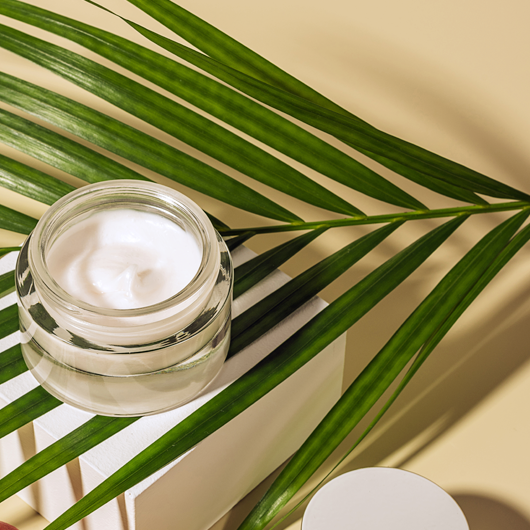


natural alternatives to retinol for aging skin
You're searching for that youthful glow, the kind that whispers of vitality and resilience. For years, the skincare industry has pointed to one star ingredient: retinol. It's hailed as the gold standard for anti-aging, promising smoother texture, fewer wrinkles, and brighter skin. Yet, many of us have experienced its challenging side. The redness, the peeling, the dryness. Often referred to as the "retinol uglies". Can leave skin feeling worse before it (if ever) gets better. What if there was a way to achieve remarkable results without the harsh side effects?
Key Takeaways
- Natural alternatives like bakuchiol deliver retinol-like anti-aging benefits without causing redness, peeling, or dryness.
- Plant-based ingredients such as rosehip oil and peptides gently support collagen production and skin renewal for a smoother complexion.
- Consistent use of these botanicals can improve skin texture and firmness over time, offering a comfortable path to a youthful glow.
- Choosing science-backed natural actives allows even sensitive skin types to achieve visible results without the harsh side effects of traditional retinol.
At Skin Perfection, we believe you shouldn't have to compromise. Our philosophy is rooted in harnessing the power of nature, backed by rigorous science, to deliver transformative results safely and effectively. We understand the desire for potent anti-aging solutions that are also gentle on your skin and aligned with clean beauty principles. This guide explores the science behind retinol and introduces you to the most effective natural alternatives to retinol for aging skin that can help you reclaim your radiance.
Understanding Retinol: The Science Behind the Gold Standard and Its Drawbacks
How Retinol Works on a Cellular Level
Retinol, a derivative of Vitamin A, is celebrated for its ability to influence skin cell behavior. When applied topically, retinol undergoes a two-step conversion process within the skin. First, it transforms into retinaldehyde, and then into retinoic acid. The biologically active form that interacts directly with skin cells. Retinoic acid is a powerful signaling molecule that can bind to skin cell receptors, instructing them to behave more like younger, healthier cells. This directive encourages increased cell turnover, meaning older, duller cells are shed faster, making way for newer, fresher ones. It also signals fibroblasts to boost collagen and elastin production, the proteins responsible for skin's firmness and elasticity.
The 'Retinol Uglies': Why So Many Experience Irritation
The very mechanism that makes retinol effective is also the source of its common side effects, often termed the "retinol uglies." Because retinoic acid accelerates cell turnover so dramatically, it can disrupt the skin's natural barrier function. This disruption leads to increased moisture loss, making the skin susceptible to dryness, flakiness, and a compromised barrier. The rapid shedding of cells can also trigger inflammation, resulting in redness, sensitivity, and sometimes even a temporary worsening of acne or breakouts before improvement is seen. Many users find that this initial period of irritation and discomfort is challenging to endure, leading them to discontinue use before experiencing any long-term benefits.
Important Consideration
The intense activity of retinoids can make skin more sensitive to sunlight. For this reason, traditional retinol products are almost exclusively recommended for nighttime use, and diligent sunscreen application the following day is non-negotiable. This added step and nighttime restriction highlight the need for gentler, yet effective, options for daily use and for those with sensitive skin.
Who Should Avoid Traditional Retinol?
While retinol offers significant anti-aging benefits, it is not suitable for everyone. Individuals with very sensitive skin, rosacea, or eczema often find that retinol exacerbates their conditions, leading to increased inflammation and discomfort. Pregnant or breastfeeding individuals are typically advised to avoid retinoids due to potential risks to the fetus or infant, although topical application is generally considered low risk. Also, those undergoing treatments like chemical peels or microdermabrasion, or those with open wounds or broken skin, should steer clear of retinol until their skin has fully healed. The potential for irritation means that even those without pre-existing conditions might struggle to incorporate it into their routines without significant discomfort.
Top 7 Natural Alternatives to Retinol for Aging Skin

Bakuchiol: The Most Clinically Studied Botanical Retinol
Often hailed as nature's answer to retinol, bakuchiol is a potent antioxidant derived from the seeds and leaves of the Psoralea corylifolia plant. Its efficacy has been recognized in clinical studies, with one head-to-head comparison showing bakuchiol improved wrinkles, pigmentation, and elasticity comparably to retinol, but with significantly less irritation and redness. This suggests it can stimulate cell turnover and boost collagen production without triggering the harsh side effects associated with traditional retinoids. Bakuchiol's gentle nature makes it an excellent choice for those seeking the anti-aging benefits of retinol but who have sensitive skin or cannot tolerate its drawbacks.
Rosehip Seed Oil: Nature's Source of Trans-Retinoic Acid
Rosehip seed oil is a treasure trove of essential fatty acids, antioxidants, and notably, a natural precursor to Vitamin A. It contains small amounts of trans-retinoic acid, the active form of Vitamin A, albeit at much lower concentrations than prescription retinoids. This direct presence of trans-retinoic acid allows it to offer similar cell-regenerating and collagen-boosting benefits. Beyond its Vitamin A content, rosehip oil is rich in linoleic acid, which helps strengthen the skin barrier, and Vitamin C, a powerful antioxidant that brightens skin and combats free radical damage. Its nourishing properties make it ideal for improving skin texture, reducing the appearance of fine lines, and promoting overall skin health.
Sea Buckthorn Oil: Superfruit Fatty Acids for Barrier Repair
Hailing from the Himalayan region, sea buckthorn oil is a nutritional powerhouse for the skin. It is exceptionally rich in omega fatty acids, including omega-3, -6, -7, and -9, which are fundamental components of a healthy skin barrier. These fatty acids help to deeply moisturize, reduce inflammation, and support the skin's natural healing processes. Sea buckthorn oil also contains high levels of antioxidants like Vitamin C and E, helping to protect the skin from environmental stressors and premature aging. Its reparative and protective qualities make it an excellent ingredient for soothing irritated skin and rebuilding resilience, complementing its anti-aging effects.
Carrot Seed Oil: Cellular Regeneration Support
Don't confuse carrot seed oil with essential oil derived from carrot leaves, which can be irritating. True carrot seed oil, extracted from the seeds of the wild carrot plant, is a gentle yet effective botanical. It is rich in beta-carotene, a precursor to Vitamin A, and potent antioxidants like Vitamin E. These components work synergistically to promote cellular regeneration and protect the skin from oxidative damage. Recent studies have indicated its effectiveness in skin rejuvenation, helping to improve skin tone and texture. Its ability to support cell repair makes it a valuable ingredient for addressing signs of aging and promoting a more youthful complexion.
Cacay Oil: The Amazonian Wrinkle Fighter
Cacay oil, extracted from the nuts of the Cacay tree native to the Amazon rainforest, is gaining recognition as a remarkable anti-aging ingredient. It boasts an impressive profile of Vitamin E (tocopherol) and linoleic acid (an omega-6 fatty acid), and is also rich in Vitamin A (retinol) in its natural form, making it a powerful emollient and skin conditioner. Vitamin E acts as an antioxidant, fighting free radicals that contribute to aging, while linoleic acid helps to strengthen the skin barrier and reduce inflammation. Its natural Vitamin A content supports cell renewal and collagen synthesis, helping to soften fine lines and improve skin's firmness and elasticity.
Niacinamide: The Barrier-Strengthening Multi-Tasker
Niacinamide, a form of Vitamin B3, is a true skincare multi-tasker that offers significant anti-aging benefits without irritation. It is renowned for its ability to strengthen the skin's barrier function by increasing ceramide production, which helps to retain moisture and protect against environmental aggressors. This makes it particularly beneficial for sensitive or compromised skin. Niacinamide also possesses antioxidant properties, helps to reduce the appearance of pores, and can improve uneven skin tone and texture. Its anti-inflammatory actions also contribute to a calmer, more radiant complexion, making it a gentle yet potent alternative for age-defying results.
Peptides: Dermatologist-Strength Collagen Signaling
Peptides are short chains of amino acids, the building blocks of proteins like collagen and elastin. When applied to the skin, certain peptides act as signaling molecules, communicating with skin cells to boost collagen production, much like younger skin naturally does. This process helps to firm the skin, reduce the appearance of fine lines and wrinkles, and improve overall skin texture. Unlike retinol, peptides are generally well-tolerated, even by sensitive skin types, as they work by signaling rather than aggressively exfoliating. At Skin Perfection, we formulate with dermatologist-strength peptides, such as those found in our Ten's Up Skin-Tight Booster, to deliver targeted, clinical-level results without irritation, offering a powerful approach to natural alternatives to retinol for aging skin.
The Skin Perfection Approach: Combining Nature With Precision Peptides
Why Natural Botanicals and Clinical Peptides Work Better Together
At Skin Perfection, our philosophy centers on the belief that the most effective anti-aging skincare solutions emerge when nature’s gentlest botanicals meet scientifically proven peptides. Natural alternatives to retinol for aging skin offer antioxidant protection, barrier support, and cell regeneration, but pairing them with targeted peptides amplifies their impact by directly signaling the skin to rebuild collagen and elastin. This combination bridges the gap between nurturing and transforming, allowing your skin to regain firmness and smoothness without compromising comfort or safety.
Botanical ingredients like rosehip seed oil and bakuchiol provide essential fatty acids and antioxidant defense that soothe inflammation and strengthen the skin’s protective layer. Meanwhile, peptides such as those in our Ten's Up Skin-Tight Booster communicate with skin cells to stimulate collagen production at a dermatologist-strength level. By integrating these ingredients, we create formulas that deliver visible age-defying results while minimizing irritation, a balance often missing in conventional retinol products.
Formulating for Maximum Potency Without Irritation
Creating skincare that is both powerful and gentle requires careful selection and concentration of ingredients. At Skin Perfection, we avoid water-heavy formulas that dilute actives and instead use organic aloe vera and other botanical extracts as the base to improve absorption and soothe the skin. This ensures that peptides and natural retinol alternatives maintain their full efficacy.
Formulations like Ten's Up Skin-Tight Booster harness peptides such as Matrixyl Synthe 6 and Argireline at effective concentrations proven in clinical studies, while blending them with EWG Verified natural oils and antioxidants that calm and protect. This approach reduces the risk of barrier disruption and irritation, allowing for consistent use and sustained improvements in skin texture and elasticity. The result is an elegant solution for aging skin that honors both nature and science.
Natural Alternatives vs. Retinol: A Direct Comparison
Head-to-Head Efficacy and Tolerability
When comparing natural alternatives to retinol for aging skin, efficacy is paramount, but tolerance plays an equally critical role. Retinol remains a gold standard due to its ability to accelerate cell turnover and stimulate collagen synthesis. Nevertheless, its frequent side effects such as redness, peeling, and dryness limit its suitability for many users. In contrast, ingredients like bakuchiol have demonstrated comparable improvements in wrinkles, pigmentation, and elasticity with significantly fewer adverse reactions, according to clinical studies referenced by Byrdie.
Natural oils like rosehip seed and cacay provide gentle yet effective retinoid-like benefits through their vitamin A content, while peptides offer a direct, irritation-free method to boost collagen. Combining these natural components with dermatologist-strength peptides, as seen in Skin Perfection’s Ten's Up Skin-Tight Booster, yields a synergistic effect that delivers visible skin tightening and smoothing without the barrier damage common to retinol.
Daytime Use vs. Nighttime Only
Retinol increases photosensitivity, mandating strict nighttime application and diligent sunscreen use during the day. This restriction poses challenges for many, especially those seeking convenient, all-day skincare routines. Natural alternatives, in contrast, frequently offer built-in antioxidant protection that shields skin from environmental stressors, making them safe for daytime use without increasing sun sensitivity.
For example, rosehip seed oil and sea buckthorn oil contain antioxidants such as vitamins C and E that defend against free radical damage, while peptides support ongoing repair and collagen synthesis throughout the day. This flexibility allows users to maintain consistent anti-aging benefits without the risk of irritation or sun damage, a significant advantage for sensitive skin types or those who want to simplify their routines.
| Feature | Retinol | Natural Alternatives |
|---|---|---|
| Mechanism of Action | Converts to retinoic acid to accelerate cell turnover and collagen production | Botanical antioxidants and peptides stimulate collagen and support barrier repair |
| Tolerability | Common irritation: redness, dryness, peeling | Gentle, suitable for sensitive skin with minimal irritation |
| Photosensitivity | Increases sun sensitivity; nighttime use only | Safe for daytime use; offers antioxidant protection |
| Results Timeline | Visible results typically within 4-12 weeks | Gradual improvements with consistent use; enhanced by peptides |
| Recommended Formulation | Requires moisturizer and sunscreen to mitigate side effects | Ten's Up Skin-Tight Booster combines peptides with natural botanicals for balanced efficacy and safety |
How to Safely Transition From Retinol to Natural Alternatives

Step-by-Step Routine Guide
Transitioning from retinol to gentler, natural alternatives to retinol for aging skin should be a thoughtful process, not an abrupt switch. Begin by understanding your skin's current state. If you're experiencing active irritation from retinol, pause its use for a few days to allow your skin barrier to recover. Once calm, introduce your chosen natural alternative gradually. Start by using it every other night, alternating with your regular moisturizer. Observe your skin's reaction closely. If it tolerates the new ingredient well, you can slowly increase frequency to nightly use.
For those looking to completely replace retinol, the key is consistency and patience. Incorporate a gentle cleanser and a hydrating serum into your routine to support your skin's barrier function during the transition. Consider using a calming facial mist to prep the skin before applying your natural serum or oil. This layered approach ensures your skin receives continuous nourishment and support, minimizing any potential shock from changing actives. Listen to your skin; if any discomfort arises, reduce the frequency of the new product and focus on barrier repair.
Layering Best Practices for Botanical Oils and Serums
When layering natural botanical oils and serums, the general rule of thumb is to apply products from thinnest to thickest consistency. Start with a clean, dry face. Apply any water-based serums first, allowing them to absorb for a minute or two. If you are using a peptide serum, such as Skin Perfection's Ten's Up Skin-Tight Booster, this would typically come after your hydrating serums and before oils or heavier creams.
Botanical oils, rich in fatty acids and antioxidants, are best applied as a finishing step in your nighttime routine. They act as occlusives, helping to seal in the beneficial ingredients applied earlier. Gently press the oil into your skin rather than rubbing to avoid disrupting the skin's structure. For daytime, layer your natural retinol alternatives under sunscreen. This ensures that ingredients like bakuchiol or rosehip oil can work synergistically with your SPF to protect and repair your skin throughout the day, offering a continuous anti-aging benefit.
Matching Natural Alternatives to Your Specific Skin Profile
Pregnancy-Safe and Nursing-Friendly Anti-Aging
During pregnancy and nursing, many individuals seek effective anti-aging solutions without the risks associated with traditional retinoids, which are generally advised against due to potential teratogenic effects. Fortunately, a range of natural alternatives to retinol for aging skin are considered safe and beneficial. Ingredients like bakuchiol, derived from plants, have been shown to mimic retinol's benefits for wrinkles and elasticity without the same safety concerns. Rosehip seed oil, rich in Vitamin A precursors and essential fatty acids, also offers cell-regenerating properties suitable for this period.
Other exceptionally gentle yet effective options include peptides, which signal collagen production without systemic absorption risks, and antioxidant-rich botanical oils such as sea buckthorn and cacay oil. These ingredients support skin health, boost hydration, and combat environmental damage, providing a nurturing approach to maintaining a youthful complexion throughout pregnancy and breastfeeding. Always consult with your healthcare provider before introducing new skincare ingredients during these sensitive times.
Gentle Solutions for Sensitive Skin
For those with sensitive skin, rosacea, or easily irritated complexions, the harshness of retinol can be prohibitive. Natural alternatives offer a welcome respite. Bakuchiol, for example, has demonstrated superior tolerability compared to retinol in clinical studies. Ingredients like niacinamide are excellent for strengthening the skin barrier, reducing redness, and improving overall resilience. Soothing botanical oils, such as sea buckthorn, can calm inflammation and replenish the skin's natural lipids, making them ideal for rebuilding a compromised barrier and achieving age-defying results without discomfort.
Solutions for Sensitive Skin and Rosacea
Individuals with sensitive skin or rosacea often struggle with conventional anti-aging treatments due to their potential to trigger redness, inflammation, and barrier compromise. Natural alternatives to retinol for aging skin provide a more harmonious path to rejuvenation. Bakuchiol stands out as a potent yet exceptionally mild ingredient, offering significant anti-aging benefits with minimal irritation. Rosehip seed oil, rich in linoleic acid, helps to fortify the skin barrier and reduce inflammation, which is particularly beneficial for rosacea-prone skin.
Niacinamide is another superstar ingredient; its ability to improve ceramide production strengthens the skin's defenses, reduces redness, and improves overall tone and texture. When formulating with these ingredients, Skin Perfection prioritizes EWG Verified components and dermatologist-strength peptides that signal repair without aggressive action. This approach ensures that even the most delicate skin types can benefit from powerful age-defying treatments, paving the way for a calmer, smoother, and more radiant complexion.
References
Frequently Asked Questions About Natural Retinol Alternatives
Do natural retinol alternatives really work as well as retinol?
Many natural alternatives offer comparable results to retinol, particularly in areas like fine lines, wrinkles, and skin texture. Bakuchiol, for example, has been clinically shown to improve wrinkles, pigmentation, and elasticity similarly to retinol but with significantly less irritation. Ingredients like rosehip seed oil contain natural precursors to Vitamin A, supporting cell turnover. While they may not always achieve the same aggressive exfoliation rate as high-strength retinoids, their efficacy in promoting collagen production and improving skin appearance is well-documented, especially when formulated with potent peptides.
How long does it take to see results from natural alternatives?
The timeline for seeing results from natural alternatives to retinol for aging skin can vary based on the specific ingredient, formulation, and individual skin. Generally, consistent use for 4-12 weeks is recommended to observe noticeable improvements in skin texture, fine lines, and firmness. Ingredients that focus on collagen stimulation, like peptides, may show visible changes sooner than those primarily working on cell turnover. Patience and consistent application are key to unlocking the full potential of these botanical ingredients.
Can I use natural retinol alternatives during the day?
Yes, unlike traditional retinol, most natural alternatives are safe for daytime use. Ingredients like bakuchiol, rosehip seed oil, and cacay oil possess antioxidant properties that can help protect the skin from environmental damage throughout the day. Peptides also work continuously to support collagen synthesis. When using these ingredients during the day, it is always essential to follow up with a broad-spectrum sunscreen (SPF 30 or higher) to provide comprehensive protection against UV radiation, which is the primary driver of premature aging.
Do I still need to apply sunscreen when using botanical anti-aging ingredients?
Absolutely. Sunscreen is a non-negotiable step in any anti-aging skincare routine, regardless of whether you are using retinol or natural alternatives. While many natural ingredients offer antioxidant protection that helps combat free radical damage caused by UV exposure, they do not block or filter UV rays. Consistent daily application of broad-spectrum sunscreen with an SPF of 30 or higher is the most effective way to prevent sun damage, premature aging, and reduce the risk of skin cancer, complementing the regenerative benefits of your chosen skincare.
Frequently Asked Questions
What is the most effective natural retinol alternative?
Bakuchiol stands out as the most effective natural retinol alternative for aging skin. Clinical studies demonstrate this plant-derived compound improves wrinkles and elasticity while avoiding the irritation common with traditional vitamin A derivatives. You can safely incorporate bakuchiol into your daily routine without worrying about sun sensitivity or dryness.
What do Japanese use instead of retinol?
Japanese skincare routines frequently rely on rosehip seed oil as a gentle alternative to retinol. This botanical oil contains natural trans-retinoic acid precursors that support cell renewal and collagen production. The high linoleic acid content also strengthens the moisture barrier, making it a staple for maintaining smooth, hydrated complexions.
What do Koreans use instead of retinol?
Korean beauty formulations often feature sea buckthorn oil to address signs of aging without harsh side effects. This superfruit extract delivers a complete spectrum of omega fatty acids that deeply repair the skin barrier and calm inflammation. Users appreciate how it restores elasticity and reduces fine lines while keeping the complexion calm and balanced.
What to use for anti-aging instead of retinol?
Natural alternatives to retinol for aging skin include bakuchiol, rosehip seed oil, and sea buckthorn oil. Each botanical option stimulates cell turnover and supports collagen production without disrupting the moisture barrier. These clean beauty ingredients deliver visible results while remaining gentle enough for sensitive skin types.
Can natural retinol alternatives be used during pregnancy?
Natural retinol alternatives for aging skin generally offer a safer option for expectant mothers compared to traditional vitamin A products. Bakuchiol and plant-based oils do not carry the same systemic absorption risks associated with synthetic retinoids. Always consult your healthcare provider before starting any new skincare regimen during pregnancy or breastfeeding.