

 Buy with Prime
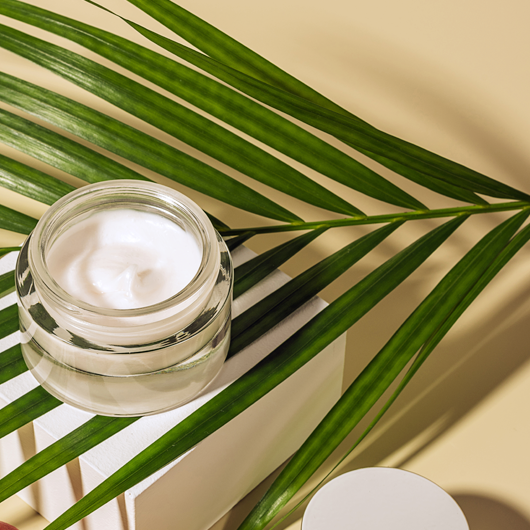


You're probably here because you've bought at least one vitamin C serum that looked promising for a week, then turned darker, felt harsher than expected, or left you wondering whether the active ingredient was still doing anything useful. That frustration is common in DIY skincare and professional treatment rooms alike. Vitamin C is a high-value active, but it's also one of the easiest to mishandle.
That's why powdered vitamin C for skin keeps earning attention from formulators, estheticians, and ingredient-conscious users. In powder form, you get better control over freshness, concentration, and the base you mix it into. You also take on more responsibility. If you ignore pH, overdo the strength, or use sloppy tools, you can end up with a serum that's irritating, unstable, or disappointing.
At Skin Perfection, we sell skincare products and lotion-making supplies, and our products are intended to beautify the skin. We follow FDA rules and regulations in our product listings, which means we don't describe products as fixing, repairing, or healing skin. We also follow Etsy's content rules. That means we avoid explicit or implied disease claims, including claims that an item can treat, mitigate, diagnose, or cure a disease or medical condition, sexual dysfunction, or that it is as effective as an analgesic, antibiotic, antiseptic, antiviral, anti-inflammatory, steroid, vaccine, decongestant, prescription drug, or FDA-approved therapy. That kind of compliance matters. It keeps the focus where it belongs: on safe cosmetic use and visible appearance benefits.
Table of Contents
- The Power of Powdered Vitamin C for Your Skin
- Choosing the Right Vitamin C Powder
- How to Mix Your Vitamin C Serum Safely
- Beginner Friendly DIY Serum Recipes
- Application and Storage for Maximum Potency
- Sourcing Quality Ingredients and Understanding Labels
The Power of Powdered Vitamin C for Your Skin
Pre-made vitamin C serums often fail in three ways. They oxidize too fast, they don't tell you much about actual potency at the moment you apply them, or they use elegant marketing to distract from weak formulation. Powder changes that equation because you control the fresh mix.
For appearance-focused skincare, that matters. Topical vitamin C used at 3% to 10% for at least 12 weeks has been clinically shown to decrease the look of skin wrinkling, reduce apparent skin roughness, and support the appearance of firm skin according to a study indexed on PubMed. That's the range DIY users should keep in mind when they want realistic cosmetic improvement rather than random experimentation.
Why powder works better for many DIY routines
Powdered vitamin C for skin is practical because it gives you:
- Fresh activation: You mix only what you need instead of hoping an old bottle is still potent.
- Control over strength: You can start low if your skin is reactive and work upward with care.
- Freedom in the base: You can use distilled water, a light gel, or a hydrating vehicle that fits your skin type.
- Less waste: Small batches are easier to finish before oxidation ruins them.
Practical rule: The best vitamin C serum is often the one you can mix correctly, tolerate consistently, and finish while it's still fresh.
The biggest misconception is that stronger always means better. It doesn't. An elegant, correctly mixed fresh serum at an appropriate strength usually outperforms a harsh, unstable one that sits half-used on a bathroom shelf.
What you can reasonably expect
Used well, powdered vitamin C for skin can support a brighter-looking complexion, smoother texture, and a more even-looking tone. It's also a smart ingredient for people building antioxidant-focused routines. If you want a broader view of how antioxidants fit into creams and serums, Skin Perfection's article on antioxidants in face creams is a helpful companion read.
Freshness is the main advantage here. You're not buying mystery orange liquid and hoping for the best. You're building a formula with intention.
Choosing the Right Vitamin C Powder
The phrase “vitamin C powder” gets used loosely, and that causes a lot of bad DIY outcomes. Some powders are highly active but more demanding. Others are gentler in use but behave differently in water and on skin. If you treat them all the same, your formula won't perform the way you expect.

What most DIY users actually need
If your goal is the most researched option for visible skin results, L-ascorbic acid is the benchmark ingredient. It's the form most often discussed when people mean classic vitamin C. It's also the form that demands the most respect from a formulator because it performs best in an acidic range.
By contrast, derivatives such as Sodium Ascorbyl Phosphate (SAP) and Magnesium Ascorbyl Phosphate (MAP) are often chosen when the user wants a gentler path or a formula that doesn't revolve around such a low pH. They aren't interchangeable with L-ascorbic acid, and they shouldn't be mixed by copy-pasting an L-ascorbic acid recipe.
A good decision starts with your skin behavior:
- If your skin is resilient: L-ascorbic acid is usually the form people choose first.
- If your skin is easily irritated: A derivative may be easier to work with.
- If you want a simple fresh-water serum: L-ascorbic acid is the clearer DIY path.
- If you want a more hydrating gel texture: Pairing your antioxidant phase with humectants can improve comfort.
In one clinical trial summarized by the Journal of Clinical and Aesthetic Dermatology, 100% of participants agreed their skin's radiance improved, 97% noted smoother texture, and 94% reported firmer-looking skin and a reduction in the appearance of dark spots in a 12-week vitamin C serum trial, as discussed in this clinical review of vitamin C in dermatology.
Powdered Vitamin C Comparison
| Type | Potency/Bioavailability | Ideal pH in Water | Best For |
|---|---|---|---|
| L-Ascorbic Acid | Highest direct activity in DIY skincare | Acidic, typically low pH | Users who want the classic, research-backed form |
| Sodium Ascorbyl Phosphate | Moderate, derivative form | Less acidic than L-ascorbic acid | Oily or easily unsettled skin routines |
| Magnesium Ascorbyl Phosphate | Derivative form, often chosen for gentler formulas | Milder water phase handling | Dry or sensitive-feeling skin routines |
If you're curious about one of those derivatives specifically, Skin Perfection also has educational material on vitamin C magnesium.
Don't buy a powder just because it says “vitamin C.” Buy it because you understand what form it is, how it needs to be formulated, and what kind of skin routine it fits.
For users building a more cushioned serum texture, Sodium Hyaluronate Powder Pure Hyaluronic Acid can be relevant. It's a cosmetic-grade powder used to make water-based serums, creams, and lotions, with a stated molecular weight of 800-1500 Daltons and typical DIY serum use at 0.1% to 2%. That doesn't replace vitamin C. It gives your water phase more hydration and slip.
How to Mix Your Vitamin C Serum Safely
A successful vitamin C serum starts before the powder touches water. Most mistakes happen because people eyeball measurements, use unclean tools, or skip pH testing and assume the formula is fine because it dissolved.

Tools that matter
You don't need a full cosmetic lab, but you do need more than a kitchen spoon.
Use these basics:
- Digital scale: Precise weights matter when you're working in the 3% to 10% range.
- pH strips or a pH meter: Your final formula should land at pH 3.0 to 3.5 for L-ascorbic acid.
- Small glass beaker or mixing cup: Glass is easier to sanitize and inspect.
- Mini spatula or glass stir rod: Better than stirring with random household items.
- Dark airtight bottle: Light and air speed up oxidation.
- Gloves and sanitized workspace: Clean handling reduces avoidable contamination.
For optimal results, powdered L-ascorbic acid must be mixed at 3% to 10% into a solution with a pH between 3.0 and 3.5, and powdered forms are preferred because they avoid the rapid oxidation common in pre-mixed aqueous solutions, as explained in this vitamin C powder formulation guide.
The mixing rules that protect your skin
Three rules matter more than every trendy add-in combined.
- Stay within the active range. If you're new, start at the lower end. More powder is not better if your skin ends up reactive.
- Check pH every time. L-ascorbic acid needs an acidic environment for proper skin penetration. Outside that range, you either lose performance or increase the chance of irritation.
- Make small batches. Fresh formulas outperform old formulas.
If you're building a water-based serum that you plan to keep longer than a single use, preservation also matters. A preservative doesn't stop oxidation of vitamin C itself, but it does help protect the formula from microbial contamination. Skin Perfection has a useful educational category on natural skin care preservative options for DIY formulators.
A serum can be microbiologically cleaner and still be oxidized. Preservation and antioxidant stability are not the same job.
A simple lab-bench workflow
This is the safest way to think about the process:
- Prepare the water phase first. Distilled water is the simplest starting vehicle.
- Weigh the powder, don't scoop by guesswork. Accuracy here determines both comfort and performance.
- Stir gently until dissolved. Avoid aggressive shaking that pulls in unnecessary air.
- Test pH before bottling. This is not optional with L-ascorbic acid.
- Bottle immediately in dark packaging. Cap tightly.
If you want a richer overnight routine instead of putting every active into one bottle, keep your vitamin C serum simple and layer hydration separately. HydroGlow Anti-Aging Night Mask is one example of a leave-on hydration product with three types of hyaluronic acid, polyglutamic acid, jojoba, squalane, aloe, sea silt ferment, and algae extract. Used separately, a product like that can support overnight moisture without forcing your vitamin C formula to do everything at once.
Beginner Friendly DIY Serum Recipes
The easiest way to stay safe with powdered vitamin C for skin is to start with formulas that are boring on paper and reliable in practice. Fancy recipes usually fail because they combine too many variables at once.

Recipe one basic brightening serum
This is the kind of formula I'd give a cautious beginner who wants to learn how L-ascorbic acid behaves.
Formula
- L-ascorbic acid powder: 0.5 g (5%)
- Distilled water: 9.0 g (90%)
- Broad-spectrum preservative: 0.5 g (5%)
Method
- Sanitize your beaker, stir tool, and bottle.
- Add distilled water to the beaker.
- Sprinkle in the L-ascorbic acid and stir until clear.
- Add preservative according to its use instructions.
- Test pH and adjust only if needed.
- Bottle in a small dark container.
This kind of batch is intentionally small. It helps you practice accurate weighing, observe color changes, and use the serum while it's still fresh.
Recipe two hydrating glow serum
This version softens the feel of a basic water serum and gives better slip on dry or dehydrated skin.
Formula
- L-ascorbic acid powder: 0.3 g (3%)
- Distilled water: 9.5 g (95%)
- Sodium hyaluronate powder: 0.1 g (1%)
- Broad-spectrum preservative: 0.1 g (1%)
Method
- Premix the sodium hyaluronate into water and allow it to hydrate fully.
- Stir until the base becomes smooth.
- Add the L-ascorbic acid slowly and dissolve completely.
- Add preservative.
- Test pH before bottling.
This second recipe teaches an important formulating lesson. Comfort and activity can coexist, but only when the water phase is handled properly.
Start with a low-strength serum you'll actually use. Consistency beats a dramatic formula that sits untouched after two applications.
If you enjoy making small custom batches, Skin Perfection's educational guide on how to make face serum is a useful next read for workflow and texture ideas.
Application and Storage for Maximum Potency
A well-made serum can still underperform if you apply it at the wrong point in your routine or store it carelessly. Vitamin C rewards discipline. It does not reward leaving the cap loose on a sunny bathroom shelf.

How to apply it without overdoing it
Use your serum on clean, dry skin. A few drops are enough. Let it settle, then follow with moisturizer. In a morning routine, finish with sunscreen.
For DIY L-ascorbic acid formulas, keeping the pH in the 3.0 to 3.5 range is critical to avoid unnecessary irritation, and daily application is recommended to replenish antioxidant levels reduced by UV exposure, according to this review on topical vitamin C use.
Patch testing is the step people skip when they're excited. Don't skip it.
- Choose a small area: Behind the ear or along the jawline works well.
- Apply once: Use the same concentration you plan to use on your face.
- Wait and observe: Look for persistent stinging, redness, or discomfort.
- Proceed gradually: If your skin is calm, begin with limited facial use and increase as tolerated.
How to store powder and finished serum
Raw powdered vitamin C should stay tightly sealed in a cool, dry, dark place. Your finished serum needs even more protection because once water is added, oxidation becomes the main concern.
Watch for these signs:
- Color shift: Pale to dark yellow, orange, or brown means the formula is degrading.
- Odor change: A strange scent often signals the batch is no longer worth using.
- Texture drift: Separation or odd viscosity changes suggest the formula isn't holding well.
Glass helps here. If you're looking for suitable packaging, Skin Perfection's collection of glass dropper bottles is relevant because airtight, light-protective containers are one of the simplest ways to protect a fresh DIY serum.
Sourcing Quality Ingredients and Understanding Labels
A good DIY result starts with ingredient quality, but it also starts with honest labeling. If a supplier can't clearly tell you what the powder is, how it should be used, and what kind of cosmetic language applies to it, that's a warning sign.
What responsible ingredient labeling looks like
Look for suppliers that provide clear identity and use information instead of hype.
A reputable listing should help you answer practical questions such as:
- What is the exact ingredient name
- Is it intended for cosmetic formulation
- What type of base is it compatible with
- How should it be stored
- Does the seller stay in appearance-focused language
This last point matters more than many shoppers realize. A company that markets every powder like a medical intervention usually isn't showing expertise. It's showing poor compliance judgment.
Why compliant language is a good sign
The FDA states that products intended for the cure, mitigation, treatment, or prevention of disease are regulated as drugs, and platforms such as Etsy also prohibit many explicit or implied disease claims. In practice, that means skincare sellers should not say a cosmetic powder will “fix,” “heal,” or “treat” skin conditions, or that it works like an antiseptic, antibiotic, antiviral, anti-inflammatory, steroid, prescription drug, or FDA-approved product, as outlined in this FDA warning letter and policy context.
That's exactly why Skin Perfection stays disciplined in product language. We sell skincare products and lotion-making supplies intended to beautify the skin. We use FDA rules and regulations when writing listings, and we also follow Etsy's rules against explicit or implied disease claims. We don't describe products as fixing, repairing, or healing skin. We also avoid prohibited claim types, including statements that an item can treat or cure disease, sexual dysfunction, or that it is as effective as an analgesic, antibiotic, antiseptic, antiviral, anti-inflammatory, steroid, vaccine, decongestant, prescription drug, or FDA-approved therapy.
That isn't weak marketing. It's responsible cosmetic marketing.
A trustworthy supplier teaches you how to use ingredients safely, explains real trade-offs, and keeps the promise focused on appearance. That's what smart DIY skincare looks like.
If you want to build safer, fresher DIY skincare with professional-grade ingredients and practical education, explore Skin Perfection. You'll find skincare products, lotion-making supplies, and formulation-focused resources designed for people who care about stability, skin feel, and realistic cosmetic results.