

 Buy with Prime
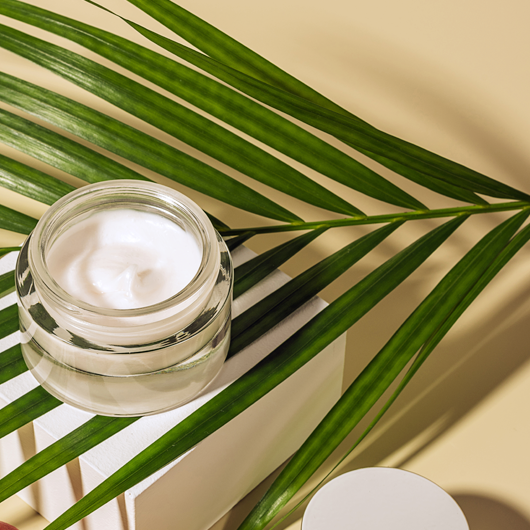


So, what exactly is tallow? In the simplest terms, it’s a purified form of animal fat, usually from beef, that’s created through a process called rendering. For centuries, this incredibly versatile ingredient was a staple in every household, used for everything from cooking to making soap and candles. Now, it's making a significant comeback in the world of DIY skincare and lotion making.
Rediscovering a Skincare Classic

Long before modern chemistry provided us with an endless array of butters and oils, tallow was the original go-to for rich, moisturizing skincare. It has a long and practical history—it was a clever way to utilize every part of the animal, transforming what might have been waste into something truly valuable.
Today, DIY formulators and skincare enthusiasts are rediscovering tallow, drawn to its unique texture and remarkable properties. It’s prized in homemade recipes for its ability to create luxuriously creamy balms and firm lotion bars that feel amazing on the skin. This revival is part of a bigger shift toward using familiar, time-tested ingredients in our personal care routines. If this approach resonates with you, you can explore more about the benefits of using natural and organic products in our detailed guide.
From Farm to Formulation
Tallow is most often sourced from cattle (bovine) and sheep. The journey it takes from raw fat to a usable skincare ingredient is all thanks to rendering. This process purifies the fat by melting it down and removing any impurities, leaving behind a stable, solid product that’s perfect for crafting.
It's essential to remember that, for any crafter, the quality of the final tallow can depend significantly on the animal's diet and the specific rendering method used.
Far from being just a niche ingredient, tallow is a major global commodity. The market was valued at around USD 9.02 billion in 2024 and is expected to keep growing. This demonstrates its versatility, not just in skincare but across various industries.
In the world of DIY skincare, tallow is appreciated for its rich, emollient properties. It provides a dense, protective quality to homemade lotions and balms, making it an excellent base ingredient for creators looking to achieve a specific texture and feel in their final products.
To give you a quick snapshot, here’s a simple breakdown of what makes tallow what it is.
Tallow at a Glance
| Characteristic | Description |
|---|---|
| Type | Purified animal fat |
| Primary Source | Beef (bovine) suet |
| Texture | Solid at room temperature, waxy feel |
| Key Properties | Emollient, occlusive, moisturizing |
| Traditional Uses | Cooking, soap making, candle making |
| Modern Uses | Skincare balms, lotions, salves, lip balms |
Ultimately, tallow's story is one of rediscovery. What was once a household essential is now being celebrated again for its natural feel in the DIY community.
A Look Inside Tallow's Unique Makeup
So, what exactly makes tallow such a powerhouse ingredient for your skin? The secret is in its chemical structure, which happens to be incredibly similar to the natural fats found in our own skin. At its heart, tallow is made up almost entirely of fatty acids—the essential building blocks for beautiful-looking skin.
Think of your skin's moisture barrier like a brick wall. Your skin cells are the bricks, and the mortar holding them all together is a blend of lipids (fats). This mortar is essential for maintaining your skin's strength and retaining moisture. Tallow's fatty acid profile is a near-perfect match for the lipids our skin produces naturally, which is why it feels so compatible when used.
Getting to Know the Fatty Acids
While the exact amounts can change depending on the animal's diet and breed, beef tallow is always rich in three main fatty acids. Together, they create tallow's signature texture and feel.
- Oleic Acid: A monounsaturated fatty acid that gives tallow its rich, conditioning quality.
- Palmitic Acid: A saturated fatty acid that helps create a solid, protective feel in balms and lotions.
- Stearic Acid: Another saturated fatty acid that contributes to a creamy, luxurious feel in your DIY creations.
It's the synergy between these three fatty acids that makes tallow such a fantastic base for homemade skincare. Its composition provides a rich, occlusive quality perfect for crafting dense balms and firm lotion bars that feel pleasant on the skin.
Beyond these core fats, tallow also contains trace amounts of fat-soluble vitamins like A, D, E, and K. In the skincare world, these vitamins are prized for their ability to support the skin's overall appearance. Understanding this makeup helps you understand why tallow is so effective and how to use it optimally in your own recipes to achieve beautiful, radiant-looking skin.
How Tallow Is Made: A Look at Rendering

So, how do we transform raw animal fat into the beautiful, creamy white tallow perfect for lotions and balms? The magic happens through a traditional process called rendering. If you've ever clarified butter, you're already familiar with the basic idea. You're gently melting the fat down to separate the pure, liquid gold from any leftover bits of meat or tissue.
It’s a straightforward process, but it does ask for a bit of patience. The raw fat, known as suet, is chopped up or ground and then slowly heated. As it melts, the pure fat separates and can be strained off. Once it cools and solidifies, you’re left with clean, versatile tallow ready for all your skincare projects.
This age-old technique isn't just for skincare; it shares its roots with many traditional meat preservation methods that have been used for centuries.
Different Methods and What They Mean
There are two main ways to render tallow, and the path you choose can really influence the final product's color and scent.
-
Dry Rendering: This is the simplest method—just fat in a pot, heated slowly. It’s usually faster, but you have to keep a close eye on the temperature. If it gets too hot, the fat can scorch, leaving you with a darker tallow and a distinct "beefy" aroma.
-
Wet Rendering: For this technique, add water to the pot with the fat and simmer. The water acts as a buffer, preventing scorching and helping to remove additional impurities. After you strain it and let it cool, the solid tallow separates perfectly from the water. This method typically gives you a much whiter, more neutral-smelling product, which is precisely what you want for skincare.
The whole point of rendering is to create a clean, stable fat. For DIY skincare, wet-rendered tallow from grass-fed sources is the gold standard. It generally has the mildest scent and purest white color, making it an ideal base for just about any lotion or balm you can dream up.
Understanding this process helps you pick the best tallow for your needs. High-quality tallow should be firm to the touch, with a creamy white to pale yellow hue and a very faint, clean smell. Getting this right from the start ensures your finished products will have the perfect texture and feel you’re aiming for.
Using Tallow in Your DIY Skincare Formulations

Alright, you know what tallow is and how it’s rendered. Now we get to the enjoyable part—rolling up our sleeves and using it in our own skincare creations! Tallow has this wonderfully rich, emollient texture that makes it a dream base for a whole range of homemade products.
Its solid consistency at room temperature is a huge plus. It’s precisely what you need for crafting things like firm lotion bars or those dense, creamy balms that melt into your skin.
When you're dreaming up a recipe, think of tallow as the foundational "butter," much like you would use shea or mango butter. Its main job is to provide that luxurious feel and give your product some structure. Since it melts right around body temperature, it glides on beautifully, making it perfect for anything you apply directly to your skin.
Getting Started with Simple Recipes
The best way to get a feel for how tallow works is to start simple. A basic balm is a fantastic first project because it only needs a few ingredients and really lets tallow’s properties shine. Here’s a little roadmap to get you going.
-
Tallow as the Base: For a simple, nourishing balm, let tallow be the star. It can make up most of your formula, providing the bulk, the texture, and that excellent emollient feel.
-
Adding Liquid Oils: Want something a bit softer and more spreadable? Blend your tallow with a liquid carrier oil. Jojoba or sweet almond oil is a great choice to soften the final product.
-
Incorporating Waxes: If you’re aiming for something firmer, like a solid lotion bar or a lip balm that won't melt in your pocket, add a small amount of beeswax or candelilla wax. This will increase the melting point and add an extra layer to the texture.
The real beauty of DIY skincare is that you are in complete control. By tweaking the ratios of tallow, liquid oils, and waxes, you can create a product with the exact texture you’re looking for. I always recommend starting with small batches to experiment until you find that perfect balance.
Tips for Successful Formulations
Working with tallow is relatively straightforward, but a few key tips can ensure your projects turn out perfectly every time. Paying attention to these details helps create stable, professional-feeling products that are a joy to use. For more detailed recipes, don't forget to check out our complete guide to making your own skin care products.
Another fantastic resource I often recommend is Tallow Skin Balm: Your Guide to Natural Skincare, which offers great step-by-step instructions.
And remember the basics: always use clean, sanitized equipment and follow safe handling practices. Storing your finished products in a cool, dark place will keep them fresh and ready to enjoy.
Comparing Tallow to Plant-Based Butters
When you're whipping up your own skincare, choosing the right base is everything. It often comes down to a choice between good old-fashioned tallow and the more common plant-based butters. While they can all create gorgeous, luxurious products, their properties are quite different, and that will absolutely change the final result.
Tallow's magic lies in its fatty acid profile, which is loaded with palmitic and stearic acids. This composition gives it a unique firmness and a rich, creamy texture that feels remarkably similar to our skin's own natural oils. It's a fantastic emollient, perfect for crafting dense balms or solid lotion bars that melt right in and feel deeply moisturizing.

As you can see, while tallow does bring some vitamins to the table, its real strength in skincare formulation lies in its unique fatty acid structure.
Head-to-Head: Tallow vs. Plant Butters
Of course, plant-based butters have their own unique personalities. Shea butter is renowned for its exceptionally soft and creamy texture, making it a go-to ingredient for light, whipped body creams. Coconut oil has a much lighter feel and a lower melting point, which is ideal if you're aiming for a softer, more spreadable product.
So, which one is better? It’s not about superiority; it’s about your creative vision for the final product. You might reach for tallow to formulate a heavy-duty, protective-feeling winter balm, but then opt for shea butter to create a fluffy, everyday body moisturizer.
To help you decide, let's break down how these popular ingredients compare to each other. The table below provides a quick, side-by-side comparison of tallow, shea butter, and coconut oil, focusing on the properties most important to a DIY formulator.
Tallow vs. Plant Butters: A Comparison for DIY Formulators
| Property | Tallow | Shea Butter | Coconut Oil |
|---|---|---|---|
| Texture | Firm, waxy, creamy when whipped | Soft, creamy, buttery | Solid below 76°F, oily when melted |
| Skin Feel | Rich, protective, deeply moisturizing | Smooth, nourishing, can feel greasy | Light, fast-absorbing, can feel drying for some |
| Fatty Acids | High in oleic, palmitic, and stearic acids | High in stearic and oleic acids | High in lauric and myristic acids |
| Skin Similarity | Very similar to human sebum | Similar, but less so than tallow | Less similar to human sebum |
| Best For | Balms, salves, lotion bars, dry skin products | Whipped body butters, creams, lotions | Light lotions, hair masks, oil cleansers |
Each of these fats offers something different, giving you an incredible palette to work with. Tallow provides that hard-to-replicate protective feel, while plant butters offer a wider range of textures for various creations.
This is why it's so helpful to get familiar with a variety of ingredients. For a closer look at other powerhouse options, check out our list of the 8 top natural beauty ingredients for homemade DIY skincare recipes.
It's also interesting to see how these preferences play out in the broader market. The global beef tallow market was valued at approximately USD 43.15 billion in 2022 and is expected to continue growing. However, it’s facing some serious competition from consumers who are increasingly drawn to plant-based options, with 41% of consumers saying they prefer healthier oils and 29% actively shifting toward vegan substitutes. This illustrates the importance of understanding your ingredients and audience when you begin creating.
Common Questions About Using Tallow
Whenever you're trying a new ingredient, it's perfectly normal to have questions. Understanding the nuances of tallow and its behavior will give you greater confidence as you begin creating your own beautiful skincare products.
One of the first things people wonder about is the smell. Let's be honest, nobody wants their face cream to smell like a steak dinner. A high-quality, properly rendered tallow should have a very clean, neutral aroma. If you catch a strong, "beefy" whiff, it's a sign the rendering process wasn't as clean as it could have been. For skincare, always opt for the most purified tallow you can find.
Perfecting Texture and Freshness
Another significant question concerns texture. Will my products feel greasy? Not at all, when formulated correctly. Tallow's consistency is often compared to that of soft butters, such as shea, creating a rich, protective feel that doesn't seem overly heavy or slick when it sinks in.
Here's a key takeaway for any at-home formulator: tallow's unique texture is what makes it a fantastic foundational ingredient for balms and lotion bars. It gives your products that substantial, protective feel on the skin.
Ensuring your creations stay fresh is also a significant part of the puzzle. Proper storage is everything! Here are a few simple best practices to follow:
- Airtight is Right: Always store your finished products in clean, airtight containers. This keeps air and moisture out, which are the enemies of freshness.
- Keep it Cool: Keep your tallow-based goodies out of direct sunlight and away from heat. This can degrade the ingredients and seriously shorten their shelf life. A cool pantry or cabinet is the perfect spot.
- Clean Hands, Always: This is a crucial yet straightforward principle. Always use clean hands or a little spatula to scoop out the product. This helps prevent contamination and keeps your hard work fresh for much longer.
Ultimately, it’s interesting to see just how significant this ingredient is in the broader context. In North America alone, the tallow market is projected to grow from USD 2.09 billion in 2021 to USD 2.63 billion by 2025. This isn't just a niche DIY ingredient; it's a major player across many industries. If you're a data nerd like me, you can read the complete market research about tallow's growth to learn more.
At Skin Perfection, we provide the high-quality ingredients you need to bring your DIY skincare visions to life. Explore our extensive selection of lotion-making supplies to craft your perfect formulation today at https://www.naturalorganicskincare.com.