

 Buy with Prime
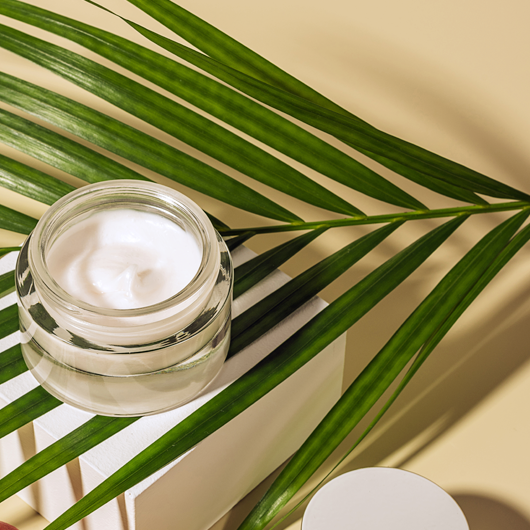


By mid-summer, a lot of skin routines start to fail in very predictable ways. Skin feels slick on the surface but dehydrated underneath. SPF gets reapplied unevenly, richer creams start to feel heavy, and the glow you wanted turns into dullness, congestion, or a tired-looking finish by afternoon.
That's where a peptide-focused routine earns its place. In practice, peptides work best when they're treated as support ingredients, not miracle ingredients. They fit into a smart summer routine because they pair well with hydration, layer easily under sunscreen, and help keep skin looking smoother, fresher, and more resilient when heat, sweat, and UV exposure are working against you.
If you've been trying to build your summer skin routine with peptides: how to protect, hydrate, keep your glow, the goal isn't to use more products. It's to use a better sequence, lighter textures, and ingredient combinations that make sense in hot weather.
Why Your Summer Skincare Needs Peptides
Summer skin has a contradiction built into it. You want brightness, bounce, and that healthy reflective look, but the same season that gives you more glow also puts more stress on your skin's appearance. Sun exposure, heat, sweat, salt, chlorine, and inconsistent hydration can all leave skin looking flatter and less refined.
Peptides help because they act like short chains of amino acids that support the skin's cosmetic appearance. In skincare, they're often used to help skin look firmer, smoother, and better hydrated over time. That matters in summer, when the skin's polished look can be harder to maintain.

A useful reference point comes from ISDIN's overview of peptides in skincare, which notes that research in the International Journal of Cosmetic Science found topical Matrixyl 3000 supported an increase in the look of collagen I by 75% in lab settings. That matters because chronic UV exposure is linked to about 90% of visible signs of skin aging, including changes in texture and firmness, as summarized in the same source.
What peptides do well in summer
Peptides aren't a replacement for sunscreen, and they're not a shortcut around basic skin maintenance. What they do especially well is support a routine built around:
- Hydration support that doesn't have to feel greasy
- A smoother-looking surface under daytime SPF
- A firmer, fresher appearance when skin starts to look weather-worn
- Layering flexibility with humectants and lightweight moisturizers
Summer skincare works better when every layer has a job. Peptides support the look of the skin. Hydrators draw in water. Sunscreen protects the routine you built.
If you want a deeper primer on ingredient categories, Skin Perfection's peptides for skin benefits guide is a useful starting point.
What peptides won't do
Peptides won't compensate for overexposure, skipped SPF, harsh exfoliation, or a routine that's too rich for the climate you're in. That's the trade-off people often miss. A strong peptide serum in a poorly built summer routine still won't wear well.
The better approach is simple. Keep the formula elegant, keep the barrier comfortable, and let peptides do what they do best: support the appearance of hydrated, smooth, radiant skin without pushing your routine into heaviness.
Your Foundational AM and PM Peptide Routine
Most summer routines go wrong at the layering stage. People either overload the skin in the morning, or they use peptides inconsistently and expect too much from a single application. A strong routine is less about complexity and more about order.

Your morning routine
Morning is about preparing skin for heat, light, and long wear.
-
Cleanse gently
Use a low-foam or cream-gel cleanser that removes overnight oil without stripping. In summer, over-cleansing can make skin feel tight early and shinier later. -
Apply peptide serum to damp skin
This step holds greater importance than commonly perceived. Vivant Skincare's summer hydration guidance notes that applying a peptide concentrate on damp skin can boost hyaluronic acid retention by up to 40%. The same source says estheticians often recommend peptide concentrations of 5 to 10% to support fibroblast signaling for a firmer-looking appearance without unnecessary irritation. -
Press, don't over-rub
I prefer to spread one thin layer, then press it in with flat hands. Rubbing aggressively can make lightweight serums pill, especially if sunscreen goes on soon after. -
Add an antioxidant if your skin tolerates it
This is optional, not mandatory. If your skin handles antioxidant serums well, apply that after peptides and before moisturizer. -
Finish with a lightweight moisturizer
In humid weather, think fluid lotion, gel-cream, or an emulsion. The right moisturizer should soften the skin and reduce water loss without creating slip that interferes with sunscreen. -
Apply broad-spectrum sunscreen last
This closes the routine.
Practical rule: If your morning routine pills, don't blame the peptides first. Usually the problem is too much product, not enough dry-down time, or a moisturizer that's too silicone-heavy for the sunscreen layered on top.
For readers comparing textures and formats, Skin Perfection's what is peptide serum resource helps clarify how these products are typically used.
Your evening routine
Night is where peptides often feel easiest to use because you don't have to build around sweat, sun, or makeup longevity. The goal is a clean surface, comfortable hydration, and a formula that won't leave skin smothered.
A simple PM sequence
- First cleanse if you wore makeup, water-resistant sunscreen, or spent time outdoors.
- Second cleanse with a gentle cleanser to remove residue cleanly.
- Peptide serum on slightly damp skin.
- Hydrating layer such as a hyaluronic acid serum or essence if your skin feels dry.
- Moisturizer chosen by skin type and climate.
Evening is also the better time to decide whether your skin wants more hydration or less. If your face feels hot and sticky after cleansing, keep the last step light. If it feels tight after air conditioning or sun exposure, add a creamier final layer.
What works and what usually doesn't
A peptide routine performs best when the texture matches the season. In treatment rooms, I see the same pattern every summer: clients reach for richer formulas because they feel comforting at night, then wake up looking more congested than radiant.
Here's the practical split:
| Routine choice | Usually works in summer | Often backfires |
|---|---|---|
| Cleanser | Gentle gel or cream-gel | Harsh foaming cleanser twice daily |
| Peptide format | Lightweight serum or fluid | Thick, waxy treatment layer |
| Hydration step | Applied on damp skin | Applied to very dry skin, then sealed too heavily |
| Night finish | Skin-type adjusted moisturizer | One rich cream used every night regardless of weather |
A few application notes from practice
- Use less than you think. A thin, even peptide layer is usually enough.
- Give each layer a moment. Even a short pause improves feel and reduces pilling.
- Adjust by weather, not habit. What worked in January may feel suffocating in July.
The best summer peptide routine is boring in the right way. It's repeatable, stable, and easy enough that you'll stick with it.
Perfecting Your Peptide and SPF Synergy
Peptides and sunscreen should never compete for attention. They do different jobs, and summer skin looks better when both are doing their part. Peptides support the skin's visible quality. Sunscreen helps reduce the daily exposure that can undermine every other step in the routine.
That's why I treat SPF as the structure holding the rest of the regimen together. Without it, you can still have a pleasant routine, but not a very efficient one.
Why this pairing matters
Wellbeing Nutrition's summer hydration article notes that reapplying a broad-spectrum SPF 30+ every two hours helps minimize the effects of UV exposure, which can activate enzymes that contribute to collagen breakdown. The same source also notes that some protocols pair a morning peptide serum, including copper peptide formulas, with an antioxidant serum before SPF for a multiplier effect in photoprotection.
That's the useful framework. Peptides support. SPF protects. Antioxidants round out the morning.
How to make the layers wearable
In real use, the challenge isn't knowing you need sunscreen. It's getting sunscreen to sit well enough over skincare that you'll reapply it.
A few decisions make a big difference:
- Choose lighter peptide textures in hot weather so your sunscreen doesn't slide
- Let the serum settle briefly before applying moisturizer or SPF
- Match texture to climate with gel SPFs, fluid lotions, or light creams depending on your skin type
- Take sunscreen beyond the face because neck, chest, and hands are where routines often become inconsistent
The best peptide serum in the world won't look impressive under a sunscreen you hate wearing.
If you need help sorting through sunscreen textures and finish preferences, Skin Perfection's summer sunscreen guide is a practical reference.
Common mistakes that weaken the pairing
The most common issue is using a rich moisturizer under SPF in humid weather. That often leaves skin shiny, encourages product movement, and makes reapplication unpleasant.
The second mistake is treating morning SPF as a one-and-done step. Summer routines hold up better when reapplication is planned, not improvised. If you know you'll be outside, keep a sunscreen format you enjoy using. A routine only works if the protective step stays consistent through the day.
Customizing Peptides for Your Unique Skin
There's no such thing as one perfect peptide routine for everyone. Summer changes how products feel, how much shine you tolerate, and how quickly your skin becomes uncomfortable. The right peptide routine is the one that suits your skin type, your climate, and your tolerance for layers.
Peptide routine adjustments by skin type
| Skin Type | Peptide Focus | Texture Tip | Pairing Suggestion |
|---|---|---|---|
| Oily | Lightweight peptide serum | Use water-light or gel-serum textures | Pair with gel moisturizer and fluid SPF |
| Dry | Cushioning peptide serum or lotion | Choose an emulsion or light cream | Pair with hyaluronic acid and a richer evening cream |
| Sensitive | Simple peptide formula | Keep layers minimal | Pair with bland moisturizer and careful patch testing |
| Combination | Flexible peptide serum | Use thin layers, adjust by zone | Pair with light hydration overall and extra cream only where needed |
Oily and combination skin
Oily skin usually doesn't need fewer hydrating steps. It needs better texture choices. A watery peptide serum, a light gel-cream, and a breathable sunscreen often outperform a complicated routine loaded with balancing products that end up stripping the skin.
Combination skin needs even more flexibility. Don't apply every product evenly just because that feels tidy. If the center of your face gets shiny but your cheeks dehydrate in air conditioning, let the routine reflect that. Use the same peptide serum all over, then change the amount of moisturizer by area.
Dry skin
Dry summer skin can be deceptive. It may not feel flaky, but it can still look dull, tight, or less bouncy after sun exposure and long days in climate-controlled spaces.
For dry skin, peptides usually do best when layered with humectants and a moisturizer that has more cushion. The key is not heaviness for its own sake. It's enough softness to keep the skin looking supple by morning without creating a greasy film.
Clients with dry skin often assume summer means they should switch to very little moisturizer. Usually they need lighter texture, not less hydration.
Sensitive skin
Sensitive skin does best with restraint. Choose a peptide product with a short ingredient list, avoid piling on too many actives at once, and patch test before using a new formula across the full face.
What often goes wrong is not the peptide itself. It's the combination of peptide serum, acid toner, strong vitamin C, retinoid, and fragranced sunscreen all in one routine. When skin gets reactive in summer, simplify first.
A better way to personalize
I usually tell clients to make choices in this order:
- Start with feel. If the formula feels sticky, heavy, or overly coated, you won't use it consistently.
- Then check compatibility with your moisturizer and sunscreen.
- Finally adjust frequency based on how your skin looks after a week or two.
If you want to compare peptide categories and cosmetic goals more closely, Skin Perfection's best peptides for anti-aging guide is a helpful next read.
The point of customization isn't to create a fussy routine. It's to build one that still feels good in August, not just on the day you bought it.
Advanced Glow Support and DIY Formulations
DIY formulators usually make one of two mistakes with peptides in summer. They either overcomplicate the formula with too many competing actives, or they keep the ingredient list clean but ignore how climate changes wearability. Summer exposes both problems quickly.

Why plant-derived options appeal in summer
For humid climates, formula elegance matters as much as ingredient choice. Longevity.Technology's peptide overview notes that emerging reports suggest plant-derived peptides, including cassia seed peptides, may have higher bioavailability in high humidity and may help skin maintain a hydrated look for longer. The same source also notes that while synthetic peptides such as Matrixyl and Argireline are highly effective, some users prefer the lighter feel of plant-based alternatives during sweaty summer weather.
That preference matters. If a serum feels cleaner, lighter, and easier to reapply around the edges of a summer routine, people tend to stay consistent with it.
Building a better DIY peptide formula
A smart summer peptide formula usually benefits from a narrow focus. Instead of trying to make one serum do everything, I'd rather see a formulator build around a few complementary functions:
- Peptides for visible smoothness and firmness
- Hyaluronic acid for water-binding hydration
- A light support system that doesn't leave drag under SPF
- Barrier-friendly companions such as simple moisturizers that don't overwhelm the formula
If you enjoy broader skin wellness tools alongside cosmetic skincare, MedEq Fitness has a useful overview of red light therapy for pain relief. It's not a substitute for topical skincare, but some readers like understanding how different non-invasive wellness modalities fit into a self-care routine.
What makes a DIY peptide product wear well
Good summer formulas usually share the same traits:
- Low heaviness so they sit comfortably under daytime products
- Fast spread with short playtime instead of a sticky afterfeel
- Clear role in the routine rather than a long list of trendy extras
- Thoughtful pairing with the rest of the regimen
A peptide formula can be sophisticated without being crowded. If everything is “active,” nothing layers well.
For readers developing custom products, Skin Perfection's cosmetic formulation resources are worth bookmarking.
The best DIY summer serum isn't the one with the longest ingredient deck. It's the one you can apply on a hot morning, layer under sunscreen, and still enjoy wearing by noon.
Navigating Summer Skin Challenges with Peptides
A lot of frustration with peptides comes from mixing them into routines that are already too aggressive. Summer doesn't always reward intensity. It rewards balance.
One of the most common questions is whether peptides can be used with vitamin C, AHAs, or retinol. The answer depends on the peptide. A helpful point from this peptide layering discussion on YouTube is that some peptides, especially copper peptides, may have reduced efficacy when used with low-pH ingredients such as direct acids or L-ascorbic acid. A practical approach is to use peptides at a different time of day, such as in the morning under SPF, and reserve AHA or retinol for night.
If your skin feels congested
When skin starts to feel crowded in summer, the first fix usually isn't removing peptides. It's changing the texture around them.
Try this instead:
- Switch your moisturizer from cream to gel-cream or lotion
- Reduce the number of leave-on layers
- Keep exfoliation gentle and infrequent
- Watch how your sunscreen finish interacts with your serum
If you're not seeing the glow you expected
Peptides are support ingredients. They tend to reward consistency more than intensity. If the skin still looks dull, check the basics first. Are you applying on damp skin, using a comfortable moisturizer, and keeping sunscreen consistent? Those choices usually matter more than adding another bottle.
Good summer skin rarely comes from the strongest routine. It usually comes from the most sustainable one.
A balanced peptide routine can be one of the smartest ways to support a smooth, hydrated, radiant look through the hottest months. Keep the formulas compatible, keep the textures season-appropriate, and let consistency do the work.
If you're ready to upgrade your routine or create your own peptide-based skincare, explore Skin Perfection for finished products, peptide serums, and DIY lotion-making supplies designed for radiant, healthy-looking skin.