

 Buy with Prime
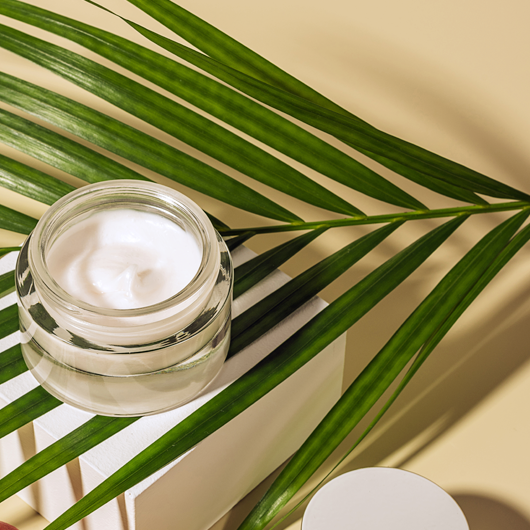


clean beauty skin care products
Clean beauty has no single legal definition, so a label alone cannot tell you whether a formula meets your standards. To assess clean beauty skin care products, look past marketing language and check the ingredient list, specific certifications, and whether the product’s claims are independently verifiable.
Key Takeaways
- Clean beauty is a marketing term rather than a regulated category, which means brands can use the label freely without meeting any official standard.
- Reading the full ingredient list gives you far more reliable information than front-of-package claims ever will.
- Third-party certifications offer a stronger signal of quality because they require brands to meet defined, audited criteria.
- Brands like Ilia, Lila Beauty, and other sustainable makeup companies should be evaluated by their formulas and verified claims, not their buzzwords.
- A product that works for your skin matters just as much as how clean its formula is, so performance and safety deserve equal attention.
I’m Kari Thomas, and I believe you shouldn’t have to choose between thoughtful ingredients and a formula that serves a real purpose. Here’s how to read “clean” more carefully, including what the term can and cannot tell you about makeup and sustainability.
What 'Clean' Really Means in Skin Care, And What No One Tells You
“Clean” generally describes a brand’s ingredient standards, but it is not a single government-regulated category with one universal definition. One company may exclude certain preservatives or fragrance ingredients; another may use the word to signal a broader approach to sourcing or formulation. Read the actual ingredient list and look for clearly named standards rather than assuming that “clean,” “natural,” or “non-toxic” guarantees a particular formula.
Clean Beauty Is Not Regulated: The Legal Gray Zone
In the United States, “clean beauty” does not function as a standardized certification. The phrase alone does not confirm that a product is organic, free of every synthetic ingredient, or independently reviewed. Private standards can shape the term without making every brand’s definition identical.
Pay attention to the distinctions. “Fragrance-free” means a product is presented without added fragrance, while “unscented” can describe a product whose scent has been masked. “Synthetic-free” is a broader formulation claim, not proof of safety. And “non-toxic” needs context: ask which ingredients the claim refers to and what standard supports it. Ingredient safety depends on the substance, concentration, use, and individual sensitivities, not a simple natural-versus-synthetic divide.
Ingredient Red Flags to Watch: Parabens, Phthalates, PEGs, and Synthetic Fragrance
These ingredients often appear on consumer watch lists, but a name on a list is a reason to investigate, not automatic proof that a finished product is harmful. Parabens are preservatives; phthalates may be associated with fragrance or other formula components; PEGs are a family of ingredients used for functions such as texture and moisture. “Synthetic fragrance” can refer to a blend whose individual components may not be listed in detail. If you prefer to avoid a category, check the full ingredient declaration and the brand’s stated policy.
How to Read an Ingredient Label in 60 Seconds
Start with the first several ingredients, which usually make up the largest share of a formula. Identify the product’s purpose, then check whether the key ingredients match it. Scan for fragrance if you are sensitive, review preservatives rather than assuming their presence is a flaw, and look for a standard that can be verified independently. A label is a useful starting point, not a substitute for checking how a brand defines its claims.
For a specific example, Organic Skin Care Kits - Lip Balm is USDA organic certified and EWG Verified. Its listed ingredients include sunflower seed oil, beeswax, coconut oil, spearmint oil, vitamin E, rosemary leaf extract, calendula flower extract, and naturally occurring limonene. The product is paraben-free and cruelty-free, with recyclable and reusable packaging. These details let you assess defined claims instead of relying on “clean” alone.
Brand Audit: Is Ilia Makeup Clean? And Who Is Lila Beauty?

Ilia Beauty Under the Microscope: Certifications, Ingredients, and Trade-Offs
Is Ilia makeup clean? The most accurate answer is that “clean” depends on the standard you apply. Ilia Beauty was founded in 2011 and later accepted investment from Famille C, the Clarins family. Those facts do not establish whether a particular product meets your ingredient preferences. Formulas can include both naturally derived and synthetic ingredients, so assess the individual product rather than treating a brand-wide label as a complete ingredient audit.
Look for a current ingredient list and the exact certification or third-party verification attached to the specific item. If a product does not display a standard you can confirm, don’t infer verification from general clean-beauty messaging. Personal criteria matter, too: someone avoiding fragrance may reach a different decision from someone focused on packaging or organic sourcing.
Lila Beauty's Positioning: Genuine Clean or Clever Marketing?
The name alone is not enough to establish which company or product line a shopper means, or whether a specific formula is independently verified. Before deciding whether lila beauty meets your standards, confirm the exact brand and product, then review its current ingredient declaration, published exclusions, and any named certification. If the company does not identify a verifiable standard, treat “clean” as its own marketing description rather than proof of independent review.
Sustainable Makeup Brands vs. Clean Brands: Why One Doesn't Guarantee the Other
Sustainability and ingredient standards answer different questions. A sustainable makeup brand may focus on refillable packaging, recycled materials, responsible sourcing, or reduced waste. Those choices do not automatically establish what is in the formula. Likewise, an ingredient-conscious product may come in packaging that is difficult to recycle. Evaluate each claim on its own evidence, and decide which factors matter most to you: formula contents, sourcing, packaging, or a combination.
| What you’re checking | Evidence to look for | What it does not prove by itself |
|---|---|---|
| Ingredient standards | Full product ingredient list and clearly stated exclusions | That every formula from the brand follows the same criteria |
| Third-party review | A named certification or verification that applies to the specific product | That the product fits every personal preference |
| Sustainability | Specific packaging, sourcing, or waste-reduction details | That the formula meets a particular ingredient standard |
A Clearly Stated Product Example
Organic Skin Care Kits - Lip Balm offers a concrete way to assess product-level claims: it is USDA organic certified and EWG Verified, and its ingredient hazard scores are listed as low hazard. The balm comes in a kit of five chapsticks, is made in the USA, and uses moisturizing oils to hydrate and help protect dry lips. Its packaging is recyclable and reusable. These specifics provide more useful buying information than a broad label by itself.
EWG VERIFIED, Think Dirty, and the Five-Minute Verification Test
What EWG VERIFIED and Think Dirty Ratings Actually Measure
EWG VERIFIED is a product-level mark tied to the Environmental Working Group’s ingredient and manufacturing criteria. Think Dirty provides product information and ingredient assessments through its database and app. Check that the exact product and current formula appear in a database listing before relying on it.
The Five-Minute Checklist to Vet Any Clean Beauty Brand
Use this quick routine before adding clean beauty skin care products to your cart. It helps separate verifiable details from broad claims without requiring you to become a cosmetic chemist.
- Confirm the exact product. Match the name and format on the package to the database entry.
- Check the full ingredient list. Look for the active ingredients you want, plus any ingredients you personally avoid.
- Verify certification status. Search EWG VERIFIED or Think Dirty directly, and confirm that the listing covers the product in front of you.
- Read the standard behind the claim. Find out whether the company names its exclusions, sourcing rules, or testing criteria.
- Assess the formula’s purpose. A moisturizer should support hydration; an anti-aging serum should identify ingredients suited to your concern.
For a product with clearly stated credentials, Organic Skin Care Kits - Lip Balm is USDA organic certified and EWG Verified. These are product-specific credentials you can check, rather than a general claim applied to an entire range.
Pricing Tiers Explained: Budget, Mid-Range, and Prestige Clean Beauty
Price alone does not confirm ingredient quality or performance. Consider cost per use, the amount of active ingredients disclosed, packaging, and whether the product has a defined role in your routine. A higher price may reflect sourcing, formulation work, or presentation, but it is not evidence that a formula will suit your skin.
| Price tier | What to assess | Practical value check |
|---|---|---|
| Budget | Ingredient list, amount, and basic packaging | Check whether the formula meets your needs without unnecessary extras. |
| Mid-range | Active ingredients, texture, and product-specific verification | Compare cost per application with the role it fills in your routine. |
| Prestige | Concentration disclosure, testing details, and sourcing claims | Look for evidence beyond premium packaging or elevated branding. |
Do Clean Formulas Actually Work? Efficacy of Retinol, Peptides, and Botanical Actives
Clinically Studied Actives That Deliver: Retinol, Peptides, Vitamin C, and AHAs
A formula’s performance depends on its ingredients, concentration, stability, and consistent use, not whether its marketing calls it clean. Retinol supports skin renewal and can improve the appearance of fine lines, though some people experience dryness or irritation. Peptides are short amino-acid chains used in formulas to support smoother-looking skin. Vitamin C is an antioxidant that can help improve the look of uneven tone, while alpha hydroxy acids exfoliate the surface to support a brighter appearance.
For clean beauty skin care products, assess whether the active matches your goal and whether the product explains how to use it. Introduce retinol and exfoliating acids gradually, and use sunscreen during the day. Skin Perfection centers its approach on concentrated peptide blends and cosmetic science, aiming to support a firmer, smoother-looking complexion without suggesting that every skin type will respond identically.
Superfruit Antioxidants and Stem Cells in Clean Formulations
Botanical antioxidants, including extracts from berries and other fruits, can help protect a formula and skin from oxidative stress caused by environmental exposure. Their usefulness depends on the specific extract, how it is prepared, and whether the finished formula keeps it stable. “Stem cell” on a beauty label often refers to plant-derived cell extracts, not living human stem cells. Treat the phrase as a formulation description, then look for clear ingredient names and realistic claims about hydration, tone, or radiance.
Natural Preservation vs. Parabens: Safety and Shelf Life
Preservatives help protect water-based cosmetics from microbial growth during storage and use. Assess a preservation system by its formula and packaging, not by assuming that natural always means safer or that a synthetic preservative is automatically a problem. Follow the use-by guidance, keep containers clean, and stop using a product if its smell, color, or texture changes unexpectedly.
Your Clean Buying Guide: What to Choose for Wrinkles, Firmness, and Radiance
Choose clean beauty skin care products by matching each formula to a specific skin concern, then checking whether its ingredients and claims fit that purpose. A simple routine is often easier to use consistently: cleanse gently, moisturize to support the skin barrier, and select a targeted step for fine lines, loss of firmness, or uneven-looking tone. For dry lips, a dedicated balm can provide focused moisture without adding another face-care step.
Serums, Moisturizers, Cleansers, and LED Tools: Building a Clean Routine by Concern
For fine lines or a less firm appearance, look for a serum that names its active ingredients and explains how to use it. Choose a moisturizer based on your skin’s hydration needs and texture preference. A cleanser should remove sunscreen, makeup, and daily buildup without leaving skin feeling tight. LED tools are a separate device category: follow the manufacturer’s instructions and consider whether the routine is practical for you before purchasing. For dry lips, Organic Skin Care Kits - Lip Balm is USDA organic certified and EWG Verified. The kit contains five chapsticks, with moisturizing oils that hydrate and help form a protective barrier over delicate skin.
Keep the routine focused. Add one new item at a time, follow its directions, and observe how your skin responds. A product earns a place in your routine when its ingredients suit your concern and its use feels comfortable and manageable.
When Natural Botanicals Meet Dermatologist-Strength Peptides: The Skin Perfection Difference
Skin Perfection pairs botanical ingredients with concentrated peptide blends, bringing cosmetic science into an approachable skin-care routine. Peptides are short chains of amino acids used in formulas designed to support smoother-looking skin, while plant oils and extracts can contribute moisture and a comfortable skin feel. The best choice depends on the formula’s stated purpose, ingredient transparency, and your own preferences, not on a natural label alone.
For a simpler care step, Organic Skin Care Kits - Lip Balm combines sunflower seed oil, beeswax, coconut oil, spearmint oil, vitamin E, rosemary leaf extract, and calendula flower extract. It is paraben-free, cruelty-free, made in the USA, and packaged in recyclable and reusable materials. It is suitable for dry lips as needed.
Choosing Products With Clear, Realistic Claims
Can a clean product reduce the look of wrinkles? It may support smoother-looking skin when its formula contains suitable actives and you use it consistently, but outcomes vary. Does natural automatically mean effective? No. Assess the named ingredients, intended use, and product directions. Favor clear disclosures over broad promises, and choose a routine you can maintain.
Start with the concern that matters most to you, then add only the steps that serve it. If you want a defined lip-care option, consider Organic Skin Care Kits - Lip Balm. For facial care, prioritize transparent formulas built around your goals, whether those are hydration, radiance, or a firmer-looking complexion.
Frequently Asked Questions
Is clean beauty good for your skin?
Clean beauty can be good for your skin, but the label alone does not guarantee it. Since "clean" has no single legal definition, safety depends on the specific ingredients, their concentration, and your individual sensitivities. Read the full ingredient list and look for verifiable standards rather than trusting marketing language.
What is the cleanest beauty brand?
There is no single cleanest beauty brand, because each company sets its own ingredient standards. One brand may exclude certain preservatives while another focuses on sourcing or sustainability. The best approach is to check a brand's published exclusions, ingredient declarations, and any independent certifications attached to the specific product.
What should I look for when choosing a good clean beauty brand?
Look past the word "clean" and evaluate three things: the full ingredient list, clearly named certifications, and whether claims can be independently verified. A brand that states specific exclusions and supports them with third-party verification makes it much easier to judge whether the formula meets your personal standards.
What is the safest skincare product?
The safest skincare product is one whose ingredients suit your skin, used at appropriate concentrations for their purpose. Safety depends on the specific substance, how much is used, and your sensitivities, not on a simple natural-versus-synthetic divide. Always check the full ingredient declaration, especially if you have fragrance sensitivities.
Which skincare brand is chemical free?
No skincare brand is truly chemical free, because every ingredient, including water and plant extracts, is a chemical. Some brands minimize certain synthetic ingredients, but "synthetic-free" is a formulation claim, not proof of safety. Instead of chasing a chemical-free label, review the ingredient list and any verifiable certification.
Do sustainable makeup brands always use clean ingredients?
Sustainable makeup brands do not automatically use clean ingredients, because sustainability and ingredient standards answer different questions. A brand may prioritize refillable packaging and recycled materials without changing its formula, and an ingredient-conscious product may come in hard-to-recycle packaging. Evaluate each claim on its own evidence.
What do ingredient red flags like parabens and phthalates really mean?
Ingredients like parabens, phthalates, PEGs, and synthetic fragrance are worth investigating, but a name on a watch list is not automatic proof of harm. Parabens are preservatives, PEGs affect texture and moisture, and synthetic fragrance refers to a blend whose components may not be fully listed. Check the full ingredient declaration and the brand's stated policy if you prefer to avoid a category.