

 Buy with Prime
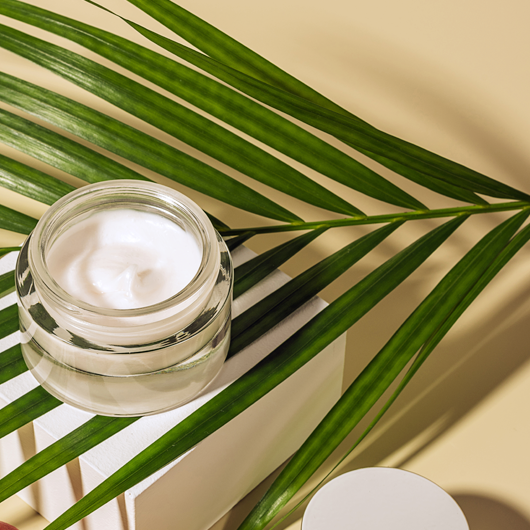


safe facial cleansers during pregnancy
Choosing safe facial cleansers during pregnancy can feel harder than washing your face should. Separate ingredients with established pregnancy concerns from those that are simply less studied, then match the formula to your skin’s oil level and sensitivity.
Key Takeaways
- Not every unfamiliar ingredient on a label is dangerous, so it helps to distinguish between those with documented pregnancy risks and those that simply lack research.
- Your face wash should work with your skin type, meaning oily and acne-prone skin often needs a gentler formula than you might expect during pregnancy.
- Sensitivity tends to increase while pregnant, so a cleanser that worked well before conception may suddenly cause irritation.
- A short, clean ingredient list makes it far easier to spot what belongs on your bathroom shelf and what does not.
Below, I explain how to make that distinction and compare six cleanser options for oily or acne-prone skin. A cleanser is only one part of your routine, so confirm ingredient questions with your obstetrician or dermatologist, especially if you have persistent breakouts or irritation.
Safe Facial Cleansers During Pregnancy: The Quick Answer
For most people, a gentle, rinse-off facial cleanser without retinoids is a sensible starting point during pregnancy. Look for a formula that removes sunscreen, excess sebum, and daily buildup without leaving your skin tight or stinging. “Pregnancy-safe” is not a universal label, so check the full ingredient list and ask your clinician about ingredients that concern you.
Why 'Unsafe' and 'Untested' Are Not the Same Thing
Online ingredient checkers may flag an ingredient because pregnancy-specific studies are limited, not because evidence has shown harm from ordinary topical use. “Avoid” can describe a precaution, an established concern, or a lack of data. Those categories are not interchangeable, and an app rating cannot replace personalized medical advice.
Retinoids are a clear example of an ingredient to avoid during pregnancy because they are linked to birth defects. By contrast, some preservatives attract scrutiny despite no established evidence of adverse pregnancy outcomes from typical cosmetic use. If you used a product before realizing you were pregnant, stop using it if it contains a known avoid ingredient and contact your OB-GYN for individualized guidance. Don’t assume exposure means harm.
What Makes a Cleanser Pregnancy-Safe for Oily and Acne-Prone Skin
A practical pick should cleanse without stripping the skin barrier, which can leave oily skin uncomfortable and more reactive. Consider texture, fragrance, and how your skin feels after rinsing. A foaming gel may suit someone who dislikes residue, while a cream cleanser may feel gentler during a period of increased sensitivity.
Acne can change during pregnancy, and a face wash may not resolve persistent or painful breakouts by itself. For oily skin, keep the routine simple: avoid harsh scrubbing, introduce one new formula at a time, and ask a clinician before adding acne treatments.
How We Evaluated These Pregnancy-Safe Cleansers

We focused on products with established availability and clear product identities, then considered how their cleanser format may fit oily, acne-prone, combination, or sensitive skin. Their placement here is a shopping starting point, not a medical endorsement or a guarantee that every ingredient is appropriate for every pregnancy.
Our Selection Criteria: Ingredients, Transparency, and Real User Feedback
Ingredient transparency matters more than reassuring front-label language. We considered whether shoppers can review the complete ingredient list, whether the formula is fragrance-free or scented, and whether its cleansing style seems compatible with an easily irritated skin barrier. User feedback can flag experiences such as tightness or a strong scent, but anecdotes cannot establish pregnancy safety.
We prioritized dermatologist-aligned guidance over broad claims that a product is “clean” or universally safe. EWG VERIFIED is a specific program designation; do not assume it applies to a cleanser unless the product carries that verification. Check current packaging and manufacturer information before buying, since formulas can change.
How to Read a Cleanser Label Like a Formulator
Start with the full ingredient list, not the marketing claims. Identify active ingredients and fragrance, then look for the complete product name and current formula on the brand’s packaging or website. “Natural,” “gentle,” and “clean” do not have one consistent meaning across brands, so they cannot answer ingredient-safety questions on their own.
- Check the active: Note acne-treatment ingredients and their stated concentrations, if provided.
- Scan for fragrance: Fragrance-free may be useful if scent triggers nausea or irritation; natural fragrance can still be scented.
- Match the texture to your skin: Consider gel, foam, cream, or lotion based on comfort after rinsing.
- Confirm with a clinician: Ask about an ingredient when pregnancy guidance is uncertain or your skin condition needs treatment.
This approach separates ingredient facts from branding and focuses your shortlist on tolerability and transparent labeling rather than claims a cleanser cannot substantiate.
Top 6 Safe Facial Cleansers During Pregnancy for Oily and Acne-Prone Skin (2026)
These six options differ in texture and intended skin feel. Choose according to your tolerance and check the current ingredient list before purchase. No cleanser can promise to prevent pregnancy-related acne, and inclusion here does not replace advice from your care team.
#1. Skin Perfection Gentle Gel Cleanser - Best Overall for Oily, Breakout-Prone Skin
Best for: Shoppers seeking a gel cleanser as an everyday starting point for oily or breakout-prone skin. Its first-place position makes it the standout in this selection, but review the current label and confirm suitability with your clinician if you have ingredient concerns.
A straightforward cleanse can help you avoid piling on products when pregnancy makes your skin unpredictable. For a separate item in the Skin Perfection range, Liquid Peptide Facial Mist is listed by name here, but it is not a face wash. Check its current product information independently.
#2. Vanicream Gentle Facial Cleanser - Best Fragrance-Free Drugstore Pick
Best for: People who prefer a fragrance-free cleanser from a widely available drugstore brand. It may suit shoppers who want to minimize scent exposure, though individual tolerance depends on the full formula and your skin’s response. Confirm the current ingredient list, particularly if you have known sensitivities.
#3. The Ordinary Squalane Cleanser - Best Budget Minimalist Option
Best for: Those looking for a simple-feeling cleanser from a brand known for ingredient-focused product presentation. Its balm-like texture may not suit every oily-skin shopper, so consider whether you like a richer cleanse. Check packaging directions and the current ingredient list before use.
#4. La Roche-Posay Toleriane Purifying Foaming Cleanser - Best for Sensitive, Oily Skin
Best for: People drawn to a foaming format for oily or sensitive skin. Foam can feel satisfying if you dislike residue, but comfort after rinsing is the useful test: persistent tightness or stinging is a reason to reassess. Review the current formula with your clinician as needed.
#5. CeraVe Hydrating Cream-to-Foam Cleanser - Best for Combination Skin
Best for: Combination skin that feels oily in some areas and dry in others. A cream-to-foam texture offers a different cleansing feel from a gel or lotion. If your skin becomes more reactive during pregnancy, introduce it gradually and stop if irritation develops.
#6. Avène Extremely Gentle Cleanser Lotion - Best for Pregnancy-Triggered Sensitivity
Best for: Shoppers who prefer a lotion-style cleanser when their skin feels easily unsettled. This format may appeal to people who find foaming washes uncomfortable, though it may not suit someone who wants a distinctly foamy cleanse. Review the label and follow the product’s directions.
What to Weigh When Comparing the Other Picks
Pros
- The selection includes fragrance-free, foaming, cream-to-foam, balm-like, and lotion-style formats.
- Different textures let you prioritize oil removal, a less foamy feel, or comfort for combination and sensitive skin.
- Each named option can be checked against its current ingredient list before purchase.
Cons
- Texture preferences vary, and some formulas may not feel comfortable on every skin type.
- Product formulas can change, so older ingredient information may not match current packaging.
- A cleanser alone may not manage persistent pregnancy-related acne; a clinician can discuss appropriate care.
Start with a texture you already tolerate, then compare the label for fragrance and ingredients to discuss with your clinician. If you’re considering Liquid Peptide Facial Mist, assess it as a separate skincare step, not as a substitute for cleansing or a pregnancy-acne treatment.
Pregnancy Cleanser Ingredients: Safe, Avoid, and Gray Zone
Ingredient lists can make choosing safe facial cleansers during pregnancy feel complicated. Separate ingredients with established pregnancy concerns from those with limited pregnancy-specific research, then consider concentration, whether the product rinses off, and your clinician’s advice. A precaution label is not proof that typical use causes harm.
Ingredients to Avoid: Retinoids, High-Dose Salicylic Acid, and Hidden Fragrance
Avoid retinoids during pregnancy. This group includes ingredients such as retinol and tretinoin, which are linked to birth defects. High-dose salicylic acid also merits clinician guidance, particularly in leave-on treatments. Check the full ingredient list rather than relying on front-label claims, and pause a product if its active ingredients or concentration are unclear.
Fragrance is not the same as a proven pregnancy hazard, but it can irritate or trigger nausea, especially if your sense of smell has become more sensitive. “Natural” does not necessarily mean fragrance-free. If scent bothers you, look for an explicitly fragrance-free label and assess the complete formula.
Ingredients Generally Considered Safe: Azelaic Acid, Glycolic Acid, Hyaluronic Acid, Vitamin C
Azelaic acid, glycolic acid, hyaluronic acid, and vitamin C are commonly considered options for topical skincare during pregnancy, though product format and concentration still matter. They may appear in products intended for breakouts, uneven tone, or hydration. Ask your OB-GYN or dermatologist before adding an active, especially if you have irritation or pregnancy-related melasma.
A cleanser is brief-contact skincare, so it may not address dark spots or persistent acne as directly as a leave-on treatment. Introduce one new product at a time. The Liquid Peptide Facial Mist is a separate skincare product, not a cleanser or pregnancy-acne treatment. Review its current ingredient information with your clinician before use.
Is Salicylic Acid or Benzoyl Peroxide Safe in a Face Wash While Pregnant?
Check the cleanser’s stated concentration, and ask your care team if the label does not provide one. Benzoyl peroxide is a separate acne active; discuss its use with your OB-GYN or dermatologist rather than assuming every strength and product format is appropriate.
| Ingredient or label | What the guidance indicates | Practical label check |
|---|---|---|
| Retinoids | Avoid during pregnancy | Check active and full ingredient names |
| Salicylic acid in wash-off products | Look for the concentration; consult your clinician if unknown | |
| Fragrance | May be a personal sensitivity or nausea concern | Choose fragrance-free if scent is bothersome |
| Parabens and phenoxyethanol | Evidence and precaution labels are not equivalent to proof of harm | Review concerns with your care team |
Parabens and Phenoxyethanol: What the Evidence Actually Says
Parabens have been detected in breast tissue, but no direct link to adverse pregnancy outcomes has been established in the research summarized here. Phenoxyethanol also appears on some ingredient-checker concern lists, but a flag alone does not establish that ordinary cosmetic use is harmful. If you prefer to avoid either ingredient, check the current label rather than relying on an outdated product listing.
What to Do If You Used an Unsafe Product Before Knowing You Were Pregnant
Stop using a product containing a known ingredient to avoid, save its packaging or ingredient list, and contact your OB-GYN for personalized advice. Share the product name, how often you used it, and when. Do not assume exposure means harm or try to assess individual risk from an online checker alone. If you are considering another skincare step, review the Liquid Peptide Facial Mist ingredient list with your care team before deciding whether it fits your routine.
Building a Minimal Pregnancy Skincare Routine and FAQs

Pregnancy can bring changes in oiliness, breakouts, sensitivity, and skin tone, so a routine that worked before may need adjusting. Keep each step simple and introduce products one at a time to make irritation easier to spot.
A 3-Step Pregnancy-Safe Routine for Oily Skin
A short routine supports consistent care without layering several new actives. Choose products according to your skin’s needs, and review ingredients with your care team if you have questions. The Liquid Peptide Facial Mist is a separate skincare item, not a cleanser; check its current product information and ask your clinician whether it fits your routine.
- Cleanse: Wash gently in the evening to remove sunscreen, makeup, and daily residue. In the morning, rinse or cleanse according to how oily your skin feels.
- Moisturize: Apply a moisturizer that feels comfortable and does not leave your skin persistently greasy or tight. A balanced skin barrier can make a routine easier to tolerate.
- Protect: Use broad-spectrum sunscreen during the day, following its label directions. Sun protection is especially useful when uneven tone or melasma is a concern; ask your clinician about product choices if you are unsure.
Keep exfoliation and acne treatments separate from this basic routine until your OB-GYN or dermatologist has reviewed them. Add only one new item at a time, and stop if you develop persistent burning, swelling, or a rash.
When to Call Your Dermatologist or OB-GYN
Contact your care team if acne is painful, worsening, or leaving marks, or if irritation does not settle after you stop a suspected trigger. Ask for guidance before starting a medicated acne product, treating melasma, or using a procedure during pregnancy. If you used an ingredient that concerns you, share the product label and timing with your OB-GYN rather than assuming exposure caused harm.
Bring the product name, active ingredients, how often you use it, and whether it is rinse-off or leave-on. This gives your clinician useful context for individualized advice.
Pregnancy Cleanser FAQs: Fragrance-Free vs. Natural, Melasma, and More
Is fragrance-free better than natural? Not automatically, but fragrance-free may be more comfortable if scent triggers nausea or irritation. “Natural” does not necessarily mean unscented, so check the label and choose based on your tolerance.
Can a cleanser treat melasma? A cleanser is not a reliable stand-alone treatment for dark patches. Discuss brightening ingredients and sun protection with your clinician, including options that may suit your stage of pregnancy.
Should I change my routine as pregnancy progresses? Reassess comfort when your skin changes rather than adding products automatically. The Liquid Peptide Facial Mist should be considered separately from cleansing, with its current ingredient information reviewed before use.
Frequently Asked Questions
What face cleanser should I use while pregnant?
A gentle, rinse-off facial cleanser without retinoids is a sensible starting point during pregnancy. Look for a formula that removes sunscreen, excess oil, and daily buildup without leaving your skin tight or stinging, and review the full ingredient list with your OB-GYN or dermatologist before committing.
What ingredients should I avoid in face wash while pregnant?
Retinoids are the clearest ingredient to avoid in face wash during pregnancy because they are linked to birth defects. Beyond that, check active ingredients and fragrance on the label, and confirm anything that concerns you with your clinician, since app ratings cannot replace personalized medical advice.
Is salicylic acid face wash safe during pregnancy?
Because a wash-off cleanser has limited skin contact time, it is a gentler option than leave-on treatments, but always confirm with your OB-GYN if you are unsure.
Is CeraVe ok to use when pregnant?
Many gentle, rinse-off cleansers, including some CeraVe formulas, can fit into a pregnancy-safe routine, but pregnancy-safe is not a universal label. Check the complete ingredient list on current packaging, since formulas can change, and ask your dermatologist or OB-GYN about any ingredient you are unsure about.
Why do ingredient checkers flag some cleansers as unsafe during pregnancy?
Online checkers often flag an ingredient because pregnancy-specific studies are limited, not because research has shown harm from ordinary topical use. Unsafe and untested are not the same thing, so distinguish an established concern from a precaution before deciding, and consult your clinician for guidance.
What should I do if I used a product before realizing I was pregnant?
Do not assume exposure means harm. Stop using the product if it contains a known avoid ingredient, such as retinoids, and contact your OB-GYN for individualized guidance. Many flagged ingredients simply lack pregnancy-specific research rather than having documented risks from typical cosmetic use.
What type of cleanser texture works best for oily, acne-prone skin during pregnancy?
A foaming gel cleanser often suits oily or breakout-prone skin because it rinses clean without residue, while a cream cleanser may feel gentler if your skin becomes more sensitive during pregnancy. Keep your routine simple, avoid harsh scrubbing, and introduce only one new formula at a time.