

 Buy with Prime
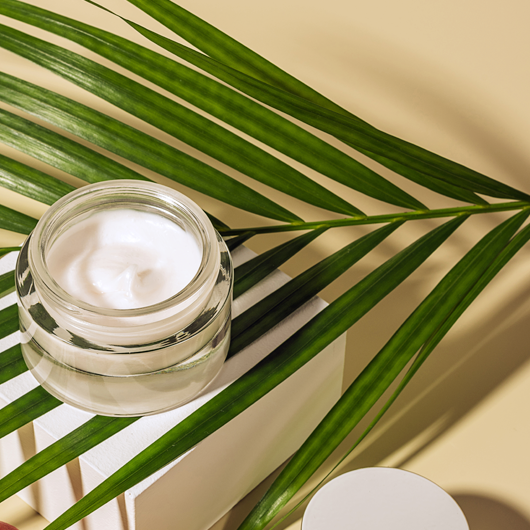


Glycolic acid vs salicylic acid for discoloration.
Choosing an exfoliating acid for dark spots can feel like a gamble: one formula promises a brighter complexion, while another may trigger redness that leaves discoloration more noticeable. Glycolic acid vs salicylic acid for discoloration comes down to what is driving the mark: surface pigment, clogged pores, or inflammation after acne.
Key Takeaways
- Glycolic acid works best on surface level dark spots like sun damage, while salicylic acid targets discoloration that stems from clogged pores and acne inflammation.
- Understanding what drives your dark spot is the first step: glycolic acid breaks up pigment on the top layer, and salicylic acid calms the post breakout marks that linger after blemishes heal.
- You can use both acids in your routine to address multiple causes of discoloration, but always apply salicylic acid first on clean skin and follow with glycolic acid to avoid irritation.
- Protecting your skin with SPF every day is nonnegotiable when using either acid, because unprotected skin will keep producing new dark spots even as old ones fade.
The useful distinction is not simply which acid is “stronger.” It is where each works and how your skin responds. Their properties matter for common forms of discoloration, especially given the added pigment sensitivity many people with deeper skin tones experience.
Glycolic Acid vs. Salicylic Acid for Discoloration: Your Personalized Clarity Guide
Glycolic and salicylic acid are both chemical exfoliants, but they are not interchangeable. Glycolic acid is water-soluble and works mainly at the skin’s surface, where it helps loosen the bonds between dead skin cells. Salicylic acid is oil-soluble, allowing it to work within oil-rich pores, where acne and inflammation often begin. That difference matters when deciding how to address a brown post-acne mark versus recurring clogged pores.
A dark mark can have more than one cause. Post-inflammatory hyperpigmentation (PIH) follows irritation or injury, including acne; sun spots reflect accumulated UV exposure; melasma often appears as larger patches of pigment. An acid may help with surface cell turnover, but irritation can provoke further pigment in susceptible skin. The right choice starts with identifying the concern and respecting your skin barrier, not chasing the strongest peel or highest concentration.
Understanding the Acids: How Glycolic and Salicylic Work on Pigment

Both acids exfoliate, but their solubility and preferred environment shape where they act. An ingredient suited to acne-prone pores may not be the best first choice for every sun spot or patch of uneven tone.
Glycolic Acid: The AHA Powerhouse for Surface Renewal
Glycolic acid is an alpha hydroxy acid (AHA) derived from sugar cane. At 76 daltons, it has the smallest molecular weight among AHAs, a property that can support relatively rapid passage through the stratum corneum, the skin’s outer layer. By loosening connections between surface cells, it promotes exfoliation and can help improve the look of rough texture and superficial discoloration over time.
Penetration is not automatically an advantage for every complexion. Concentration, pH, frequency, and product format all affect exposure. A clinical study of a 50% glycolic acid peel, reported in the Journal of the American Academy of Dermatology (JAAD), found notable pigment improvement while highlighting transient irritation risks and the need for controlled application. This finding is not a reason to apply a peel-strength acid at home.
Salicylic Acid: The BHA Specialist for Deeper Pores and Inflammation
Salicylic acid is a beta hydroxy acid (BHA) that dissolves in oil. It can move into sebum-filled pores, where it helps clear dead cells and excess oil. At 2%, an over-the-counter concentration, it provides keratolytic, comedolytic, and anti-inflammatory activity. Those properties make it relevant when breakouts and clogged pores contribute to post-acne marks.
Salicylic acid does not directly erase pigment. By addressing pore congestion and acne-related inflammation, it may help reduce the conditions that lead to new post-inflammatory marks. Redness after a blemish can be erythema, a visible change in blood vessels, rather than brown melanin-based pigmentation. Distinguishing the two helps set realistic expectations for an exfoliant.
Mechanism of Action: Solubility, Molecular Size, and Skin Penetration
Water-soluble glycolic acid generally acts across the skin’s surface, while oil-soluble salicylic acid can enter pores with sebum. Molecular size is one factor in how an ingredient moves through the outer skin, but it does not predict results on its own. The vehicle, acid strength, pH, contact time, skin condition, and application pattern influence how a product behaves. A leave-on formula and a rinse-off cleanser can deliver different exposure, even when they contain the same acid.
The Science Behind Discoloration: PIH, Sun Spots, and Melasma
PIH forms when inflammation signals pigment-producing cells to make excess melanin, leaving brown or gray-brown marks after acne, irritation, or injury. Sun spots develop after cumulative ultraviolet exposure. Melasma is a recurring pigment condition often associated with hormonal changes and sun exposure; it may require a dermatologist’s assessment rather than exfoliation alone. Skin tone also affects risk: irritation can trigger lingering pigment in deeper complexions, including Fitzpatrick types IV to VI. The underlying cause shapes whether an exfoliant is appropriate.
| Feature | Glycolic acid | Salicylic acid |
|---|---|---|
| Acid family | Alpha hydroxy acid (AHA) | Beta hydroxy acid (BHA) |
| Solubility | Water-soluble | Oil-soluble |
| Main area of action | Skin surface and outer layer | Oil-rich pores |
| Relevant concern | Surface roughness and uneven tone | Clogged pores and acne-related inflammation |
| Irritation consideration | Strength and contact time can increase irritation | Overuse can also irritate and dry skin |
Either acid can leave skin dry if use outpaces the barrier’s ability to recover. For hydration support, Sodium Hyaluronate Powder Pure Hyaluronic Acid is a water-soluble powder that forms a gel-like consistency when hydrated and helps bind moisture. It supports hydration, not pigment removal, and does not replace a moisturizer or sunscreen.
Sodium Hyaluronate Powder Pure Hyaluronic Acid is a cosmetic-grade ingredient for DIY formulations such as serums, creams, lotions, and toners. Follow the product’s usage directions and consider how the finished formula fits your routine. A humectant can support comfortable skin, while the cause of discoloration still determines which exfoliant, if any, makes sense.
Choosing Your Champion: Glycolic vs. Salicylic for Specific Discoloration Concerns
Glycolic acid vs salicylic acid for discoloration is best decided by identifying what is driving the mark. A brown spot left after a blemish points to post-inflammatory hyperpigmentation (PIH), while lingering pink or red color may be erythema rather than excess melanin. Clogged pores and recurring breakouts call for a different strategy than sun spots or melasma. Match the active to the concern, and give your skin time to respond without provoking more inflammation.
Targeting Post-Acne Marks (PIH): Salicylic Acid's Advantage
When breakouts and blocked pores keep creating new marks, salicylic acid may be the more useful starting point. Its pore-focused exfoliating and anti-inflammatory activity can address factors behind acne, rather than treating only the visible spot left behind. This matters because a mark will not fade well if fresh inflammation keeps appearing in the same area. Salicylic acid does not directly remove pigment, and it can still irritate skin if used too often or on a compromised barrier.
Fading Sun Spots and Melasma: Glycolic Acid's Surface Action
For rough texture and superficial sun-related discoloration, glycolic acid’s surface exfoliation may gradually improve the look of uneven tone. A clinical study of a 50% glycolic acid peel, reported in the Journal of the American Academy of Dermatology (JAAD), found notable pigment improvement and highlighted transient irritation risks that call for controlled application. That peel strength belongs in professional care, not a do-it-yourself routine. Melasma can recur and may be influenced by hormones and light exposure, so a dermatologist can help determine whether exfoliation is appropriate.
Addressing Uneven Tone and Texture: When Both Shine
Either acid may have a place when discoloration occurs alongside roughness or clogged pores, but using both at once is not automatically better. Consider the dominant concern: surface dullness and uneven texture may favor glycolic acid, while oiliness and recurring comedones may favor salicylic acid. Start with one active in a mild, clearly labeled formula. Track comfort and changes in tone over time rather than increasing strength as soon as you see a spot.
Skin Tone Sensitivity: Navigating Hyperpigmentation Risks with Deeper Skin Tones
People with Fitzpatrick skin types IV to VI can be more prone to persistent PIH after inflammation. Research summarized in the supplied evidence reports that over 80% of post-acne marks in these skin types may become long-lasting hyperpigmentation when inflammation is left unmanaged. Gentle acne control and irritation prevention are especially important. Begin with limited use, avoid combining multiple exfoliants, and stop if burning, persistent redness, tenderness, or peeling develops. A dermatologist can help tailor treatment to your complexion and history.
The Barrier-Conscious Approach: Protecting Against Paradoxical Darkening
Exfoliation that leaves skin inflamed can work against your goal by prompting more pigment, particularly in skin prone to PIH. Choose a formula suited to your skin, follow its label, and avoid applying acids to cracked, freshly shaved, or irritated areas. Moisturizer supports comfort while the skin barrier recovers; sunscreen helps limit UV-related darkening. The better choice is the acid you can use without persistent irritation, not the one with the most dramatic promise.
| Concern or skin pattern | Potential starting point | Practical consideration |
|---|---|---|
| Recurring clogged pores with post-acne marks | Salicylic acid | Address breakouts while monitoring dryness and irritation |
| Surface roughness and sun-related spots | Glycolic acid | Use a suitable cosmetic formula; reserve strong peels for professional care |
| Melasma or uncertain patches | Dermatologist assessment | Confirm the cause before relying on exfoliation |
| Deeper skin tone or history of PIH | Lower-irritation approach | Introduce one active cautiously and protect the barrier |
Mastering Application: Protocols for Face and Body, Layering and Moisture
Application method affects how much irritation an exfoliant may cause. Follow the product label: rinse off a cleanser as directed, and leave a treatment on only as instructed. Cotton pads are optional unless directions specify them; clean fingertips can limit friction. Do not apply a pure acid solution or increase contact time to speed results. If discomfort persists, rinse when appropriate, stop use, and allow your skin to recover.
Facial Protocols: Gentle Application for Sensitive Areas
Patch test a new formula, then introduce one exfoliant on a small area before using it more broadly. Keep acids away from eyelids, corners of the nose, lips, and broken skin. Apply to clean, dry skin when directed, then use a moisturizer. Avoid using an acid on the same night as another strong exfoliant or retinoid until you know how your skin responds. Persistent stinging, swelling, or redness is a signal to stop rather than push through.
Body Discoloration: Protocols for Underarms, Knees, and Elbows
Underarms can be sensitive, especially after shaving or waxing, while knees and elbows often have thicker, drier skin. Use only a product labeled for the intended area, and avoid freshly shaved, chafed, or irritated skin. Try a small patch first, apply as directed, and follow with a bland moisturizer if tolerated. Friction, shaving irritation, and repeated rubbing can contribute to discoloration, so reducing those triggers matters alongside topical care.
Safe Layering and Alternating: Combining Acids Without Compromise
Combining glycolic and salicylic acid in one routine can increase irritation, particularly when products are leave-on treatments. Start with one acid rather than layering both. If your skin tolerates it and you have a reason to use each, consider alternating on separate days, with recovery days between applications. Do not combine acids with other potentially irritating actives without guidance from a dermatologist. Flaking, tightness, or burning means the routine needs less exposure and more recovery time.
The Essential Role of Barrier Support: Peptides, Antioxidants, and Hydration
Comfortable skin is better positioned to tolerate a measured exfoliation routine. Pair acid use with a gentle moisturizer and avoid stacking products that leave skin tight or raw. For hydration-focused DIY formulas, Sodium Hyaluronate Powder Pure Hyaluronic Acid is a water-soluble cosmetic ingredient that forms a gel-like consistency when hydrated and helps bind moisture. It supports hydration, not pigment removal, and does not replace moisturizer or sunscreen. It is suited to DIY serums, creams, lotions, and toners.
Daily Protection: Why SPF is Non-Negotiable for Fading Discoloration
Daily broad-spectrum sunscreen helps protect discoloration-prone skin from UV exposure that can deepen existing spots and contribute to new ones. Apply it as directed, including on exposed areas of the body receiving acid treatment, and reapply according to the label, especially after swimming or sweating. Protective clothing and shade add practical support. Without consistent sun protection, exfoliation alone cannot prevent UV-related pigment from returning or becoming more noticeable.
Beyond the Acids: Restorative Ingredients for Lasting Radiance
Exfoliation is one part of a discoloration routine. Skin also benefits from ingredients that support hydration and help defend against environmental stress. At Skin Perfection, cosmetic science pairs transparent formulation choices with ingredients selected for a clear purpose, so a routine can address comfort and skin appearance alongside exfoliation.
The Power of Peptides: Supporting Renewal and Firmness
Peptides are short chains of amino acids used in skincare to support a smoother-looking complexion and the appearance of firmness. They are not exfoliants or pigment removers, so they are complementary care rather than a substitute for targeted treatment. A well-planned routine gives each ingredient a defined role without asking irritated skin to tolerate more active products.
Antioxidant Defense: Supporting Skin Against Environmental Stress
Antioxidants help counter oxidative stress associated with environmental exposure. Paired with daily sun protection and a comfortable skin barrier, they can support a routine focused on maintaining an even-looking complexion. Botanical antioxidants may suit a clean beauty approach, while the full formula and your skin’s tolerance matter more than a single ingredient claim.
Clean Formulations: The Skin Perfection Difference
Ingredient transparency makes it easier to choose products for specific needs. For a hydration-focused DIY formula, Sodium Hyaluronate Powder Pure Hyaluronic Acid is a cosmetic-grade, water-soluble powder that forms a gel-like consistency when hydrated. It is certified vegan, non-GMO, paraben-free, and made in the USA. It helps bind moisture, supporting skin texture and radiance; it is not a dark-spot treatment.
When to Consult a Dermatologist
Ask a dermatologist to assess persistent, spreading, or uncertain discoloration, especially if a spot changes in size, shape, or color. Professional guidance is also worthwhile if exfoliants cause lasting irritation or if you have melasma or a history of post-inflammatory hyperpigmentation. A clinician can help identify the cause and recommend an approach suited to your skin tone and sensitivity.
Frequently Asked Questions
Does glycolic acid remove discoloration?
Glycolic acid can help fade surface-level discoloration by loosening the bonds between dead skin cells and promoting cell turnover. This water-soluble AHA works mainly at the skin's outer layer, so it is best suited for uneven tone, rough texture, and superficial dark spots rather than deeper pigment conditions.
Can salicylic acid remove discoloration?
Salicylic acid does not directly erase pigment, but it can help prevent the post-acne marks that follow breakouts. Because this oil-soluble BHA clears sebum-filled pores and calms acne-related inflammation, it addresses the conditions that lead to new dark spots, especially when clogged pores are part of the picture.
Which acid is best for removing hyperpigmentation?
The best acid for hyperpigmentation depends on what is driving your dark marks. Glycolic acid suits surface pigment and uneven tone, while salicylic acid fits blemish-prone skin where clogged pores and inflammation create post-acne marks. Neither should sting persistently, since irritation can trigger more pigment, especially in deeper skin tones.
What fades hyperpigmentation the fastest?
Consistent exfoliation paired with diligent sun protection offers the fastest realistic path to fading hyperpigmentation. Identifying the cause matters too: post-inflammatory hyperpigmentation follows irritation or acne, sun spots come from cumulative UV exposure, and melasma often needs a dermatologist's assessment. Chasing the strongest peel usually backfires by irritating skin and provoking new pigment.
Should I use glycolic acid or salicylic acid for post-acne marks?
For post-acne marks, the choice depends on what remains after a blemish heals. Brown or gray-brown marks are post-inflammatory hyperpigmentation from excess melanin, and glycolic acid's surface renewal can help soften their appearance. If clogged pores and breakouts keep creating new marks, salicylic acid's pore-clearing, anti-inflammatory action addresses the root cause.
Can I use glycolic acid and salicylic acid together?
Many routines can include both acids, but introducing them gradually protects your skin barrier. Glycolic acid works at the surface while oil-soluble salicylic acid reaches into pores, so they target different concerns. If skin becomes dry, raw, or persistently red, scale back, since overuse outpacing your barrier's recovery can worsen discoloration.
How do Koreans get rid of hyperpigmentation?
Korean skincare approaches hyperpigmentation with a gentle, gradual philosophy built on consistent sun protection, layered hydration, and mild brightening steps rather than harsh peels. This barrier-first mindset matters because irritation can provoke lingering pigment, especially in deeper complexions. Hydrating ingredients like sodium hyaluronate help bind moisture while exfoliating acids work on tone.