

 Buy with Prime
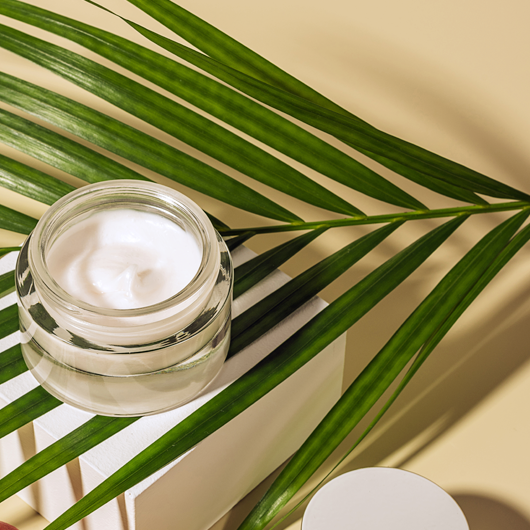


organic bridal skin prep for sensitive skin
Your wedding skin deserves a plan that protects comfort while supporting a smoother, brighter appearance. Bridal skin prep for sensitive skin means choosing carefully formulated products, introducing them gradually, and allowing enough time to observe how your skin responds. The goal isn’t to try every trending treatment. It’s to build a calm, consistent routine that supports the skin barrier and looks fresh beneath makeup.
Key Takeaways
- Your wedding skin deserves a plan that protects comfort while supporting a smoother, brighter appearance.
- Bridal skin prep for sensitive skin means choosing carefully formulated products, introducing them gradually, and allowing enough time to observe how your skin responds.
- The goal isn’t to try every trending treatment .
As the founder of Skin Perfection, I focus on ingredient transparency and measured routines. Botanical extracts, antioxidants, and peptides can have a place in bridal skincare, but sensitive skin needs patience. A new serum, peel, essential oil, or salon treatment can create unnecessary risk if introduced too close to the ceremony.
What is bridal skin prep for sensitive skin?
Bridal skin prep for sensitive skin is a gentle, evidence-informed routine that supports hydration, barrier function, even texture, and a healthy-looking glow without unnecessary irritation. It may include a mild cleanser, fragrance-conscious moisturizer, mineral sunscreen, soothing botanical extracts, antioxidants, and peptide-based treatments. A product's certification alone does not guarantee tolerability; sensitive skin may still react to fragrance, concentrated essential oils, drying alcohols, strong acids, or several new ingredients used together.
Start as early as your schedule allows. Patch test each new product, watch for delayed reactions, and make only one change at a time. Review product information before adding a new product to your routine, and follow its directions carefully.
Benefits of bridal skin prep for sensitive skin


A carefully planned routine can make sensitive skin feel more comfortable and easier to prepare for makeup. Fewer formulas and a stable schedule reduce guesswork, while ingredients such as glycerin, aloe vera, ceramides, colloidal oatmeal, and squalane help the skin hold on to moisture. Plant extracts, antioxidants, and sunscreen can be included when their formulation and cosmetic claims suit your needs.
The biggest benefit is consistency. Hydration may soften the appearance of dehydration lines, while gentle cleansing can remove makeup, sunscreen, and daily buildup without leaving the face tight. The Moisturizing Toner is a hydrating mist designed for normal-to-dry, mature complexions. It contains organic toner extracts rich in super antioxidants and natural AHAs derived from cranberry, orange, lemon, and sugar cane. It gently deep cleans and closes pores, helping to minimize the look of large, predominant pores. Rose is a key ingredient known for regenerating properties and moisturizing mature complexions. The toner is paraben free, vegan, and made in the USA. It encourages increased cell turnover to reveal healthier, younger-looking skin.
A calmer routine creates more room for visible results
Choose one new formula, test it on a small area, and give your skin time to respond before adding another active. This makes it easier to identify a potential irritant and protects the progress you’ve already made.
A predictable routine can also ease the emotional pressure of wedding preparation. Breakouts, redness, or peeling are harder to manage after last-minute experimentation, aggressive exfoliation, or an untested salon treatment. Keep exfoliation mild and infrequent. Stop any product that causes burning, persistent itching, swelling, or marked redness, and ask a dermatologist about retinoids or strong acids if you’re considering them for a specific concern. Don’t introduce a new treatment close to the ceremony.
Ingredient standards can make product research clearer. Review the available ingredient and formulation information, and ask about preservation, fragrance, sourcing, and potential allergens. The FDA’s information on cosmetic allergens is a useful reference, but it can’t replace a patch test or individualized medical advice. For additional guidance, follow these recommendations for test skin care products before using them broadly. Your best bridal routine is the one your skin has already shown it can tolerate.
References
- NHS guidance on contact dermatitis
- FDA information on allergens in cosmetics
- American Academy of Dermatology guidance on testing skin care products