

 Buy with Prime
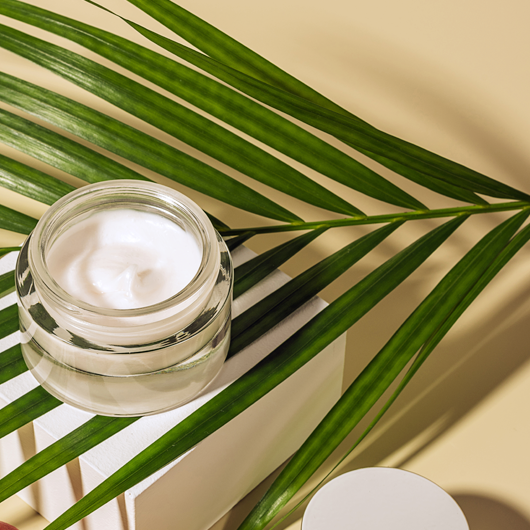


organic product for face
If you want an organic product for face care that improves the look of firmness, texture, and radiance, start with the formula rather than the front-label promise. Organic certification can speak to agricultural sourcing, but it does not automatically confirm peptide concentration, preservation quality, absorption, or wrinkle performance.
Key Takeaways
- An organic label tells you how the ingredients were grown, but it says nothing about whether the finished formula contains enough active compounds to smooth lines or firm skin.
- Scanning the ingredient list for proven actives, such as peptides, gives you a far clearer picture of performance than any certification seal alone.
- Preservation quality and absorption matter just as much as sourcing, because a formula that degrades or sits on the surface cannot deliver visible results.
- Reading past the front-of-package promise helps you invest in products that genuinely improve texture and radiance rather than relying on marketing claims.
I look for certified botanicals, a tested preservation system, lightweight sensory feel, and clinically studied actives. That combination helps separate a considered formula from a beautiful jar that spoils early or leaves skin coated without addressing visible signs of aging.
The Truth About 'Organic' Face Products: What Really Works (and What Doesn't)
Beyond the Label: Decoding 'Organic' in Skincare
“Organic” describes how certain agricultural ingredients are grown and processed. It does not mean every component in a facial serum is organic or guarantee suitability for sensitive skin. In the United States, the USDA National Organic Program states that products using the USDA Organic seal must contain at least 95% certified organic agricultural ingredients by weight, excluding water and salt. Cosmetic labels may also use natural, botanical, clean, or plant-based without meeting that certification standard.
Read the full ingredient list. Look for recognizable plant oils, aloe, hydrosols, fruit extracts, antioxidants, and clearly identified peptides. A product such as Organic Frankincense Essential Oil can offer a concentrated botanical ingredient, but an essential oil is not a complete facial treatment. It needs appropriate dilution and a personal sensitivity check before facial use.
The 'Water Myth' and Why Truly 100% Organic is Rare
Most liquid creams contain a substantial water phase. Standard liquid facial creams may contain 70% to 80% water, according to the research brief for this review. Water is an inorganic mineral compound, so it cannot receive organic farming certification. That does not make a water-based product inferior. It means “100% organic” requires careful interpretation for emulsions containing water, botanical materials, humectants, emulsifiers, preservatives, and actives.
A water-free oil serum has a different profile from a preserved cream. Oils can feel nourishing, but they do not replace water-based hydration or peptide delivery. Ask which ingredients are certified, which are functional, and how the complete formula remains safe after opening.
Why Natural Preservation Matters: Fighting Spoilage and Ensuring Potency
Botanical creams and emulsions can support microbial growth when preservation is weak or absent. Repeated fingertip contact introduces moisture, bacteria, and yeast. Watch for a sour or rancid odor, separation, unexpected color change, gas, or a stringy texture. These signs indicate that the formula may no longer be suitable, even if the expiration date has not passed.
Clean preservation is not the same as no preservation. A responsible formula may use a naturally derived preservative system, airless packaging, antioxidants, pH control, or several protections together. Store botanical products away from heat, sunlight, and damp bathroom shelves, and follow period-after-opening guidance.
Your Skin's Needs: Bridging Botanicals with Clinical Actives
Plant extracts can provide polyphenols, fatty acids, soothing compounds, and antioxidant support. They can help skin look calmer and more luminous, yet stubborn wrinkles, reduced elasticity, and uneven tone often need targeted ingredients. Peptides act as signaling fragments that support the appearance of smoother, firmer skin, while well-studied antioxidants help defend against environmental stress.
I favor a balanced formula over a shelf filled with oils. Organic Frankincense Essential Oil may have a place in a carefully diluted botanical ritual, but it should not be expected to perform the same function as a peptide serum. The best organic product for face care combines a refined sensory experience with ingredients selected for a clear cosmetic purpose.
How We Evaluated the Best Organic Face Products for Visible Results

Our Rigorous Selection Criteria: Purity, Potency, and Preservation
We assessed each formula as a cosmetic chemist would: examining ingredient transparency, delivery format, active selection, preservation strategy, and expected skin feel. A product earns consideration when its botanical story is supported by sound formulation practice. We also looked for formulas that fit a real routine, including makeup application, sensitive-skin concerns, and visible firming without a heavy film.
Key Factors: Certified Organic Botanicals, Stable Preservation Systems, Dermatologist-Grade Peptides, Clinically Proven Actives, EWG Verified Standards
Our review gives greater weight to specific evidence than broad promises. Certified organic botanicals support sourcing transparency. Stable preservation protects a water-based formula after opening. Dermatologist-grade peptides and clinically studied actives provide a more direct path toward smoother-looking texture and improved radiance. EWG Verified standards add ingredient and manufacturing disclosure, though no certification replaces a complete ingredient review or personal patch test.
Addressing Common Concerns: Non-Greasy Formulas, Hypoallergenic Options, and Shelf Stability
Texture is part of performance. A balm that sits on the surface or pills beneath sunscreen may discourage consistent use, while a fast-absorbing serum is easier to layer. We favored lightweight emulsions and concentrated serums that support comfortable daily wear. “Hypoallergenic” is a formulation claim, not a guarantee, since botanical extracts and fragrance components can still trigger individual reactions. Patch testing, sealed packaging, clear storage guidance, and a sensible shelf life all matter.
- Ingredient clarity: recognizable botanicals, named peptides, and no vague active complex.
- Formula integrity: preservation, packaging, pH, and stability considerations are apparent.
- Skin feel: absorbs cleanly without excessive oiliness, residue, or makeup pilling.
- Evidence: claims align with known cosmetic functions rather than exaggerated promises.
- Routine fit: the product can support consistent use across different skin types and ages.
Top-Tier Organic Face Formulas That Deliver on Their Promise
The strongest organic product for face care should pair thoughtful plant ingredients with a stable delivery system and actives addressing fine lines, uneven texture, dullness, and reduced firmness. These selections serve different goals, from peptide-focused firming to gentle exfoliation and lightweight hydration.
| Product | Best suited for | Formula profile | Primary strength |
|---|---|---|---|
| Skin Perfection Peptide Renewal Serum | Visible firming and smoother texture | Aloe-based serum with concentrated peptide actives | Peptide-led renewal support without a heavy finish |
| KORA Organics Turmeric Brightening & Exfoliating Scrub + Mask | Dull, uneven-looking skin | Botanical exfoliating treatment | Surface polishing and brighter-looking radiance |
| Eminence Organic Skin Care Arctic Berry Peptide Radiance Cream | Dryness with loss of luminosity | Rich cream with berry extracts and peptides | Nourishing moisture with radiance support |
| Evan Healy HydroSoul Rose Geranium | Light hydration and sensory comfort | Water-free botanical oil treatment | Softening moisture for normal to dry skin |
Skin Perfection Peptide Renewal Serum: The Cosmetic Chemist's Choice for Firming Radiance
Best for: visible signs of aging, reduced firmness, fine lines, and lightweight daily layering.
My number one choice is Skin Perfection Peptide Renewal Serum because it focuses on signaling peptides, the ingredient category most directly associated with a firmer-looking complexion. Matrixyl Synthe 6 and Argireline support the appearance of smoother skin, while the aloe-based format offers an alternative to dense oils and waxy balms.
The serum absorbs cleanly beneath moisturizer and sunscreen without adding a greasy layer. For shoppers comparing the best organic skin care for aging skin, it offers a more targeted route than oils alone. It suits a streamlined routine centered on hydration, peptide support, and visible radiance.
KORA Organics Turmeric Brightening & Exfoliating Scrub + Mask: A Gentle Botanical Powerhouse
Best for: dull-looking skin, uneven surface texture, and occasional brightening care.
KORA Organics’ Turmeric Brightening & Exfoliating Scrub + Mask takes a treatment-based approach. Turmeric and exfoliating particles help lift surface buildup, making skin appear fresher and more luminous after use. It is better suited to periodic polishing than daily wrinkle care, since over-exfoliation can leave reactive skin tight or sensitized.
Pros
- Combines botanical treatment appeal with exfoliation.
- Useful for skin that looks lackluster or rough.
Cons
- Physical exfoliation may not suit highly reactive skin.
- Does not replace a peptide serum for firming support.
Eminence Organic Skin Care Arctic Berry Peptide Radiance Cream: Potent Plant Extracts Meet Peptide Efficacy
Best for: dry or mature skin seeking comfort, nourishment, and a more luminous finish.
Eminence Arctic Berry Peptide Radiance Cream combines a rich moisturizing base with berry-derived botanical ingredients and peptides. It suits skin where dehydration makes fine lines look more pronounced. The cream reduces a tight feeling and supports a softer surface, while peptides give it a more targeted focus than a basic botanical moisturizer.
Choose it if your skin prefers a cushiony cream. If you are prone to congestion or dislike richer textures beneath makeup, apply a small amount and reserve it for evening use. Ingredient transparency and packaging remain worth checking for formulas containing water and botanical extracts.
Evan Healy HydroSoul Rose Geranium: Pure Hydration with a Soothing Touch
Best for: normal to dry skin that prefers a simple, water-free botanical oil.
Evan Healy HydroSoul Rose Geranium is designed around aromatic botanical hydration rather than peptide-driven firming. Its oil-based format softens dry skin and provides a comfortable finishing layer, especially over a water-based hydrating product. Since it is water-free, it has a different preservation profile from an emulsion, though freshness, oxidation control, and storage still affect the experience.
This is a minimalist oil ritual, not a complete answer to deep lines or laxity. Patch testing is wise with fragrant botanicals. A concentrated option such as Organic Frankincense Essential Oil should be diluted appropriately rather than applied as an undiluted facial serum. Organic Frankincense Essential Oil belongs in the botanical category, while peptide products serve a different cosmetic function.
Honorable Mentions: Expertly Formulated Organic Heroes
Other top 5 organic skin care brands deserve consideration when ingredient sourcing, package design, preservation approach, and sensory profile match your needs. Look for airless dispensers, clear active names, batch or expiration information, and storage guidance. These details say more about formulation discipline than broad words such as pure or natural.
For shoppers comparing organic natural skin care products, choose according to the problem you want to solve: a peptide serum for firming support, an exfoliating treatment for surface dullness, a cream for dryness, or a water-free oil for softening.
The Science of a Clean, High-Potency Organic Routine: DIY vs. Professional Formulation
Demystifying DIY: The Risks of Homemade Organic Skincare
Fresh ingredients can sound gentle, but a kitchen-made facial mixture has no validated pH range, preservation system, contamination control, or dosage standard. Water, aloe, fruit puree, and hydrosols can support microbial growth, while undiluted essential oils may trigger contact dermatitis or aggravate rosacea. Organic Frankincense Essential Oil is a concentrated botanical ingredient, not a ready-to-use facial serum; facial application requires proper dilution and a patch test.
Professional Formulation: Ensuring Stability, Safety, and Efficacy with Clean Preservation
Professional cosmetic development brings repeatable measurements, compatible ingredients, microbial testing, packaging review, and stability assessment. A water-based emulsion needs protection against bacteria, yeast, and mold. An oil serum needs protection against oxidation and rancidity. Clean preservation can include naturally derived antimicrobial systems, antioxidants, pH control, chelating agents, and airless packaging. The goal is a protected, transparent formula with a comfortable finish.
| Approach | Strength | Primary limitation |
|---|---|---|
| Homemade botanical mixture | Simple ingredient control | No dependable preservation or active-dose consistency |
| Water-free oil serum | Softening feel and fewer microbial concerns | May oxidize and cannot replace water-based hydration |
| Professionally preserved serum | Measured actives, stability, and routine-ready use | Requires careful label and sensitivity review |
Building Your 3-Step Low-Reaction Organic Ritual: Optimized for Absorption and Results
A minimal routine reduces product conflict and makes reactions easier to identify:
- Cleanse gently: Remove sunscreen, makeup, and surface debris without aggressive scrubbing or a tight after-feel.
- Apply the treatment: Press a lightweight peptide serum onto slightly damp skin and let it settle before layering.
- Seal and protect: Use a compatible moisturizer if needed, then apply broad-spectrum sunscreen during daylight hours.
Introduce one new item at a time, especially if your skin is reactive. Fragrance, exfoliating acids, retinoids, and essential oils can add irritation potential when combined too quickly. Consistent application usually offers more value than a crowded shelf.
Ingredient Deep Dive: Superfruits, Stem Cells, and Stable Peptides
Superfruit extracts can supply polyphenols and antioxidant compounds that support a brighter, more even-looking complexion. Plant stem cell extracts are generally used for botanical signaling and protective components, though the source plant and extraction method matter. Peptides work differently: these short amino-acid chains act as cosmetic messengers supporting smoother texture and firmness. Skin Perfection’s peptide-focused approach places these actives in a routine-ready format, while Organic Frankincense Essential Oil is better reserved for properly diluted aromatic or botanical use.
Your Questions Answered: Navigating Organic Skincare with Confidence
Is '100% Organic' a Realistic Claim for Facial Products?
It depends on the formula and certification language. Water, preservatives, emulsifiers, and peptides may prevent a complete finished product from being entirely agricultural and organic. Review the seal, certification standard, and full ingredient list.
How Can I Tell if My Organic Product is Spoiling?
Discard a product with a sour or rancid odor, unexpected separation, gas, color change, or altered texture. Keep the container closed and away from heat and direct sunlight.
Can Organic Skincare Really Address Deep Wrinkles and Firmness?
Botanicals can support comfort and radiance, while peptides and other studied actives offer more targeted cosmetic support. Results remain gradual, and sunscreen is essential.
What Are the Best Organic Ingredients for Sensitive or Reactive Skin?
Favor short ingredient lists with soothing botanical extracts, gentle humectants, and minimal fragrance. Patch test every new formula, including essential oils.
How Do Dermatologist-Strength Peptides Fit into an Organic Routine?
Apply a peptide serum after cleansing and before moisturizer. Organic sourcing and peptide efficacy answer different formulation questions, so a well-designed routine can include both.
Frequently Asked Questions
What is the best natural product for your face?
The best natural product for your face is a well-formulated serum or cream that combines suitable botanicals, hydration support, tested preservation, and evidence-informed actives. Look for a clear ingredient list and a texture that fits your routine. Sodium hyaluronate powder can support moisture retention when properly prepared in a cosmetic formula.
Are organic products good for the face?
Organic products can be good for the face when their complete formulas are stable, well-preserved, and suited to your skin. Organic certification mainly addresses agricultural sourcing, not wrinkle performance, absorption, or sensitivity. Review the ingredient list, packaging, storage guidance, and active ingredients before choosing an organic product for face care.
Which organic brand is best for skin care?
The best organic skincare brand is one that clearly explains ingredient sourcing, formulation purpose, preservation, and product testing. No single brand is best for every complexion, so compare full ingredient lists and choose formulas that match your goals. Certified botanicals paired with peptides or other studied actives can support a more purposeful routine.
How can you get 100% clear skin naturally?
No natural skincare routine can promise 100% clear skin, but consistent cleansing, gentle hydration, daily sun protection, and suitable products can support a healthier-looking complexion. Choose non-irritating formulas and introduce new products thoughtfully. Persistent or changing skin concerns may need guidance from a qualified dermatology professional.
What should you look for in an organic product for face care?
An organic product for face care should offer transparent sourcing, a complete ingredient list, stable preservation, and actives chosen for a specific cosmetic goal. Lightweight textures may layer more comfortably under sunscreen or makeup. Botanicals can support radiance and comfort, while peptides and moisture-binding ingredients may address the look of texture and firmness.
Can water-based organic face creams be effective?
Water-based organic face creams can be effective even though water itself is not an organic agricultural ingredient. Creams need a reliable preservation system to remain suitable after opening, along with balanced humectants, emollients, and actives. Judge the complete formula rather than expecting a label such as “100% organic” to predict performance.