

 Buy with Prime
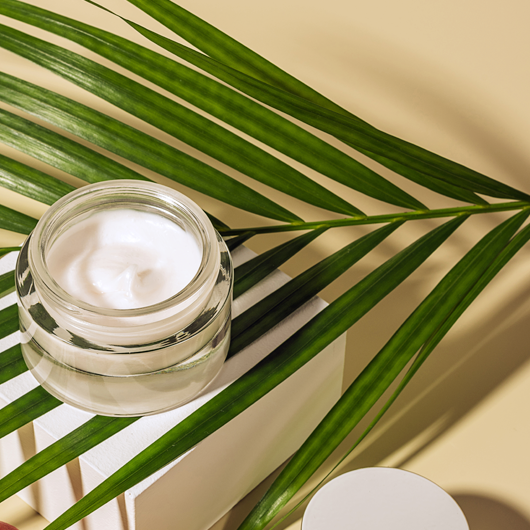


Recommended exfoliants for uneven complexion.
Recommended exfoliants for uneven complexion depend on what is driving discoloration and how well your skin tolerates active ingredients. A well-matched exfoliant can loosen dull surface cells and soften roughness, while an overly strong formula may leave skin red, tight, or reactive.
Key Takeaways
- Choose an exfoliant based on the root cause of your uneven skin tone, not just the visible surface texture.
- Gentle exfoliating ingredients like lactic acid or polyhydroxy acids can even out complexion without stripping your skin barrier.
- If your skin feels tight or red after exfoliation, your current product may be too aggressive for your tolerance level.
- A consistent exfoliation routine at lower strength often delivers more lasting results than occasional strong treatments.
The goal isn’t perfectly poreless skin. It’s a smoother-looking surface and more balanced tone, supported by exfoliation that respects your skin barrier. Start by considering the cause of unevenness, then choose an active that fits your skin’s needs.
Understanding Uneven Complexion: Beyond Surface Irritation
What Causes an Uneven Complexion?
Uneven tone can appear as dark spots, post-blemish marks, or patches after sun exposure. Roughness and dullness may also make the complexion look less consistent. These concerns can have different causes, so an exfoliant that helps one person may not suit another. Sun protection matters: the American Academy of Dermatology associates UV exposure with visible signs of skin aging, including uneven pigmentation. Exfoliation can smooth the surface, but it does not replace daily sun protection or address every cause of discoloration.
The Skin Barrier’s Role in Tone and Texture
Your skin barrier helps retain moisture and defend against irritants. When stressed, skin may feel tight, sting during application, or look flushed and flaky. That reaction is a signal to pause, not exfoliate more. Strong acids used repeatedly can add to irritation, especially alongside retinoids, acne treatments, or other drying products. Healthy-looking skin can have pores, fine lines, and natural texture; the aim is a comfortable surface, not erasing every visible feature.
Why Gentle Exfoliation Is Key to Balanced Skin
Exfoliation loosens accumulated dead skin cells, which can leave the surface looking dull or feeling uneven. A measured approach lets you assess whether an ingredient helps without prompting persistent redness or sensitivity. Choose a formula with clear active ingredients and a texture your skin tolerates. If dryness or stinging develops, stop exfoliating until your skin feels comfortable. Consistent use of a mild product is more sensible than chasing a fast, dramatic peel.
Keep the goal realistic: A smoother, more even-looking complexion is a worthwhile result. Normal pores and skin texture are not flaws that require stronger acids.
The Exfoliant Hierarchy: Choosing the Right Actives for Your Skin

Understanding Chemical Exfoliants: AHAs, BHAs, and PHAs Explained
AHAs work mainly on the skin’s surface, making them common choices for dullness, rough texture, and the look of uneven tone. BHAs are oil-soluble, so salicylic acid can reach into oily pores and help clear congestion. PHAs also exfoliate the surface, with larger molecules that tend to penetrate more gradually. They may be worth considering if your skin is easily bothered. All three groups can irritate skin if the formula, frequency, or combination of products exceeds your tolerance.
| Exfoliant | Often suited to | What to consider |
|---|---|---|
| AHAs | Dullness, rough surface texture, visible uneven tone | May feel drying or sting on a compromised barrier |
| Salicylic acid | Oily skin and clogged pores | Can be drying, particularly with other acne products |
| PHAs | Dry or reactive skin seeking mild surface exfoliation | Gentle does not mean irritation-free |
| Fruit enzymes | Light surface smoothing | Botanical origin does not guarantee sensitivity-free use |
Targeted Acid Profiles: Glycolic, Lactic, Mandelic, and Salicylic Acid for Specific Concerns
Glycolic acid is a small-molecule AHA often selected for surface roughness and dullness. Lactic acid exfoliates and acts as a humectant, helping attract water. Mandelic acid has a larger molecular size than glycolic acid and may be a gentler AHA option for some people. Salicylic acid is the oil-soluble BHA in this group, making it a targeted choice for congested pores. Ingredient names alone cannot predict how a product will feel: concentration, pH, and the rest of the formula also matter.
The Gentle Power of PHAs and Fruit Enzymes: Ideal for Sensitive and Reactive Skin
Gluconolactone is a PHA that offers surface exfoliation and can help attract moisture. Fruit enzymes, such as papain from papaya, loosen bonds between dead surface cells rather than relying on an acid peel. They may appeal to people seeking a milder-feeling option, though botanical ingredients can still provoke a reaction. If your skin is dry, sensitive, or prone to redness, look for a simple formula and test it on a small area before wider application.
Physical vs. Chemical Exfoliation: When and Why to Choose Chemical
Scrubs use particles or textured surfaces to remove cells through friction. Pressure can be hard to control, particularly on inflamed blemishes or sensitive skin. Chemical exfoliants use acids or enzymes instead of rubbing, but still need careful use. Choose a gentle formula and follow its directions rather than pairing several exfoliating products. If you prefer a scrub, avoid coarse particles and vigorous pressure.
A Simple Way to Weigh Your Options
Pros
- Different acids and enzymes can target distinct concerns, from surface dullness to clogged pores.
- Liquid or gel formulas avoid the friction of scrubbing.
Cons
- Any exfoliant may irritate skin if it is too strong or used too often.
- Choosing by ingredient name alone overlooks the full formula and your skin’s current condition.
Barrier-Conscious Resurfacing: Your Gentle Guide to Smooth, Balanced Skin
The Skin Perfection Approach: Combining Actives with Barrier Support
Recommended exfoliants for uneven complexion should do more than loosen dull surface cells. A thoughtful formula pairs an exfoliating active with ingredients that help skin retain moisture, so resurfacing feels measured rather than stripping. At Skin Perfection, we value ingredient transparency and cosmetic science: each active should have a clear role, and the full formula matters as much as its headline ingredient. If your skin is tight, flaky, or stinging, pause exfoliation. A stressed barrier needs comfort before more resurfacing.
Key Barrier-Nourishing Ingredients to Look For
Look for humectants such as glycerin or hyaluronic acid, which attract water, alongside emollients that soften dry, rough-feeling skin. Ceramides are components of the skin barrier and can help support its moisture-retaining function. Aloe and other soothing ingredients may make a formula feel more comfortable, though no botanical guarantees a reaction-free experience. The entire ingredient list matters: a gentle acid paired with hydrating support may suit your routine better than a strong acid in a sparse, drying formula.
Formulas Designed for Minimal Redness and Burnout
Choose a product with a clearly identified exfoliant, straightforward directions, and a strength appropriate for your experience. Leave-on toners, serums, and masks differ in contact time and intensity, so follow the label rather than assuming they are interchangeable. Avoid stacking an exfoliating cleanser, peel pad, and acid serum in the same routine. Soothing humectants may make a formula feel less harsh than a bare acid toner, but your response is the best guide. Patch test first, then introduce one new active at a time.
How Botanical Actives and Superfruit Antioxidants Aid Tone Correction
Fruit enzymes, such as papain, can loosen dead surface cells as an alternative to a high-strength acid. Antioxidants from botanical and superfruit extracts help defend against environmental oxidative stress, while some ingredients may support a brighter-looking complexion. These roles differ: enzymes help smooth the surface, and antioxidants support protection. Neither instantly erases dark spots. Seek formulas that identify their active ingredients; “natural” does not mean gentle. Botanical extracts can irritate sensitive skin.
Your Personalized Exfoliation Routine: Schedules and Safety
Determining Your Skin’s Tolerance: Frequency and Strength
Start with the lowest frequency allowed by the product directions, often one exfoliation night per week for a new or reactive user. Keep the rest of that routine simple: gentle cleanser, moisturizer, and no additional exfoliating acids. If your skin stays comfortable, consider increasing use gradually; more is not automatically better. Dryness, persistent stinging, tightness, or visible redness are signs to scale back or stop. Sensitive or very dry skin may do better with a PHA or enzyme formula, or no exfoliation until the barrier feels settled.
The Art of Pairing: Safely Combining Exfoliants with Retinoids, Including Prescription Tretinoin
Retinoids and exfoliating acids can both cause dryness or irritation, especially during the adjustment period. Rather than applying them in the same routine, separate them across different nights and leave recovery nights between active treatments. If you use prescription tretinoin or adapalene, including Differin, ask your prescriber or dermatologist before adding an exfoliant. Follow their instructions over a general schedule, and do not change prescribed use without their guidance.
- Exfoliation night: Use one exfoliating product, then apply moisturizer.
- Retinoid night: Follow your prescribed or labeled directions; skip exfoliating acids.
- Recovery nights: Use a gentle cleanser and moisturizer without exfoliating actives.
This is a planning framework, not a prescription. If you are new to either active, introduce them separately so you can identify the source of a reaction.
Troubleshooting Redness, Irritation, and Barrier Compromise
If burning, persistent redness, peeling, or unusual sensitivity develops, stop exfoliants and other nonessential active products. Use a mild cleanser, a plain moisturizer, and lukewarm water; avoid scrubs, fragranced products, and hot water while skin recovers. Do not resume acids just because a set number of days has passed. Wait until skin feels comfortable, then reassess the formula and frequency. Seek medical advice for severe discomfort, swelling, blistering, or symptoms that do not improve.
The Non-Negotiable: Daily SPF for Preventing Hyperpigmentation
UV exposure can darken existing marks and contribute to new discoloration, undermining a more even tone. Apply broad-spectrum sunscreen with SPF 30 or higher each morning, and reapply according to label directions, especially after swimming or sweating. Protective clothing and shade add support outdoors. Sunscreen is not optional because you exfoliate at night: acids can leave skin more prone to sun sensitivity, and consistent protection helps preserve progress.
Beyond the Exfoliant: Holistic Skin Health for Lasting Radiance
Recommended exfoliants for uneven complexion can support smoother-looking skin, but lasting comfort also depends on hydration, daily habits, and attention to skin changes. Exfoliation is one part of your routine, not a fix for every cause of discoloration. Your complexion can look healthy without being perfectly smooth or completely free of marks.
Hydration Heroes: Supporting Your Skin’s Moisture Balance
Glycerin and hyaluronic acid attract water, while moisturizers with emollients soften dry-feeling skin. Apply moisturizer when your skin feels dry or tight, and choose a texture you will use consistently. Comfortable, hydrated skin is a better foundation for active ingredients than skin that feels stripped.
The Role of Antioxidants in Preventing Future Discoloration
Antioxidants help defend against oxidative stress from environmental exposure. Vitamin C is a familiar option in daytime skin care, while botanical extracts may also provide antioxidant support. These ingredients can complement sunscreen, but they are not instant spot treatments. Look for clearly identified actives and a formula your skin tolerates.
Lifestyle Factors for a Consistently Clear and Even Complexion
Shade, protective clothing, and steady sunscreen use help limit UV exposure. Avoid picking at blemishes, which can prolong marks, and cleanse gently rather than scrubbing away normal texture. Simple habits are easier to maintain than a crowded routine.
When to Consult a Dermatologist
Ask a dermatologist about discoloration that changes, persists, or concerns you, especially if it appears suddenly or does not improve with gentle care. A clinician can assess possible causes and recommend treatment suited to your skin and health history.
Frequently Asked Questions
What type of exfoliant works best to fade dark spots and uneven tone?
AHAs are often the best starting exfoliants for surface discoloration, dullness, and uneven tone. Glycolic, lactic, or mandelic acid can loosen dead surface cells and smooth roughness, while daily sunscreen helps limit new sun-related discoloration. Choose a formula your skin tolerates rather than the strongest available option.
Can you exfoliate if your skin is dry, sensitive, or prone to redness?
Dry, sensitive, or redness-prone skin can often tolerate gentle PHAs or fruit enzymes better than stronger acids. Gluconolactone offers mild surface exfoliation, while a simple formula may reduce the chance of discomfort. Stop exfoliating if skin feels tight, stings, flakes, or stays flushed, then resume only after comfort returns.
How do you safely combine chemical exfoliators with retinol or prescription tretinoin?
Chemical exfoliators and retinol or prescription tretinoin should usually be used on separate nights to reduce irritation. Begin with infrequent exfoliation, follow product directions, and avoid adding multiple strong actives at once. Persistent burning, redness, or peeling means the routine needs a pause and possibly professional guidance.
How often should you exfoliate an uneven complexion without compromising the skin barrier?
An uneven complexion can often start with gentle exfoliation once weekly, then adjust only if skin remains comfortable. Consistent, mild use is more sensible than frequent peeling, especially with acne treatments or retinoids. Daily sunscreen and barrier-supporting moisturization help maintain a smoother-looking, more balanced tone.
What is the difference between AHA, BHA, and PHA for surface texture?
AHAs exfoliate mainly at the surface and suit dullness, rough texture, and uneven-looking tone, while BHA salicylic acid is oil-soluble and suits clogged pores. PHAs exfoliate more gradually and may feel gentler for dry or reactive skin. Any of these ingredients can irritate skin if used too often or combined with drying products.
Is salicylic acid a good exfoliant for an uneven complexion with clogged pores?
Salicylic acid can be a good exfoliant for an uneven complexion linked to oily, clogged pores. As a BHA, salicylic acid can work within pore buildup while also supporting a smoother-looking surface. Skin may become dry when salicylic acid is paired with other acne treatments, so begin cautiously and monitor comfort.
Should you use sunscreen with exfoliants for uneven skin tone?
Daily broad-spectrum sunscreen should be used with exfoliants for uneven skin tone. Exfoliation can smooth surface texture, but it does not replace protection from UV exposure, which can contribute to visible discoloration and skin aging. Apply sunscreen consistently and keep exfoliation gentle to support a more balanced-looking complexion.