

 Buy with Prime
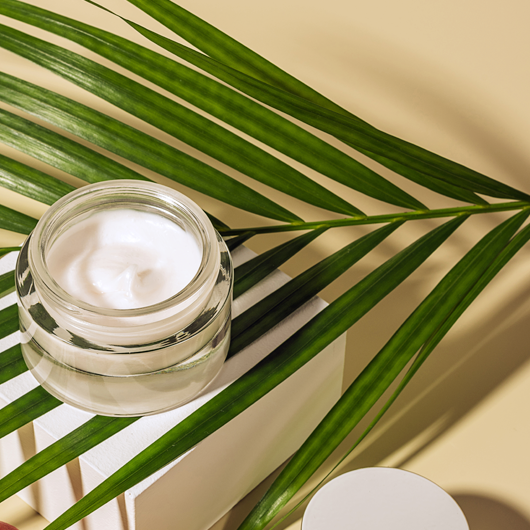


When you hear people buzzing about skincare essentials, 100 pure vitamin E oil is almost always part of the conversation. It's one of those classic, must-have ingredients, a fat-soluble antioxidant famous for helping skin look moisturized and youthful. It’s incredibly useful for more than just your face—think hair, lashes, and brows, too.
What Is 100 Pure Vitamin E Oil
So, what exactly is 100 pure vitamin E oil? The name on the label is usually tocopherol, a powerful, naturally occurring antioxidant. But it’s not just one single thing; it's actually a whole family of related compounds.
In the world of skincare, it’s like a personal bodyguard for your skin, helping it stay hydrated and resilient against whatever the day throws at you.
Its fame isn't just word-of-mouth, either. It’s a huge deal in the beauty industry. The global Vitamin E market hit a staggering $2.99 billion in 2025 and is expected to climb to $4.25 billion by 2030. That growth is coming straight from the skincare boom, where it's a star ingredient in countless products. You can learn more about these market trends and vitamin E's growing role in cosmetics.
A Staple in Modern Skincare
Because Vitamin E is oil-soluble, it blends beautifully into lotions, creams, and serums. This makes it a favorite for both big-name brands and DIY skincare lovers. Its main job is to support the skin's barrier, locking in that precious moisture.
When you add Vitamin E oil to your routine, it can:
- Deeply Moisturize: Its emollient nature helps keep skin looking plump, soft, and hydrated.
- Provide Antioxidant Support: It helps defend your skin against the visible effects of daily environmental exposure.
- Boost Other Formulations: It's a fantastic team player, enhancing the feel and effects of other beauty oils.
But getting the results you want means understanding that not all Vitamin E is created equal. Knowing the difference between the various forms is key, whether you're whipping up your own creations or just trying to be a smart shopper.
"Think of Vitamin E not as a single ingredient, but as a team of protectors. Each form has a unique role, from providing potent antioxidant support to ensuring the stability of a delicate cosmetic formula. Choosing the right one is key to crafting beautiful and effective skincare."
A Quick Glance at Vitamin E Forms
To help you sort through the options, it's useful to know the most common forms of Vitamin E you'll see on ingredient lists. Each one has a specific job to do.
This table gives you a quick rundown to compare their primary roles. We’ll get into the nitty-gritty of each one later, but this is a great starting point.
| Vitamin E Form | Common Name | Primary Use | Best For |
|---|---|---|---|
| D-Alpha-Tocopherol | Natural Vitamin E | Antioxidant in DIY Serums | Active antioxidant support |
| DL-Alpha-Tocopheryl Acetate | Synthetic Vitamin E | Stabilizer in Commercial Creams | Extending product shelf life |
| Mixed Tocopherols | Natural Vitamin E Blend | Preserving Oils in Formulations | Preventing rancidity in DIY oils |
Think of this table as your cheat sheet. It sets the stage for everything else we're about to cover, helping you choose and use 100 pure vitamin E oil like a pro for all your skincare and beauty projects.
Understanding The Different Types Of Vitamin E
Walking down the skincare aisle, you’ll see 100% pure vitamin E oil everywhere. But here’s a little secret: “Vitamin E” isn’t just one single ingredient. Think of it more like a big family with eight different members, each with its own personality and job to do.
Getting to know the key players is the first step to choosing the right product, whether you're buying a pre-made serum or whipping up your own DIY magic.
This diagram breaks down the Vitamin E family into its two main groups: Tocopherols and Tocotrienols.

While both have antioxidant properties, the tocopherols are the stars of the skincare world. They're the ones you’ll almost always find on an ingredient list.
The Natural Form: D-Alpha-Tocopherol
When an ingredient label says d-alpha-tocopherol, you’re looking at the real deal—the natural, most biologically active form of Vitamin E. This is the powerhouse antioxidant that DIY formulators and skincare junkies hunt for.
It's derived from natural sources, like vegetable oils, and because it's so active, it’s a fantastic choice for facial serums designed to support the skin against daily environmental elements. Think of it as the skin’s first line of defense.
But all that power comes with a catch. This form is notoriously unstable. It oxidizes (or goes bad) pretty quickly when it's exposed to air and light, so you have to be extra careful with how you handle and store it.
The Stable Form: Tocopheryl Acetate
Next up is dl-alpha-tocopheryl acetate, the synthetic, more stable cousin. In the lab, scientists combine tocopherol with acetic acid, creating a version that’s much more durable. Think of this one as the reliable workhorse of the family, built for the long haul.
Here's why formulators love it:
- Longer Shelf Life: It stands up to oxidation, which is perfect for commercial lotions and creams that need to stay fresh on store shelves for months.
- Milder on Skin: Because the "acetate" part needs to be broken down by your skin's enzymes first, it’s less potent right out of the bottle, making it a gentler choice for some.
The trade-off is that tocopheryl acetate isn't an active antioxidant on its own. Your skin has to do a little work to convert it back into tocopherol before it can start providing its benefits.
For formulators, the choice between d-alpha-tocopherol and dl-alpha-tocopheryl acetate is always a balancing act. Do you want immediate antioxidant power, or do you need the product to stay stable and effective for a longer period?
The Protective Blend: Mixed Tocopherols
Finally, we have mixed tocopherols. This isn’t one compound but a team of natural tocopherols working together (alpha, beta, gamma, and delta). Their main job is to act as a bodyguard for the other ingredients in your formula.
While d-alpha-tocopherol is the hero for supporting your skin, the gamma and delta forms are brilliant at stopping oils from going rancid. This makes mixed tocopherols a must-have natural preservative for your DIY creations, especially things like body butters and lip balms that contain a lot of delicate oils.
Learning to spot these names on a label can feel tricky at first, but it’s a skill that puts you in control. If you want to get more confident, check out our guide on how to read a skincare label, which breaks down the confusing world of INCI names. It’s the key to knowing exactly what you’re putting on your skin. https://www.naturalorganicskincare.com/blogs/category/how-to-read-a-skincare-label-inci
Cosmetic Benefits For Skin, Hair, And Lashes

Alright, we’ve sorted out the different types of Vitamin E. Now for the fun part: why has 100% pure vitamin E oil become such a go-to in so many beauty routines? Its magic lies in its versatility. From skin and hair to your lashes, it’s a powerhouse of moisture and antioxidant support.
Think of pure tocopherol as your skin’s personal bodyguard. It helps defend against the daily grind of environmental stressors, which helps keep your complexion looking fresh and vibrant.
At the same time, it’s an incredible moisturizer. The oil lubricates the skin’s surface, giving it that soft, supple feel we all crave. This hydration boost plumps up the skin, which can help soften the look of fine lines and wrinkles.
Enhancing Skin's Youthful Appearance
When you’re chasing that radiant, smooth-looking complexion, 100% pure vitamin E oil is a fantastic ally. Its main job is to support your skin's natural barrier, which is absolutely critical for locking in moisture. And let’s be honest, well-hydrated skin just looks healthier and more youthful.
Imagine adding this simple, natural oil to your routine, knowing you're part of a skincare movement that was valued at $806.2 million in 2024 and is rocketing toward $1,390.2 million by 2034. Here at Skin Perfection, estheticians often mix it into lotions for clients looking for that youthful glow. The beauty of Vitamin E oil is how well it plays with other high-performance ingredients, creating the perfect antioxidant-rich environment for actives like peptides and plant stem cells to do their best work.
Conditioning Hair For A Fuller Look
The amazing benefits of Vitamin E don't stop at your face. It's also an exceptional conditioning agent for your hair and scalp. Just like it moisturizes your skin, it can soothe a dry scalp and coat your hair strands for a smoother, shinier look.
Here’s how it helps your hair look its absolute best:
- Scalp Conditioning: A hydrated scalp is a happy scalp—and a better environment for healthy-looking hair. Massaging a diluted Vitamin E oil mixture onto your scalp delivers an intense dose of moisture.
- Improved Luster: By smoothing down the hair cuticle, the oil tames frizz and flyaways. This helps your hair reflect more light, giving it a gorgeous, healthy-looking sheen.
- Reduced Appearance of Breakage: Hair that’s well-moisturized is more flexible and less likely to appear damaged. This conditioning effect helps you maintain length and gives your hair an overall fuller appearance.
While topical treatments are great, remember that healthy hair starts from within. For a deeper look at how essential nutrients play a role, it's worth exploring different vitamins for hair growth.
This conditioning power makes Vitamin E a fantastic addition to hair masks, leave-in treatments, or even just a few drops mixed into your favorite conditioner.
For Denser-Looking Lashes and Brows
Those same conditioning principles apply to your eyelashes and eyebrows, too. These delicate hairs can get a major boost from the moisturizing properties of 100% pure vitamin E oil, helping them look denser, shinier, and more defined.
Daily life—from makeup to just being out in the elements—can leave your lashes and brows feeling brittle or looking a bit sparse. Applying a tiny bit of diluted Vitamin E oil can coat each hair, giving it a glossy finish and a much thicker appearance.
It's a simple step that can make a huge difference in how full your brows and lashes look. For anyone dreaming of even more dramatic results, specialized treatments are always an option. If you're curious, you might want to check out our article showcasing some impressive eyelash serum before and after results.
To make it even easier to see how you can use this versatile oil, here’s a quick guide.
Cosmetic Application Guide for Vitamin E Oil
This table summarizes how to easily incorporate Vitamin E oil into your existing routines for a more moisturized and polished look.
| Application Area | Suggested Use | Expected Visual Outcome |
|---|---|---|
| Skin | Mix 1-2 drops into your nightly moisturizer or serum. | A more hydrated, plump, and supple-looking complexion. |
| Hair | Add a few drops to your conditioner or use as a pre-shampoo scalp massage. | Shinier, smoother hair with less visible frizz and a conditioned scalp. |
| Lashes & Brows | Apply a tiny amount to a clean spoolie and gently brush through hairs. | A glossier, conditioned appearance, making them look thicker and more defined. |
| Cuticles | Massage a single drop into cuticles and nails nightly. | Softer, healthier-looking cuticles and more resilient nails. |
Ultimately, adding Vitamin E oil to your routine is all about enhancing your natural beauty. Whether you use it on your skin, hair, or lashes, its main purpose is to moisturize and support, leaving you with a more radiant and well-cared-for appearance.
How To Use Vitamin E Oil In Your DIY Formulations

Diving into DIY skincare is incredibly rewarding. You get to be the chemist, the creator, and the first person to try your amazing new product. And when you're building your ingredient toolkit, 100% pure vitamin E oil is one of those non-negotiables you’ll turn to again and again.
In any given formula, Vitamin E wears two hats: it provides antioxidant support for your skin, and it acts as a natural stabilizer to keep your other precious oils from going rancid too quickly.
But here’s the thing about pure Vitamin E—it's incredibly thick, with a consistency like honey. You can’t just eyeball it or splash it in. Getting it right comes down to understanding dilution and respecting the usage rates.
The Golden Rule: Usage Rates
When working with 100% pure vitamin E oil (d-alpha-tocopherol), the most critical thing to remember is that a tiny bit goes a very long way. Going overboard won't make your product better; it will just make it a sticky, heavy mess that feels awful on the skin.
For almost any cosmetic you can dream up, the sweet spot for usage is between 0.5% and 2% of your total formula.
- At 0.5%: This is the perfect concentration when your main goal is to use Vitamin E as an antioxidant for your other ingredients. It's just enough to help extend the shelf life of the oils in a body butter, lip balm, or lotion bar.
- Between 1% and 2%: This is the range you want when you’re aiming for Vitamin E's skin benefits. At this level, it’s a key active ingredient, delivering its antioxidant power directly to your skin in a face serum or a rich night cream.
Staying within these guardrails is what separates amateur concoctions from professional-quality formulations. It ensures your product feels great and works as intended.
How To Properly Dilute Vitamin E Oil
Because pure tocopherol is so thick and sticky, you can't use it directly. The secret to making it usable and elegant is diluting it in a carrier oil. This simple step transforms it from a goopy substance into a smooth, silky blend that your skin will love.
Think of the carrier oil as the chauffeur. It thins out the Vitamin E, helps it spread evenly, and makes sure it plays nicely with all the other ingredients in your formula.
Choosing Your Carrier Oil:
- For Facial Serums: Go for light, non-comedogenic oils that absorb in a flash. Jojoba oil, argan oil, and squalane are all fantastic choices that won't leave you feeling greasy.
- For Body Butters & Creams: Here you can use richer, more emollient oils. Sweet almond oil, avocado oil, and apricot kernel oil work beautifully to deliver deep moisture.
To dilute, you just measure out your carrier oil, add the correct percentage of Vitamin E, and stir gently until it's completely mixed in. What you're left with is a beautiful, functional base ready for your custom creation. You can find tons of inspiration for carrier oils and other ingredients in our guides on cosmetic formulation.
Simple Formulation Ideas to Get You Started
Ready to get your hands dirty? Here are two simple, effective recipes that show just how easy it is to work with 100% pure vitamin E oil. These are perfect for getting a feel for the ingredient.
It's no surprise that Vitamin E is a star ingredient. The global market for it is predicted to hit $4.62 billion by 2035, largely driven by its use in cosmetics. The results speak for themselves, with some user studies showing 35% denser-looking lashes and brows and 95% user satisfaction in hydration tests. If you want to dive deeper into the trend, you can explore more about the Vitamin E market growth on Spherical Insights.
1. Basic Antioxidant Facial Oil (30ml). This is a fantastic, no-fuss daily serum for moisture and antioxidant support.
- 28.5 ml Jojoba Oil (or another lightweight carrier)
- 0.5 ml 100% Pure Vitamin E Oil (d-alpha-tocopherol, which is about 1.5%)
- 2-3 drops of your favorite essential oil for scent (optional)
Instructions: In a clean 30ml dropper bottle, carefully measure your jojoba oil. Add the Vitamin E and essential oils. Put the cap on and give it a gentle shake to combine. It's that simple!
2. Enriched Body Butter Base (100g) This formula uses Vitamin E to keep the butter fresh while adding an extra layer of moisture.
- 50g Shea Butter
- 49g Sweet Almond Oil
- 1g 100% Pure Vitamin E Oil (you can use mixed tocopherols or d-alpha-tocopherol, at 1%)
Instructions: Gently melt the shea butter in a double boiler. Once melted, take it off the heat and stir in the sweet almond oil. As the blend starts to cool but is still liquid, add the Vitamin E oil and mix it in thoroughly. Pour into a clean jar and let it set.
These recipes are a great starting point. They show just how straightforward it is to add this powerful antioxidant into your own high-quality, personalized skincare.
Choosing Quality Oil and Avoiding Common Pitfalls
Picking the right 100% pure vitamin E oil is about more than just grabbing the first bottle you see on the shelf. The quality, the specific form, and even the bottle it comes in can make a massive difference in your results. To get those beautiful, skin-loving benefits, you have to become a savvy shopper and a smart user.
It all starts with reading the ingredient label. The secret to finding a high-quality, natural vitamin E oil is to look for its scientific name: d-alpha-tocopherol. This little detail tells you you're getting the good stuff—the biologically active form from natural plant sources, ready to provide its antioxidant benefits.
How to Read the Label and Identify Quality
When you’re standing in the aisle comparing bottles, the INCI (International Nomenclature of Cosmetic Ingredients) list is your best friend. Marketing can be misleading, but the ingredient list never lies.
- Look for "d-alpha-tocopherol": This is the gold standard for a potent, natural Vitamin E. It's exactly what you want for creating powerful DIY antioxidant serums.
- Identify "dl-alpha-tocopheryl acetate": If you see this, you’re looking at the synthetic version. It’s super stable and fantastic for extending the shelf life of a commercial product, but it isn’t the active, natural antioxidant you're looking for in a pure oil.
- Check for "mixed tocopherols": This means you have a blend of different vitamin E forms. This is an excellent choice if your goal is to use it as a natural preservative to keep your other precious oils from going rancid.
Knowing the difference helps you grab the perfect product for your needs, whether you're whipping up a rich facial oil or a long-lasting body butter.
The Importance Of Proper Storage
Even the best 100% pure vitamin E oil will lose its power if you don't store it right. Vitamin E's greatest strength—its ability to fight off environmental aggressors—is also its biggest weakness. It degrades quickly when exposed to its three main enemies: light, air, and heat.
Think of it like this: an apple slice turns brown when left out on the counter. In the same way, your vitamin E oil will break down when exposed to the elements, becoming less effective. Proper storage is completely non-negotiable.
To keep your oil fresh and effective, just follow these simple but critical rules:
- Always use a dark glass bottle: Amber or cobalt blue bottles are your best bet. They are designed to block the UV rays that cause the oil to break down.
- Keep it airtight: Oxygen is a major culprit in oxidation. Always screw the cap on tightly after you use it.
- Store in a cool, dark place: A cabinet or drawer, far away from direct sunlight and heat (like a steamy bathroom), is the perfect home for your oil.
The Absolute Necessity Of Patch Testing
While Vitamin E is a dream ingredient for many, it’s not for everyone. Its thick, rich texture can sometimes be too much for certain skin types, especially when you use it straight from the bottle. This is why patch testing is an absolute must before you slather it all over your face or add it to a new DIY creation.
For anyone serious about a clean and safe beauty routine, checking out resources on product safety can be a game-changer. Looking into brands that are EWG Verified for their commitment to non-toxic ingredients is a great place to start.
Here are a few potential side effects to watch for:
- Irritation or redness: Some people just have a natural sensitivity to topical Vitamin E.
- Breakouts: Because it's such a heavy oil, it can contribute to clogged pores, especially for those with oily or blemish-prone skin.
How to Patch Test: It's simple. Just apply a small, diluted amount of the oil to a discreet spot, like behind your ear or on your inner arm. Wait 24-48 hours and keep an eye out for any redness, itching, or irritation. If your skin still looks and feels happy, you're good to go. This one small step ensures your skincare journey is safe, effective, and perfectly suited to you.
Your Vitamin E Oil Questions, Answered
Still have a few questions about 100 pure vitamin E oil? You're not alone. It's a powerhouse ingredient, but using it correctly is key. Let's clear up some of the most common queries we get from skincare lovers and DIY formulators.
Can I Put 100% Pure Vitamin E Oil Straight On My Face?
I get this question all the time, and the short answer is: probably not. While it might sound like a good idea, applying 100 pure vitamin E oil directly from the bottle is something I rarely recommend.
Think of its consistency—it’s like honey. The oil is incredibly thick, sticky, and heavy. For many people, this just feels uncomfortable on the skin. If your skin is even a little bit oily or prone to blemishes, that thick texture is a potential recipe for clogged pores.
The best approach is to dilute it. This way, you get all the amazing antioxidant and moisturizing benefits without the goopy, heavy feeling. Just blend one or two drops into your daily moisturizer or a lightweight carrier oil like jojoba or argan. If you're formulating your own products, aim for a usage rate between 0.5% and 2%. Your skin will thank you.
What's The Real Difference Between Natural And Synthetic Vitamin E?
This is a crucial distinction, especially if you’re making your own skincare. The difference really boils down to where they come from, their chemical makeup, and how they behave in a formula.
-
Natural Vitamin E (d-alpha-tocopherol): This is the good stuff, derived straight from plant sources like sunflower or soybean oils. Its specific structure is what our skin recognizes, making it highly bioavailable and a potent topical antioxidant. If you're creating a fresh, active serum meant to support the skin, this is the form you want.
-
Synthetic Vitamin E (dl-alpha-tocopheryl acetate): This version is made in a lab from petroleum byproducts. Its biggest advantage is stability and a much longer shelf life. That’s why you’ll see it in mass-produced products that need to sit on a shelf for months. The catch? It's an ester, which means your skin has to do the extra work of converting it into usable tocopherol. It's less of an active antioxidant right out of the bottle.
For fresh, powerful antioxidant action in a DIY formula, natural d-alpha-tocopherol is hands-down the winner. For keeping a commercial product stable over the long haul, formulators often lean on the synthetic version.
How Can I Tell If My Vitamin E Oil Has Gone Bad?
Like any natural oil, 100 pure vitamin E oil has a shelf life. It can oxidize and go rancid, which not only makes it less effective but can also irritate your skin. This process speeds up when the oil is exposed to its three biggest enemies: light, air, and heat.
Luckily, your senses can usually tell you when it's time to toss it. There are two dead giveaways that your oil is past its prime.
You can check for rancidity in two main ways:
- The Smell Test: Fresh Vitamin E oil has a very mild, nutty scent, or sometimes no real smell at all. If you open the bottle and get hit with a sharp, sour, or generally "off" odor, it has oxidized. Don't use it.
- Look at It: High-quality, fresh tocopherol should be clear to pale yellow. If the oil has darkened to a deep amber or brown, or if it’s become much thicker and stickier than you remember, it’s a clear sign of degradation.
To get the most life out of your oil, always store it in a dark glass bottle (amber or cobalt blue are perfect) and keep it in a cool, dark place like a cabinet—far away from sunny windowsills and steamy bathrooms.
Will Vitamin E Oil Actually Make My Hair Look Thicker?
While Vitamin E oil won't magically create new hair, it's a fantastic conditioning agent that creates the perfect environment for healthier, fuller-looking hair.
When you massage it into your scalp (always diluted in a carrier oil like coconut or jojoba), it delivers some serious moisture. A healthy, hydrated scalp is the foundation for strong, vibrant-looking hair.
On the hair strands themselves, it works to smooth the cuticle. This cuts down on the appearance of frizz and split ends. By smoothing everything down and adding a beautiful shine, your hair naturally appears denser, healthier, and more voluminous from root to tip. The same logic applies to your lashes and brows—a little conditioning can help them look much more lush and defined.
What's The Best Way To Use Vitamin E For My Cuticles?
Using 100 pure vitamin E oil on your cuticles is one of the easiest and most satisfying ways to see a quick result. That delicate skin can often get dry or rough, and a tiny bit of this oil works wonders.
For a super simple cuticle treatment, just put a single drop of Vitamin E oil (or a blend with jojoba oil) right on your nail bed. Take a moment to gently massage it into the cuticle and the surrounding skin. Its rich, emollient texture creates a protective seal that locks in moisture like nothing else.
Make it a nightly habit before you go to sleep. You'll wake up to softer, more hydrated cuticles that are way less likely to look ragged. It’s a small step that makes a huge difference in how your hands look and feel.
Ready to experience the beautifying benefits of premium ingredients for yourself? At Skin Perfection, we provide high-quality, pure cosmetic actives and lotion-making supplies to help you create stunning skincare.
Explore our full range of DIY ingredients and ready-made products at Skin Perfection today!