

 Buy with Prime
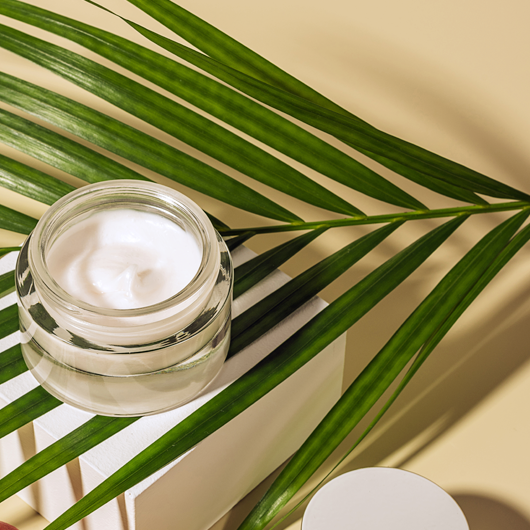


2.5% Retinol Moisturizer reviews
If you are reading 2.5% Retinol Moisturizer reviews because you want smoother texture without gambling with your skin barrier, start with the label, not the headline percentage. A retinoid can support collagen renewal, soften the appearance of fine lines, improve uneven tone, and help keep pores clearer. Its success depends on the actual retinol concentration, delivery system, supporting ingredients, and your application schedule.
Key Takeaways
- Reading product labels provides more safety information than relying solely on the headline percentage.
- Effective retinol performance relies on the delivery system and supporting ingredients alongside the concentration.
- Establishing a consistent application schedule is necessary to see improvements in texture and tone.
My verdict is measured: the 2.5% Retinol Moisturizer may offer meaningful cosmetic benefits, but “2.5%” does not automatically mean 2.5% pure retinol. Treat this as a potentially strong formula, verify the manufacturer’s ingredient disclosure, and increase use gradually. More retinol is not always better skincare.
Is a 2.5% Retinol Moisturizer Effective? Quick Answer and Verdict
A 2.5% retinol moisturizer can be effective for visible signs of photoaging, including rough texture, dullness, fine lines, and uneven pigmentation. Retinol works through gradual conversion within the skin, so results develop over weeks to months rather than overnight. The moisturizer format may make application more comfortable than a highly concentrated serum, yet the base does not eliminate retinoid irritation.
The short answer: what a 2.5% retinol moisturizer can realistically do
Expect progressive refinement, not an instant facelift. Consistent use may help skin look smoother and more even while supporting a firmer-looking complexion. Dryness, peeling, warmth, or redness can occur during adjustment, particularly if the stated percentage represents a high level of free retinol. Product quality also depends on packaging, stability, pH, soothing agents, and whether the formula protects retinol from light and air.
Who this strength suits best, and who should start slower
This strength may suit experienced retinoid users whose skin already tolerates lower-strength retinol. Beginners, people with rosacea, eczema, sensitive skin, or a compromised barrier should start with less frequent applications or a lower-strength product. Anyone using prescription tretinoin, acne medication, exfoliating acids, or multiple active ingredients should ask a dermatologist or pharmacist how to coordinate products.
Review scorecard: efficacy potential, irritation risk, ingredient transparency, usability, and value
For 2.5% Retinol Moisturizer reviews, I would separate the buying decision into five questions rather than assign one inflated star rating. Efficacy potential is promising if the percentage means free retinol and the product remains stable. Irritation risk is high at that claimed strength. Ingredient transparency is only strong when the label identifies the retinol form or complex. Usability depends on a comfortable, non-stinging base and practical packaging. Value is favorable only when the formula provides clear disclosure and tolerable performance.
Decision matrix: who may benefit, who should proceed with caution, who should consult a dermatologist
- May benefit: Experienced retinol users seeking support for fine lines, texture, dullness, or uneven tone.
- Proceed with caution: Beginners and people with dry, reactive, or easily flushed skin. Use a slower schedule and monitor tightness, burning, and persistent flaking.
- Consult a dermatologist: Anyone with active dermatitis, significant rosacea, ongoing prescription retinoid treatment, severe acne, or a history of allergic reactions to skincare ingredients.
What Does “2.5% Retinol” Actually Mean? A Transparency Check Most Reviews Skip

Pure retinol, retinol blends, and retinol derivative complexes explained
The phrase “2.5% retinol” needs context. A label may describe 2.5% pure retinol, a premixed retinol blend, or a delivery complex containing retinol alongside solvents, oils, encapsulating materials, or other vitamin A compounds. Those descriptions are not interchangeable. The ingredient list and official product information should state what the percentage measures. If the brand does not explain the naming convention, shoppers cannot accurately judge potency from the front label alone.
Why percentage comparisons between brands can mislead shoppers
Two products can display the same number while delivering different amounts of active retinol to the skin. Encapsulation, carrier oils, oxidation control, release speed, packaging, and formula stability all affect real-world exposure. A cream with humectants and emollients may feel gentler than a thin serum, yet its retinoid content still determines much of its irritation potential. This is why careful 2.5% Retinol Moisturizer reviews should examine the full ingredient disclosure rather than rank products by percentage alone.
Retinoid strength compared: retinol, retinal, retinyl palmitate, adapalene, and tretinoin
Retinoid percentages cannot be converted into a universal strength scale. Retinol and retinal are cosmetic vitamin A derivatives with different conversion pathways. Retinyl palmitate is a more indirect ester. Adapalene is a topical retinoid commonly used in acne care, while tretinoin is a prescription retinoic acid that acts directly at retinoid receptors. A cosmetic retinol product should not be presented as therapeutically equivalent to prescription tretinoin.
| Retinoid | Typical role | How to interpret the label |
|---|---|---|
| Retinol | Cosmetic support for texture, tone, and fine lines | Percentage may refer to free retinol or a supplier blend |
| Retinal | Cosmetic vitamin A derivative with a different conversion route | Do not compare its percentage directly with retinol |
| Retinyl palmitate | More indirect vitamin A ester used in cosmetic formulas | A stated percentage does not equal retinol strength |
| Adapalene | Topical retinoid used primarily in acne treatment | Follow product or medical guidance, not cosmetic percentage comparisons |
| Tretinoin | Prescription retinoic acid for dermatologist-directed treatment | Not directly equivalent to cosmetic retinol |
So, does 2.5% mean 2.5% pure retinol? Only the manufacturer’s verified documentation can answer that question. Until the label confirms it, view the figure as a marketing concentration that requires investigation, not as a precise potency measurement.
Formula Review: The Ingredients Beyond the Retinol Number
Careful 2.5% Retinol Moisturizer reviews should examine the entire formula, not just the vitamin A percentage. A retinoid can support smoother-looking texture, yet the surrounding ingredients influence comfort, hydration, stability, and daily usability. The featured 2.5% Retinol Moisturizer deserves the same label audit as any active skincare formula: identify the retinol form, review the supporting base, and check for potential irritants before deciding whether it suits your skin.
Barrier-supporting ingredients to look for: ceramides, glycerin, hyaluronic acid, squalane, and panthenol
Retinoid comfort often begins with barrier care. Ceramides help replenish lipids associated with the skin barrier, while glycerin and hyaluronic acid attract water to improve surface hydration. Squalane supplies lightweight emollience, and panthenol can provide a soothing, conditioning effect. These ingredients do not cancel out retinol’s irritation potential, but they can make tightness and roughness less disruptive during regular use. Look for a formula that combines humectants, emollients, and barrier-supportive lipids instead of relying on a single soothing ingredient.
| Ingredient or category | Likely role | Review relevance |
|---|---|---|
| Ceramides | Supports the lipid barrier | Useful for dryness-prone skin |
| Glycerin and hyaluronic acid | Draws water into the outer layers | May improve a supple, cushioned feel |
| Squalane | Softens and reduces moisture loss | Can improve spreadability and finish |
| Panthenol | Conditioning and soothing support | Helpful when skin feels tight |
| Peptides and antioxidants | Support cosmetic renewal and defense against environmental stress | Adds formula value beyond retinol |
Antioxidants, botanical extracts, peptides, and stem-cell-derived cosmetic ingredients
Antioxidants can help defend the formula and skin from oxidative stress, while botanical extracts may contribute soothing, conditioning, or brightening properties. Peptides are short amino-acid chains that send cosmetic signals associated with firmer-looking skin and improved surface appearance. Stem-cell-derived ingredients in skincare generally refer to cosmetic extracts or conditioned media, not living stem cells. Their presence should be explained clearly, with the ingredient’s INCI name and intended role stated. Skin Perfection’s botanical and peptide standards, along with its participation in EWG VERIFIED and recognition as a 2025 Think Dirty Awards Finalist, support a clean-formulation philosophy. Those credentials still do not replace clear retinol disclosure or evidence for each performance claim.
Potential irritants to check: fragrance, essential oils, and drying alcohols
Fragrance, essential oils, and high amounts of volatile drying alcohol may trouble reactive skin, especially alongside a potent retinoid. A pleasant scent is not proof of better performance, and “natural” does not automatically mean non-irritating. Scan the complete ingredient list for parfum, fragrance allergens, citrus oils, peppermint, eucalyptus, and alcohol denat. Consider your personal history as well. A formula that suits oily skin may feel harsh on eczema-prone or sensitized skin.
Moisturizer versus standalone retinol serum: does the format change tolerability?
A moisturizer may spread more comfortably than a thin serum because its water, oil, and emollient phases cushion application. That can reduce the feeling of immediate dryness, yet the retinol concentration, stability, and application frequency still determine much of the adjustment period. A serum is not automatically harsher, and a cream is not automatically gentle. Judge the format by its complete ingredient list, packaging, finish, and your skin’s response over several weeks.
What Customer Reviews Really Say: Results, Dryness, and the Irritation Question
Across 2.5% Retinol Moisturizer reviews, the most useful details are usually practical: whether the cream pills, leaves a greasy film, causes stinging, layers well, and produces gradual changes in texture or tone. Reviews describing smoother-feeling skin after consistent use can be encouraging, but individual results depend on age, sun exposure, baseline sensitivity, routine, and application habits. Treat dramatic overnight claims with caution. Retinoid skincare is measured in steady progress, not instant perfection.
Common review themes: texture, visible results, and ease of use
Positive feedback often centers on a creamy texture, manageable absorption, and a complexion that looks more refined with continued use. Less favorable comments may mention peeling, tightness, redness, or difficulty combining the product with other actives. Read reviews for context: frequency, amount applied, cleansing habits, and use of sunscreen can explain more than a simple “worked” or “did not work” label.
Reviewer reality check: normal adjustment, purging, barrier damage, or possible allergy?
Mild dryness or limited flaking can occur as skin adjusts to retinol. Widespread burning, swelling, intense itching, cracking, or persistent redness suggests irritation or a possible allergic reaction, not a result that should be pushed through. Breakouts in areas where you commonly experience congestion may resemble purging, while rash-like bumps in unusual areas deserve more caution. Stop using the product if symptoms are severe, and seek medical advice when the reaction does not settle.
Realistic timeline: what to expect at 4, 8, and 12 weeks
| Timeframe | Reasonable observation | What to monitor |
|---|---|---|
| About 4 weeks | Improved softness or early adjustment | Tightness, flaking, and stinging |
| About 8 weeks | More noticeable texture and tone refinement | Consistency and barrier comfort |
| About 12 weeks | Clearer sense of cosmetic benefit | Whether results justify continued use |
Pros and cons at a glance
Pros
- Can support smoother-looking texture and more even tone.
- Moisturizing ingredients may improve application comfort.
- Offers a convenient alternative to layering separate products.
Cons
- A high claimed strength may cause dryness or redness.
- The percentage may not reveal the amount of free retinol.
- Results require consistent use and realistic expectations.
How to Use a 2.5% Retinol Moisturizer Safely: Routine, Layering, and Sunscreen

Safe use matters as much as formula strength in 2.5% Retinol Moisturizer reviews. The 2.5% Retinol Moisturizer should be introduced as an active treatment, not used like an ordinary night cream. Your goal is steady tolerance, a healthy skin barrier, and consistent application over time. Applying more product or using it every night will not necessarily produce faster visible results.
A beginner-to-intermediate schedule: retinol on Monday, Wednesday, and Friday plus recovery days
Begin with a Monday, Wednesday, and Friday schedule at night, leaving recovery days between applications. Cleanse gently, allow the skin to dry fully, then apply the product. On Tuesday, Thursday, Saturday, and Sunday, use a simple moisturizer without retinol, exfoliating acids, or other strong actives. Beginners may need to start once or twice weekly before moving to three nights. Can you use it every night? Only if your skin has demonstrated comfortable tolerance over time, without persistent burning, tightness, redness, or peeling.
Amount, application order, and the moisturizer-sandwich method for dry or sensitive skin
Use a thin, even layer rather than applying extra cream to lines or blemishes. Avoid the eyelids, corners of the nose, lips, and broken skin unless a medical professional gives you different instructions. After cleansing, apply a gentle moisturizer first if your skin is dry or reactive. Once it settles, use the retinol product, followed by another light layer of moisturizer. This “sandwich” approach reduces direct contact and can make the adjustment period more comfortable. Keep the rest of the routine uncomplicated: mild cleanser, bland moisturizer, and sunscreen.
What not to mix: tretinoin, exfoliating acids, azelaic acid, and vitamin C
Do not layer cosmetic retinol with tretinoin unless your prescriber specifically directs that routine. Combining them can increase dryness and irritation without offering a clear cosmetic advantage. Exfoliating acids such as glycolic, lactic, and salicylic acid also deserve separate nights while you assess tolerance. Azelaic acid and vitamin C may suit some routines, but adding them at the same time makes it harder to identify the cause of stinging or redness. Introduce one active at a time, and keep stronger ingredients apart until your skin is stable.
Patch testing, irritation management, and when to reduce frequency or stop
Patch test on a small area near the jaw or behind the ear, following the product label, before applying retinol across your face. A little dryness can occur during adjustment. Persistent burning, swelling, hives, painful cracking, intense itching, or worsening inflammation calls for a pause. Apply moisturizer, avoid scrubs and active treatments, and resume only after the skin feels normal. If symptoms are severe or do not improve, contact a dermatologist. People with eczema, rosacea, or recurring dermatitis should seek professional guidance before starting.
Daily broad-spectrum sunscreen and pregnancy-related precautions
Apply broad-spectrum SPF 30 or higher every morning, and reapply during extended outdoor exposure. UV radiation contributes to photoaging and can deepen discoloration left after irritation. Wear a hat and seek shade when practical, too. If you are pregnant, trying to conceive, or breastfeeding, ask your obstetrician or dermatologist before using retinoid products. Many clinicians recommend avoiding topical retinoids during pregnancy. When in doubt, pause use and request individualized medical advice.
Frequently Asked Questions
Is 2.5% retinol too strong?
In my honest assessment, 2.5% sits at the high end of cosmetic retinol strengths, and the irritation risk is real: think dryness, peeling, warmth, and redness during adjustment. It may suit experienced retinoid users whose skin already tolerates lower percentages well. Beginners and anyone with sensitive, reactive, or compromised skin should start with a gentler strength or a less frequent schedule.
Does retinol moisturizer actually work?
Yes, a retinol moisturizer can deliver meaningful cosmetic support for rough texture, dullness, fine lines, and uneven tone. Retinol works through gradual conversion within the skin, so expect progressive refinement over weeks to months rather than overnight change. The moisturizer base may feel more comfortable than a concentrated serum, but it does not eliminate retinoid irritation.
What does 2.5% retinol on a label actually mean?
The number may describe pure free retinol, a premixed blend, or a delivery complex containing only a portion of retinol alongside carriers and other vitamin A compounds. These descriptions are not interchangeable, and two products displaying the same percentage can deliver very different amounts of active retinol. Always verify the full ingredient disclosure rather than judging potency from the front label alone.
Should a 60 year old woman use retinol?
Retinol can support collagen renewal and soften the appearance of fine lines, so mature skin often benefits from consistent, well-paced use. The key is starting gradually and monitoring for tightness, burning, or persistent flaking. Anyone with active dermatitis, significant rosacea, or prescription retinoid treatment should check with a dermatologist first.
What is the best retinol for a 70 year old woman?
Rather than chasing the highest percentage, look for clear ingredient disclosure, a stable formula in protective packaging, and soothing supporting ingredients. A gentler strength used consistently tends to outperform an aggressive product you must keep stopping. A dermatologist can also help coordinate retinol with any prescription skincare.
What do Koreans use instead of retinol?
Many K-beauty routines favor gentler vitamin A options, such as retinal or retinyl palmitate, along with plant-derived alternatives like bakuchiol. This reflects a barrier-first philosophy of gradual, consistent care rather than maximum strength. The right choice depends on your skin's tolerance and your goals.
How often should I apply a 2.5% retinol moisturizer?
Start slowly, perhaps two or three nights a week, and increase only as your skin adjusts. Watch for dryness, peeling, warmth, or redness, and pause if irritation persists. Tolerability is part of performance, because a product cannot deliver results if you repeatedly have to stop using it.