

 Buy with Prime
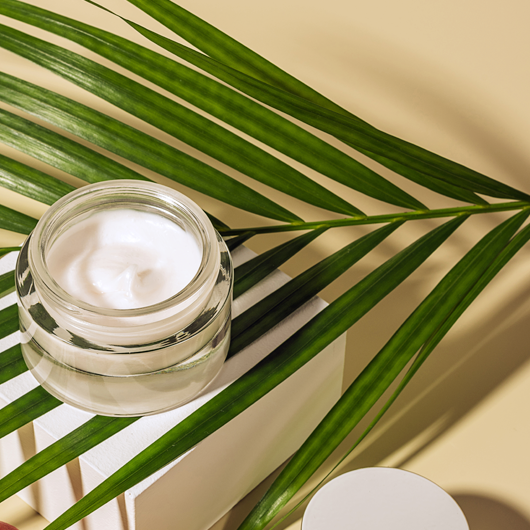


2.5% Retinol Serum alternatives
If your skin peels, stings, or stays red after a high-strength retinoid, you don’t have to abandon your age-defying goals. The right 2.5% Retinol Serum alternatives can support smoother-looking skin with peptides, bakuchiol, antioxidants, and barrier-friendly hydrators. Without demanding constant discomfort from your complexion.
Key Takeaways
- You can achieve smoother-looking skin without irritation by choosing gentler alternatives to high-strength retinoids.
- Ingredients like peptides and bakuchiol offer effective age-defying benefits without causing peeling or redness.
- Supporting your skin barrier with antioxidants and hydrators helps maintain a healthy complexion during your skincare journey.
As a certified organic cosmetic scientist, Kari Thomas formulated Skin Perfection around a practical principle: effective skincare should respect the skin barrier. This guide compares ingredients for fine lines, uneven tone, firmness, and daily resilience so you can choose a routine based on formulation. Not percentage alone.
What are 2.5% Retinol Serum alternatives?
2.5% Retinol Serum alternatives are topical formulas that target visible concerns such as fine lines, dullness, uneven pigmentation, and loss of firmness without relying on a very high retinol concentration. Bakuchiol is a well-studied botanical option. Peptides act as messenger ingredients that support the appearance of collagen and smoother skin, while niacinamide, vitamin C derivatives, ceramides, and soothing plant extracts contribute tone, antioxidant, and barrier care.
A 2.5% retinol formula is exceptionally strong. The New York Times Wirecutter reports that many over-the-counter retinol products fall between 0.3% and 1%, placing 2.5% well above common cosmetic concentrations. That intensity may contribute to peeling around the mouth and chin, tightness, burning, or persistent redness, especially for people with rosacea, dry skin, or a weakened moisture barrier.
An alternative is more than a weaker product. It is a different route toward consistent use. A 2018 British Journal of Dermatology study found that bakuchiol used twice daily improved fine lines and pigmentation similarly to retinol, with significantly less scaling and stinging. The practical lesson is clear: a formula you can use regularly may serve your skin better than an aggressive product that repeatedly forces you to stop.
What are the benefits of 2.5% Retinol Serum alternatives?

The clearest benefit is improved tolerance. Bakuchiol offers a plant-derived option for people who experience flaking or sensitivity with retinoids, while peptide serums support a smoother, firmer-looking complexion through skin-signaling technology. Palmitoyl tripeptide-5, Matrixyl, Argireline, and Syn-Coll are examples of peptide technologies selected for their connection to the appearance of fine lines and facial laxity.
These formulas can address several visible concerns in one routine. Antioxidants help defend against environmental stress, niacinamide supports an even-looking tone, and humectants such as glycerin and hyaluronic acid draw water toward the skin’s surface. Ceramides, aloe, and botanical extracts help relieve the dry, tight sensation that can make strong retinoid routines difficult to maintain. If you’re researching a 2.5% Retinol Moisturizer guide, read the complete ingredient list rather than judging a product by its headline percentage.
Skin Perfection’s Teprenone Serum Booster is one option for shoppers seeking concentrated cosmetic science within a gentler routine. Teprenone is used in skincare formulas designed to support the look of stressed, mature skin. Pairing a booster with suitable hydration and daily sunscreen can create a focused regimen without stacking several potentially irritating actives.
Bakuchiol is often the first ingredient worth investigating for sensitive skin, although individual reactions vary. Peptides may be a better starting point for someone who wants firming support without exfoliation or retinoid activity. The Teprenone Serum Booster can complement this type of regimen when your priorities include a calmer feel, supple hydration, and a polished-looking complexion. Patch testing remains wise, and sunscreen is essential whenever your routine targets pigmentation or visible signs of aging.
How should you choose 2.5% Retinol Serum alternatives?
Start with your skin’s tolerance, goals, and current routine. If your complexion is peeling around the chin and mouth, burning after cleansing, or showing persistent redness, focus on barrier support before adding another strong active. Bakuchiol, signal peptides, niacinamide, ceramides, glycerin, aloe, and antioxidants can support the appearance of fine lines, uneven tone, dehydration, and loss of firmness while keeping daily comfort in view.
Read the full ingredient list instead of relying on a front-label promise. A well-documented formula should identify its peptide technology, such as Matrixyl, Argireline, Syn-Coll, or palmitoyl tripeptide-5, rather than hiding behind a vague “anti-aging complex.” Bakuchiol suits people seeking a botanical retinol alternative, while peptides may be preferable for skin that does not need exfoliation. If you’re comparing the best Ageless Advanced Age-Defying Serum, assess its active ingredients, delivery system, preservative approach, and expected skin feel together.
Formula design matters as much as the featured active. An aloe or botanical base can feel different from a water-heavy formula, while humectants draw moisture toward the surface and emollients soften rough texture. Packaging that limits unnecessary exposure to air and light may also help protect antioxidant-rich formulas. Skin Perfection’s Teprenone Serum Booster should be judged by its ingredient transparency, compatibility with your moisturizer, and your skin’s response over time.
Introduce one new active at a time and patch test before applying it across your face. Begin with a small amount on clean, dry skin, then follow with moisturizer. Use sunscreen every morning, since ultraviolet exposure contributes to visible pigmentation, collagen breakdown, and texture changes. The Teprenone Serum Booster can fit into an evening routine with peptide care if your skin remains comfortable. Pause if you experience intense burning, swelling, or ongoing irritation. A useful alternative supports consistency. Not discomfort.
Frequently Asked Questions
What are the best alternatives to a 2.5% retinol serum?
Bakuchiol and collagen-supporting peptides are leading options. Bakuchiol offers a plant-derived approach for visible fine lines and uneven tone, while peptides act as messenger ingredients that support a firmer, smoother-looking complexion. Niacinamide, antioxidants, ceramides, and hydrating ingredients can round out a routine by supporting tone, moisture retention, and barrier comfort. For a concentrated peptide-focused option, consider the Teprenone Serum Booster and assess its fit with your cleanser, moisturizer, and sunscreen.
Can retinol alternatives deliver the same anti-aging results as high-concentration retinol?
They may support similar visible goals, but they do not work identically. Retinol influences cell turnover through retinoid activity, while bakuchiol and peptides use different signaling pathways. A 2018 British Journal of Dermatology study, reported by Skin Perfection’s research summary, found that twice-daily bakuchiol improved fine lines and pigmentation similarly to retinol, with significantly less scaling and stinging. Your outcome will depend on formulation, consistency, sun protection, and individual skin response.
Which ingredient is most effective for sensitive skin?
Bakuchiol is often a practical starting point for people who cannot tolerate retinoids, while peptides may suit skin that is dry, reactive, or recovering from barrier stress. Neither option is automatically irritation-free. Patch test first, introduce one active at a time, and stop if burning, swelling, or persistent redness develops. The Teprenone Serum Booster can be considered within a gentle routine when your priority is peptide-centered care without retinoid exfoliation.
Do retinol alternatives cause purging or peeling?
Bakuchiol and peptides generally do not create the same turnover-related peeling associated with retinoids. A new product can still cause irritation, especially when combined with acids, fragrance, essential oils, or a damaged moisture barrier. Purging is not an expected reason to tolerate intense discomfort. Keep your routine simple, moisturize regularly, and seek dermatology guidance for ongoing redness, painful flaking, or suspected rosacea.
How do I use bakuchiol or peptides in place of retinol?
Apply the selected serum to clean, dry skin according to its label, then follow with moisturizer. Begin gradually if your complexion is reactive, and use broad-spectrum sunscreen every morning. Do not introduce several new actives at once. Give your skin time to show whether the formula supports improved texture, hydration, and tone before changing the routine.