

 Buy with Prime
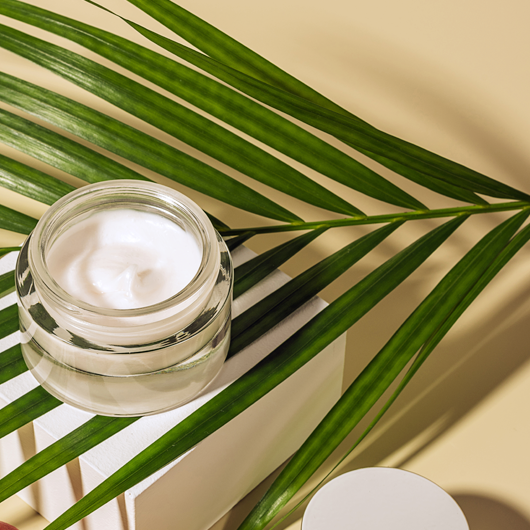


Alternatives to heavy creams for pore reduction?
Alternatives to heavy creams for pore reduction? Start by choosing lighter textures and well-studied ingredients that address oil, buildup, and uneven skin texture. A rich cream can leave oily or combination skin looking slick, making pore openings more noticeable even when the skin is moisturized.
Key Takeaways
- Heavy creams can leave a slick residue on oily or combination skin that makes pores appear more prominent.
- Choosing lighter textures helps keep skin hydrated without clogging pore openings or adding shine.
- Ingredients backed by research can target excess oil, buildup, and uneven texture for smoother-looking skin.
- Matching your moisturizer to your skin type is one of the simplest ways to reduce the visible appearance of pores.
The goal is not to close pores, which topical products cannot do permanently. It is to keep their appearance from being emphasized by excess shine, congestion, and loss of firmness. Here’s how to make a more informed switch.
Why Heavy Creams Make Your Pores Look Bigger (And What to Do Instead)
The Quick Answer: Swap Heavy Creams for Lightweight, Water-Based Actives
If a thick moisturizer leaves your face greasy or congested, try a lightweight serum, gel moisturizer, or hydrating essence instead. These formats can deliver humectants and targeted ingredients without the same rich, occlusive feel. Look for formulas labeled non-comedogenic, and choose active ingredients based on your main concern, such as niacinamide for oil control or salicylic acid for pore congestion.
The Cosmetic Science of Occlusion: Sebum, Clogs, and Stretched Pores
Moisturizers use different ingredients to support the skin barrier. Humectants, such as glycerin and hyaluronic acid, draw water into the outer layers of skin. Occlusives form a surface film that slows water loss. That barrier support can be useful, especially for dry skin, but a formula that feels too heavy for your skin may mix with sebum, sweat, and dead skin cells. The resulting shine can make pore openings look more prominent, while buildup may contribute to clogged pores.
That does not mean every rich cream clogs pores. Skin response depends on the complete formula and your own skin. If you notice persistent greasiness or congestion, try a thinner texture and introduce one change at a time. A lightweight option, such as D20 Skin Prep Heavy Water Toner, is a hydrating astringent toner mist. It contains D20 heavy water for skin prep and hydration, along with borage oil and gamma-linolenic acid to nourish skin and support the moisture barrier.
Why Pores Look Enlarged: Oil, Genetics, Age, and Sun Damage
Pore visibility has more than one cause. Genetics influence pore size, while excess oil and dead skin can make openings appear more pronounced. With age and sun exposure, skin can lose firmness, so pores may stand out more against a less even surface. The American Academy of Dermatology recommends daily sunscreen with SPF 30 or higher to help protect skin from sun damage. Skincare can improve the look of pores, but it cannot permanently erase them.
Heavy Cream vs. Lightweight Alternative: A Quick Comparison
Use texture as a practical starting point, then check the ingredient list and how your skin responds. A lighter formula is not automatically better for everyone, and a rich moisturizer may suit dry skin. The useful question is whether the product supports comfortable hydration without leaving your complexion slick or congested.
| Product format | What it can offer | What to consider |
|---|---|---|
| Rich cream | Barrier support and a more substantial finish | May feel greasy on oily or combination skin |
| Serum | Concentrated actives in a thin texture | Choose ingredients for your skin concern |
| Gel moisturizer or essence | Light-feeling hydration | Check that it leaves skin comfortable, not tight |
7 Lightweight Alternatives to Heavy Creams for Pore Reduction

Consider the ingredient and texture together. A serum can deliver a targeted active in a light base, while a gel moisturizer or essence can provide hydration without the feel of a dense cream. Introduce one new product at a time, follow its label directions, and give your skin time to show how it responds.
1. Niacinamide Serums: Oil Control and Tighter-Looking Pores
Niacinamide, a form of vitamin B3, can help regulate oil production in oily skin. By addressing excess shine, it may make pores appear less prominent. Choose a serum with a clear ingredient list and a texture that layers comfortably under moisturizer or sunscreen. Start with the directions on the label, and avoid adding several new actives at once if your skin is sensitive.
2. Retinol Serums: The Gold Standard for Pore Appearance and Texture
Retinol supports skin-cell turnover and can improve the appearance of uneven texture and clogged pores over time. Dermatologist Dr. Amy Taub has described retinoids as acting on oil glands to decrease sebum production. Start gradually, use retinol at night according to the product directions, and apply sunscreen during the day. If you are pregnant, nursing, or managing a skin condition, ask a health professional whether retinoids are appropriate for you.
3. Peptide Serums: Firmness Support Without the Weight
Peptides are short chains of amino acids used in skincare to support the look of smoother, firmer skin. They do not physically shrink pores, but a serum format offers a light way to add peptide-focused care without applying a dense cream. At Skin Perfection, ingredient transparency and cosmetic science guide the selection of concentrated peptide blends. Consider a formula with clearly identified ingredients and a base that suits your skin.
4. Gel Moisturizers: Hydration That Won't Clog
A gel moisturizer can hydrate without the weight many people associate with a thick cream. Look for humectants such as glycerin or hyaluronic acid, then check the full ingredient list rather than relying on texture alone. The D20 Skin Prep Heavy Water Toner offers a different lightweight layer: its ingredient profile includes cucumber extract for hydration and soothing effects, as well as sodium PCA and hyaluronic acid. It is paraben-free and described as chirally correct.
5. Salicylic Acid (BHA): Unclogging From the Inside
Salicylic acid is oil-soluble, so it can reach into oily pore openings and help clear buildup. The American Academy of Dermatology cites research showing that salicylic acid can unclog pores. Use a product according to its directions, and watch for dryness, stinging, or irritation. If you already use retinol or another exfoliating acid, avoid stacking multiple strong actives until you know how your skin tolerates them.
6. Glycolic Acid (AHA): Surface Smoothing and Refinement
Glycolic acid is an alpha hydroxy acid that exfoliates the skin’s surface, helping loosen dead cells that can contribute to a rough or dull appearance. A leave-on serum or toner can be a lighter alternative to a rich cream, but frequent use may irritate some skin types. Follow product directions, introduce it gradually, and wear sunscreen since exfoliation can make sun protection especially important.
7. Clay Masks and Hydrating Essences: Weekly Reset and Layered Hydration
A clay mask can absorb some surface oil, while a hydrating essence adds a thin layer of moisture. These formats can suit someone who wants an occasional oil-focused step alongside lighter daily hydration. Keep clay use within the product directions; leaving a mask on too long may leave skin feeling dry. For a mist format, D20 Skin Prep Heavy Water Toner combines cucumber extract with fructooligosaccharides, glucosamine, phospholipids, and sphingolipids. It is available in a 4 oz (118 ml) size.
Your Lightweight Pore-Refining Routine, Step by Step
Build a routine around gentle cleansing, thin hydration layers, and consistent sun protection rather than trying several strong actives at once. A lightweight texture can feel more comfortable on oily or combination skin, but your skin’s response matters more than a product’s label. Introduce one new step at a time, follow the directions, and scale back if you notice persistent tightness, redness, or stinging.
Morning: Gentle Gel Cleanse, Hydration Layers, and Sunscreen
In the morning, cleanse with a gentle gel or rinse with water if your skin feels comfortable without a full cleanse. Apply a thin hydration layer, then finish with a broad-spectrum sunscreen rated SPF 30 or higher. The American Academy of Dermatology recommends daily SPF 30 or higher to help protect against sun damage that can reduce skin firmness and make pores more noticeable. Let each layer settle before applying the next so sunscreen can spread evenly. If your face feels greasy by midday, try using less moisturizer rather than skipping hydration altogether.
Evening: Double Cleanse, Actives, and Gel Moisturizer
If you wore makeup or water-resistant sunscreen, use an oil or balm cleanser first, followed by a gentle water-based cleanser. This removes residue without relying on a harsh scrub. Apply one treatment active, such as retinol or an exfoliating acid, according to its label directions, then use a light moisturizer if your skin needs more comfort. Avoid starting multiple actives in the same routine; irritation can make skin feel less balanced. The D20 Skin Prep Heavy Water Toner is a hydrating astringent toner mist that can serve as a lightweight prep layer. Its formula includes cucumber extract for hydration and soothing effects.
Swap This for That: Rebuilding Your Shelf Without Heavy Creams
Make changes based on the finish you want and how your skin feels through the day. You do not need to replace every product at once. Keep a richer moisturizer if you use it comfortably on dry areas, and test a lighter format on oilier zones before changing your whole routine.
| If your current step feels… | Try instead | What to check |
|---|---|---|
| Greasy after moisturizer | Gel moisturizer | Comfortable hydration without a slick finish |
| Too heavy for daily layering | Essence or toner mist | Humectants and a light feel on skin |
| Congested after rich cleansing balm | Gentle gel cleanser | Effective cleansing without a tight, stripped feeling |
The D20 Skin Prep Heavy Water Toner is paraben-free and contains sodium PCA and hyaluronic acid. Check the full ingredient list and patch-test a new product if your skin tends to react.
Weekly Add-Ons: Clay Masks and Exfoliation Scheduling
Use a clay mask according to its directions when you want to absorb surface oil, and schedule exfoliation separately if you are also using retinol. Alternating these steps can help you notice which products your skin tolerates. Avoid scrubbing or leaving a mask on until it feels painfully tight. If dryness or sensitivity develops, pause exfoliation and return to gentle cleansing, hydration, and sunscreen.
Can You Really Shrink Pores? Setting Honest Expectations
What Topical Products Can and Cannot Do
No serum or cream can permanently close pores or change their physical size. The American Academy of Dermatology explains that skincare can make pores look less noticeable, not erase them. Ingredients such as retinoids or exfoliating acids may help improve the appearance of congestion and uneven texture, while oil-control ingredients can reduce the shine that draws attention to pore openings. The realistic goal is a smoother-looking complexion, not poreless skin. Judge a routine by comfort and gradual changes in texture and clarity rather than expecting an instant or permanent fix.
A realistic verdict: Topical care can minimize the appearance of pores, but it cannot permanently shrink or close them. Consistency and a routine your skin tolerates matter more than a promise of poreless skin.
Why Sunscreen Protects the Collagen That Keeps Pores Tight
Sun exposure can damage collagen, the structural protein that helps skin feel firm. As firmness declines, pore openings may look more pronounced against the surrounding skin. The American Academy of Dermatology recommends broad-spectrum sunscreen with SPF 30 or higher to help protect skin from sun damage. Make daily sun protection part of your routine, even when your main concern is oiliness or visible pores. This is a long-term skin-health habit, not a quick pore treatment, but it helps address one factor that can make pores more noticeable over time.
When to See a Dermatologist
Consider seeing a dermatologist if persistent breakouts, irritation, or changes in skin texture continue despite a gentle routine. A professional can assess whether acne, sensitivity, or another skin concern is contributing to visible pores and recommend suitable treatment. Seek guidance before starting a retinoid if you are pregnant, nursing, or managing a skin condition. If a product causes ongoing burning, redness, or swelling, stop using it and ask a qualified health professional for advice.
FAQs: Heavy Creams, Serums, and Pore Size
Do Thick Creams Clog Pores and Make Them Look Bigger?
Not always. A rich cream does not automatically clog pores, but a texture that feels too heavy for your skin may leave a greasy finish that makes pore openings more noticeable. Look for products labeled non-comedogenic, and pay attention to your own response. If congestion or persistent shine follows a particular moisturizer, consider a lighter formula.
Does Retinol Shrink Pores?
No. Retinol cannot permanently shrink pores, but it may improve their appearance by supporting skin-cell turnover and addressing uneven texture. Follow the product directions, introduce it gradually, and use sunscreen during the day.
Is Niacinamide Effective for Pore Size and Oil Control?
Niacinamide may help regulate oil production in oily skin. Less surface shine can make pores look less prominent, though the ingredient does not change their physical size.
Can Pores Be Closed or Permanently Reduced?
No topical product can permanently close pores. Their appearance can vary with oil, congestion, skin firmness, and lighting, so aim for a routine that supports a clear, comfortable complexion.
What Should I Look for on a Label? A Non-Comedogenic Cheat Sheet
Check for a non-comedogenic claim, a texture suited to your skin, and ingredients that match your concern. Read the full ingredient list and introduce one new product at a time. Skin Perfection’s D20 Skin Prep Heavy Water Toner is a hydrating astringent toner mist with D20 heavy water for skin prep and hydration. Its formula also includes borage oil, gamma-linolenic acid, cucumber extract, and hyaluronic acid, and it is paraben-free. Explore the D20 Skin Prep Heavy Water Toner if you want to consider a lightweight hydration layer, and review its ingredient list to decide whether it suits your skin.
Frequently Asked Questions
What works best to tighten pores?
Lightweight actives like niacinamide, retinol, and salicylic acid work best to improve the look of pores. Since pores cannot be permanently closed, the goal is reducing oil, clearing congestion, and supporting firmness so pore openings appear less prominent.
What is the best cream to make pores smaller?
No cream can permanently shrink pores, but lightweight, non-comedogenic formulas can make them look smaller. For oily or combination skin, a gel moisturizer or serum delivers hydration without the heavy, occlusive finish that can leave skin slick and emphasize pore openings.
Why do heavy creams make pores look bigger?
Heavy creams can mix with sebum, sweat, and dead skin cells, leaving a greasy shine that makes pore openings more noticeable. Buildup from an overly rich formula may also contribute to congestion, which stretches the look of pores over time.
What do Koreans do for large pores?
Korean skincare often favors lightweight layers like hydrating essences and toners instead of thick creams, along with ingredients such as niacinamide and salicylic acid. This layered, water-based approach hydrates skin while controlling oil and keeping pores clear of buildup.
Do lightweight moisturizers hydrate as well as heavy creams?
Yes, gel moisturizers and essences can hydrate effectively using humectants like glycerin and hyaluronic acid, which draw water into the outer layers of skin. The right choice depends on your skin type, since a rich cream may still suit dry skin better.
Can retinol help reduce the appearance of pores?
Retinol supports skin-cell turnover and can improve the appearance of uneven texture and clogged pores over time. Start gradually at night, follow product directions, wear sunscreen daily, and check with a health professional if you are pregnant, nursing, or managing a skin condition.
Is salicylic acid good for clogged pores?
Yes, salicylic acid is oil-soluble, so it can reach into oily pore openings and help clear buildup. The American Academy of Dermatology cites research showing salicylic acid can unclog pores, making it a solid choice for congestion-prone skin.