

 Buy with Prime
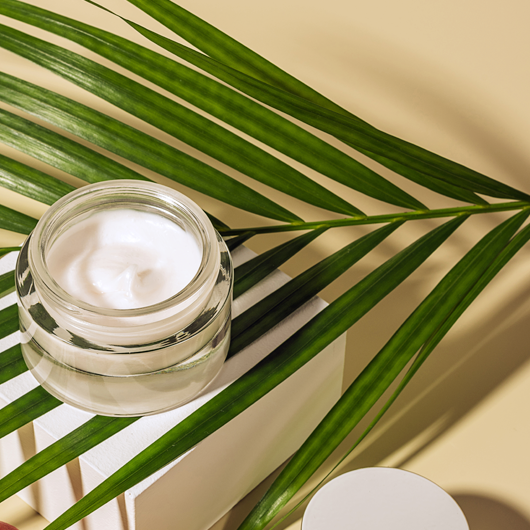


shea butter for skin
Shea butter for skin can soften dry patches and help reduce moisture loss. Its fatty-acid-rich composition forms a protective surface layer, while some naturally occurring compounds may calm the feel of irritated skin. Processing affects which of those compounds remain, so the difference between unrefined and refined butter matters.
Key Takeaways
- Shea butter's rich fatty acid profile creates a barrier that helps your skin hold onto moisture longer.
- Natural compounds in shea butter may soothe skin that feels irritated or inflamed.
- The way shea butter is processed determines how many of its beneficial compounds survive, so refining makes a real difference.
- Choosing unrefined shea butter gives you the fullest range of skin-loving nutrients nature intended.
- Regular use can soften rough, dry patches and leave your skin feeling supple and nourished.
To choose well, consider what is in the jar, what processing can remove, and what the ingredient can realistically do. Shea butter is an emollient and occlusive that can support comfortable, supple skin. It is not a substitute for sunscreen or medical care for persistent skin conditions.
What Is Shea Butter for Skin? The Formulator's Overview
Shea butter is a plant-derived fat from the nuts of the African shea tree. Applied to skin, its fatty acids soften the surface and help slow water loss. Unrefined butter retains more naturally occurring minor compounds, including cinnamic acid esters and vitamin E, while refining can reduce or remove some of them. Choose based on your preference for a less processed ingredient, its scent and texture, and how your skin responds.
From Karite Tree to Jar: Where Shea Butter Comes From
Shea butter comes from the nuts of Vitellaria paradoxa, a tree native to West Africa. The fruit’s nut is processed to separate its fat, which becomes the solid or semi-solid butter used in skin care. Shea trees can take 10 to 15 or more years to fruit, and West African cooperatives produce nearly all of the world’s shea butter. That long growing cycle and the labor involved in processing help explain why sourcing and production methods matter to many buyers.
The Chemistry Inside: Fatty Acids, Vitamins A and E, and Cinnamic Acid
These lipids help soften rough-feeling skin and form a protective film that reduces water loss. The remaining fraction contains smaller amounts of other compounds, including cinnamic acid esters and tocopherols. Cleveland Clinic identifies alpha-tocopherol as the main form of vitamin E in shea butter, and it has strong antioxidant activity. Shea butter is not a dependable source of vitamin A for skin; its benefits are better understood through its lipids and naturally occurring minor components.
Unrefined vs. Refined Shea Butter: Why Processing Changes Everything
Unrefined shea butter generally undergoes less processing, so it retains more of its characteristic color, aroma, and minor plant compounds. Refining can create a more uniform-looking, milder-smelling butter, but may also reduce compounds that contribute to the ingredient’s natural properties. Cleveland Clinic dermatologist Dr. Alok Vij notes that refining reduces or eliminates cinnamic acid content. Unrefined is often the better fit if you want a less processed option; refined may suit someone who prefers a more neutral scent or appearance.
| Feature | Unrefined | Refined |
|---|---|---|
| Processing | Less processed; retains more natural components | Additional processing creates a more uniform ingredient |
| Scent and appearance | Typically has a noticeable natural aroma and color | Usually milder in scent and more consistent in appearance |
| Cinnamic acid esters | More likely to retain these compounds | Processing can reduce or remove them |
9 Science-Backed Benefits of Shea Butter for Skin

Most of shea butter’s practical value comes from its lipid profile and ability to soften skin while slowing moisture loss. Effects vary with the formula, amount applied, and your skin’s needs. These nine potential benefits describe cosmetic support, not a promise to treat or cure a skin condition.
1. Deep Moisturization That Repairs Your Skin Barrier
Stearic and oleic acids help condition the skin’s outer layer, while the butter’s occlusive quality slows water evaporation. This can reduce the tight, rough feeling associated with dryness. It supports the barrier’s comfort; it does not literally repair damaged skin tissue.
2. Soothes Irritation and Calms Redness
Unrefined shea contains cinnamic acid esters, which have measurable anti-inflammatory activity in research contexts. A rich, fragrance-free butter may also reduce friction and dryness that make skin feel irritated. Sensitivity varies, so patch-test before applying it broadly.
3. Relief for Eczema and Dry, Flaky Patches
By coating dry areas and limiting moisture loss, shea butter may ease tightness and scaling associated with dry or eczema-prone skin. It is supportive skin care, not eczema treatment. Follow a clinician’s care plan for recurring or severe symptoms.
4. Antioxidant Protection Against Environmental Damage
Alpha-tocopherol, the predominant vitamin E form in shea butter, provides antioxidant activity. Antioxidants help counter oxidative stress from environmental exposures, though topical butter cannot prevent all damage or replace sun protection.
5. Supports Elasticity and the Look of Fine Lines
Well-moisturized skin often looks smoother because surface dryness is less apparent. Shea butter’s emollient film can soften the look of fine lines caused by dehydration. It does not stimulate collagen in the way a targeted active may.
6. Gentle Support for Sun-Stressed Skin
Cinnamic acid esters may offer modest UV-protective effects, but that is not equivalent to tested sunscreen protection. After sun exposure, a simple moisturizer may comfort dry-feeling skin; use broad-spectrum sunscreen to protect against UV rays.
7. Comfort for Chapped Lips, Cuticles, and Rough Spots
A small amount can soften areas that lose moisture easily, such as lips, cuticles, elbows, and heels. Its dense texture creates a lasting surface layer, so apply sparingly where a heavy finish would feel uncomfortable.
8. Naturally Low Allergy Risk
Shea butter is generally well tolerated, though no ingredient is allergy-proof. People with tree-nut allergies should ask their allergist about personal risk rather than assume topical shea is safe. Stop use if you notice itching, swelling, or a rash.
9. Pairs Beautifully With Anti-Aging Actives Like Retinol and Peptides
Shea butter can serve as an emollient layer alongside a routine featuring retinol or peptides, helping relieve dryness from other products. Apply treatment products as directed, then use a small amount of butter if your skin benefits from extra cushioning. For a lighter option, Clear Skin Oil-Free Moisturizer is a lightweight, non-greasy gel moisturizer formulated for normal to oily skin prone to breakouts. The moisturizer uses hyaluronic acid, a non-comedogenic gel, to hydrate skin without clogging pores.
For anyone concerned about a rich butter’s heavy feel, Clear Skin Oil-Free Moisturizer offers an oil-free gel texture rather than a plant butter. A richer occlusive layer may suit dry areas, while an oil-free gel can be more comfortable for normal to oily, breakout-prone skin.
How to Use Shea Butter on Your Face and Body (By Skin Type)
The right amount depends on where you apply it and how your skin feels. Since shea butter is thick and forms a moisture-sealing layer, start with a small dab on slightly damp skin rather than spreading a heavy coat over your face. This can help dry areas feel more comfortable with less residue. If you are testing it for the first time, apply it to a small patch and watch for irritation or clogged pores before broader use.
Is Shea Butter Safe for Acne-Prone Skin? Understanding the Comedogenic Rating
Shea butter is commonly rated low on the comedogenic scale, around 0 to 2, but that rating cannot predict every person’s response. Its rich, occlusive texture may still feel too heavy or contribute to congestion for some acne-prone skin. Try a small amount on a limited area, and discontinue use if you notice new bumps or irritation. If you prefer a lighter texture, Clear Skin Oil-Free Moisturizer is a lightweight, non-greasy gel moisturizer formulated for normal to oily skin prone to breakouts. The moisturizer uses hyaluronic acid, a non-comedogenic gel, to hydrate skin without clogging pores.
Pros
- Can soften dry-feeling areas with a small amount.
- May suit skin that tolerates rich, occlusive moisturizers.
Cons
- Can feel heavy on oily or breakout-prone areas.
- Individual reactions are possible, even with a low comedogenic rating.
Face Routines: Dry, Mature, and Combination Skin
For dry skin, warm a pea-sized amount between clean fingertips and press it over moisturizer on damp skin, concentrating on flaky areas. Mature skin may benefit from the same final layer when dryness makes fine lines look more noticeable; the butter softens the surface but does not replace targeted treatments. For combination skin, apply only to dry zones, such as the cheeks, and leave oilier areas uncovered. If your routine includes retinol or peptides, apply those according to their directions first, then use a thin layer of butter if your skin needs extra cushioning.
Body Care: Daily Use, Eczema Spots, and After-Shower Application
After bathing, pat skin until damp, then smooth a modest amount over rough areas such as elbows, knees, and heels. For eczema-prone patches, shea butter may help relieve dryness and tightness, but it is not an eczema treatment. Follow your clinician’s plan, and avoid applying it to broken or weeping skin unless your clinician advises you to do so.
Can You Use Shea Butter Every Day? What Dermatologists Recommend
Daily use can be reasonable if your skin tolerates the texture and you apply an amount that feels comfortable. Cleveland Clinic dermatologist Dr. Alok Vij discusses shea butter as a moisturizing ingredient, while noting that skin response and product choice matter. Keep the routine simple: cleanse gently, apply a suitable moisturizer, and use sunscreen during the day. Clear Skin Oil-Free Moisturizer may be an option for normal to oily skin prone to breakouts when a lighter gel texture is preferred.
DIY Whipped Shea Butter Recipe (Plus How to Fix Grainy Shea)
Whipping softens the dense texture and makes a small amount easier to spread. Use clean, completely dry tools and a jar to limit contamination, and make a modest batch so you can observe how it holds up at home. This recipe combines shea with two familiar cosmetic oils. If you have sensitive skin, patch-test the finished mixture before applying it broadly.
Simple 3-Ingredient Whipped Shea Butter Recipe
- Measure 1 cup shea butter, 2 tablespoons jojoba oil, and 1 tablespoon coconut oil.
- Warm the shea butter gently in a heat-safe bowl over a pan of warm water. Remove it once just melted; avoid overheating.
- Stir in both oils, then chill the bowl until the edges begin to turn opaque and the center is soft, not hard.
- Whip with clean beaters until light and creamy. Spoon into a clean, dry jar and keep it away from heat and direct sunlight.
The oils change the finished texture, so adjust only in small increments. If the mixture feels too soft, chill it briefly and whip again. If it feels too firm, let it warm slightly at room temperature before use.
Why Shea Butter Gets Grainy and How to Prevent It
Graininess can develop when the butter melts and cools slowly or unevenly. Some fat components crystallize at different temperatures, leaving a sandy feel. Melt the mixture fully, stir it well, then cool it promptly in the refrigerator before whipping. Avoid repeatedly warming and cooling the jar. If grains appear, gently remelt the batch, mix thoroughly, chill until softly set, and whip again.
How to Layer Whipped Shea With Serums and Peptides
Apply water-based serums or peptide products to clean skin first, following their label directions. Give them a moment to settle, then press on a small amount of whipped butter if you want a richer finishing layer. For a lighter gel texture, Clear Skin Oil-Free Moisturizer is formulated for normal to oily skin prone to breakouts. Keep the textures separate rather than mixing products in the jar. Clear Skin Oil-Free Moisturizer is another option when a dense butter does not suit your routine.
How to Pick the Best Unrefined Shea Butter: The Fake-Shea Checklist

Choose a product that identifies shea butter clearly, describes its processing, and provides traceable sourcing details. Unrefined shea butter usually has a recognizable natural aroma and a color that can vary by harvest and handling. Neither pale color nor strong scent alone proves quality. Labels such as organic or fair trade can offer useful sourcing information, but check the certifier or program behind the claim rather than relying on the wording alone.
Grade A vs. Grade B: What the Shea Grading System Means
Shea grading terminology is not applied consistently across every seller or market. A grade printed on a label is not a universal guarantee of purity, skin care performance, or certification. Look for specific information about extraction, refining, ingredients, and origin. A clear product description and accountable sourcing details are more useful than a grade letter without an explanation.
Shea vs. Cocoa vs. Mango vs. Kokum Butter: Which Do You Need?
These plant butters differ in aroma, firmness, and feel. Use this guide to narrow your choice by texture preference, then patch-test the one you select.
| Butter | Typical feel | A practical fit |
|---|---|---|
| Shea | Rich and creamy | Dry-feeling areas and whipped body blends |
| Cocoa | Firm, with a characteristic aroma | Users who prefer a solid, aromatic butter |
| Mango | Generally smooth, with a lighter feel | Those seeking a less heavy-feeling blend |
| Kokum | Firm and relatively dry-feeling | Recipes where a harder butter can add structure |
7-Point Buying Checklist to Spot Real, High-Quality Shea
- Check that shea butter is named clearly in the ingredient list.
- Look for a plain ingredient rather than a blend presented as pure butter.
- Confirm whether it is refined or unrefined.
- Review origin and sourcing details, including cooperative or fair-trade information when provided.
- Check the package for a batch identifier and a responsible seller’s contact details.
- Be cautious of claims that promise identical color or scent in every batch.
- Choose a sealed container that protects the butter from moisture and excess heat.
Color, Smell, Storage, and Shelf Life
Unrefined butter can range from ivory to yellowish, and its natural aroma may be earthy or nut-like. Store it sealed in a cool, dry place away from sunlight and water. Follow the maker’s date guidance, since shelf life depends on processing, packaging, and storage. Discard it if you notice an unusual rancid odor or a marked change in appearance.
Frequently Asked Questions
Is shea butter good for your skin?
Yes, shea butter is good for skin because its fatty acids soften dry patches and its occlusive quality helps slow moisture loss. Unrefined shea butter also retains minor compounds like cinnamic acid esters and vitamin E that may calm the feel of irritated skin. Keep in mind it supports comfortable skin but does not replace sunscreen or medical care.
Can I use shea butter on my face every day?
Yes, many people use shea butter on the face daily as an emollient and occlusive moisturizer. Its dense texture creates a lasting surface layer, so apply a small amount if a heavy finish feels uncomfortable. Patch-test first and stop use if you notice itching or irritation.
What are the disadvantages of shea butter for skin?
Shea butter's drawbacks include a heavy texture that can feel greasy, a natural scent some find strong in unrefined versions, and the fact that it is not a treatment for medical skin conditions. Its UV-protective compounds are no substitute for sunscreen. People with tree-nut allergies should consult their allergist before topical use.
Is shea butter safe for pregnancy?
Shea butter is generally well tolerated topically and is often used for dry skin during pregnancy, but individual circumstances vary. Sensitivity can change during pregnancy, so patch-test before applying it broadly. Check with your healthcare provider for personal guidance.
Does shea butter cure cough in babies?
No, shea butter does not cure coughs in babies or any other medical condition. It is a cosmetic ingredient that softens skin and helps reduce moisture loss when applied topically. For a baby's cough, consult a pediatrician for appropriate care.
What is the difference between unrefined and refined shea butter?
Unrefined shea butter undergoes less processing, so it keeps its natural color, aroma, and minor compounds like cinnamic acid esters and vitamin E. Refining creates a milder-scented, more uniform butter but can reduce or remove those compounds. Choose unrefined for a less processed option, or refined if you prefer a neutral scent.
Does shea butter help with eczema and dry patches?
Shea butter may ease the tightness and scaling that come with dry or eczema-prone skin by coating rough areas and limiting moisture loss. It is supportive skin care, not an eczema treatment. For recurring or severe symptoms, follow your clinician's care plan.