

 Buy with Prime
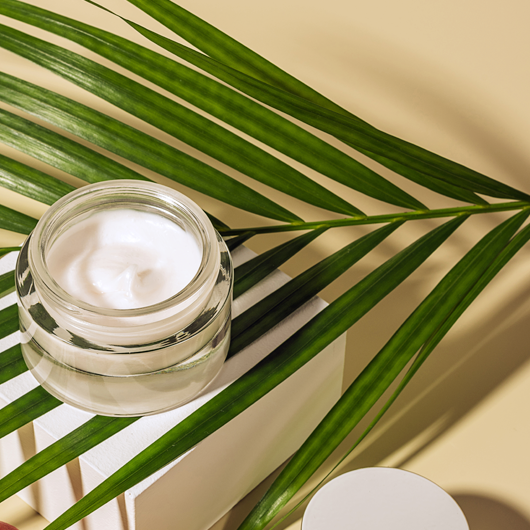


beauty clean products
Clean beauty starts with a better question than “Is this natural?” Ask whether the formula is transparent, well-preserved, skin-compatible, and designed to perform. The best beauty clean products pair thoughtful ingredient selection with cosmetic science, so you do not have to choose between a shorter ingredient list and dependable coverage, wear, hydration, or visible skin support.
Key Takeaways
- Effective clean beauty products are formulated with transparency, preservation, and skin compatibility in mind, going beyond simply being natural.
- The best clean makeup brands blend careful ingredient choices with cosmetic science to deliver dependable performance and visible skin benefits.
- You can achieve excellent coverage, lasting wear, and skin hydration without compromising on cleaner formulations.
I often see shoppers move from conventional makeup to botanical formulas, then feel disappointed when texture or staying power falls short. That frustration usually comes from confusing ingredient exclusion with formulation quality. A clean formula still needs stable emulsions, safe preservation, effective delivery systems, and proven actives. Even a simple fruit-based routine, such as 7 Natural DIY Beauty Treatments You Can Make With Fruit, should be evaluated by freshness, skin tolerance, and realistic use rather than by the word “natural” alone.
What Clean Beauty Actually Means (And Why It Matters)
In the United States, clean beauty has no single federal definition. The term generally describes products made with transparent labeling, a defined list of excluded ingredients, responsible sourcing, and attention to human and environmental safety. Since standards vary, read the complete INCI list, look for credible verification, and assess whether the formula includes functional ingredients that support its stated purpose.
The Regulatory Gap: No Federal Definition in the US
The FDA regulates cosmetic safety and labeling, yet it does not assign one official meaning to “clean,” “non-toxic,” or “natural.” Brands can develop their own restricted-substance policies. The Environmental Working Group, often known as EWG, provides a separate ingredient and product evaluation framework, but its criteria are not federal law.
This explains why products may make similar clean claims while following different rules for fragrance, colorants, solvents, or preservatives. The European Union bans more than 1,600 cosmetic chemicals, while the United States has historically restricted or prohibited fewer than 20 ingredients under the Federal Food, Drug, and Cosmetic Act. These figures show why certification, ingredient disclosure, manufacturing controls, and documented safety review matter more than front-label language.
Standard Ingredient Bans: Parabens, Phthalates, Synthetic Fragrance
Many clean beauty policies exclude parabens, phthalates, formaldehyde-releasing preservatives, certain petroleum-derived ingredients, and undisclosed synthetic fragrance. Parabens are preservatives, phthalates can appear in fragrance systems, and fragrance blends may contain multiple undisclosed aromatic compounds. Review exposure, concentration, product type, and individual sensitivity rather than treating every chemical as equally harmful.
Look for “fragrance-free” if scent triggers irritation, and confirm whether “natural fragrance” is defined on the label. A formula can omit a familiar preservative and still require another antimicrobial system to control bacteria, yeast, and mold. Clean beauty products should protect both your skin and the product itself through validated stability and microbiological testing.
Product Categories: From Foundation to Serums
Clean makeup includes foundation, concealer, powder, blush, bronzer, and mascara. These formulas must balance pigment dispersion, texture, adhesion, oxidation resistance, and wear. A serum may deliver peptides, antioxidants, humectants, or botanical extracts through a lightweight vehicle. Comparing makeup with a treatment serum by the same performance standard overlooks the chemistry behind each category.
Assess intended use, skin concern, finish, and contact time. A foundation should provide even color and comfortable wear, while a serum should disclose meaningful active ingredients and a suitable delivery base. 7 Natural DIY Beauty Treatments You Can Make With Fruit offers simple food-inspired ideas, but homemade preparations do not replace preserved, stability-tested formulas for long-term storage.
How American Clean Makeup Brands Compare to Italian Cosmetics Standards

Formulation Philosophy: Exclusion vs. Inclusion of Bioactive Actives
American clean makeup brands often begin with a restricted-ingredient list. This helps shoppers avoid selected preservatives, fragrance materials, or plasticizers, yet exclusion alone does not predict coverage, skin feel, or anti-aging performance. A formulation-first review asks what the product includes: pigment quality, emollients, barrier-support ingredients, antioxidants, peptides, and a delivery system that keeps each component stable.
Italian cosmetics manufacturing operates within European Union cosmetic requirements, which emphasize a safety assessment, ingredient documentation, manufacturing controls, and product information files. Italian cosmetics may also reflect botanical extracts, sensorial textures, and laboratory development. Neither regional approach guarantees superior results. Ask whether the finished formula combines safety documentation with active performance and transparent labeling.
Preservation Systems: Natural vs. Synthetic in US and EU
Preservation is a safety function. Water-based creams, liquid foundation, and serums can support microbial growth without a properly selected system. American and European formulators may use organic acids, ferment-derived ingredients, multifunctional humectants, antioxidants, or permitted synthetic preservatives. The choice depends on pH, packaging, water activity, batch testing, and expected shelf life.
A “preservative-free” claim may describe an anhydrous oil rather than a safer water-based formula. Airless pumps, tubes, and opaque containers can reduce contamination and light exposure, but packaging cannot replace preservation validation. When assessing clean makeup, favor clear ingredient disclosure and evidence of product protection over a promise that leaves microbial safety unexplained.
Third-Party Verification Benchmarks: EWG, Cosmoprof, and AIAB
Third-party marks answer different questions. EWG VERIFIED focuses on ingredient disclosure and restrictions within EWG’s evaluation framework. Cosmoprof is primarily a major beauty industry trade event and professional marketplace, so participation or visibility there is not the same as finished-product safety certification. AIAB, the Italian Association for Organic Agriculture, is associated with organic standards and certification systems that can address ingredients, processing, and sourcing.
| Evaluation point | American clean beauty approach | Italian and EU manufacturing approach |
|---|---|---|
| Core emphasis | Brand-defined exclusions, disclosure, and consumer-facing clean criteria | Regulatory safety assessment, documentation, and controlled manufacturing |
| Active performance | Varies by formula; review peptide, antioxidant, pigment, and vehicle details | Varies by formula; review substantiation, concentration, and stability data |
| Preservation | May use natural-origin or conventional permitted systems | Must meet EU safety requirements, with preservation matched to formula risk |
| Verification | Look for defined criteria such as EWG VERIFIED | Review EU compliance and relevant organic certification, including AIAB where applicable |
Strengths and Limits of Each Framework
Pros
- American clean standards can make restricted ingredients and sourcing policies easy to identify.
- EU manufacturing requirements support formal safety review and detailed product records.
- Both approaches can produce effective formulas when active selection, packaging, and testing are sound.
Cons
- A clean label does not automatically prove concentration, stability, or wear performance.
- Trade-show presence is not equivalent to independent product certification.
- Organic certification may address sourcing and processing without promising wrinkle reduction or makeup longevity.
Use this cross-regional view to ask whether the label identifies the complete INCI list, the preservation system suits the package, performance claims have testing support, and third-party marks are clearly defined. The strongest beauty clean products answer with evidence while delivering the texture and results your routine requires.
The Science Behind Effective Clean Formulations: Peptides, Stem Cells, and Natural Preservation
Why Active Ingredients Matter More Than What's Excluded
A short restricted-ingredient list tells you what a formula leaves out. It does not tell you whether the product can hydrate, support the skin barrier, improve the look of fine lines, or remain stable during daily use. Effective beauty clean products need a compatible vehicle, meaningful actives, suitable pH, reliable packaging, and protection against microbial contamination.
Think of the ingredient list as a blueprint. Humectants draw water into the outer layers of skin, emollients soften and smooth, antioxidants help defend against oxidative stress, and peptides send signals that support the appearance of firmer skin. Botanical extracts may contribute polyphenols, soothing compounds, or conditioning benefits, but their value depends on identity, preparation, concentration, and stability. A formula that excludes familiar ingredients but offers little functional support may feel clean without delivering visible change.
Clinically Studied Peptides and Plant Stem Cells for Anti-Aging
Peptides are short chains of amino acids that can act as biochemical messengers in topical skincare. Specific sequences may support the appearance of collagen, elasticity, and smoother texture, although outcomes depend on peptide type, concentration, delivery system, and consistent use. Look for named materials such as Matrixyl, Argireline, Syn-Coll, or Snap-8 rather than an undefined “anti-aging complex.” Skin Perfection focuses on concentrated peptide blends, giving shoppers a useful starting point for evaluating performance.
Plant stem cell extracts are botanical preparations, not human stem cells. They are valued for antioxidant and conditioning compounds that may help skin look more resilient against environmental stress. Their effect is not the same as replacing damaged human cells or rebuilding tissue. A serum may pair a plant extract with peptides, aloe, glycerin, or other supportive ingredients to address hydration and visible aging through complementary pathways.
- Peptides: Look for a specific peptide name and a clear product purpose.
- Botanical actives: Check the plant source, extract type, and position within the INCI list.
- Antioxidants: Consider vitamin C derivatives, tocopherol, green tea, or other documented antioxidant materials.
- Delivery base: Aloe, water, oils, and emulsifiers affect texture, penetration, comfort, and stability.
Natural Preservation Systems That Match Paraben Efficacy
Preservation keeps water-based creams, liquid makeup, and serums safe from bacteria, yeast, and mold. A natural-origin system may include organic acids, ferment derivatives, glyceryl compounds, or multifunctional ingredients. These can work well when the formula has the right pH, packaging, water activity, and manufacturing controls. “Natural” alone does not prove antimicrobial performance, just as a synthetic preservative is not automatically unsuitable.
Cosmetic chemists validate preservation through challenge testing and stability assessment. Airless pumps, tubes, and opaque containers can reduce air, light, and finger contact, yet packaging cannot compensate for an unprotected formula. At Skin Perfection, the goal is a clean, performance-focused system that keeps concentrated actives usable throughout the product’s intended life. For a fresh, short-term botanical idea, 7 Natural DIY Beauty Treatments You Can Make With Fruit offers inspiration, but homemade mixtures lack the preservation and stability controls required for stored skincare.
For shoppers who enjoy plant-based self-care, 7 Natural DIY Beauty Treatments You Can Make With Fruit can complement a routine as an occasional preparation. Treat it as a fresh-use experience, not a substitute for a tested peptide serum or preserved cosmetic formula.
Third-Party Certifications Decoded: EWG VERIFIED, Think Dirty, and What They Guarantee
EWG VERIFIED: Requirements for Full Ingredient Transparency
EWG VERIFIED is a third-party standard centered on ingredient disclosure and restrictions defined by the Environmental Working Group. A qualifying product must provide complete ingredient information and meet the program’s criteria for substances of concern. The mark can make label review easier, but it does not mean every user will experience identical results or that the product has passed a clinical wrinkle-reduction trial.
Use the mark as one evidence point. Confirm the full INCI declaration, then assess actives, fragrance policy, allergen information, packaging, and intended use. Verification can reduce uncertainty around disclosure without replacing attention to skin compatibility or formulation quality.
Think Dirty Awards: How Products Are Scored for Safety and Efficacy
Think Dirty is a consumer information platform that presents product and ingredient assessments through its own scoring framework. Its listings can help shoppers identify ingredients for closer review and compare product information. A Think Dirty score is not FDA approval, a medical study, or independent proof that a serum will reduce wrinkles.
Read the explanation behind any score instead of treating a number as a complete purchasing decision. Check whether the assessment addresses ingredient hazard, disclosure, fragrance, and product claims, then examine the formula. A low-concern profile can coexist with weak active support, while a purposeful formula may require review of concentration, irritation potential, and use instructions.
Leaping Bunny and Other Cruelty-Free Marks
Leaping Bunny addresses animal-testing policies and supply-chain monitoring. It is not an ingredient-safety certification, preservation test, or guarantee of anti-aging performance. Other cruelty-free marks may use different definitions, audits, and supplier requirements, so read the certifier’s standard. Vegan labels answer whether animal-derived ingredients are absent. Vegan and cruelty-free are related values, but they are not interchangeable.
| Mark or framework | What it helps assess | What it does not guarantee |
|---|---|---|
| EWG VERIFIED | Ingredient transparency and compliance with EWG program criteria | Clinical efficacy, universal skin tolerance, or makeup wear time |
| Think Dirty | Consumer-facing ingredient and product safety information | FDA approval, medical effectiveness, or a standardized clinical outcome |
| Leaping Bunny | Commitments and monitoring related to animal testing | Formula purity, active concentration, preservation, or skin benefits |
| Vegan certification | Limits on animal-derived ingredients under the certifier’s definition | Freedom from irritation, environmental impact, or performance concerns |
The strongest beauty clean products use certification as supporting evidence, not as a replacement for formulation literacy. Verify the mark, read its criteria, inspect the full ingredient list, and decide whether the active system matches your skin goal.
Your Clean Beauty Buying Checklist: How to Choose Potent, Verified Products
Choosing beauty clean products becomes easier when you evaluate the formula in a fixed order. Start with verification, inspect the active ingredients, and match the product to your skin concern. This protects you from vague “natural” claims while keeping performance in view. Look for transparent labeling, appropriate preservation, skin-compatible materials, and a clear purpose that fits your routine.
Step 1: Check the Certification Logos
Begin with the mark on the package, but do not stop at the symbol. EWG VERIFIED points to ingredient transparency and compliance with EWG’s criteria. Think Dirty provides consumer-facing ingredient information through its own assessment system. Leaping Bunny addresses animal-testing policies rather than product efficacy or ingredient safety. Confirm the organization behind each mark and read its standard.
Step 2: Read the Active Ingredient List, Not Just the Banned List
A restricted-ingredient policy cannot tell you whether a serum will support smoother-looking skin or whether a foundation will wear comfortably. Read for peptides, antioxidants, humectants, botanical extracts, ceramides, and barrier-supporting lipids. Look for terms such as Matrixyl, Argireline, vitamin C derivatives, tocopherol, glycerin, or aloe instead of broad phrases such as “youth complex.”
Ingredient order offers context, although it does not reveal every concentration. Ask whether the active system suits the product type, whether the delivery base is stable, and whether packaging protects light- or air-sensitive ingredients. A peptide serum should disclose its peptide identity and intended benefit. Makeup should balance pigments, emollients, film-formers, and conditioning ingredients for coverage and wear. Skin Perfection formulas are built around concentrated peptide blends, connecting cosmetic science with visible skin support.
Step 3: Match the Formula to Your Skin Concern
Choose according to your goal, not only according to a clean label. For dehydration, look for humectants such as glycerin and aloe, supported by emollients that reduce moisture loss. For fine lines, consider named peptides, antioxidants, and consistent daily application. For sensitivity, favor fragrance-free options with a short, clearly disclosed formula, and introduce one new product at a time. For complexion makeup, evaluate shade range, pigment dispersion, finish, transfer resistance, and comfort across several hours.
Patch testing remains useful, especially with botanical extracts, essential oils, exfoliating acids, or concentrated actives. Follow directions and give a routine enough time for a fair assessment. Homemade preparations need extra caution because fresh fruit mixtures lack validated preservation and stability controls. The resource 7 Natural DIY Beauty Treatments You Can Make With Fruit may inspire occasional fresh-use rituals, while 7 Natural DIY Beauty Treatments You Can Make With Fruit is not a substitute for a preserved, tested treatment formula.
Frequently Asked Questions
What is considered a clean beauty product?
A clean beauty product is a cosmetic made with transparent labeling, a defined ingredient policy, responsible sourcing, and attention to safety. Clean beauty products are not defined by one federal standard in the United States, so review the full INCI list, preservation system, testing information, and claims about performance.
What is the cleanest beauty brand?
The cleanest beauty brand is one that clearly explains its ingredient standards, sourcing, testing, and product limitations. No single brand can be named the cleanest for every shopper because clean beauty policies vary, so compare complete labels, credible verification, formula quality, and suitability for your skin.
What is a good clean beauty brand?
A good clean beauty brand combines transparent labeling with formulas that are safe, stable, skin-compatible, and effective for their intended use. Look for brands that disclose restricted ingredients, explain preservation, support product claims with appropriate testing, and offer textures, coverage, hydration, or treatment benefits that match your needs.
What is the 4 2 4 rule in skincare?
The 4-2-4 rule is a cleansing routine that uses four minutes of oil cleansing, two minutes of water-based cleansing, and four minutes of rinsing. This method is a popular skincare concept rather than a universal clean beauty standard, and cleansing time should suit your skin’s comfort and tolerance.
Which skincare brand is chemical free?
No skincare brand is truly chemical free because every cosmetic ingredient, including water and botanical extracts, is a chemical substance. Clean skincare usually means a brand avoids selected ingredients under its own policy, while still using cosmetic science, preservation, and functional ingredients to create a safe, reliable formula.
How can shoppers tell whether clean beauty claims are trustworthy?
Shoppers can assess clean beauty claims by reading the complete INCI list, checking the brand’s restricted-ingredient policy, and looking for clear information about safety review and preservation. A thoughtful formula should protect against contamination, support its stated purpose, and avoid relying only on words such as natural, non-toxic, or clean.