

 Buy with Prime
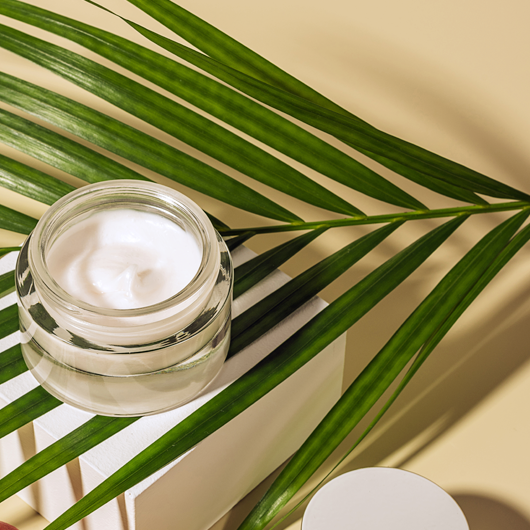


cosmetics for face
I talk to women who carefully choose cosmetics for face health, then discover that a long ingredient list does not always mean an effective formula. Ask whether the product supports the skin barrier while delivering a meaningful amount of well-studied actives.
Key Takeaways
- A shorter ingredient list often signals a smarter formula, because every component should earn its place by supporting your skin's health.
- Prioritize products with clinically studied actives at concentrations proven to deliver visible results.
- Your skin barrier deserves protection first, so choose cosmetics that nourish this delicate structure rather than strip it away.
- Reading labels with a scientist's eye helps you separate clever marketing claims from formulas grounded in real research.
- Clean beauty and proven performance belong together, and you never have to compromise one for the other.
Clean clinical skincare brings those priorities together through transparent peptide formulas, barrier-supporting lipids, humectants, and recognized safety standards. Argireline Face Cream illustrates this approach with Acetyl Hexapeptide-8, a six-amino-acid peptide selected for the appearance of smoother fine lines without relying on retinol as its primary active.
Why Clean Clinical Efficacy Outperforms Mass Retail Cosmetics
The best cosmetics for face rejuvenation support a calm barrier, evidence-informed actives, and ingredient transparency. Fragrance, unnecessary texture agents, or minimal active levels may feel pleasant but offer limited support for firmness, texture, or dehydration. Prioritize named peptides, ceramides, humectants, botanical ingredients, and a preservative system you can understand. Clean does not mean inactive; it means the formula considers purity and performance.
The Problem with Parabens and Minimal Actives
Parabens are preservatives, and their presence alone does not determine whether a product benefits your complexion. Assess whether the complete formula provides enough functional ingredients to justify its place in your routine. Some mass-market formulas place water, emollients, or sensory ingredients ahead of peptides and barrier lipids, leaving the product pleasant to apply but less targeted.
Read for specific names rather than broad phrases such as “anti-aging complex.” Argireline, Matrixyl, ceramides, glycerin, and hyaluronic acid communicate a formula’s intended function. Skin Perfection focuses on paraben-free, cruelty-free peptide formulations, with standards verified through programs such as EWG.
| What to assess | Quality indicator | Why it matters |
|---|---|---|
| Active ingredients | Named peptides, ceramides, and humectants | Shows the product has a defined skin-support purpose. |
| Formula transparency | Recognizable ingredients and clear product function | Helps you distinguish targeted care from vague marketing. |
| Preservation standards | Paraben-free and cruelty-free policies with verification | Supports informed decisions about formulation values. |
What Dermatologist-Strength Peptides Actually Do
Peptides are short amino-acid chains that can signal or support processes associated with a smoother-looking complexion. They do not replace professional care or erase wrinkles permanently. Their value comes from consistent use in a well-formulated product. Argireline, also known as Acetyl Hexapeptide-8, is a strand of six amino acids that helps smooth the appearance of fine lines by supporting a more relaxed-looking facial expression.
Argireline Face Cream targets collagen loss, skin firming, hydration, and tightening. It is suitable for combination, dry or mature, normal, oily, and sensitive skin. Since peptide performance depends on the full formula and continued application, judge progress through gradual changes in skin feel, suppleness, and expression lines rather than instant promises.
EWG Verification as a Non-Negotiable Standard
EWG VERIFIED criteria help shoppers evaluate ingredient transparency, restricted substances, and manufacturing disclosure. Treat verification as one part of your review, alongside the ingredient list, packaging instructions, and your sensitivity history. Skin Perfection’s clean peptide formulations maintain 100 percent paraben-free and cruelty-free standards verified by programs like EWG, according to the provided product research.
The Science of Barrier Repair: How Peptides and Ceramides Restore Your Skin

What Is the Skin Barrier and Why Does It Break?
Your skin barrier is the outer defense system formed by the stratum corneum, natural lipids, and protective surface conditions. It retains water while limiting irritant exposure. Aggressive cleansing, frequent exfoliation, several acne treatments together, or drying products can disturb it, causing shine, tightness, redness, flaking, and sensitivity.
More than 50 percent of skincare consumers report barrier irritation from overusing multi-active routines, according to the research provided for this guide. Select fewer purposeful actives, protect hydration, and give your routine time to work.
Key Actives: Peptides for Collagen, Ceramides for Structure, Hyaluronic Acid for Hydration
Peptides support signals associated with firmer, smoother-looking skin. Ceramides are lipid components that help reinforce barrier structure and reduce moisture loss. Hyaluronic acid attracts water to the skin’s surface. Glycerin and aloe provide additional hydration and comfort, while antioxidants help defend against environmental stressors.
| Active | Primary role | Best routine placement |
|---|---|---|
| Peptides | Supports smoother-looking texture and firmness | Targeted serum or treatment cream |
| Ceramides | Helps replenish barrier lipids | Moisturizer or barrier cream |
| Hyaluronic acid | Draws water into the outer layers | Damp-skin toner or serum |
Why a Multi-Layered Toner Technique Rebuilds Dehydrated Skin
Dehydrated skin may benefit from several light applications instead of one heavy cream coat. Research supplied for this article reports that two to three thin coats of humectant-rich toner increase stratum corneum hydration significantly more than one heavy cream application. Repeated contact gives water-binding ingredients access to the outer skin, while moisturizer afterward helps reduce evaporation.
- Cleanse with lukewarm water and pat until the skin remains slightly damp.
- Press on one thin layer of a humectant-rich toner without rubbing aggressively.
- Wait briefly, then apply a second layer.
- Add a third layer only if your skin still feels tight and the toner remains lightweight.
- Follow with a peptide serum or treatment cream, then seal with moisturizer.
This method suits skin that feels oily on top but dry underneath. Thin hydration can reduce the urge to use heavy products, while peptides and barrier lipids address texture and comfort. Finish daytime routines with broad-spectrum SPF to maintain a smoother-looking complexion.
Zone-Based Layering: A Step-by-Step Routine for Dehydrated and Combination Skin
Effective cosmetics for face care should follow your skin’s needs instead of treating every area identically. Combination skin can produce excess sebum across the forehead, nose, and chin while the cheeks, jawline, or eye area feel tight. That pattern often signals surface oil alongside dehydration. Apply lightweight hydration where skin feels thirsty and reserve richer textures for areas needing comfort.
Mapping Your Face: Oily Zones vs. Dehydrated Zones
Begin with a clean face and wait several minutes before applying products. Notice where shine develops and where skin feels dry, taut, rough, or flaky. The T-zone generally needs lighter layers. The cheeks and face perimeter may need additional humectants, peptides, or barrier-supporting moisturizer. Do not confuse oil with hydration: sebum is oil, while hydration is water held within the outer layers.
Press a thin toner layer across the full face, then add another coat to dehydrated zones. Apply targeted peptide care where expression lines or uneven texture concern you. Argireline Face Cream can be applied to the face, neck, jawline, lips, and eye area according to product directions. It contains Acetyl Hexapeptide-8, a six-amino-acid peptide that supports a smoother-looking appearance.
The Correct Order: Cleanser, Toner (x2-3), Targeted Serum, Moisturizer, SPF
Layer products from the lightest water-based texture to the richest protective layer. Use gentle pressing, especially if your skin is sensitive. Two or three thin coats of humectant-rich toner can provide useful hydration, based on the research provided for this guide. Keep skin slightly damp during hydration steps, then use moisturizer to limit water loss.
- Cleanser: Use a mild, non-stripping cleanser with lukewarm water. Pat dry, leaving the skin slightly damp.
- Toner: Press on one thin layer. Repeat once or twice on dry zones if your skin remains tight.
- Targeted serum: Apply a peptide or other treatment serum in a measured amount. Introduce one active at a time.
- Moisturizer: Use a lighter layer across oily areas and more on dehydrated zones.
- SPF: In the morning, finish with broad-spectrum sunscreen and reapply according to the label.
How to Avoid Clay Mask Barrier Damage Without Skipping Treatment
Clay absorbs excess oil, but prolonged drying may leave skin tight. Apply a thin coat only to oily areas, keep it visibly moist, follow the stated wear time, and remove it before cracking. A fine mist of water can soften it during removal, reducing scrubbing. Rinse gently, pat dry, and apply toner followed by moisturizer.
Schedule clay treatment separately from strong exfoliating acids, benzoyl peroxide, or other drying acne products. If your face stings, flakes, or feels unusually tight, pause treatment and return to gentle cleansing, humectant hydration, and barrier-supporting moisturizer.
Common Mistakes That Sabotage Your Skin Barrier (And How to Fix Them)
Over-Treating Acne and Dark Spots with Too Many Harsh Actives
Combining exfoliating acids, retinoids, peroxide, scrubs, and brightening treatments can cause burning, redness, peeling, or sensitivity. More than 50 percent of skincare consumers report irritation from overusing multi-active routines, according to the research provided for this guide. Reduce treatment steps, use one primary active at a time, and give your skin several consistent weeks before judging its response.
Keep peptide care and barrier support central while reducing aggressive treatments. Argireline Face Cream focuses on peptide-based care rather than retinol as its primary active. Use it as directed, patch test new formulas, and stop if persistent irritation develops. Professional guidance is appropriate for painful acne, sudden rashes, or dark spots that change in appearance.
Letting Clay Masks Dry Completely: The Hidden Crack Effect
Myth: A clay mask works best after it dries until the surface cracks. Fact: Cracking signals excessive drying, not superior treatment. Apply clay only where oil collects, keep the layer comfortable, and remove it while flexible. Follow with water-binding ingredients and moisturizer.
Ignoring Dehydration Under Oiliness
Shine does not prove that skin has enough water. Tightness after cleansing, rough patches, visible fine lines, and makeup clinging to dry areas can indicate dehydration beneath surface oil. Use lighter hydration across the face, add toner to dry zones, and avoid stripping cleansers.
How to Choose Clean, Peptide-Rich Cosmetics: Brand Comparisons and Shopping Tips

When shopping for cosmetics for face health, assess named peptides, barrier-support ingredients, a clear preservation system, and directions explaining use. Skin Perfection applies this standard to concentrated peptide skincare, offering a focused way to assess firmness, fine lines, hydration, and texture without vague promises.
How to Read a Label: Active Concentration vs. Marketing Claims
Start with the ingredient list and compare it with the stated purpose. “Peptide complex” does not identify the peptides or their function. Look for Argireline, Matrixyl, or Acetyl Hexapeptide-8, plus glycerin, hyaluronic acid, aloe, ceramides, and botanical extracts. These names indicate whether a formula is intended to hydrate, soften, reinforce the barrier, or support a smoother-looking complexion.
Ingredient position offers context but cannot reveal the exact concentration of every active. A responsible label avoids guaranteed results and explains consistent use. It should identify the product format, skin type guidance, preservation approach, and possible sensitivities. Argireline Face Cream is a peptide-centered treatment designed to reduce fine lines and wrinkles. It contains Argireline, also known as Acetyl Hexapeptide-8, a peptide that smooths the skin and relaxes facial muscles.
Retail Options Compared: Ulta, Amazon, and Clean Clinical Brands
Retail search tools can sort by texture, concern, ingredient, or skin type, but a large selection does not guarantee formula quality. Use the same checklist for an online listing, store shelf, or professional recommendation: identify the active, confirm intended use, inspect the full ingredient list, and check whether the formula suits your barrier.
Concentrated clean formulas emphasize ingredient disclosure and a defined treatment goal. Skin Perfection’s peptide approach pairs cosmetic science with botanical and barrier-supporting ingredients, helping you choose a focused serum, booster, or cream instead of stacking unrelated treatments. A thoughtful routine contains only steps your skin can tolerate.
Shopping Checklist: Strengths and Limitations of a Focused Peptide Formula
Pros
- Named peptides make the formula’s purpose easier to understand.
- Barrier-supporting hydration can complement treatment for fine lines and texture.
- Paraben-free and cruelty-free standards support more transparent purchasing.
- Peptide care can suit combination, dry or mature, normal, oily, and sensitive skin when used as directed.
Cons
- Peptides require consistent use, so they should not be judged by instant changes.
- A clean formula still requires a patch test if your skin reacts easily.
- More treatment steps are not automatically better for a compromised barrier.
- Certification language must be checked for the specific formula rather than assumed across an entire product line.
Why Skin Perfection’s EWG Verified Formulas Deliver Real Results
Skin Perfection’s clean peptide formulations maintain 100 percent paraben-free and cruelty-free standards verified by programs like EWG, according to the supplied product research. The brand’s EWG VERIFIED positioning and 2025 Think Dirty Awards finalist status provide additional signals to review alongside the ingredient list. Choose a formula with a defined peptide, supportive hydration, transparent standards, and realistic directions for a precise, gentle, consistent routine.
Frequently Asked Questions
Which cosmetic brand is best for the face?
The best cosmetics for face care are products with recognizable actives, barrier-supporting ingredients, and clear formulation standards. Skin Perfection focuses on clean peptide formulas featuring ingredients such as Acetyl Hexapeptide-8, ceramides, glycerin, and hyaluronic acid. Choose products according to your skin needs, sensitivity history, and desired texture or firmness support.
What are the five basic steps of a face-care routine?
The five basic steps of a face-care routine are cleansing, hydrating, treating, moisturizing, and applying sunscreen during the day. Cosmetics for face care work best when each product has a defined purpose and the routine remains manageable. Introduce one new active at a time so your skin can show how it responds.
How do you get flawless makeup on older skin?
Flawless makeup on older skin starts with hydrated, comfortable skin and thin layers of complexion products. Cosmetics for face use should support a smooth surface with humectants such as glycerin or hyaluronic acid, followed by moisturizer before makeup. Lightweight coverage and careful blending can help avoid emphasizing dryness or fine lines.
What are examples of cosmetics for the face?
Examples of cosmetics for the face include cleansers, toners, serums, treatment creams, moisturizers, masks, foundations, concealers, blushes, and powders. Skin-supporting formulas may include peptides for smoother-looking texture, ceramides for barrier support, and humectants for hydration. Makeup products add color, while skincare products support comfort and appearance.
What is the number one skincare brand?
No single skincare brand is number one for every person because skin needs, preferences, and tolerances differ. A strong choice is a brand that names its active ingredients, explains product purpose, and follows stated standards such as paraben-free and cruelty-free policies. Skin Perfection offers clean peptide formulations centered on transparent product functions.
What ingredients should you look for in cosmetics for face health?
Cosmetics for face health should include purposeful ingredients such as named peptides, ceramides, glycerin, and hyaluronic acid. Peptides support a smoother-looking complexion, ceramides help reinforce the skin barrier, and humectants attract water to the outer skin. Ingredient names are more useful than vague claims like “anti-aging complex.”