

 Buy with Prime
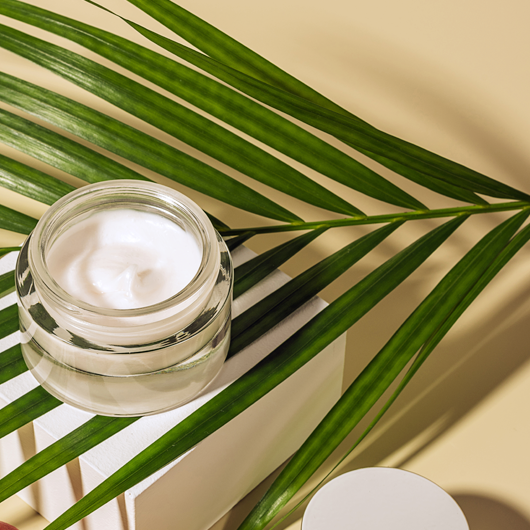


how often to use facial masks
Wondering how often to use facial masks without leaving your skin tight, flaky, or reactive? The answer depends on the formula, barrier condition, and desired result. Clay removes excess surface oil, while a hydrating sheet mask temporarily increases water in the outermost skin layer. No universal schedule fits every product.
Key Takeaways
- Choose your mask frequency based on the specific formula, your skin barrier's current strength, and what you want to achieve.
- Clay masks are best reserved for oily zones and used less often to prevent stripping natural moisture.
- Hydrating sheet masks can be applied more frequently, especially when your skin feels dry or tight.
- Watch for signs of irritation or flaking, which tell you to cut back on masking and let your barrier recover.
- Rotating between different mask types lets you tackle multiple concerns without overloading your skin with any single ingredient.
Masking works best as targeted cosmetic care rather than a daily race for faster results. Formula strength, contact time, skin type, and follow-up hydration shape the outcome. The right cadence can support smoother-looking texture, balanced oil, and a more comfortable glow without disturbing the stratum corneum.
Unlock Your Skin's Potential: How Often to Use Facial Masks for Real Results
The Science Behind Masking: More Than Just a Pamper Session
A facial mask creates a temporary treatment environment. Occlusive ingredients can reduce water loss, while humectants such as glycerin and hyaluronic acid attract water to the surface. Clay and charcoal bind excess sebum and impurities. Alpha hydroxy acids loosen bonds between dead surface cells, helping dull skin look more refined. Benefits come from matching the action to current needs, not from leaving the product on longer or applying it more often.
Why Frequency and Routine Matter: Avoiding the “Expensive Sticker” Trap
A sheet mask placed on unclean skin may sit over sunscreen, makeup residue, oil, and environmental debris, limiting contact between essence and skin. A mask cannot compensate for an unsettled routine. Excess exfoliation, repeated degreasing, or prolonged wear may increase dryness and sensitivity. If a sheet dries on the face, reverse osmosis may pull moisture from the stratum corneum. Healthline reports that leaving a sheet mask on beyond 20 minutes can produce this moisture-drawing effect.
Our Commitment to Clean Science and Visible Transformation
At Skin Perfection, cosmetic science should feel understandable and honest. We consider humectants, emollients, exfoliating acids, botanical extracts, preservatives, and contact time. This ingredient awareness also applies to the Certified Organic Facial Scrubs, intended for the face and concerns including dark spots, dullness, exfoliating, large pores, and wrinkles. The line includes options for combination, dry or mature, normal, oily, and sensitive skin, with alpha hydroxy acid and gluten-free options among its listed features.
For most people, how often to use facial masks starts with one treatment weekly. Hydrating sheet or cream formulas may suit two or three applications weekly, and a very gentle hydrating mask may be used more often if skin remains calm. Clay and exfoliating formulas need more restraint. Follow package directions, stop if burning or persistent redness appears, and protect the barrier with a suitable moisturizer.
The Masking Cadence Matrix: Decoding Frequency by Formula and Skin Type

Weekly Usage Frequency: A Breakdown by Mask Type
Use this matrix as a starting point, not a rigid prescription. A concentrated acid mask may require less frequent use than a mild cream mask, even when both are labeled exfoliating or brightening. Cleanser, serum, retinoid, weather, and barrier condition also affect tolerance.
| Mask type | Typical starting cadence | Best fit | Watch for |
|---|---|---|---|
| Clay or charcoal | Once weekly; up to two times weekly if well tolerated | Excess oil and a congested-feeling surface | Tightness, flaking, or increased sensitivity |
| Hydrating sheet | Two or three times weekly | Dehydration, dullness, and temporary comfort | Drying edges, fragrance irritation, or wear beyond 20 minutes |
| Exfoliating | Once weekly or according to the label | Uneven texture and accumulated dead surface cells | Stinging, redness, or peeling after other acids or retinoids |
| Cream mask | One or two times weekly | Dry, mature, or uncomfortable skin needing emollient support | Heaviness, clogged-feeling pores, or irritation from fragrance |
| Overnight mask | One or two times weekly | Surface dryness and moisture retention | Occlusion discomfort or layering too many rich products |
Tailoring Your Routine: How Skin Type Dictates Masking Cadence
Oily skin may tolerate a purifying clay treatment weekly; combination skin may need clay only on the forehead, nose, and chin. Dry skin generally benefits from humectants, ceramides, squalane, and creamy textures rather than repeated oil-absorbing masks. Mature skin often prefers gentle hydration and peptide-supportive formulas, with moderate exfoliation. Sensitive skin should begin with a short-contact, fragrance-free formula and a patch test. The best schedule leaves skin comfortable the next day, not intensely stimulated.
When to Mask Daily: The Case for Hydrating and Gentle Formulas
Can a hydrating sheet mask be used every day? Sometimes, but daily use is not automatically better. A simple, fragrance-free formula with humectants and soothing ingredients may suit short periods when skin is dry, exposed to cold weather, or feeling depleted. Watch for bumps, itching, redness, or tightness. Reduce frequency if they appear. The question of how often should you use face mask sheet treatments depends on tolerance, formula design, and contact time.
Over-Masking Pitfalls: Recognizing Signs of Barrier Dehydration
Over-masking can remove surface lipids faster than the barrier replaces them. Research summarized in the provided brief reports that clay or purifying charcoal masks used more than two or three times weekly may strip essential lipids, with compromised barriers showing trans-epidermal water loss increases of up to 30 percent. Persistent tightness, rough patches, burning, unusual flaking, and redness call for pausing exfoliating and purifying formulas and returning to gentle cleansing, moisturization, and sunscreen.
For a simple plan, use hydration once or twice weekly, reserve exfoliating or clay formulas for another day, and reassess after several weeks. The right answer to how often to use facial masks leaves skin softer and more balanced. Certified Organic Facial Scrubs can fit an exfoliation-focused routine when label directions and tolerance support their use.
The Skin Perfection Protocol: Mastering Mask Application and Routine Placement
The Essential Skin Prep Steps: Why Toner and Essence Aren't Optional
Begin with a clean, comfortable surface. Use a gentle cleanser to remove sunscreen, makeup, excess sebum, and environmental residue without leaving skin tight. A well-formulated toner or essence adds lightweight hydration and softens the outermost stratum corneum. Pat, rather than rub, the face dry, then apply toner or essence while skin remains slightly damp.
Avoid aggressive scrubbing before a treatment mask, particularly if it contains alpha hydroxy acids, retinol, or other exfoliating ingredients. For gentle exfoliation, the Certified Organic Facial Scrubs can be considered on a separate routine day, following product directions and tolerance.
Where Does the Mask Fit? Cleanser, Toner, Essence, Mask, Serum, Moisturizer Explained
For most rinse-off, sheet, and gel treatments, the order is cleanser, toner, essence, mask, serum, moisturizer, and sunscreen in morning routines. Apply the mask after watery products and before heavier leave-on layers. After removal, press remaining essence into skin and seal it with serum or moisturizer. Rinse-off masks are washed away before serum and cream.
- Cleanse: Remove surface residue with a mild cleanser.
- Balance hydration: Apply toner or essence without saturating the face.
- Treat: Place the mask evenly, avoiding the eyelids and lip line.
- Finish: Follow package directions, then apply serum and moisturizer.
- Protect: Use broad-spectrum sunscreen during daytime routines.
The “Expensive Sticker” Mistake: How Skipping Prep Wastes Potent Ingredients
A sheet mask cannot dissolve through foundation, sunscreen, oxidized oil, or accumulated dead skin cells. Over residue, essence may remain on top instead of contacting skin evenly. Proper cleansing does not force ingredients deeper into skin, but it removes avoidable barriers and supports even application.
Optimizing Wear Time: Why More Isn't Always More for Sheet and Gel Masks
Follow stated wear time rather than waiting for a sheet mask to dry. Healthline reports that leaving one on beyond 20 minutes can trigger reverse osmosis, pulling moisture from the stratum corneum instead of adding it. Gel masks also need their stated contact period; overnight wear is suitable only when specifically labeled that way.
Remove the treatment gently, press in excess essence, and finish with a barrier-supportive cream. Do not layer several masks in one session. Certified Organic Facial Scrubs belong to the exfoliation category, so use them according to directions rather than as substitutes for hydrating sheet or gel masks.
Morning vs. Night Masking: Strategic Application for Targeted Results
Daytime Masking: Energize and Protect with Hydrating and Antioxidant Formulas
Morning masking can provide temporary hydration, a smoother makeup base, or a fresher appearance. Choose a lightweight sheet, gel, or cream formula with humectants such as glycerin or hyaluronic acid, soothing botanical extracts, or antioxidants. Apply moisturizer if needed, then broad-spectrum sunscreen. Allow layers to settle so makeup does not pill.
Nighttime Masking: Repair and Rejuvenate with Peptides and Actives
Evening suits richer formulas, peptide treatments, and masks intended to support the appearance of firmness and smoother texture. Cleanse first, apply the treatment for its labeled duration, and finish with a moisturizer suited to barrier condition. A peptide mask may fit an anti-aging routine, but more active ingredients do not automatically produce better results.
Active Ingredient Compatibility: Pairing Masks with Serums and Treatments
Peptides generally fit hydrating products and many daily serums. Retinol, alpha hydroxy acids, and beta hydroxy acids can increase irritation when combined, especially for sensitive or dry skin. If a mask contains exfoliating acids, use plain moisturizer afterward and skip retinol or another acid that evening. With a retinol serum, choose a calming or hydrating mask.
Pros
- Hydrating masks can support a softer-feeling surface before makeup or sleep.
- Peptide formulas can complement a measured evening routine.
- Separating strong actives can improve comfort and barrier tolerance.
Cons
- Combining retinol, acids, and an exfoliating mask may cause stinging or redness.
- Rich layers may feel heavy or contribute to a congested-feeling surface.
- Nighttime application does not make excessive contact time safe.
The “Why” Behind the Timing: Supporting Your Skin's Natural Circadian Rhythm
Skin changes daily in hydration, temperature, oil production, and exposure. During the day, sunscreen and antioxidant support matter because ultraviolet radiation and environmental stressors are present. At night, cleansing removes those exposures and creates a quieter period for leave-on products. Timing helps reduce ingredient conflicts, protect the barrier, and match treatment to your schedule.
Advanced Masking Techniques and Common Mistakes to Avoid
Integrating Red Light Therapy Masks: Frequency and Routine Placement
Red light therapy masks differ from sheet, clay, and cream treatments because they use specific light wavelengths rather than topical essence. Start with device instructions, including session length and weekly schedule. Use the mask on clean, dry skin before serums or moisturizer unless the manufacturer says otherwise. Follow eye protection requirements, and do not assume longer sessions create faster visible changes. Pause if skin feels hot, irritated, or unusually dry.
Common Masking Mistakes: A Checklist for Success
The best answer to how often to use facial masks changes with your barrier, climate, and active ingredients. Use this checklist before each treatment:
- Check the barrier: Postpone exfoliating or clay treatments if skin is burning, peeling, or persistently tight.
- Read the formula: Look for acids, fragrance, essential oils, retinol, and ingredients that overlap with your serum.
- Follow the order: Cleanse first, apply the stated duration, then finish with compatible moisturizer.
- Respect contact time: Never leave a sheet or gel mask overnight unless labeled for overnight use.
- Match the treatment: Choose hydration for dryness, gentle purification for excess oil, and cautious exfoliation for dull texture.
When to Consult a Professional: Identifying Mask-Related Skin Issues
Stop treatment if swelling, hives, blistering, intense burning, or redness that does not settle appears. Persistent itching, cracking, or product sensitivity also deserves professional attention, particularly with eczema, rosacea, or a known allergy. A dermatologist can distinguish irritation from allergic contact dermatitis and recommend a barrier-repair plan. Patch testing is sensible before applying a new formula across the face.
Your Personalized Masking Journey: Building a Routine with Skin Perfection
Let your routine respond to next-morning comfort, texture over time, and tolerance after active treatments. Record the mask type, wear time, date, and reaction. For ingredient-conscious exfoliation, Certified Organic Facial Scrubs offer face-focused options for dark spots, dullness, large pores, and wrinkles, with choices for several skin types. Certified Organic Facial Scrubs can support a measured routine when used according to label directions, with gentler hydration on separate days. The most effective plan is consistent, comfortable, and easy to adjust as skin changes.
Frequently Asked Questions
Should I use a face mask every day?
A face mask can be used daily only if the formula is gentle, hydrating, fragrance-free, and your skin remains comfortable. Most people can start with one weekly treatment, while a mild hydrating sheet or cream mask may suit two or three uses per week. Reduce use if redness, itching, bumps, or tightness develops.
Can you overdo face masks?
Overusing face masks can cause tightness, flaking, burning, redness, or increased sensitivity. Clay, charcoal, and exfoliating masks need more restraint than hydrating formulas, so begin with once weekly and pause purifying or acid masks if your barrier feels unsettled.
What is the best face mask for aging skin?
The best face mask for aging skin is usually a gentle hydrating cream or overnight mask with moisture-supportive and peptide-focused ingredients. Mature skin often benefits from comfortable hydration and moderate exfoliation, while repeated clay treatments may leave the surface feeling dry or sensitive.
How often should I put on a facial mask?
How often to use facial masks usually starts at once weekly for most formulas. Hydrating sheet or cream masks may fit two or three times weekly, while clay and exfoliating masks generally work best once weekly or according to the package directions.
Do Koreans use face masks daily?
Some Korean skincare routines include daily sheet masking, but daily use is not required for healthy-looking skin. Frequency depends on the mask formula, contact time, and skin tolerance, with gentle hydration more suitable for frequent use than clay or exfoliating treatments.
How long should I leave a facial mask on?
A facial mask should stay on only for the time stated on its package, and a sheet mask generally should not remain on until it dries. Leaving a sheet mask on beyond about 20 minutes may draw moisture from the skin surface, so follow with a suitable moisturizer after removal.
Should I moisturize after using a face mask?
Moisturizer should be applied after rinsing or removing most facial masks to help maintain a comfortable skin barrier. Hydrating masks can temporarily increase surface water, while clay and exfoliating formulas may leave skin feeling dry, making gentle follow-up hydration especially helpful.