

 Buy with Prime
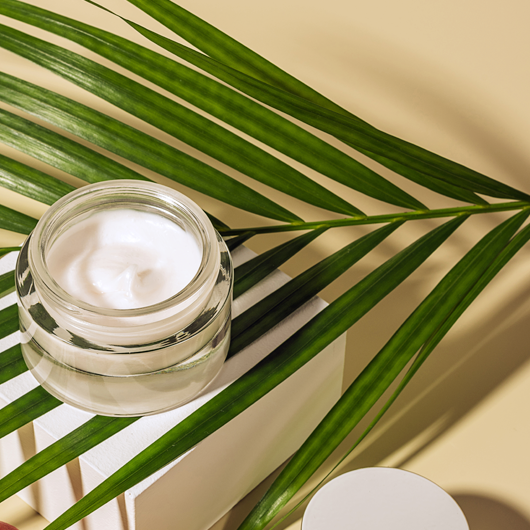


At her kitchen counter, a first-time formulator watched her lotion separate for the third time. The oils floated above the water phase, and the recipe's cheerful ingredient list hadn't explained why.
Table of Contents
- Why Natural Cosmetic Formulation Matters Now
- The Five Core Ingredient Functions Every Formulator Knows
- How a Natural Formulation Comes Together Step by Step
- Preservation and Stability in Natural Systems
- The Honest Trade-Offs of Going Natural
- Labeling Rules and Safety Considerations for DIY Brands
- Three Beginner Recipes to Put It All Together
- Troubleshooting and Frequently Asked Questions
Why Natural Cosmetic Formulation Matters Now
Natural cosmetic formulation has moved well beyond a small DIY niche. Market estimates for natural cosmetics place 2025 estimates between roughly USD 23 billion and USD 55 billion, depending on category scope and methodology. One estimate gives a USD 41.3 billion market in 2025 and projects USD 70.8 billion by 2035 at a 5.6% CAGR. Another gives USD 45.61 billion in 2025, rising to USD 111.67 billion by 2035 at a 9.37% CAGR. The figures differ, yet both describe a substantial commercial category rather than a passing hobby.
That growth follows a change in how shoppers assess skincare. They increasingly look for recognizable ingredients, traceable sourcing, cruelty-free positioning, and packaging that fits their environmental expectations. A 2026 market summary reported 72% of consumers preferring natural ingredients, 64% demanding chemical-free skincare, 58% prioritizing sustainable packaging, 53% choosing cruelty-free cosmetics, and 49% preferring organic formulations. (Consumer preferences in the natural cosmetics market)
What makes natural systems different
Natural formulas commonly use plant-derived oils, botanical extracts, naturally sourced emollients, mineral pigments, and biodegradable surfactants. They may also contain fewer synthetic polymers and preservation systems with narrower operating conditions. “Natural” describes an ingredient philosophy, not a guarantee of safety, gentleness, performance, or stability.
A beginner reading an ingredient list can miss the harder question: how will the finished formula behave over time? A botanical extract may add appeal while also introducing nutrients that microbes can use. A natural preservative may work only within a particular pH window. An emulsion can look smooth at the bench and still separate after storage. Formulation connects those moving parts, rather than judging materials one by one.
Certification turns broad preferences into defined requirements. The COSMOS standard launched in 2010, bringing major European certifiers together around ingredient origin, processing, sourcing, and labeling. For someone learning what clean beauty means, the practical lesson is straightforward: a clean-looking ingredient list still needs a stable emulsion, a suitable preservative system, controlled pH, and accurate labeling.
Bench reminder: Good intentions can guide ingredient selection, but testing protects the finished product.
Kitchen-bench failures are predictable. A cream can feel lovely on day one, then separate. A botanical water can develop an unpleasant odor. A gum, clay, or humectant can shift the pH after the batch appears complete. Accurate weighing, sanitation, records, and patience make it easier to identify which bottleneck changed the formula.
The Five Core Ingredient Functions Every Formulator Knows
Before choosing individual ingredients, sort each one by its job. This prevents a common beginner mistake, adding several attractive ingredients without knowing which one provides structure, hydration, preservation, or sensory balance.

1. Emollients soften and smooth
Emollients are the formula's softening materials. Plant oils, esters, and butters improve slip, reduce a dry or tight feel, and influence whether a product feels silky, rich, or greasy. Jojoba oil, squalane, shea butter, and coconut oil can all be useful, but they don't create the same finish.
2. Humectants attract water
Humectants act like water magnets. Glycerin, hyaluronic acid, and honey help a water-based product feel more hydrating by attracting and holding water around the skin's surface. The amount matters. Too little may be barely noticeable, while too much glycerin can feel sticky.
3. Emulsifiers connect oil and water
Oil and water don't naturally stay mixed. An emulsifier provides the bridge that lets them form a lotion or cream instead of separating into layers. The emulsifier must match the oil phase, processing method, desired texture, and the supplier's recommended use range. A formula can contain a “natural emulsifier” and still fail if the phases, concentration, or shear are wrong.
4. Preservatives control microbial risk
Preservatives are the safety system for products containing water. Broad-spectrum preservatives address bacteria, yeast, and mold, while antioxidants such as vitamin E mainly help slow lipid oxidation. Vitamin E isn't a broad-spectrum preservative, and rosemary oleoresin doesn't replace one in a water-based lotion.
5. Actives provide a focused function
Actives are targeted ingredients added for a defined cosmetic purpose. Examples include niacinamide, vitamin C derivatives, botanical extracts, and sodium hyaluronate. They usually work at lower levels than the formula's bulk ingredients, so dispersion, solubility, heat exposure, and pH compatibility all matter.
For a deeper tour of raw materials, use this guide to cosmetic raw ingredients. A finished product such as HydroGlow Anti-Aging Night Mask illustrates how a formula can combine hyaluronic acid, polyglutamic acid, aloe, jojoba, squalane, glycerin, sea silt ferment, and algae extract into a leave-on night product.
| Function | What It Does | Common Natural Examples | Typical Use Level |
|---|---|---|---|
| Emollient | Softens skin and improves slip | Jojoba oil, squalane, shea butter | Determined by texture and product type |
| Humectant | Attracts and holds water | Glycerin, honey, hyaluronic acid | Determined by feel and hydration goal |
| Emulsifier | Keeps oil and water combined | Plant-derived emulsifying systems | Set by supplier guidance and oil phase |
| Preservative | Controls microbial contamination | Organic-acid or fermented systems | Set by supplier guidance, pH, and testing |
| Active | Adds a targeted cosmetic function | Niacinamide, extracts, vitamin C derivatives | Set by ingredient data and formula tolerance |
How a Natural Formulation Comes Together Step by Step
A reliable batch begins on paper, not in the mixing vessel. Write the product type, intended skin feel, ingredient percentages, target pH, phase assignments, processing temperatures, and packaging choice before weighing anything. A mist, anhydrous butter, serum, and lotion each need a different design.

Design and preparation
Start by separating ingredients into a water phase, oil phase, and cool-down phase. Weigh with a digital scale, not volume spoons. Clean and sanitize the vessels, spatulas, blender head, thermometer, and filling containers. A written formula also makes scaling and troubleshooting possible because you can identify what changed between batches.
Water and oil phases are commonly heated separately in a water bath. For many emulsions, both phases are brought into a similar range around 70 to 75°C, allowing the emulsifier to melt or activate and reducing the chance that one phase will shock the other. The exact temperature depends on the emulsifier and raw materials, so supplier documentation takes priority.
Emulsification and cooling
Combine the phases according to the emulsifier's instructions, then use an immersion blender or suitable high-shear tool. The objective isn't merely to stir. You're breaking one phase into fine droplets and distributing those droplets through the other phase. Continue blending until the mixture looks uniform, then keep gentle movement during cooling so the structure develops evenly.
Many heat-sensitive ingredients belong below 40°C. Add selected extracts, essential oils, and compatible actives during cool-down, but check each supplier's instructions because not every ingredient behaves the same way. Rosehip seed oil and other delicate oils may also be better protected from prolonged heat.
Final checks and filling
Check the pH after the batch has cooled and hydrated fully. A practical approach is to test once after mixing, re-check after 24 to 48 hours, and continue checking during stability work because gums, clays, and humectants can shift the finished value. Guidance on how to emulsify oil and water can help beginners understand why phase order and shear affect the result.
Finally, assess viscosity, appearance, odor, and container compatibility. Fill into sanitized packaging, minimize open exposure, and record the batch date, formula version, raw-material lots, pH, and observations. A beautiful texture at filling is only the beginning of the evaluation.
Preservation and Stability in Natural Systems
A beginner can make a lotion that looks perfect on filling day, then find separation, odor change, or mold later. Water gives a product its comfortable spread, yet it also supports microbial growth. Natural emulsions add further variables because plant materials differ by harvest and supplier, while some natural or organic standards limit familiar synthetic preservatives. High botanical loads can change stability, consistency, and performance. These formulation challenges are discussed in Formulation challenges in natural cosmetics.

Why pH changes the preservation picture
Many natural preservation systems use weak organic acids, including benzoic acid, sorbic acid, or gluconolactone. Their antimicrobial action depends on pH, solubility, partitioning, temperature, and whether the preservative remains in its active undissociated form. Practical guidance for leave-on natural products often places the finished pH in an acidic range around 4.0 to 5.2, while many working systems use approximately 4.5 to 5.5. The relationship between acidity and preservative performance is explained in pH and preservative performance in cosmetic emulsions.
The preservation window is narrow enough that a small upward pH shift can reduce protection without changing the ingredient list. Gums, clays, botanical powders, and alkaline materials may all influence the final reading. Test the finished, fully hydrated product rather than estimating pH from the recipe.
Stability checks that reveal failure
Heating both phases to around 70 to 75°C can lower the initial microbial load and support emulsification. It does not sterilize the product or replace a preservative system. After filling a small test batch, examine it under several conditions:
- Centrifugation: Use 3,000 rpm for 10 minutes as a screening test for weak separation.
- Freeze-thaw exposure: Cycle samples from -10°C to 40°C over 48 hours and look for cracking, graininess, or permanent separation.
- Room-temperature observation: Keep a sample for a 30-day observation period. Record separation, odor shifts, color drift, viscosity changes, and container interaction.
These checks expose formulation weaknesses, but they do not prove safety. Products made for other people still require microbial testing and preservative efficacy testing.
Safety principle: Rosemary oleoresin can support oxidative stability, but it does not provide broad-spectrum protection against bacteria, yeast, and mold.
Read ingredient lists with care. A botanical extract, antioxidant, or ferment may appear beside a formula without preserving it. Protection depends on the whole system, including pH, water activity, packaging, hygiene, and validated use levels. Natural skin care preservatives work as part of a preservation system, not as decorative additions.
The Honest Trade-Offs of Going Natural
“Natural” describes an origin or processing approach, not a guarantee of superior texture, shelf life, or performance. The most useful formulation decision is often a compromise between sourcing preference, sensory elegance, stability, claim requirements, and available testing.
A conventional lotion using phenoxyethanol may be designed for a shelf life of 18 to 24 months, while an all-natural counterpart using only Geogard or Leucidal may reach 6 to 12 months before sensory degradation, depending on the complete formula and storage conditions. These ranges are formulation-dependent, not promises, and they shouldn't replace stability or microbial testing.
Natural emulsifiers can also create a different skin feel. Cetearyl olivate may produce a richer or heavier finish than a synthetic-assisted system, and a formulator may need additional structure or stabilization to achieve the desired viscosity. That isn't a failure. It's a design choice with consequences.
Actives present another trade-off. Vitamin C from botanical sources such as kakadu plum or acerola can offer a natural positioning, but its concentration and composition may vary more than a defined synthetic active such as L-ascorbic acid or magnesium ascorbyl phosphate. Traceability and standardized raw materials become essential when a brand wants both natural positioning and predictable batch-to-batch behavior.
| Attribute | Natural System | Synthetic-Assisted |
|---|---|---|
| Ingredient story | Plant-derived, mineral, fermented, or naturally sourced materials | May combine natural materials with synthetic functional ingredients |
| Texture | Can be richer, waxier, or more variable | Often offers broader options for elegant slip and light finishes |
| Preservation | May require tighter pH control and more testing | May offer more familiar preservation choices |
| Active consistency | Botanical potency can vary by source and processing | Defined actives can offer more predictable composition |
| Supply chain | May depend on harvests, geography, and traceability | Can provide alternatives when natural supply is inconsistent |
| Consumer positioning | Supports natural, organic, or clean-label communication when substantiated | Supports performance and formulation flexibility |
The right question isn't “Is natural better?” Ask instead: Which performance and sourcing compromises fit this product? A balm may prioritize plant oils and no water. A lotion may prioritize a stable emulsion and dependable preservation. A serum may combine botanical extracts with biotech or fermentation-derived ingredients, a direction industry coverage identifies alongside microbiome-friendly, scalp-wellness, waterless, concentrated, and AI-personalized formats. (Clean beauty formulation trends)
Labeling Rules and Safety Considerations for DIY Brands
A cosmetic label has to describe the product truthfully and avoid misleading buyers. The FDA states that cosmetics don't need FDA approval before entering the market, and it doesn't maintain a list of approved or accepted cosmetic claims. (FDA guidance on cosmetic labeling claims)
That doesn't mean a small-batch maker can write anything. Cosmetic language can describe beautifying, cleansing, moisturizing, softening, conditioning, or improving the appearance of skin. Claims that a product affects the structure or function of the body can move it into drug territory, depending on the wording and intended use. FDA describes cosmetics as products intended to beautify, promote attractiveness, alter appearance, or cleanse, rather than affect body structure or function. (FDA explanation of cosmetics and cosmeceuticals)
What belongs on the package
Under U.S. cosmetic labeling rules, keep the label accurate and readable. The principal display panel needs an identity statement and an accurate net quantity of contents. (FDA cosmetic labeling guide)
Your working checklist should include:
- Ingredient declaration: List ingredients using appropriate INCI names and descending order where required.
- Net contents: State the quantity by weight, measure, numerical count, or a combination of those forms.
- Business information: Include the responsible business name and required address details.
- Batch identification: Assign a batch number or code so you can trace production records.
- Claim review: Remove language suggesting treatment, healing, repair, disease prevention, or FDA approval.
Etsy applies an especially strict Medical Claims policy. Regardless of whether a claim is accurate or legal elsewhere, Etsy prohibits explicit or implied claims that an item can treat, mitigate, diagnose, or cure serious diseases such as cancer or heart disease, sexual dysfunction, or conditions requiring drug-like claims. It also prohibits claims that a product is an analgesic, antibiotic, antiseptic, antiviral, anti-inflammatory, steroid, vaccine, decongestant, prescription drug, or FDA-approved product. (Etsy Medical Claims policy)
Use sanitized equipment, protect open batches from unnecessary exposure, retain supplier documents, and patch test finished cosmetics cautiously. For ingredient terminology, how to read a skincare label in INCI is a useful reference.
Three Beginner Recipes to Put It All Together
These formulas are learning exercises, not validated commercial products. Use a digital scale, thermometer, pH strips or a calibrated meter, sanitized vessels, a small immersion blender where appropriate, and clean packaging. Percentages are by weight, so a 50 g test batch is easy to scale to 200 g by multiplying each percentage by the batch size.

Aloe-honey facial mist
| Ingredient | Percentage |
|---|---|
| Aloe vera juice or hydrosol | 92% |
| Raw honey, dissolved in a little water | 4% |
| Vegetable glycerin | 3% |
| Preservative, such as Geogard ECT | 1% |
Combine the aloe or hydrosol, dissolved honey, and glycerin in a sanitized vessel. Add the preservative according to its supplier instructions, mix thoroughly, then measure pH and adjust only with materials compatible with the preservative system. Because this formula contains water, a suitable broad-spectrum preservative is not optional. Store in an appropriate container, limit finger contact, and don't assign a shelf life without testing.
Shea-coconut body butter
| Ingredient | Percentage |
|---|---|
| Shea butter | 50% |
| Coconut oil | 30% |
| Sweet almond oil | 19% |
| Vitamin E oil | 0.5% |
| Essential oil blend | 0.5% |
Melt the shea butter and coconut oil gently in a water bath, then stir in the almond oil. Cool the mixture while stirring, add vitamin E and the essential oil blend below 40°C, then whip or pour according to the desired texture. Avoid prolonged overheating, which can encourage graininess and affect delicate components. This anhydrous formula doesn't require a water-based preservative system, but it still needs clean equipment and protection from moisture.
Lightweight facial oil serum
| Ingredient | Percentage |
|---|---|
| Jojoba oil | 60% |
| Rosehip seed oil | 30% |
| Olive-derived squalane | 9.5% |
| Vitamin E oil | 0.5% |
Weigh the oils directly into a sanitized vessel and stir until uniform. Keep the rosehip seed oil away from unnecessary heat, add vitamin E, and fill into amber glass to limit light exposure. Since this serum contains no water, pH isn't a meaningful control point, but oxidation, odor, and color still need monitoring.
Treat every recipe as a starting framework. Supplier recommendations override generalized instructions, particularly for preservatives, essential oils, extracts, and emulsifiers. Record appearance, odor, texture, pH where applicable, and storage conditions at each observation point.
Troubleshooting and Frequently Asked Questions

- Why is my lotion greasy? An oil-heavy formula can feel greasy. Review the intended oil-to-water balance and consider whether the emulsifier, fatty alcohol, or powder modifier suits the target finish.
- Why did my cream separate? The phases may have differed in temperature, or the batch may not have received enough shear. Combine them at a compatible temperature and homogenize promptly.
- Does natural mean preservative-free? No. Any formula containing water needs a preservation strategy, sanitation, suitable packaging, and testing.
- Why does it smell off? Microbial growth or lipid oxidation can change odor. Stop using the batch until you identify the cause.
- Can fragrance oil replace essential oil? Not for natural labeling. Check the material's composition and the claim standard you're following.
- How long will a beginner batch last? Don't promise a shelf life from a recipe alone. A refrigerated, properly preserved batch may be used as a short-term learning sample, but testing determines suitability.
Keep a one-page stability log with fields for batch code, date, formula version, pH, temperature, appearance, odor, color, viscosity, packaging condition, and observations after storage. Photograph the sample at consistent intervals. That record will tell you whether a failure came from preservation, oxidation, phase structure, raw-material variability, or handling.
Skin Perfection offers skincare products and lotion-making supplies for people exploring natural cosmetic formulation, including ingredients and tools for custom projects. Visit Skin Perfection to compare ready-made skincare with formulation supplies, then choose one small, well-documented batch to test your process.