

 Buy with Prime
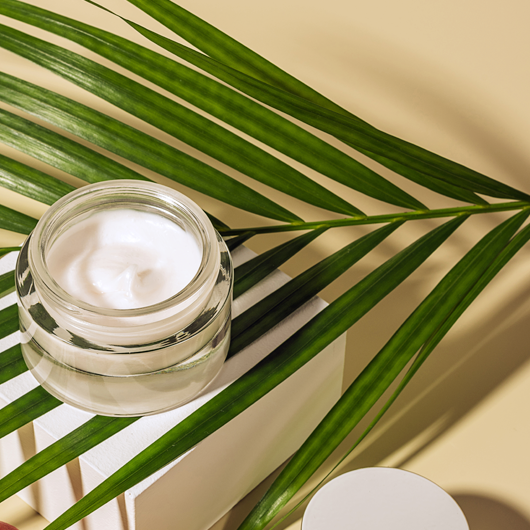


You're probably here because your skin care routine is either too basic or too confusing. Maybe you wash your face with whatever is near the sink, shave, slap on a random lotion if your skin feels tight, and hope that's enough. Or maybe you've looked into “natural” and “organic” products, then hit a wall of vague labels, trendy ingredients, and advice that sounds like it was written for someone with a ten-step routine and unlimited patience.
That's where organic skin care for men gets interesting. It doesn't have to mean complicated. It can mean choosing formulas with clearer ingredient stories, fewer unnecessary extras, and textures that make sense for skin that's often oilier, thicker, and regularly stressed by shaving. The point isn't perfection. It's building a routine you'll use.
Table of Contents
- Getting Started with Organic Skincare
- Why Your Skin Is Different and What It Needs
- Decoding Organic Ingredients for Men
- Your Daily Organic Skincare Blueprint
- Elevate Your Routine with Anti-Aging Support
- Simple DIY Skincare Recipes for Men
- How to Choose the Right Organic Products
Getting Started with Organic Skincare
Men's grooming isn't a fringe topic anymore. The global men's skincare market was estimated at USD 19.6 billion in 2024 and is projected to reach USD 31.7 billion by 2034, with rising interest in natural and organic products named as a key growth driver in Global Market Insights' men's skin care products market analysis. That tells you something important. More men are treating skin care like basic maintenance, not vanity.
What usually pushes someone toward organic options isn't ideology. It's frustration. A face wash leaves skin tight. A heavy cream feels greasy by noon. An aftershave stings. “Natural” starts to sound appealing because it suggests simplicity, but the label alone doesn't tell you whether a product will feel good on your skin or fit your routine.
That's why it helps to treat organic skin care for men as a decision-making process, not a trend. Start with what your skin deals with every day. Oil. Shaving. Dry indoor air. Sun exposure. Texture changes. Then match ingredients and formulas to those needs.
A good routine is often smaller than people think:
- One cleanser that doesn't leave your face squeaky or stripped
- One hydrator that feels comfortable, not heavy
- One daytime sunscreen with broad-spectrum protection
- One optional treatment if you want more support for texture or dryness
If you want a wider view of how ingredient transparency fits into clean beauty, Skin Perfection's organic clean beauty articles are a useful place to keep reading.
Organic skin care for men works best when it removes guesswork. The simpler the routine, the easier it is to stay consistent.
Why Your Skin Is Different and What It Needs
Male skin has its own operating system. If you've ever wondered why some products made for “all skin types” still feel wrong on your face, this is usually why.

What makes men's skin behave differently
Male facial skin is typically around 25% thicker than female skin and has higher collagen density, but it also tends to produce more sebum, which can lead to oiliness, larger-looking pores, and skin prone to blemishes, according to Eminence Organics' guide to men's skin care.
That combination confuses a lot of people. Thicker skin doesn't automatically mean your face can handle harsh products. More collagen density doesn't mean you can ignore hydration. And more oil doesn't mean your skin never gets dehydrated.
Think of it this way. Oily skin can still be thirsty. Your skin may produce shine on the surface while still feeling rough, tight, or uneven after washing or shaving. That's why strong cleansers and alcohol-heavy splash-on products often backfire. They remove too much, too fast.
What that means for product texture and routine design
For many men, the sweet spot is gentle cleansing, light hydration, and barrier support. A pH-balanced cleanser usually makes more sense than bar soap because soap can feel “clean” in the moment while leaving skin dry or irritated later. Lightweight gels, lotions, and emulsions also tend to sit better on oil-prone skin than dense, waxy creams.
Shaving changes the equation too. Even when you use a good razor, you're creating daily friction. That can leave skin looking red, uneven, or reactive. A routine built for men should account for that.
Here's a practical way to read your skin:
- If your face feels slick but tight, you likely need gentler cleansing and better hydration.
- If products sting after shaving, strip back fragrance and harsh exfoliants.
- If moisturizer feels suffocating, switch to a lighter texture rather than skipping hydration.
- If your nose and forehead stay shiny, focus on balance, not aggressive drying.
For readers who want to understand ingredient exposure in daily grooming products, Skin Perfection also has a useful collection on toxins in men's personal care products.
Practical rule: Men's skin often needs less force and more balance. Clean well, hydrate lightly, and avoid turning shaving into a daily stress test for your face.
Decoding Organic Ingredients for Men
Once you know your skin usually wants balance instead of brute force, ingredient labels become easier to decode. You don't need to memorize every botanical extract. You just need to recognize which ingredients tend to support comfort, hydration, and a better-looking finish.

Ingredients worth recognizing on a label
Some organic and plant-derived ingredients are popular for a reason. They tend to feel familiar to skin and fit well into straightforward routines.
| Ingredient Type | Examples | Why It's a Good Choice for Men's Skin |
|---|---|---|
| Lightweight oils | Jojoba oil, squalane | These usually feel less greasy than heavier oils and can soften skin without leaving a thick film. Jojoba is especially useful because it behaves similarly to skin's natural oil. |
| Soothing hydrators | Aloe vera, glycerin | Good when shaving leaves skin feeling warm, dry, or uncomfortable. They help skin feel calmer and better hydrated. |
| Water-binding ingredients | Hyaluronic acid, sodium hyaluronate, polyglutamic acid | These help pull and hold water near the skin surface so skin looks fresher and less dull. |
| Antioxidant-rich botanicals | Green tea, algae extracts | Often included in formulas meant to support a more rested, even-looking complexion. |
| Barrier-supporting ingredients | Triglycerides, gentle ferments | Useful when your face feels stripped after cleansing or shaving. |
A label-reading habit helps more than buzzwords do. If a product says “organic” on the front but the useful ingredients are buried at the bottom of the list, that tells you less than a clear ingredient deck with recognizable hydrators and soothing agents. Skin Perfection's guide to reading an INCI skin care label can help if ingredient lists still feel like another language.
One example of a formula style that fits this category is HydroGlow Anti-Aging Night Mask, which includes three types of hyaluronic acid, polyglutamic acid, jojoba, squalane, aloe, glycerin, sea silt ferment, and algae extract in a no-rinse overnight format. Factually, that makes it a useful example of a product built around hydration, barrier support, and a smoother-looking morning finish.
Ingredients that often cause regret
“Organic” isn't automatically gentle, and “synthetic” isn't automatically bad. Still, some ingredients are common triggers for disappointment, especially if your skin is oily, freshly shaved, or easily bothered.
Watch for these patterns:
- Harsh cleansing agents that leave your skin tight right after washing. If your face feels squeaky, the formula may be too aggressive for daily use.
- Strong fragrance blends that smell good in the bottle but make post-shave skin feel hot or reactive.
- Heavy, occlusive textures when your skin already runs oily. These can make the finish look shinier than you want.
- Botanical overload in sensitive skin. More plant extracts doesn't always mean better. Sometimes simple wins.
A good men's formula doesn't have to look impressive on paper. It has to feel comfortable at 7 a.m., after shaving, under sunscreen, and at the end of a long day.
Your Daily Organic Skincare Blueprint
The most effective routine is usually the one that doesn't feel like a second job. If you want organic skin care for men to stick, tie each step to a clear purpose. Clean. Hydrate. Protect. Keep it moving.

A key concern for men is post-shave irritation, and the strongest guidance here is simple: use gentle cleansing and barrier-supporting, non-irritating formulas instead of harsh astringents, as noted in La Mav's discussion of organic skin care products for men.
Morning routine
Your morning routine should make your skin look awake and feel comfortable, not overloaded.
-
Cleanse lightly
Use a gentle cleanser to remove overnight oil and sweat. If your skin is dry, you may not need a long wash. A short cleanse is often enough. -
Add water-based hydration
A serum or light gel can help skin feel smoother and less tight without adding grease. If you make your own formulas, Sodium Hyaluronate Powder Pure Hyaluronic Acid is a cosmetic-grade powder intended for DIY water-based serums and creams, with typical use concentrations of 0.1–2% and a stated molecular weight of 800–1500 Daltons. -
Moisturize if needed
If your sunscreen is already moisturizing enough, this step can be light. If not, add a simple lotion or gel-cream. -
Use broad-spectrum sunscreen
This is the one step that matters whether your products are organic or not. Daily sun protection does more for maintaining even-looking skin than most “hero” ingredients.
Evening routine
Night is when simplicity matters most. You're removing buildup, not trying to wage war on your face.
Try this sequence:
- Wash away sunscreen, oil, and city grime with a gentle cleanser
- Apply a hydrating layer while skin is still slightly damp
- Seal with a comfortable moisturizer if your face tends to feel dry overnight
If you're new to all this, Skin Perfection's beginner skin care routine articles can help you keep the routine realistic.
Shave routine
Shaving works better when you treat it like skin prep, not just hair removal.
- Before shaving use warm water and a gentle cleanser so the skin and hair feel softer.
- During shaving use enough slip. Dry dragging is what makes everything feel rough afterward.
- After shaving skip the harsh splash and go with a non-irritating hydrator or balm that supports comfort.
If your face feels like it needs to “recover” after shaving, the routine is too harsh somewhere.
Elevate Your Routine with Anti-Aging Support
A basic routine handles cleanliness and comfort. An upgraded routine focuses on how skin looks over time. That usually means hydration, smoother texture, and support for a firmer-looking finish.
Start with hydration, not hype
When men start looking for anti-aging products, they often jump straight to strong actives. In practice, hydration is the better first move. Skin that holds water well tends to look fresher, smoother, and less lined. That's why ingredients like hyaluronic acid and sodium hyaluronate show up so often in modern formulas. They help skin retain moisture and improve the look of surface dryness.
This matters even more if you shave often. Dry, rough-looking skin can make lines and uneven texture stand out more than they need to.
A useful way to think about anti-aging support is in layers:
- Hydration first with water-binding ingredients
- Barrier support second so skin stays comfortable
- Antioxidant or peptide support third if you want a more targeted routine
Choose support that fits real life
The best anti-aging routine is one you can repeat without irritation or fatigue. If a product only works when you use it perfectly, it probably won't stay in your cabinet for long.
Some men also combine topical skin care with professional treatments that focus on texture and appearance. If you're curious how in-office approaches fit into a broader routine, this overview of advanced PRP skin treatment offers useful context on microneedling with PRP and what people look for when they want more than at-home care.
Keep your expectations grounded. Anti-aging support isn't about making skin look unreal. It's about helping it look smoother, better hydrated, and more even over time.
Simple DIY Skincare Recipes for Men
DIY skin care appeals to a lot of men for one simple reason. It puts you in control. You know what went in, you can keep the formula minimal, and you can adjust texture without gambling on a mystery product.
That lines up with a broader category shift. The men's personal care market reached USD 75.38 billion in 2025 and is forecast to rise to USD 119.66 billion by 2030, a 9.6% CAGR, with premium, multifunctional, and clean-label products identified as growth drivers in The Business Research Company's men's personal care market report. DIY fits that movement because it gives people direct control over ingredient purity and formulation.

Recipe one hydrating gel serum
This is the easiest place to start.
You'll need distilled water, sodium hyaluronate powder, and a clean mixing container. Add a very small amount of powder to water and let it hydrate fully before stirring. The result should feel like a light gel, not a paste.
Why it works: a water-based hydrating layer can help skin feel plumper and smoother without the weight of a cream.
Recipe two simple after-shave comfort blend
Keep this one boring on purpose. Use aloe vera gel as your base, then add a plain, fragrance-free moisturizer if you want more cushion.
The point isn't to create a dramatic aftershave. The point is to avoid that hot, stripped feeling. If your skin already gets reactive after shaving, this kind of minimalist blend often makes more sense than a complicated botanical cocktail.
Less is often more after shaving. Comfort beats intensity.
Recipe three quick moisture booster
Take your usual unscented moisturizer and apply it over slightly damp skin. If you make your own products, you can incorporate a small water-binding step before the moisturizer so it spreads more easily and leaves a fresher finish.
This “recipe” barely counts as formulation, but it solves a common problem. Many men think they need a richer cream when they really need better water content under the cream.
If you want more hands-on ideas, Skin Perfection's face serum recipe collection is a practical resource for DIY experimentation.
How to Choose the Right Organic Products
Shopping often presents a challenge. The front of the bottle says “clean,” “natural,” “green,” or “organic,” but those words don't all mean the same thing. In this category, trust comes from what you can verify.
With weak standardization around those terms, consumers increasingly rely on verifiable certifications like EWG Verified or USDA Organic to reduce ambiguity, as discussed in Jackfir's article on why men choose organic skincare.

Use this checklist when you shop:
- Check the certification if the brand makes a strong organic or clean claim.
- Read the first part of the ingredient list to see what the formula is mostly made of.
- Match the texture to your skin behavior. Oily skin often prefers gels, fluids, and lighter lotions.
- Be careful with fragrance if you shave often or your skin gets reactive.
- Look for one clear job per product. A cleanser should cleanse well. A hydrator should hydrate well.
The bigger takeaway is simple. Don't ask whether a product is “organic enough.” Ask whether it has a believable formula, a texture you'll use, and claims you can verify.
If you want a practical starting point for cleaner formulas, DIY ingredients, and ready-made options that focus on hydration and visible skin improvement without the usual confusion, explore Skin Perfection.