

 Buy with Prime
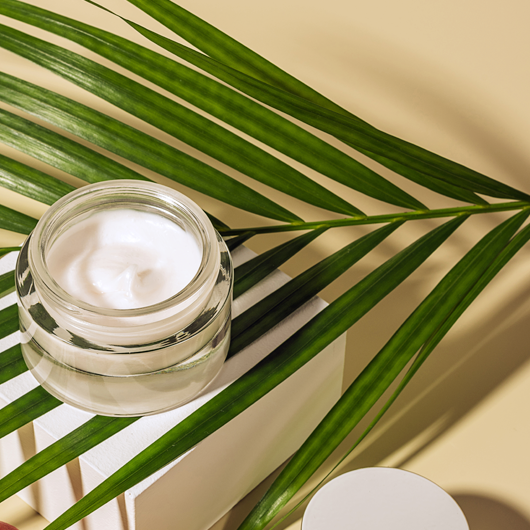


retinol facial oil
Retinol can soften fine lines, uneven texture, and dullness, but delivery matters. A barrier-first retinol facial oil surrounds vitamin A with skin-compatible lipids, helping mature, dry complexions receive anti-aging support without treating flaking as proof that a formula works.
Key Takeaways
- Retinol facial oil delivers vitamin A effectively by encapsulating it within skin-compatible lipids.
- This advanced delivery system offers anti-aging support for mature, dry complexions without causing irritation.
- Achieve smoother skin and a youthful glow by choosing formulations that protect your skin barrier.
- Effective retinol treatments improve skin texture and appearance, not by causing dryness or flaking.
Evaluate every formula through three questions: Does it support the moisture barrier? Is vitamin A protected from light and air? Can you introduce it gradually? The answers show whether you are choosing thoughtful treatment or chasing a stronger sensation.
Unlock Gentle Retinol Results: Why Facial Oil is Your Barrier's Best Friend
The Retinol Revolution: Beyond the Peel
Retinol is a vitamin A derivative that skin converts through several steps toward retinoic acid, which communicates with receptors inside skin cells. This signaling can support a smoother-looking surface, more even tone, and firmer-feeling skin over time. Peeling is not the goal. Progress depends on repeated application rather than dramatic overnight irritation.
Why Facial Oil is the Smart Choice for Retinol
Dry, mature skin often needs renewal support and lipid replenishment. Water-based serums can deliver an active efficiently, while a well-made oil adds emollience. Botanical oils can fill spaces between surface skin cells, reduce roughness, and slow moisture loss. This makes an oil-based vitamin A treatment appealing for tightness, visible flakes, or a weakened moisture barrier. The finish should feel silky rather than heavy, with non-comedogenic oils selected for skin compatibility.
Understanding Lipid Delivery: How Oils Nourish and Stabilize Retinol
Retinol is oil-soluble, so a lipid carrier can keep it dispersed while delivering fatty acids to the skin surface. Linoleic and oleic acids are components of the skin’s natural lipid environment. Research from the Skinstitut consumer panel found that lipid-buffered vitamin A oil blends produced zero irritation for 91% of participants, while 88% reported softer, more supple texture after four weeks. The same research notes that lipophilic carrier oils can minimize transepidermal water loss compared with pure alcohol or glycol bases.
Addressing Common Fears: Redness, Dryness, and Irritation Solved
Mild dryness can occur during adjustment, especially with frequent applications or exfoliating acids. Severe burning, persistent swelling, or intense redness is a signal to stop and seek professional guidance. Sensitive or rosacea-prone skin should begin with a patch test and low-frequency plan, avoiding visibly inflamed areas. The 2.5% Retinol Moisturizer offers a moisturizer-based option for readers who want vitamin A in a cushioning cream format. Use the concentration and texture your skin can tolerate consistently.
Formulation Deep Dive: Carrier Oils, Actives, and Stability for Mature Skin

The Power Duo: Retinol and Botanical Carrier Oils
Carrier oils create slip and provide skin-conditioning lipids. Squalane mimics a lightweight component of surface sebum and reduces tightness. Jojoba has a wax-ester structure that leaves a smooth finish. Rosehip contributes essential fatty acids and naturally occurring carotenoid compounds, while argan oil supplies emollient lipids and tocopherols. A balanced lipid matrix should absorb without a greasy film, clogging-prone feel, or heavy pillowcase residue.
Carrier Oil Spotlight: Squalane, Rosehip, Jojoba, and Argan
Read the ingredient list as a formulation map. The position of each carrier, antioxidant presence, and skin feel all matter. Mature skin may appreciate a blend, while acne-prone skin often prefers lighter, fast-absorbing lipids.
| Carrier oil | Texture profile | Barrier contribution | Best formulation question |
|---|---|---|---|
| Squalane | Light and silky | Reduces surface roughness and moisture loss | Does it leave a breathable finish? |
| Rosehip | Light to medium | Provides fatty acids and botanical antioxidant support | Is the oil protected from oxidation? |
| Jojoba | Silky, wax-like | Helps soften and condition the outer layer | Does the blend suit your pore and shine preferences? |
| Argan | Medium and nourishing | Supports suppleness with emollient lipids | Is the proportion comfortable for dry skin? |
Gentle Actives Pairing: Bakuchiol and Vitamin A for Synergistic Anti-Aging
Bakuchiol is a plant-derived ingredient used in formulas focused on fine lines and uneven texture. It is not retinol, yet it can complement a vitamin A routine with a non-retinoid approach to smoothing. Antioxidants such as vitamin E help defend oils from oxidation and support the skin’s response to environmental stress. Keep pairing restrained: too many exfoliants, essential oils, or high-strength actives can overwhelm dry skin.
The Science of Stability: Why Packaging and Formulation Matter for Potency
Light, oxygen, heat, and repeated exposure can degrade retinol. Choose opaque or dark packaging with a secure pump, airless dispenser, or tightly sealed dropper. Antioxidant support and clear storage instructions are useful. EWG Verified standards, paraben avoidance, and transparent ingredient labeling can help shoppers assess a clean formulation, but “natural” alone does not confirm potency. Stability testing and sensible packaging are stronger signals.
Retinol Concentration Explained: Finding Your Starting Point for Dry, Mature Skin
Dry skin should not begin with the highest percentage. Start with the lowest effective concentration, apply a small amount to completely dry skin, and allow several weeks for tolerance. If skin remains calm, assess whether increased frequency is appropriate before seeking a stronger formula. The 2.5% Retinol Moisturizer can suit experienced users who already tolerate vitamin A and want a clearly labeled moisturizer format. Anyone with persistent redness, eczema, or rosacea symptoms should consult a dermatologist first.
Spotlight on Derma E Anti-Wrinkle Treatment Oil: A Clean Formula Analysis
Derma E Anti-Wrinkle Treatment Oil is designed for shoppers who want vitamin A in a nourishing, oil-based format. This type of retinol facial oil can suit dry or mature skin because the active is surrounded by emollients rather than delivered in a fast-drying alcohol or glycol base. Review the vitamin A form, carrier oils, antioxidant support, packaging, fragrance components, and your tolerance before adding it to an evening routine.
Derma E's Approach: Key Ingredients and Their Benefits
The formula combines a vitamin A ingredient with botanical oils, including rosehip and grapeseed oil, plus vitamin E. Rosehip contributes fatty acids and plant compounds that support a softer surface. Grapeseed oil offers a lighter texture and contains linoleic acid, which may suit skin that dislikes a greasy finish. Vitamin E functions as an antioxidant within the oil phase and supports the formula against oxidative stress.
Vitamin A supports cell renewal and the look of fine lines, while fatty acids reduce roughness and tightness. Botanical richness does not guarantee tolerance. Fragrance, essential oil components, or a rich lipid profile may concern reactive or congestion-prone skin. Read the complete ingredient list.
Retinol, Bakuchiol, and Antioxidant Synergy: A Closer Look
Vitamin A and bakuchiol serve different roles. Retinol converts in skin through intermediate steps toward retinoic acid, which communicates with cellular receptors involved in renewal. Bakuchiol is a plant-derived, non-retinoid ingredient used for uneven texture and fine lines. Antioxidants such as tocopherol support the oil phase and help protect vulnerable ingredients from oxidation. This pairing can support a routine, but gradual use remains necessary.
For sensitive or rosacea-prone skin, do not stack several strong actives. Avoid exfoliating acids, abrasive scrubs, or another vitamin A product on the same night. A patch test and low-frequency schedule provide more useful information than a dramatic first application.
How Derma E's Oil Compares: Formulation Strengths and Considerations
A barrier-first assessment focuses on practical performance. These checkpoints can help you judge whether the oil fits your complexion and routine.
| Formulation feature | Potential benefit | What to assess |
|---|---|---|
| Vitamin A in an oil base | Provides emollience alongside renewal support | Can your skin tolerate the active without persistent redness? |
| Rosehip and grapeseed oils | Supply conditioning lipids with a lighter botanical feel | Does the finish feel comfortable instead of greasy? |
| Vitamin E | Offers antioxidant support within the oil phase | Is the bottle protected from heat, light, and air? |
| Clean-label positioning | May appeal to shoppers avoiding parabens and selected additives | Does the complete ingredient list meet your personal standards? |
Is Derma E the Right Fit for Your Barrier-First Routine?
This treatment may suit dry, normal, or mature skin seeking a conditioning texture and gradual vitamin A introduction. It may be less suitable for people who react to fragranced skincare, prefer a weightless serum, or develop clogged pores from richer botanical oils. Apply a few drops to dry skin and follow with moisturizer if tightness remains. Persistent burning, swelling, or intense peeling calls for discontinuation and professional advice.
Beyond Derma E: Exploring Clean, Potent Alternatives, Including Skin Perfection's Philosophy
Clean skincare should be judged by cosmetic science. Look for a clearly identified vitamin A ingredient, protective packaging, compatible lipids, antioxidant support, and gradual-use instructions. Skin Perfection’s philosophy combines clinically studied actives with transparent formulation and precision peptides. For readers who prefer cream over facial oil, the 2.5% Retinol Moisturizer provides a clearly labeled option for experienced vitamin A users. The 2.5% Retinol Moisturizer should not be treated as a beginner strength because it is in a moisturizer. Tolerance, frequency, and barrier condition remain the deciding factors.
Your Gentle Retinol Facial Oil Routine: Layering, Frequency, and SPF Essentials
The Sustainable Gentle Schedule: Mastering the 3-Night-a-Week Approach
Begin with two evenings per week for the first couple of weeks. If there is no persistent stinging, scaling, or redness, move toward three nonconsecutive nights. This allows barrier recovery while maintaining vitamin A exposure. Use a pea-sized amount for the entire face if the product is a cream, or two to three drops if it is an oil. More product does not create faster collagen support; it usually creates more irritation.
Keep evening treatment calm: gentle cleanser, hydrating layer, moisturizer, and vitamin A. Delay exfoliating acids, benzoyl peroxide, and strong brightening agents until tolerance is reliable.
Layering Logic: Where Does Retinol Oil Fit, Before or After Moisturizer?
Apply the oil after cleansing and after lightweight water-based products absorb. Completely dry skin receives the active more directly, while moisturizer underneath can soften intensity. For especially dry or reactive complexions, use the sandwich method: moisturizer first, treatment second, and another thin moisturizer layer afterward. Avoid facial oil over sunscreen in the morning because it can disturb an even protective film.
Evening Ritual: Step-by-Step Application Guide
- Remove makeup and sunscreen with a non-stripping cleanser.
- Pat the face dry and wait until no dampness remains.
- Apply moisturizer first if your barrier is easily irritated.
- Distribute a small amount across the forehead, cheeks, and chin, avoiding eyelids, nostril creases, and lips.
- Finish with moisturizer where dryness tends to appear.
- Wash your hands and keep the container closed in a cool, dark location.
Morning Mandate: The Non-Negotiable Role of Daily SPF
Use broad-spectrum sunscreen every morning, including indoors near bright windows. Vitamin A can make adjustment more noticeable, while ultraviolet exposure contributes to collagen breakdown, uneven pigmentation, and fine lines. Choose SPF 30 or higher, apply generously to the face and neck, and reapply during extended outdoor activity.
Troubleshooting: Navigating Mild Purging and Sensitivity
Temporary dryness or mild flaking can occur during adjustment, but intense burning, swelling, cracking, or persistent redness is not required for effective skincare. Stop the active, use a bland moisturizer, and let the barrier recover. A true purge is more likely where breakouts normally occur; widespread irritation suggests intolerance. Resume at lower frequency only after skin is calm, or ask a dermatologist for guidance.
Retinol Oil vs. Other Retinoids: A Cost-Benefit and Efficacy Comparison for Mature Skin
A retinol facial oil is one option within the vitamin A family. The best choice for mature skin depends on tolerance, treatment goals, prescription access, and willingness to manage dryness. Stronger does not always mean better. A formula that causes persistent peeling may remain unused, while a gentler product used consistently can support gradual improvement in fine lines, uneven tone, and rough texture.
Understanding the Retinoid Spectrum: From OTC to Prescription
Over-the-counter retinol must convert within skin before reaching retinoic acid, which binds to retinoid receptors. Retinal requires fewer conversion steps, while prescription tretinoin is already a retinoic acid form and acts more directly. Speed and irritation vary with the vehicle, concentration, schedule, and barrier condition. Retinyl esters are generally milder, while retinol and retinal may offer a more noticeable cosmetic effect with careful introduction.
| Option | Primary consideration | Best fit | Barrier concern |
|---|---|---|---|
| Retinyl ester | Gentler vitamin A derivative | Very sensitive beginners | Progress may be gradual |
| Retinol oil or cream | Balances visible care with gradual use | Dry, mature skin seeking comfort | Still requires sunscreen and spacing |
| Retinal | Fewer conversion steps than retinol | Experienced users wanting more activity | May cause more dryness |
| Prescription tretinoin | Direct retinoic acid activity | Clinician-supervised treatment goals | Peeling and irritation may be significant |
The “Peel vs. Treat” Dilemma: Retinol Oil vs. Harsh Tretinoin for Dry, Mature Skin
Visible peeling is not proof that a retinoid is rebuilding collagen effectively. Tretinoin can be valuable, but its direct activity may feel too aggressive for thin, dry, or reactive skin without clinical supervision. A lipid-based vitamin A product takes a slower path, pairing an active with emollients that reduce tightness. People with eczema, rosacea-prone redness, or persistent inflammation should ask a dermatologist about the appropriate retinoid rather than self-escalating strength.
Cost-Per-Benefit Analysis: When Is a Premium Oil Worth It?
Compare more than bottle price. Assess usable product, active transparency, packaging, carrier oils, antioxidant support, texture, and how often irritation interrupts application. A low-cost prescription may offer direct retinoic acid activity, yet involve an appointment, insurance variables, and additional barrier-repair products. A premium oil may earn its place when its vehicle improves comfort enough to support consistent use. Paying more is sensible only when the formula delivers a texture and tolerance profile you can maintain.
Why Clean Formulations Support Better Results: Skin Perfection’s Commitment
Clean formulation should mean more than a botanical image. Skin Perfection evaluates cosmetic science through ingredient transparency, clinically studied actives, peptide technology, sensible preservation, and packaging that protects light-sensitive vitamin A. The 2.5% Retinol Moisturizer illustrates a cream-based route for experienced users who want vitamin A within a cushioning moisturizer. Review the full ingredient list if fragrance, essential oils, or rich lipids trigger your skin.
Making Informed Choices for Lasting Radiance
Choose the least intensive option that matches your goal and allows regular application. Start with low frequency, use broad-spectrum SPF, and judge progress over months rather than after one night. The 2.5% Retinol Moisturizer may suit a seasoned user, but it is not automatically appropriate for a beginner because it has a moisturizer base. For dry, mature complexions, a well-designed retinol facial oil can sit between basic hydration and prescription-level intensity. The best result is the treatment your barrier can tolerate consistently.
Frequently Asked Questions
What does retinol oil do for your face?
Retinol facial oil supports a smoother-looking surface, more even tone, and firmer-feeling skin over time. The oil-based delivery system also supplies emollient lipids that can soften roughness and reduce moisture loss, making it appealing for dry or mature complexions. Consistent use matters more than peeling or intense sensation.
What do Koreans use instead of retinol?
Bakuchiol is a plant-derived ingredient often considered a retinol alternative in gentle skincare routines. Bakuchiol is not retinol or vitamin A, yet it can complement a facial oil routine focused on fine lines and uneven texture. Skin tolerance still guides the best choice, especially for sensitive or easily irritated complexions.
Can you use retinol and face oil together?
Retinol and face oil can be used together when the formula is designed as a retinol facial oil. A lipid carrier can surround oil-soluble retinol while conditioning the skin surface, which may support comfort for dry complexions. Introduce the product gradually, apply a small amount to completely dry skin, and monitor tolerance.
What works 11 times faster than retinol?
No ingredient in this retinol facial oil article is shown to work 11 times faster than retinol. Retinol supports gradual improvements in fine lines, texture, and dullness through repeated use, while dramatic speed claims need reliable, product-specific evidence. A lower-strength formula used consistently may be more helpful than an irritating stronger option.
What should you not use with retinol oil?
Retinol oil should not be paired casually with several strong exfoliating acids or high-strength actives, since the combination may overwhelm dry or sensitive skin. Keep the routine restrained and avoid visibly inflamed areas while your skin adjusts. Severe burning, persistent swelling, or intense redness calls for stopping use and seeking professional guidance.
How should beginners start using a retinol facial oil?
Beginners should start a retinol facial oil at the lowest effective concentration and use it infrequently while assessing tolerance. Apply a small amount to completely dry skin, give the routine several weeks, and increase frequency only if the skin remains calm. Dark, tightly sealed packaging also helps protect retinol from light and air.
Is retinol facial oil good for dry, mature skin?
Retinol facial oil can suit dry, mature skin when its retinol is buffered with compatible lipids and the finish feels breathable rather than heavy. Oils such as squalane, jojoba, rosehip, and argan can provide surface conditioning while helping slow moisture loss. Choose the concentration and texture your skin can use consistently.