

 Buy with Prime
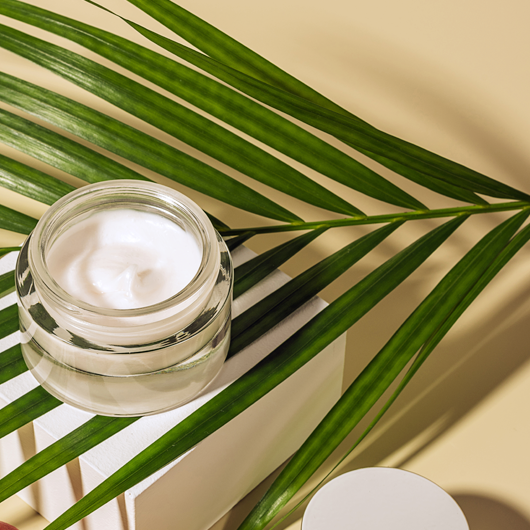


A client once told me her skin always looked best after the simplest routine. Gentle cleansing, a well-made lotion, and one nourishing plant oil. The ingredient she kept coming back to was rice bran because it made her skin look softer, calmer, and more polished without feeling heavy.
An Ancient Secret for Modern Radiance
For generations, rice has had a place in beauty rituals across Asia. People noticed that rice-derived preparations left skin feeling smoother and looking fresher, long before ingredient labels and lab reports became part of daily skincare language.
What matters now is that modern formulators do not have to rely on tradition alone. They can work with rice bran, the nutrient-rich outer layer of the rice grain, in forms that are more stable, more targeted, and easier to use in well-designed cosmetic products.
Why the bran matters
Rice itself is familiar. Rice bran is the part many people overlook.
When rice is milled, the bran is removed from the grain. In skincare, that outer layer is valuable because it contains lipids, antioxidant compounds, and supportive plant molecules that help explain why rice-derived ingredients have stayed relevant for so long.
That is where many readers get confused. They hear “rice water,” “rice ferment,” “rice bran oil,” and “rice bran extract” used almost interchangeably.
They are not the same thing.
- Rice water is the water associated with soaking or rinsing rice.
- Rice bran oil is the oil fraction pressed or extracted from the bran.
- Rice bran extract is a concentrated extract of compounds from the bran.
- Fermented rice bran extract is rice bran processed with fermentation to make certain compounds more accessible.
Each form behaves differently in a formula. Each can create a different skin feel.
From kitchen tradition to cosmetic ingredient
What makes rice bran especially interesting today is that it sits comfortably between heritage and formulation science. It is familiar enough to feel approachable, yet advanced enough to appear in modern serums, creams, and treatment products.
That combination is rare.
A plant ingredient often leans one way or the other. It is either a nostalgic story with vague performance, or a strong performer with no emotional connection for the user. Rice bran has both.
If you enjoy learning about plant-based actives with a long beauty history, this guide to best natural ingredients for skin offers a helpful wider view of where rice bran fits.
Tip: When a traditional ingredient survives into modern formulation, it usually means formulators found a reliable reason to keep using it.
Why formulators keep reaching for it
Rice bran can support a formula in more than one way. It can add slip, softness, and nourishment through its lipid fraction. In extract form, it can contribute antioxidant support and improve the overall feel of a routine focused on comfort, hydration, and visible smoothness.
That broad usefulness is part of the appeal.
A single ingredient that can work in oils, lotions, serums, emulsions, and masks gives both professionals and DIY makers room to design around skin feel, not just marketing language. That is one reason rice bran benefits for skin continue to attract attention from estheticians, home formulators, and people who want a routine that feels elegant and dependable.
The Science Behind the Glow Key Compounds in Rice Bran
A formulator does not look at rice bran and see one vague botanical. We see a layered raw material. Its unsaponifiables, antioxidants, sterols, and fatty acids each contribute a different part of the final skin result.
That is why rice bran can feel deceptively simple.

Gamma-oryzanol as daily backup
Gamma-oryzanol is one of rice bran’s signature compounds, and it helps explain why the ingredient appears so often in formulas designed to support a fresh, less stressed look. It belongs to the part of rice bran chemistry that gives antioxidant support, which matters because daily exposure to light, pollution, and routine environmental stress can leave skin looking dull and tired.
It works like a protective support layer inside the broader ingredient profile.
Rice bran oil is often discussed alongside other antioxidant-rich botanicals in routines built around environmental support. This overview of green tea extract for skin and antioxidant-focused routines is useful context because green tea and rice bran are frequently paired for that reason.
For the user, the visible effect is not "gamma-oryzanol" in isolation. It is skin that looks calmer, less worn out, and better supported by the formula around it.
The vitamin E complex as a support team
Rice bran also contains a vitamin E complex, including tocopherols and tocotrienols. These molecules matter both for skin feel and for formula design. In practical terms, they help explain why rice bran oil often feels softer and more refined on the skin than people expect from a plant oil.
They function like a maintenance crew for the oil phase, helping protect the ingredient itself while contributing a conditioned after-feel on application.
That is an important distinction for DIY makers. A good ingredient should not only sound impressive on a label. It should also help create a product that spreads evenly, feels comfortable, and leaves skin with a nourished finish rather than a heavy residue.
Ferulic acid as a refining helper
Ferulic acid adds another layer to the rice bran profile. Skincare users often hear about it in brightening formulas, but the useful cosmetic point is simpler. It offers antioxidant support and fits naturally into products aimed at improving the look of dull or uneven skin tone.
That combination makes rice bran more versatile in formulation.
A serum or emulsion built with rice bran is not limited to one cosmetic goal. Its chemistry allows a formulator to support comfort and visual refinement at the same time, which is why the ingredient adapts well to both barrier-focused and radiance-focused products.
Essential fatty acids as barrier mortar
The fatty acid fraction is where rice bran becomes very practical for everyday use. Rice bran oil contains oleic acid and linoleic acid, and those lipids matter because the surface of skin relies on a well-organized lipid matrix to stay smooth, flexible, and comfortable.
A brick wall is a useful comparison here. Skin cells are the bricks. Intercellular lipids are part of the mortar that keeps the structure intact.
When that lipid mortar is supported, the surface tends to feel less tight and look less rough. This is one reason rice bran works well in creams, cleansing oils, balm-to-milk products, and barrier-support serums. The chemistry connects directly to a result the user can see and feel.
Squalene and skin feel
The infographic highlights squalene for a good reason. Some ingredients improve the user experience through elegance rather than dramatic visible change, and that still matters. Squalene contributes slip, softness, and flexibility, which helps a formula spread well and leave a cushioned finish.
Here, formulation stops being abstract chemistry and becomes practical craft.
A product can contain excellent actives and still disappoint if it drags, feels greasy, or interferes with sunscreen and makeup. Rice bran is useful because its compound profile supports both cosmetic performance and refined texture.
Quick reference table
| Compound group | What it helps with cosmetically | How to think about it |
|---|---|---|
| Gamma-oryzanol | Antioxidant support | A daily shield |
| Vitamin E complex | Nourishing, conditioning feel | A maintenance crew |
| Ferulic acid | Smoother, brighter-looking finish | A refining helper |
| Essential fatty acids | Barrier support and moisture retention | Mortar between bricks |
| Squalene | Emollient slip and softness | Cushion and glide |
Key takeaway: Rice bran benefits for skin make more sense when you view it as a collection of useful compounds, each one contributing to how the finished product feels, performs, and looks on the skin.
How Rice Bran Visibly Improves Your Skin
A good ingredient story should always end at the mirror. People do not buy compounds. They buy the look and feel those compounds help create.
Rice bran earns attention because its chemistry maps well to visible cosmetic outcomes. Softer texture. Better-looking comfort. A more even, less stressed appearance.
A calmer-looking complexion
One of the clearest visible examples comes from a clinical study on a rice bran-derived phytosterol ester. In that study, the formulation reduced the appearance of facial redness by an average of -1.15 points on a standardized visual assessment scale after 4 weeks (Fortune Journals clinical study).
That number matters because redness is hard to hide and easy to notice.
For a user, the visible takeaway is simple. Skin can look more even, less blotchy, and more comfortable when a formula supports the barrier well and includes rice bran-derived soothing lipids and antioxidant compounds.
Better hydration shows up fast
Hydration is not only about how skin feels. It changes how skin looks.
When the outer layer holds moisture better, the surface usually appears smoother and more supple. Fine dry lines can look less obvious. Foundation and concealer are less likely to catch on rough areas.
This is one reason people looking into rice bran benefits for skin often describe it as giving a “fresh” or “rested” look. That impression usually comes from better moisture retention and a more flexible skin surface.
If barrier support is a major goal in your routine, this resource on how to strengthen skin barrier is useful because it explains the bigger context around why lipid-rich ingredients matter.
A smoother surface and more polish
Rice bran is also appealing for skin that looks dull or uneven. Part of that comes from the way its lipid content smooths rough-looking texture. Part comes from compounds such as phytic acid and ferulic acid, which are commonly associated with formulas aimed at brighter-looking skin and a more refined surface.
A common mistake often occurs at this point. People expect “brightening” to mean bleaching or a harsh peel effect.
That is not what a well-formulated rice bran product is about.
It is more about helping the skin look clearer, more polished, and less flat. The visual change tends to be subtle and cumulative.
Why barrier support changes appearance
Many visible skin concerns trace back to one simple issue. The skin surface is not functioning as comfortably as it could.
When the barrier is under-supported, the face may look rough, uneven, or reactive. When the barrier is supported, the same skin often looks smoother and more balanced without dramatic intervention.
That is why rice bran fits so well into routines built around:
- Dry-feeling skin
- Skin that looks patchy or tired
- Blemish-prone skin that still needs lightweight nourishment
- Mature skin that benefits from more cushioning
- Seasonal routines when cold weather makes skin look dull
The visible logic in one glance
| Skin goal | Rice bran connection | What you may notice |
|---|---|---|
| Less visible redness | Phytosterol ester and supportive lipids | A more even-looking tone |
| More comfort | Barrier-friendly fatty acids | Less tight, dry-looking skin |
| More glow | Antioxidant and refining compounds | Fresher-looking skin surface |
| Softer texture | Emollient oil fraction | Better slip and smoothness |
Tip: If your skin looks dull and dehydrated at the same time, rice bran often makes more sense than a stronger exfoliating approach.
A Look at the Scientific Evidence
Rice bran has a compelling traditional story, but measurable data gives it more weight. The most useful studies here are not about dramatic promises. They are about observable changes in skin structure and moisture-related performance.
What the 2025 study measured
A 2025 study in Frontiers in Pharmacology reported that a fermented rice bran extract led to significant improvements in skin structure in vivo. Mouse model tests showed a 10% increase in dermal collagen content and more than 10% improvement in both skin moisture content and elastic coefficient after 28 days of application (Frontiers in Pharmacology study).
Those are cosmetic-relevant measurements because they connect to the qualities people usually want from skincare. Better-looking firmness. More hydration. A surface that appears less dry and more resilient.
Why fermentation matters in this context
Fermentation is easy to romanticize, so it helps to stay practical. In this case, the study describes fermentation as part of a process that increases the yield and accessibility of functional components.
In other words, fermentation can help make rice bran’s useful compounds more available in an extract.
That does not mean every fermented ingredient is automatically better. It means the processing method can change how an ingredient performs and how effectively its compounds interact in a formula.
What this means for product design
A formulator reading these findings would not jump straight to “miracle active.” A careful formulator would see a different opportunity.
They would see an ingredient that can support formulas aimed at:
- Improved skin feel
- A more hydrated appearance
- Better visible elasticity
- Supportive structure in anti-aging style formulas
That is a stronger and more realistic interpretation.
Reading the evidence like a smart consumer
Not all evidence answers the same question. A cell study shows one kind of activity. An in vivo model gives another kind of insight. A facial appearance score tells you something else.
For cosmetic decision-making, the key is to ask: does the evidence align with the visible outcome the product is designed to support?
With rice bran, the answer is often yes.
The data points are not random. They cluster around barrier support, moisture, visible comfort, and structural qualities linked to firmness and elasticity. If you enjoy this kind of ingredient-to-outcome analysis, the articles in the science of beauty are worth browsing.
Key takeaway: The strongest case for rice bran is not one dramatic claim. It is a pattern of measurable support for hydration, structure, and visible skin quality.
Your Practical Guide to Using Rice Bran

A good rice bran product often starts with a very ordinary question in the lab: what form are we using?
That question matters because “rice bran” is not one single ingredient. Rice bran oil behaves like an emollient oil. A rice bran extract behaves more like an active. A fermented rice bran ingredient can bring a different skin feel and a different place in the formula. If you choose the wrong form, the product can still be pleasant, but it may not deliver the kind of result you expected.
Start there.
Choose the form that matches your goal
If your main goal is softness and a more comfortable skin feel, rice bran oil is the easiest option. It fits naturally into facial oils, creams, balms, and lotions.
If you want a more treatment-style product, choose a rice bran extract or fermented rice bran extract. Those forms are usually better suited to serums and emulsions where the formula is built around visible skin improvement, not just slip and nourishment.
If texture is your top priority, place rice bran inside an emulsion rather than using it as a straight oil. That gives you the cushioning effect of an oil with the lighter finish of a lotion.
A simple way to remember it is this: oil changes feel first, extracts change function first.
How much to use
Formulation guidance commonly places rice bran oil at modest use levels in emulsions and rice bran extracts at lower levels, with mildly skin-friendly pH targets for finished formulas. In practice, that means you do not need to overload a formula for rice bran to be useful. A well-built lotion with a sensible amount of rice bran often performs better than a heavy product that leaves a waxy film.
For home formulators, restraint is part of the craft.
Too much rice bran oil can make a serum feel rich in the bottle but greasy on the face. Too much extract can complicate stability, especially if the rest of the formula is not designed around it.
Where rice bran fits in a routine
Rice bran works best when you place it where its form makes sense.
- Morning: Use a lotion or light cream with rice bran under sunscreen if your skin tends to look dry or flat by midday.
- Evening: Apply a few drops of a rice bran oil blend after a hydrating serum to reduce moisture loss and improve slip.
- Dry patches: Press a small amount over cheeks or around the mouth after moisturizer.
- Cold weather: Increase use when indoor heat and wind leave skin feeling tight.
If you want the routine side of glow, not just the ingredient side, this guide to natural daily rituals for glowing skin pairs well with a rice bran formula because it focuses on habits you can maintain.
DIY recipe for a radiance facial oil
This is the cleanest place to start because an anhydrous oil blend does not need an emulsifier or a broad-spectrum preservative.
Formula
- Rice bran oil
- Jojoba oil
- Squalane
- Tocopherol (vitamin E)
Rice bran oil gives body and cushion. Jojoba helps keep the finish from feeling too heavy. Squalane improves spreadability. Tocopherol supports the stability of the oil phase.
Method
- Sanitize your beaker, stir tool, and bottle.
- Weigh each ingredient accurately.
- Stir until the blend looks fully uniform.
- Transfer to a clean bottle.
- Label the batch with the date and formula.
How to use it
Apply a few drops to slightly damp skin, or over a water-based serum. If your moisturizer already feels rich, use the oil only on the driest areas.
DIY recipe for a barrier-supporting daily lotion
A lotion gives you more control. You can combine water humectants, an emulsifier, rice bran oil, and a preservative into one product that feels lighter and more balanced than a straight oil.
Formula structure
Water phase
- Distilled water
- Glycerin
Oil phase
- Rice bran oil
- Optional lightweight secondary oil
- Emulsifier
Cool-down phase
- Broad-spectrum preservative
- Optional fragrance-free supportive extract
Method
- Heat the water phase and oil phase separately according to your emulsifier supplier’s instructions.
- Combine the phases and mix until the emulsion forms.
- Continue mixing as the lotion cools.
- Add the preservative during cool-down at the supplier’s recommended temperature.
- Check and adjust pH if needed so the finished product stays in a mild, skin-appropriate range.
- Fill into a clean pump bottle or airless container.
If that sounds more technical than the oil serum, it is. Lotion making is less forgiving because water changes everything. Once water is present, preservation, pH, and process control all matter.
Common mistakes that change the result
| Mistake | What usually happens | Better approach |
|---|---|---|
| Using rice bran oil as if it were an active extract | The product feels nice but may not match your treatment goal | Decide first whether you want emollience or active support |
| Adding too much oil | The finish feels greasy or heavy | Start lower and adjust after testing skin feel |
| Skipping preservative in a lotion | The product becomes unreliable and unsafe to store | Preserve every water-based formula |
| Ignoring final pH | Stability and skin comfort can both suffer | Test pH after cool-down and adjust if needed |
| Buying vague raw materials | Performance becomes inconsistent from batch to batch | Use well-documented cosmetic-grade suppliers |
Who tends to do well with rice bran
Rice bran is often a good match for people who want comfort, softness, and a smoother-looking finish without using a thick occlusive oil. It can also suit formulators who want one ingredient that plays two different roles, depending on form. The oil helps with emollience. The extract route gives you more room to build a treatment-style product.
That flexibility is what makes rice bran interesting in practice. It is not just an old beauty ingredient with a nice story. It is a useful raw material with multiple forms, each linked to a different cosmetic job.
How Rice Bran Complements Peptides and Stem Cells
Advanced actives get most of the attention. Peptides sound high-tech. Plant stem cell extracts sound cutting-edge. Rice bran sounds humble by comparison.
In a strong routine, that is exactly why it matters.
Foundational ingredients make advanced actives easier to appreciate
A routine works best when the skin surface is comfortable, hydrated, and visually settled. If the outer layer looks rough or feels dry, even an advanced serum can seem underwhelming.
Rice bran helps create a better cosmetic canvas.
The verified data notes that fermented rice bran extract showed a 10% increase in collagen content in studies and that this extracellular matrix support provides a foundational benefit that can support the function of other actives, including peptides aimed at visible signs of aging (PMC article on fermented rice bran extract).
That is the key idea. Not replacement. Support.
Why peptides pair well with rice bran
Peptides are often used in routines focused on the look of firmness, bounce, and smoother texture. Rice bran fits beside them because it helps support the conditions that make those visible goals easier to pursue.
Think of it this way.
A peptide serum can be the specialist. Rice bran can be the steady base layer that improves moisture balance, softness, and overall surface quality.
That pairing often feels more satisfying than using either type of ingredient alone.
If you want a practical primer on peptide products themselves, this guide to what is peptide serum gives useful context.
Where stem cell conversations fit
Plant stem cell extracts in skincare and mammalian stem cell work in laboratory research are not the same thing, and it helps to keep those worlds distinct. For readers who like understanding the lab side of cell culture tools, this overview of mammalian stem cell research offers background on a different scientific context.
In cosmetic formulation, the takeaway is simpler. More advanced actives tend to perform best in routines that also respect barrier feel, hydration, and formula elegance.
Rice bran contributes to that foundation.
A practical pairing model
- Rice bran lotion in the morning: supports comfort and a smooth finish
- Peptide serum at night: targets visible aging concerns
- Plant stem cell extract formula as a treatment layer: adds a focused specialty step
- Rice bran oil as a finishing layer when needed: improves slip and softness
This approach keeps roles clear.
Rice bran is not there to compete with more specialized ingredients. It is there to make the routine feel more complete, more balanced, and often more wearable day after day.
Key takeaway: The best partner ingredients are not always the flashiest. Sometimes the ingredient that improves the skin’s baseline feel is the one that makes the whole routine look better.
Safety and Best Practices for Radiant Results

Rice bran is generally considered approachable in skincare, but responsible use still matters. The safest routine is the one that respects both ingredient quality and your own skin’s history.
Start with a patch test
Anyone can react to a new product, even one with a gentle reputation. If you have a known rice allergy, skip rice bran ingredients.
For everyone else, patch testing is the smart first step.
Simple patch test method
- Apply a small amount of the product to a discreet area, such as the inner arm or along the jawline.
- Leave it on as directed for that product type.
- Watch the area over the next day or two for signs that the product does not agree with your skin.
- If the area stays comfortable, begin using the product on a small section of the face before full use.
Choose quality over trendiness
The ingredient name matters, but so does the quality of the raw material.
Look for:
- Fresh-smelling oil
- Proper packaging, especially for oils that should be protected from light and air
- Clear formulation details
- A complete preservative system in any water-based product
- Reasonable product design, not exaggerated promises
Cold-pressed options are often attractive to ingredient-conscious buyers, but the best choice depends on the final formula and how the supplier handles stability and storage.
Keep expectations realistic and consistent
Rice bran usually shines with regular use. It is not the kind of ingredient typically chosen for a dramatic overnight effect.
Instead, it tends to reward consistency.
You may notice the benefits most in how your skin behaves over time. Less roughness. Better softness. A more settled appearance. A routine that feels easy to stick with.
That is often what long-term skincare success looks like.
Final best practices
| Best practice | Why it matters |
|---|---|
| Patch test first | Reduces surprises |
| Match the form to the product | Oil, extract, and ferment behave differently |
| Use preserved formulas for water-based DIY | Protects product safety |
| Store oils carefully | Helps maintain quality |
| Introduce one new product at a time | Makes reactions easier to identify |
Rice bran benefits for skin are real in the cosmetic sense. The ingredient can support softness, comfort, moisture retention, and a more polished look. The best results come from choosing the right format, using it consistently, and respecting formulation basics.
If you want to explore professionally made skincare and high-quality DIY supplies built around ingredient integrity, visit Skin Perfection. You will find natural skincare products, peptides, stem cell actives, and lotion-making ingredients designed for people who care about both beautiful skin feel and smart formulation.