

 Buy with Prime
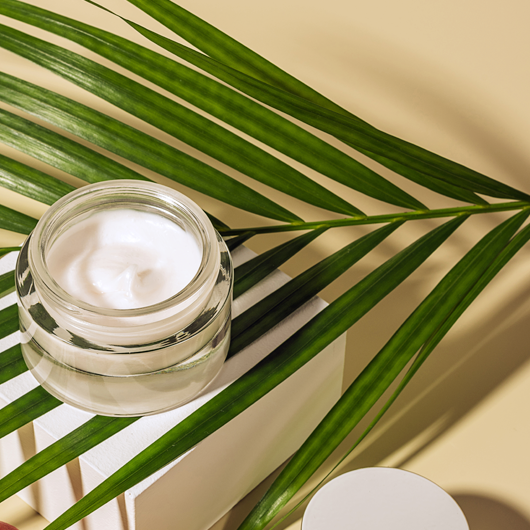


Teprenone vs peptides for hydration boost?
If your skin still feels tight after applying moisturizer, the issue may not be a lack of water alone. Your barrier may be allowing moisture to escape, while age-related changes can affect the skin’s appearance. That is why the question, “Teprenone vs peptides for hydration boost?” deserves a more precise answer than a simple ingredient ranking.
Key Takeaways
- If your skin still feels tight after applying moisturizer, the issue may not be a lack of water alone.
- Your barrier may be allowing moisture to escape, while age-related changes can affect the skin’s appearance.
- That is why the question, “Teprenone vs peptides for hydration boost?” deserves a more precise answer than a simple ingredient ranking.
Teprenone and peptides are used in different cosmetic formulations. Teprenone is discussed in connection with skin comfort and moisturization, while peptides are amino acid chains used in skincare formulas. For dry, dehydrated skin, the better choice depends on whether your priority is retaining water, improving the appearance of firmness, or supporting both concerns with a thoughtful routine.
Direct Answer: Teprenone vs Peptides for a Hydration Boost
The Core Difference: Water Retention vs. Structural Moisture
Teprenone is not a peptide. It is a cosmetic active often associated with Renovage and used in formulas intended to support moisturized-looking skin. Think of it as one possible part of a routine intended to help skin feel comfortable. When the barrier is weakened by age, weather, over-exfoliation, or harsh cleansing, transepidermal water loss, or TEWL, can leave the complexion rough and tight even after layering creams.
Peptides are short chains of amino acids. Certain signal peptides are used in skincare formulas intended to support the appearance of firmer, smoother skin. Carrier peptides may include trace minerals, while copper peptides are used in visible-aging skincare formulas. They do not function as a direct replacement for a humectant such as glycerin or hyaluronic acid. Their cosmetic value depends on the specific peptide, formula, and use conditions.
Why Dehydrated Skin Can Affect Visible Aging
Dehydration changes the way light reflects from the skin. Fine lines can look deeper, texture can appear less even, and makeup can settle into dry patches. A compromised stratum corneum can also feel more reactive because its lipid organization is less effective at limiting water escape. Basic moisturizers can soften the surface, while comfort may also depend on barrier lipids and water-binding ingredients.
Collagen production also declines gradually with age. A review available through the National Library of Medicine reports that collagen production decreases by roughly 1% each year after age 20, a change that can affect the appearance of skin: scientific review on peptides and skin aging. This is why a hydration routine may address both immediate suppleness and long-term appearance. In the Teprenone vs peptides for hydration boost? comparison, neither ingredient is a universal winner. Teprenone is used in moisturizing formulas, while peptides are used in formulas focused on skin appearance.
What is Teprenone?

How Teprenone (Renovage) Fits Moisturization Care
Teprenone is used in cosmetic formulas in a way that differs from surface occlusives. Rather than merely placing a film over the complexion, it is included as an active ingredient in some moisturization-focused products. The way a formula feels and performs can depend on its full ingredient list, including humectants, emollients, occlusives, and the product’s application instructions.
This may make Teprenone relevant for mature or stressed skin that seems unable to hold hydration between applications. The ingredient does not replace sunscreen, gentle cleansing, ceramides, or a balanced moisturizer. It may be included as one step in a routine already built around barrier care. Skin Perfection’s Teprenone Serum Booster should be used only according to its approved product information and label directions.
The Reported Hydration Improvement
The frequently cited 58% figure comes from clinical data on a 3% Teprenone, or Renovage, formula. According to ingredient data published by Sederma and summarized by Allies, skin moisturization increased by 30% to 58% among all panelists: Teprenone clinical ingredient information. That result describes moisturization in the tested formula and should not be interpreted as a guarantee for every product or skin type. Formula concentration, delivery system, application frequency, and baseline barrier condition can influence visible outcomes.
The same research summary reports that 75% of panelists experienced improved firmness, elasticity, and tone within one month, while a six-month study found barrier-integrity improvement of 19% to 46% for 75% of panelists. These findings are specific to the research summary and tested conditions. For shoppers comparing Teprenone vs peptides for hydration boost?, Teprenone may be one ingredient to consider alongside a moisturizer and other compatible cosmetic products.
For product-specific information, review the Teprenone Serum Booster label and approved product documentation.
What Are Peptides? Skin-Conditioning Ingredients
How Amino Acid Chains Fit Skincare
Peptides are short chains of amino acids, the same building blocks used to form larger proteins such as collagen and elastin. In skincare, they act less like traditional moisturizers and more like cosmetic ingredients selected for particular formula goals. Certain signal peptides may support the appearance of firmer, smoother skin. The exact cosmetic effect depends on the peptide sequence, concentration, delivery system, and complete formula.
That distinction matters if your face feels dry despite regular use of creams. A humectant such as glycerin or hyaluronic acid attracts water, while an emollient smooths rough spaces between surface cells. Peptides do not replace barrier lipids or a water-binding ingredient, yet they may complement a routine focused on visible smoothness and firmness. Scientific literature classifies cosmetic peptides by function, including signal peptides, carrier peptides, neurotransmitter-affecting peptides, and enzyme-inhibiting peptides: review of peptides in skin aging care.
Copper Peptides vs. Tetrapeptides for Plump, Firm Skin
Copper peptides and tetrapeptides can both appear in anti-aging skincare routines, but their uses vary by formula. Copper peptides are carrier peptides that bind copper ions and are commonly selected for cosmetic formulas focused on visible skin appearance. Tetrapeptides contain four amino acids and are often used in signal-oriented blends. The exact result depends on the peptide sequence, concentration, delivery system, and the rest of the formula.
| Peptide type | Primary cosmetic role | Hydration connection | Best routine focus |
|---|---|---|---|
| Signal peptides | Used in formulas focused on the appearance of collagen and elastin | May complement a moisturizing routine | Fine lines, laxity, and reduced bounce |
| Copper peptides | Carry copper ions within a cosmetic formula | May complement a routine for mature-looking skin | Stressed, mature, or uneven-looking skin |
| Tetrapeptides | Four-amino-acid peptides used in cosmetic formulas | Can complement humectants | Dehydration lines and tired-looking texture |
For shoppers comparing Teprenone vs peptides for hydration boost?, peptides may be a match when dryness appears alongside fine lines, thinning-looking skin, or reduced firmness. Skin Perfection encourages reviewing the active technology, preservative system, supporting ingredients, and overall ingredient profile.
Comparing Teprenone and Peptides for Dry, Dehydrated Skin
Which Ingredient Is Better for Your Specific Skin Concerns?
The useful answer depends on the source of discomfort. If your complexion feels tight immediately after cleansing, flakes around the nose, or loses softness quickly, a moisturizer and gentle routine may be appropriate. If your skin looks crepey, lacks bounce, or shows fine lines that become more visible during dry weather, peptides may be considered as part of a cosmetic routine focused on visible skin appearance.
For details about Skin Perfection’s Teprenone Serum Booster, review the approved product page and label. A peptide serum may be considered as a dedicated appearance-focused step, while a routine containing both technologies may suit shoppers who prefer to use multiple cosmetic ingredients. This is the practical takeaway from the Teprenone vs peptides for hydration boost? comparison: choose according to the concern you can see and feel, not the trend receiving the most attention.
Can You Layer Teprenone and Peptides Together?
In many routines, Teprenone and peptides can be layered when the individual product labels permit it. Begin with gentle cleansing, then apply water-based peptide products according to their label directions. Use the Teprenone Serum Booster only as directed on its label, and finish with a moisturizer to reduce surface water loss. Use sunscreen during the day.
Introduce one new active at a time, particularly if your barrier is already irritated. Patch testing can help identify sensitivity before facial application. Avoid mixing every active in your hand at once, and follow the manufacturer’s guidance if a formula contains additional ingredients such as retinoids, vitamin C, or exfoliating acids. Clean formulation is not the same as universal compatibility, so ingredient transparency and gradual use remain your best safeguards.
Ingredient Choice: Moisture Retention or Structural Support
Pros
- Teprenone can be considered in moisturization-focused routines.
- Peptides are used in formulas focused on visible firmness and smoother-looking texture.
- Compatible formulas can be used in the same routine when labels allow.
Cons
- Peptides do not replace a moisturizer, humectant, or daily sunscreen.
- Teprenone is not a solution for every concern associated with fine lines or loss of firmness.
- Results can depend on formula quality, consistency, skin condition, and correct application.
For a routine built around cosmetic ingredients, Skin Perfection offers a starting point. Review the Teprenone Serum Booster’s approved information, consider peptide technology for appearance-focused care, and let your skin’s specific signals guide the next step.
Maximizing Results: Clean DIY Skincare Boosters

The Role of Preservation in Cosmetic Formulas
Skincare requires more than a long ingredient list. A serum containing peptides, botanical extracts, or Teprenone should remain stable and protected from microbial contamination throughout its use. That is where preservation science matters. Preservation systems can support product safety. I look at the complete formula, not a single marketing claim. The base, packaging, pH, antioxidant support, and storage instructions can influence how well an active performs over time.
Clean beauty should still meet a high standard for formulation discipline. An airless container or tightly sealed bottle can reduce repeated exposure to air, fingers, heat, and light. Store concentrated boosters away from a sunny bathroom window, and never add water, oils, or homemade ingredients directly into a finished serum. Those changes can disrupt preservation and alter the intended concentration. Skin Perfection’s ingredient-transparency approach reflects a commitment to formulation information alongside cosmetic performance.
How to Use a Teprenone Booster
If your routine feels too basic for persistent dryness, review product instructions before adding a booster. The Teprenone Serum Booster should be used according to its product label and approved product information. Follow the product label first, since the correct amount and application guidance depend on the formula and your existing skincare products.
Use this practical sequence:
- Cleanse with lukewarm water and a mild, non-stripping cleanser. Pat your face dry without rubbing.
- Apply a hydrating mist or water-based serum if your routine includes one. Humectants such as glycerin can help attract water to the skin’s surface.
- Apply the Teprenone Serum Booster according to its product label and follow with your moisturizer. Do not premix or alter the product unless the manufacturer specifically instructs you to do so.
- Press the products over the face and neck, giving extra attention to areas that feel tight or show flaky texture.
- Apply broad-spectrum sunscreen in the morning. At night, keep the routine simple while you assess comfort, softness, and visible texture.
Introduce the booster on a small area before applying it across your face. Begin with limited frequency if your skin is reactive, recently exfoliated, or recovering from over-cleansing. Keep notes about tightness, flaking, redness, and makeup application. This simple tracking method helps separate genuine improvement from a temporary surface effect. If you also use a peptide serum, apply products in the order recommended by their labels and avoid combining several new actives on the same day.
One final point deserves attention: a booster is not a substitute for routine consistency. Skin may need time to adjust to a new routine. Keep the rest of your regimen calm, introduce changes gradually, and assess the formula over several weeks rather than judging it after one application. That patient method lets you identify which ingredients suit your skin and which combinations create unnecessary sensitivity.