

 Buy with Prime
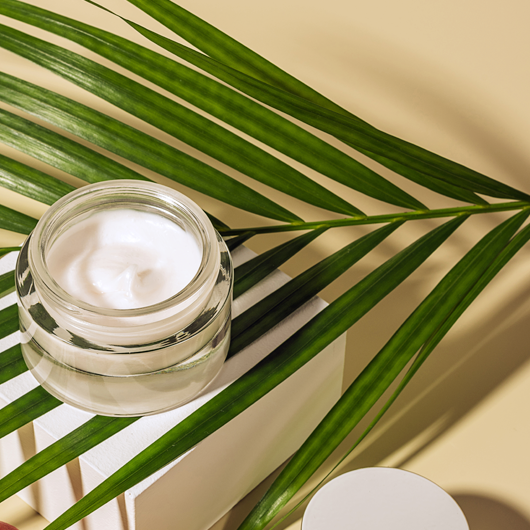


Top anti-aging exfoliants for dark spots.
Dark spots need controlled renewal, not necessarily a harsher product. The Top anti-aging exfoliants for dark spots. pair measured exfoliation with barrier support, helping mature skin shed dull surface cells without encouraging redness, dryness, or renewed pigmentation.
Key Takeaways
- Dark spots respond best to controlled, consistent renewal rather than aggressive scrubbing that can inflame mature skin and trigger even more pigmentation.
- Chemical exfoliants like lactic acid and PHAs dissolve dull surface cells gently, making them ideal choices for skin that has lost resilience over time.
- Pairing your exfoliant with barrier-supporting ingredients such as ceramides and niacinamide helps prevent the redness and dryness that often accompany cell turnover.
- Over-exfoliating disrupts the moisture barrier, which can actually deepen discoloration, so slower and steadier truly wins this race.
- Daily sun protection is non-negotiable after exfoliating, because freshly renewed skin is more vulnerable to UV rays that create new dark spots.
At Skin Perfection, I look for measured acids, soothing botanicals, and peptide support rather than an aggressive peel sensation. The goal is a smoother-looking complexion with more even tone, not temporary polish followed by moisture loss.
The Gentle Renewal Revolution: Why Mature Skin Needs Smarter Exfoliation for Dark Spots
Understanding Dark Spots: Beyond Sun Damage and Aging
Age spots and sun-induced discoloration are common, yet pigment can also follow hormonal shifts, inflammation, blemishes, medication, and repeated irritation. Mature skin renews more slowly: keratinocyte transit time can extend from about 28 days in young adults to 45 to 60 days later in life, leaving dead cells, uneven texture, and discoloration on the surface longer.
Slower turnover does not mean skin needs maximum-strength acid. It needs a formula suited to its capacity for renewal. Lactic acid can loosen bonds between surface cells while supporting hydration. Research on 5% to 12% lactic acid has shown meaningful improvement in epidermal firmness alongside pigment reduction, making it a strong candidate for careful brightening.
The Pitfalls of Traditional Exfoliation for Mature Skin
Gritty scrubs can create tiny areas of friction across dry, sensitive skin. Strong, unbuffered glycolic acid may cause burning or allergic contact dermatitis, particularly when the moisture barrier is compromised. Irritation can trigger inflammation and post-inflammatory hyperpigmentation, leaving a dark mark where you hoped to remove one.
Over-exfoliation may increase transepidermal water loss, cause tightness, and make makeup pill over rough patches. Tingling is not proof of better pigment correction. Skin needs consistent, tolerable renewal more than dramatic overnight peeling.
Introducing Barrier-First Exfoliation: The Skin Perfection Approach
Barrier-first exfoliation begins with the formula, not intensity. Skin Perfection favors buffered alpha hydroxy acids, polyhydroxy acids, fruit enzymes, and mandelic acid in formats for different tolerance levels. These agents release dull buildup while humectants, botanicals, and peptides support comfort.
A leave-on serum should feel purposeful, not painful, and a rinse-off mask should offer controlled contact time. Pairing exfoliation with a nourishing base can make the complexion appear clearer and more refined without sacrificing softness.
Our Unique Promise: Clean Science for Lasting Radiance
Clean beauty need not require a choice between purity and performance. Skin Perfection uses transparent cosmetic science, clinically studied actives, and concentrated peptide blends to support smoother-looking skin. The Rejuvenate Anti-Aging Serum Base reflects this ingredient-first philosophy, providing a concentrated foundation for an anti-aging routine.
For many mature complexions, a gentle lactic acid or PHA formula supported by hydration and peptides is a suitable choice. Physical scrubs and unbuffered high-strength acids can worsen irritation-related discoloration. Choose gradual renewal, protect skin from ultraviolet exposure, and judge progress over consistent use rather than one intense application.
How We Evaluated the Top Anti-Aging Exfoliants for Dark Spots

Our Rigorous Selection Criteria: Purity, Potency, and Preservation
I considered four formulation questions: Is the active ingredient clearly identified? Is its strength appropriate for repeated cosmetic use? Does the vehicle help limit dryness? Is the preservative system suitable for a water-based product? A formula can have a beautiful ingredient list yet be unstable, overly fragranced, or difficult to use consistently.
Potency needs context. A moderate acid in a balanced serum may be more useful than a stronger peel that causes flaking and routine abandonment. Texture, pH, delivery system, and instructions all affect real-life performance.
Key Ingredients: Gentle Acids, Brightening Botanicals, and Barrier Support
Lactic acid refines the surface while attracting moisture. Mandelic acid has a larger molecular structure than glycolic acid, making it a considered option for uneven tone and reactive skin. PHAs offer slower surface exfoliation, while papaya enzymes loosen accumulated proteins without abrasive particles.
Brightening botanicals and antioxidants help defend against environmental stress. Aloe, glycerin, ceramides, fatty acids, and peptides help the skin feel cushioned during renewal and support a smoother appearance as buildup diminishes.
Exclusionary Factors: Avoiding Harshness and Irritation
I excluded formulas dependent on severe burning, rough particles, unclear acid disclosure, or excessive fragrance. Complicated directions also raised concern. Readers should know whether a product is rinse-off or leave-on, whether cotton pads are necessary, and whether bare hands provide a better application.
Sun protection is part of the evaluation. Research findings indicate that unprotected ultraviolet exposure after exfoliation can increase melanin production by up to 30%, working against brightening progress.
The Skin Perfection Standard: EWG Verified and Dermatologist-Strength
EWG Verified standards and dermatologist-strength performance can work together. EWG verification helps shoppers assess ingredient transparency and avoid certain unwanted chemicals. Dermatologist-strength describes purposeful active selection and delivery, not permission to tolerate damage.
Skin Perfection's Top Picks: Gentle Renewal Exfoliants for Dark Spot Fading
This curated lineup keeps barrier comfort at the center. Each format serves a different need, from daily-looking radiance support to targeted treatment. The Top anti-aging exfoliants for dark spots. earn consideration through ingredient clarity, practical use, and compatibility with mature skin rather than the strongest label claim.
1. Skin Perfection Advanced Brightening Lactic Acid Serum, Moisture-Conscious Renewal
Best for: Mature skin seeking a leave-on brightening serum with gentle alpha hydroxy acid support.
This is my leading choice for an uneven complexion that feels dry or less supple. Lactic acid lifts dull surface cells while supporting a smoother, more hydrated appearance. Its role is measured renewal, not stripping. Pairing exfoliation with the Rejuvenate Anti-Aging Serum Base can give a peptide-focused routine a more complete, skin-supportive foundation.
2. Skin Perfection Resurfacing Peptide and PHA Toner, Low-Irritation Refinement
Best for: Sensitive or acid-cautious users who want a lighter resurfacing step.
PHAs exfoliate gradually because their larger molecules tend to work more slowly at the surface. This toner suits someone addressing dullness and uneven texture without immediately using a strong acid peel. Peptides add a firming-focused element, and the watery format fits after cleansing. Apply with clean hands when directions permit, especially if cotton friction leaves skin flushed.
3. Skin Perfection Gentle Enzyme Papaya Mask, Rinse-Off Surface Polish
Best for: Complexions that prefer an occasional rinse-off treatment instead of a nightly leave-on active.
Papaya enzymes loosen surface debris and improve the look of rough texture without abrasive particles. The mask suits makeup preparation or periodic radiance support, while rinse-off use gives control over contact time. Use restraint: skin should feel comfortable and soft, not hot, tight, or inflamed.
4. Skin Perfection Targeted Mandelic Acid Spot Treatment, Focused Tone Care
Best for: Concentrating a gentle acid step on individual areas of discoloration.
Mandelic acid’s larger molecular size supports slower delivery than smaller alpha hydroxy acids. Use it only on the intended area and follow directions carefully. Targeted treatment can reduce the temptation to apply a strong peel across the entire face when the concern is limited to sun spots or post-blemish marks.
| Product | Primary active approach | Best format | Best suited to |
|---|---|---|---|
| Advanced Brightening Lactic Acid Serum | Lactic acid with moisture-focused support | Leave-on serum | Dry, mature skin with uneven tone |
| Resurfacing Peptide and PHA Toner | PHA renewal with peptides | Light toner | Sensitive skin beginning an exfoliation routine |
| Gentle Enzyme Papaya Mask | Fruit enzyme surface renewal | Rinse-off mask | Occasional texture refinement |
| Targeted Mandelic Acid Spot Treatment | Mandelic acid for focused application | Spot treatment | Small areas of stubborn discoloration |
Choose the format you can use calmly and consistently. A comfortable serum, toner, mask, or spot treatment is more likely to support visible tone improvement than a harsh product that requires repeated recovery periods.
Your Gentle Renewal Protocol: Integrating Exfoliants Safely and Effectively
A good exfoliation routine should feel controlled, not punishing. Begin with one active exfoliant and let your skin show how much renewal it can manage. The Top anti-aging exfoliants for dark spots. work best with consistent use, hydration, and daily ultraviolet protection.
Step-by-Step Nighttime Routine for Maximum Efficacy
Use leave-on acids on clean, fully dry skin unless directions specify another method. Bare fingertips offer more control than a cotton pad and add less friction. A rinse-off mask requires a defined contact time; a serum or toner should remain on skin only when identified as leave-on.
- Cleanse gently: Remove sunscreen, makeup, and residue without hot water or a stripping cleanser.
- Apply the exfoliant: Use a thin, even layer with clean hands. Keep acids away from eyelids, nose corners, lips, and broken skin.
- Follow the stated timing: Do not extend a rinse-off treatment or add layers to a leave-on product.
- Replenish moisture: Follow with a fragrance-free moisturizer containing humectants, lipids, or barrier-supportive ingredients.
- Stop at discomfort: Persistent burning, swelling, hives, or intense redness calls for immediate rinsing and professional medical guidance.
Frequency Guide: Finding Your Skin's Sweet Spot, Sensitive to Resilient
Start sensitive or mature skin with one exfoliation night each week. If there is no lingering tightness, peeling, tenderness, or redness, progress to twice weekly after several weeks. More resilient skin may tolerate a third weekly session, but daily acid use is not automatically better. Mature skin renews more slowly, so patience matters.
Patch Testing: Your First Line of Defense Against Irritation
Test a small amount behind the ear or along the jaw before applying a new exfoliant across your face. Leave it for the specified period and observe for 24 to 48 hours. Delayed itching, swelling, burning, or rash may indicate sensitivity. Patch testing cannot guarantee no reaction, but it provides information before full-face use. Never test several new actives at once.
Synergistic Pairings: Exfoliants with Retinol, Peptides, and Vitamin C
Keep exfoliation and retinol on separate nights initially. Combining them too quickly can increase dryness, stinging, and barrier stress. Peptides are generally a comfortable companion after exfoliation, supporting a firm, smooth-looking appearance without adding another resurfacing agent. The Rejuvenate Anti-Aging Serum Base can serve as the peptide-focused step on non-exfoliation nights or after a tolerated acid application.
Use Vitamin C in the morning while reserving acids for evening, or alternate them until comfort is reliable. Introduce one change at a time so dryness can be traced to the active, frequency, or combination. The Rejuvenate Anti-Aging Serum Base supports a measured routine built around peptide support.
The Non-Negotiable: Sun Protection and Barrier Fortification
Apply broad-spectrum SPF 30 or higher every morning, including the day after exfoliation. Research findings indicate that unprotected ultraviolet exposure after exfoliation can increase melanin production by up to 30%, working against tone-correcting progress. Reapply during extended outdoor time, wear a wide-brimmed hat, and use sunscreen on cloudy days.
Support the barrier with a gentle cleanser, lukewarm water, moisturizer, and recovery time between active nights. If skin feels raw, unusually tight, or more reactive, pause exfoliation and return to basic care until comfort returns.
Beyond the Bottle: Understanding Ingredient Science and Realistic Timelines
Effective brightening depends on how an ingredient behaves on skin, not only its percentage. Mature skin may need more time to shed retained surface cells, so a thoughtful formula should encourage renewal without inflammation. The best routine combines controlled exfoliation, hydration, antioxidant defense, and peptide support.
Decoding the Science: AHAs, PHAs, and Enzymes for Pigment Dispersal
Alpha hydroxy acids, including lactic and mandelic acid, loosen bonds between surface cells. Lactic acid also acts as a humectant. PHAs work gradually and may suit skin that does not tolerate stronger acids. Fruit enzymes, including papaya-derived enzymes, break down accumulated proteins without scrub particles. None should cause intense burning.
Botanical Brighteners and Antioxidants: Nature's Gentle Allies
Botanical extracts can complement acids by supporting a calmer, more even-looking complexion. Aloe and licorice-derived ingredients are commonly selected for soothing and tone-supportive benefits, while antioxidants help address environmental oxidative stress. Skin Perfection gives natural extracts a defined role rather than relying on heavy fragrance.
Peptides and Stem Cells: Supporting Skin's Natural Repair
Peptides are short chains of amino acids that can signal skin to support a firmer, smoother appearance. They complement, but do not replace, exfoliation. The Rejuvenate Anti-Aging Serum Base is a featured peptide-focused option. Rejuvenate Anti-Aging Serum Base can be used in a measured regimen where exfoliation and recovery receive equal attention.
Patience and Persistence: When to Expect Visible Results
Dark marks rarely fade after one application. Since epidermal turnover may take 45 to 60 days in mature adults, gradual improvement often requires several weeks of consistent use. Texture may look smoother before discoloration lightens. Track changes with monthly photographs in similar lighting and assess comfort alongside tone. Ongoing redness or peeling means the approach needs adjustment.
Common Concerns Addressed: Burning, Peeling, and Post-Inflammatory Hyperpigmentation
Burning: Rinse a product causing significant heat, swelling, or persistent stinging, then stop use. Peeling: Reduce frequency and restore moisture rather than adding another active. Darkening: Irritation can contribute to post-inflammatory hyperpigmentation, especially in pigment-prone skin. Physical scrubs and unbuffered acids require extra caution.
Frequently Asked Questions
Which exfoliant is best for dark spots?
Lactic acid or a polyhydroxy acid is often a good choice for dark spots on mature skin because both support gradual surface renewal with less harshness. Mandelic acid and gentle fruit enzymes may also suit uneven tone, while hydration, barrier support, and daily ultraviolet protection help maintain a more even-looking complexion.
What is the best exfoliator for anti-aging?
The best anti-aging exfoliator is a measured formula with lactic acid, PHA, mandelic acid, or gentle enzymes, supported by moisturizing ingredients and peptides. A balanced product used consistently can help refine dull texture and improve the appearance of discoloration without relying on burning, aggressive peeling, or gritty friction.
What is the best way to exfoliate aging skin?
The best way to exfoliate aging skin is to choose gradual chemical renewal, follow the product directions, and support the moisture barrier. Lactic acid, PHA, or mandelic acid can be preferable to rough scrubs, while a calm routine and daily sunscreen help reduce irritation that may deepen dark spots.
Does exfoliating help with black spots?
Exfoliating can help dark spots look less noticeable by loosening dull surface cells and supporting more even-looking skin. Exfoliation does not remove every type of pigmentation, and excessive acid use or friction may trigger irritation-related discoloration, so gentle formulas and steady use are wiser than intense peeling.
What is the number one dark spot remover?
No single dark spot remover works best for every complexion, but a gentle exfoliant with lactic acid, PHA, or mandelic acid is a thoughtful starting point for mature skin. Consistent use, barrier support, and ultraviolet protection matter more than choosing the strongest product or expecting overnight correction.
How often should mature skin use an exfoliant for dark spots?
Mature skin should use an exfoliant according to the formula directions and its tolerance, beginning with gradual renewal rather than frequent intense applications. Skin Perfection favors buffered acids, PHAs, enzymes, and nourishing support because repeated comfort helps maintain a smoother-looking complexion while limiting dryness, redness, and irritation.