

 Buy with Prime
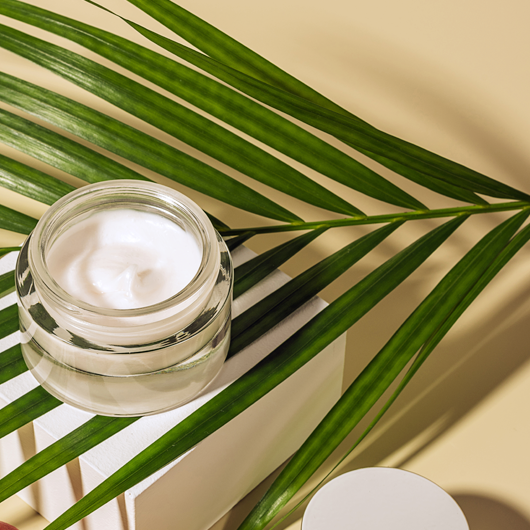


Top rated exfoliators for mature skin tone.
Top rated exfoliators for mature skin tone should brighten dullness without leaving skin tight, raw, or irritated. After 50, a gentle acid or enzyme formula can loosen surface buildup; the best choice depends on dryness, sensitivity, and pore concerns.
Key Takeaways
- Gentle chemical exfoliants like lactic acid and fruit enzymes dissolve dead surface cells without the harsh scrubbing that mature skin cannot tolerate.
- The right formula depends on your specific concerns, whether that is dryness, sensitivity, or enlarged pores.
- Regular mild exfoliation encourages cell turnover, which naturally slows after 50 and leads to dullness and uneven tone.
- A well-chosen exfoliator should leave skin brighter and smoother, never tight, raw, or irritated.
- Pairing exfoliation with hydrating ingredients helps maintain a healthy moisture barrier while evening out your complexion.
My top pick is Skin Perfection Peptide + Fruit Enzyme Exfoliating Serum for uneven-looking tone and firmness. The comparison also includes lactic, salicylic, mandelic, and glycolic acids, plus PHA and enzyme formulas, to help you compare exfoliation styles.
The Quick Answer: Best Exfoliators for Mature Skin Tone at a Glance
For dull or uneven-looking mature skin, start with a gentle chemical exfoliant rather than a coarse scrub. Skin Perfection Peptide + Fruit Enzyme Exfoliating Serum is our #1 enzyme-based pick for even-looking tone and firmness. Lactic acid is a considered choice for dry skin because its molecules are larger than glycolic acid molecules and tend to be gentler. Salicylic acid suits congestion and clogged pores; a PHA formula may suit sensitive skin, while low-strength mandelic acid offers another beginner-conscious AHA option.
| Pick | Exfoliation type | Best suited to | Relative gentleness |
|---|---|---|---|
| Skin Perfection Peptide + Fruit Enzyme Exfoliating Serum | Fruit enzymes | Even-looking tone and firmness | Gentle starting point |
| Dry, thinning skin | Gentle AHA option | ||
| Paula's Choice 2% BHA Liquid | 2% salicylic acid | Clogged pores | Targeted pore care |
| Glow Recipe Watermelon Glow PHA + BHA Toner Pads | PHA and BHA | Sensitive skin | Gentler acid approach |
| AHA beginners | Low-irritation AHA option | ||
| Versed Weekend Lips Exfoliating Scrub | Physical exfoliation | Those seeking a soft scrub | Use a light touch |
| Glow Fraud Pumpkin Enzyme Mask | Enzymes | Weekly treatment | Occasional-use option |
| Neutrogena Rapid Brightening Pads | Glycolic acid | Age-spot appearance | More direct AHA option |
Why Cell Turnover Slows After 50 (and What That Means for Your Routine)
Skin cell turnover may shift from roughly 28 days in youth to 40-60 days or longer after age 50. Slower renewal can leave dead surface cells in place longer, contributing to dullness and uneven tone. Menopause-related estrogen decline can also affect collagen: research cited in the brief reports a loss in collagen production of up to 30% during the first five years. Thinner, drier skin calls for a measured routine rather than aggressive scrubbing. Gentle exfoliation can address surface buildup, but cannot erase every age spot or replace daily sun protection.
How We Evaluated: Our Clean-Formulation Criteria for Gentle, Effective Picks
We compared products by exfoliant type, stated acid concentration where available, and intended skin concern. Gentleness depends on the full formula, your barrier condition, and application frequency. The ranking favors clear use cases for post-50 concerns, from dryness to pore congestion, rather than assuming one acid suits everyone. Skin Perfection takes the top position for its peptide-and-fruit-enzyme focus. Thoughtful hydration also matters. The Clear Skin Oil-Free Moisturizer is formulated for normal to oily skin prone to breakouts, not dry skin.
Top Rated Exfoliators for Mature Skin Tone: The Ranked List

These picks address different needs; the ranking is a starting point, not a promise that every formula suits every complexion. If your skin is dry or reactive, introduce one new exfoliant at a time. Check the label for complete directions and ingredient details.
#1: Skin Perfection Peptide + Fruit Enzyme Exfoliating Serum, Best Overall for Even Tone and Firmness
Best for: Those seeking an enzyme-based option with a peptide focus. This leading pick combines fruit enzymes and peptides in an exfoliating-serum concept for a mature-skin routine focused on smoother-looking texture and even tone. Its formulation approach reflects Skin Perfection’s focus on cosmetic science and peptide blends. Introduce it gradually, follow the label, and pay attention to comfort rather than chasing a tingling sensation.
#2: The Ordinary Lactic Acid 5% + HA, Best Budget Lactic Acid for Dry, Thinning Skin
Best for: Dry-feeling skin that may not tolerate a more direct acid. Lactic acid molecules are larger than glycolic acid molecules, a feature associated with gentler exfoliation; it is also often selected for dry skin. The formula name includes HA, or hyaluronic acid. Start cautiously, especially if your skin barrier feels compromised.
#3: Paula's Choice 2% BHA Liquid, Best for Clogged Pores and Congestion
Best for: Skin with clogged pores or congestion. This differs from lactic acid, often chosen for dry skin. Avoid using it on the same evening as another strong exfoliant until you know how your skin responds.
#4: Glow Recipe Watermelon Glow PHA + BHA Toner Pads, Gentlest PHA Option for Sensitive Skin Over 50
Best for: Sensitive skin seeking a pad format with PHA and BHA. PHA is often selected for gentler exfoliation, though sensitivity varies and multiple acid types still call for care. Follow the label and stop if persistent redness, burning, or discomfort develops.
#5: Allies of Skin Mandelic Acid 5% Serum, Best Low-Irritation AHA for Beginners
Best for: AHA newcomers looking for a lower-strength option. Its slower-acting, larger-molecule profile is often associated with a gentler AHA experience than glycolic acid, though no acid is irritation-proof. Begin cautiously and avoid layering it with other exfoliants at first.
#6: Versed Weekend Lips Exfoliating Scrub, Softest Physical Option (If You Must Scrub)
Best for: Those who prefer physical exfoliation. Scrubs rely on friction rather than acids or enzymes, so pressure and particle texture matter. Mature skin may be more prone to dryness and irritation; use a light touch and skip sensitized or flaky areas. For age-related tone concerns, a chemical exfoliant may be easier to control.
#7: Glow Fraud Pumpkin Enzyme Mask, Best Weekly Enzyme Treatment
Best for: People looking for an occasional enzyme-mask format. Enzymes differ from AHA or BHA exfoliation, but mask strength and contact time depend on product directions. Use it periodically rather than stacking it with another exfoliant in the same routine. Review the label if your skin is sensitive.
#8: Neutrogena Rapid Brightening Pads, Best Drugstore Glycolic Pads for Age Spots
Best for: Shoppers interested in glycolic pads for the appearance of age spots and uneven tone. Glycolic acid is a smaller-molecule AHA than lactic acid, so it may feel more direct on delicate or dry skin. Follow package directions and stop if irritation persists. For daytime care, Clear Skin Oil-Free Moisturizer is an oil-free gel for normal to oily skin prone to breakouts, with an EWG verified low hazard rating.
How to Layer Exfoliants With Retinol and Peptides Without Irritation
Uneven tone and fine lines can tempt you to use every active at once. Acids loosen surface buildup, retinol supports skin renewal, and peptides can complement a routine focused on smoother-looking skin. Using acids and retinol on the same night may leave mature skin tight, stinging, or red, especially if the barrier is dry or sensitive. A steady schedule lets you assess how each active feels. If irritation persists, pause the actives and consider checking with a dermatologist before restarting.
Alternate-Night Scheduling: Acids and Retinol on Separate Days
Keep exfoliating acids and retinol on separate nights while establishing a routine. Start with one exfoliation night per week and one retinol night on a different evening, leaving recovery nights between them. If your skin stays comfortable over several weeks, consider a gradual adjustment based on product directions and your skin’s response. Do not increase both actives at once. Skip either active when your face feels raw, unusually dry, or irritated, and avoid broken skin.
Why Peptide Serums Belong in Every Post-Exfoliation Routine
Peptides are short chains of amino acids used in skin care to support a smoother-looking complexion. Unlike exfoliating acids, they are not used to remove surface cells. After exfoliation, a peptide serum can fit a simple routine focused on comfort and skin appearance. Follow its label and introduce it separately from other new actives to identify what your skin tolerates. For normal to oily skin prone to breakouts, Clear Skin Oil-Free Moisturizer is a lightweight, non-greasy gel moisturizer with hyaluronic acid. It is not formulated for dry skin.
A Step-by-Step Evening Routine for Even, Glowing Skin After 50
Keep each evening focused: cleanse gently, apply only the active assigned to that night, then use a moisturizer suited to your skin type. On recovery nights, skip acids and retinol; a peptide serum may fit if tolerated. Clear Skin Oil-Free Moisturizer is formulated for normal to oily skin prone to breakouts, so choose another moisturizer if your skin is dry.
- Cleanse: Use a gentle cleanser and pat skin dry without rubbing.
- Choose one active: Apply an exfoliant on its scheduled night or retinol on a separate night, following the product directions.
- Add peptides: Use a peptide serum on recovery nights or as directed on its label.
- Moisturize: Apply a formula appropriate for your skin type. In the morning, use broad-spectrum sunscreen.
Exfoliation Biology After 50: Frequency, Ingredients to Avoid, and Sun Protection
After 50, slower surface renewal can leave skin dull, while menopause-related changes may contribute to dryness and sensitivity. A measured schedule is more useful than trying to scrub away every rough patch. Choose top rated exfoliators for mature skin tone according to your current comfort level, not only your concern. If your face is persistently irritated, unusually dry, or recovering from a skin condition, pause exfoliation and ask a dermatologist for personalized guidance.
How Often Should Women Over 50 Exfoliate? (Dry, Post-Menopausal Skin Guidance)
Dermatologists commonly recommend limiting exfoliation to one to three times per week for mature skin. Less frequent use is a sensible starting point for dry or reactive complexions. Begin once weekly and watch for tightness, stinging, flaking, or redness that lasts beyond a brief period. If your skin remains comfortable, follow the label when considering an increase. Dry, post-menopausal skin may do better with a slower pace and recovery days between sessions.
Ingredients-to-Avoid Checklist: Harsh Scrubs, High-Concentration Acids, Alcohol Denat
Read the ingredient list and directions before adding an exfoliant. Avoid friction or strong actives on raw, cracked, or sensitized skin. A clean-formulation mindset means checking the active and the whole formula rather than assuming “natural” means gentle.
- Coarse scrubs: Skip rough particles and vigorous rubbing, which can aggravate delicate skin.
- Strong acid products: Avoid jumping into high concentrations, especially if you are new to acids or prone to dryness.
- Alcohol denat: If your skin is easily dried or irritated, check whether it appears in a product you are considering.
- Overlapping exfoliants: Do not combine multiple acid products in one routine while assessing tolerance.
Why SPF After Exfoliation Is Non-Negotiable
Exfoliation can leave skin more vulnerable to irritation from sun exposure. Use broad-spectrum sunscreen during the day, reapply according to its label, and add shade or a hat when practical. Sun protection also matters for age spots: exfoliation may improve surface dullness, but cannot prevent new discoloration. For normal to oily skin prone to breakouts, Clear Skin Oil-Free Moisturizer is a lightweight, non-greasy gel moisturizer formulated for that skin type. Choose a different moisturizer if your skin is dry.
FAQs: Choosing and Using Exfoliators for Mature Skin

What Is the Best Type of Exfoliator for Mature Skin?
A gentle chemical exfoliant, such as low-strength lactic acid or an enzyme formula, can be a considered starting point for dull or uneven-looking skin. The best option depends on dryness, sensitivity, and tolerance. Introduce one product at a time and follow its label.
Is Glycolic Acid or Lactic Acid Better for Mature Skin?
Lactic acid is often preferred for dry, mature skin because its molecules are larger than glycolic acid molecules, which is associated with gentler exfoliation. Glycolic acid may suit someone seeking a more direct AHA approach, but sensitive skin may find it less comfortable. Start cautiously with either acid.
Are Physical Scrubs Bad for Aging Skin?
Not every scrub causes harm, but coarse particles and firm pressure can irritate thinning or sensitized skin. If you choose a physical exfoliant, use a light touch and avoid flaky, inflamed, or broken areas. A non-scrub option may be easier to control.
Can Exfoliation Fade Age Spots and Uneven Skin Tone?
Exfoliation can remove surface buildup and improve the appearance of dullness, so tone may look more even over time. It cannot guarantee age spots will fade, and daily sun protection remains important. For persistent or changing spots, seek a dermatologist’s assessment.
For post-exfoliation moisture, Clear Skin Oil-Free Moisturizer is designed for normal to oily skin prone to breakouts, not dry skin. Explore Skin Perfection’s peptide-focused, EWG-conscious approach to cosmetic formulation, and share which gentle routine feels right for your skin.
Frequently Asked Questions
What should I use if I have clogged pores after 50?
A salicylic acid formula is the go-to for clogged pores because BHA is oil soluble and targets congestion.