

 Buy with Prime
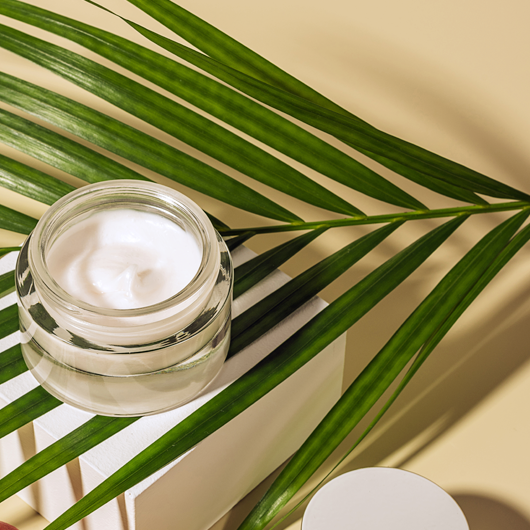


You're probably here because you saw tripeptide-5 on a serum label, a raw ingredient listing, or a DIY supplier page and thought, “I know peptides are supposed to be good, but what does this one do?”
That's a smart question. Peptides get mentioned constantly in modern skincare, yet most explanations stop at “supports collagen” and leave out the part people really need. What is it, why is it in so many formulas, and how do you use it well without wasting your time or your batch?
If you've been wondering what is tripeptide-5 in skincare?, the short answer is this: it's a lab-made signal peptide used in cosmetic formulas to support skin that looks firmer, smoother, and less lined over time. For consumers, that usually means serum and cream formulas aimed at visible signs of aging. For DIY makers, it's one of those actives that sounds complicated at first, but becomes very practical once you understand how it's built and where it fits in a formula.
The Rise of Peptides in Modern Skincare
Peptides moved from niche ingredient talk into everyday skincare for a reason. They fit what many people want now: targeted ingredients, elegant textures, and formulas that feel more advanced than basic moisturizer alone.
In simple terms, peptides are short chains of amino acids. In skincare, they're often used as signal ingredients. That means they're chosen for the messages they help send in the skin, especially in formulas focused on the look of firmness, smoothness, and bounce.
Why peptides became such a staple
By the end of 2020, peptides accounted for roughly 13 to 15% of the global anti-aging skincare ingredient market, and 38 to 44% of high-performance anti-wrinkle serums listed at least one tripeptide in the first 10 ingredients, according to Swiss Clinic's overview of peptides and tripeptides in skincare. That tells you something important. Peptides aren't a fringe idea anymore. They're part of the core language of modern anti-aging skincare.
A lot of shoppers first learn about peptides through a serum category page or ingredient glossary. If you want a broader primer before zeroing in on tripeptide-5, this guide to what peptide serum means in skincare routines helps place it in context.
Why tripeptides get extra attention
Not all peptides do the same job. Some are chosen for visible smoothing, some for hydration support, and some for formulas that aim to improve the look of firmness.
Tripeptides are peptides made from three amino acids. That sounds tiny, and it is. But in skincare, tiny can be useful. Short-chain peptides are often prized because formulators can build them into lightweight serums, creams, and eye products without making the texture heavy or greasy.
Peptides became popular because they gave brands a way to build “active” formulas that still felt gentle and cosmetic-friendly.
Among that group, tripeptide-5 stands out because it's closely tied to formulas designed for a firmer-looking, more refined complexion. It's one of those ingredients that sounds technical on paper but makes practical sense once you understand its structure and how formulators use it.
Decoding Tripeptide-5 and Its Structure
Let's make this easy.
Think of your skin like a wall of tiny locks and messages. Peptides act like specialized keys. They don't all open the same lock, and they don't all send the same message. Tripeptide-5 is one very specific key designed for formulas that support a more resilient-looking skin surface.

What the name actually means
You'll usually see it written as Palmitoyl Tripeptide-5.
Break that into two parts:
- Tripeptide means it contains three amino acids
- Palmitoyl means a fatty acid chain has been attached
That fatty attachment matters. It helps make the peptide more lipophilic, which is a useful property in cosmetic formulation because it improves how the ingredient works within topical products.
The raw material itself is typically sold as a liquid blend, not as a jar of pure peptide powder. According to the supplier fact sheet, tripeptide-5 is commonly supplied as INCI: Glycerin, Aqua, Palmitoyl Tripeptide-5, containing approximately 900 to 1,300 ppm of active peptide and recommended for use at 1 to 3% in finished products, as outlined in this technical fact sheet for Tripeptide-5.
If ingredient naming tends to blur together for you, a glossary of anti-aging ingredient terms and labels can make supplier sheets much easier to read.
What DIY makers should notice on the raw material
A common point of confusion for new formulators arises when a supplier says “use at 1 to 3%.” They usually mean use the supplied liquid ingredient at 1 to 3% of your final formula, not 1 to 3% pure peptide solids.
That distinction changes everything when you're batching a serum or lotion.
Here's the practical read:
| What you see | What it means for formulation |
|---|---|
| Glycerin, Aqua, Palmitoyl Tripeptide-5 | The peptide comes pre-dispersed in a water-glycerin base |
| 900 to 1,300 ppm | The raw material is diluted and designed for convenient cosmetic use |
| 1 to 3% use level | You measure the supplier blend into your formula, typically during cool down |
Practical rule: Treat tripeptide-5 like a precision active, not a bulk base ingredient. You use a small amount for function, then build the rest of the formula around hydration, texture, and stability.
That's one reason it shows up so often in serums and creams. It's straightforward to add, easy to pair with water-based systems, and well suited to formulations that aim for a polished, high-performance feel.
How Tripeptide-5 Supports Visibly Firmer Skin
The value of tripeptide-5 isn't just that it's a peptide. It's that it was designed to work through a very specific signaling pathway tied to skin structure.

The mechanism in plain language
Manufacturer-linked technical information describes tripeptide-5 as mimicking thrombospondin-1 (TSP-1) to activate transforming growth factor-β (TGF-β), a messenger involved in maintaining collagen within the skin's dermal matrix. The same source reports that at 2.5% concentration, it reduced the appearance of wrinkles by 12% over 84 days, based on manufacturer-sponsored data published in this ChemicalBook summary on palmitoyl tripeptide-5.
That sounds dense, so here's the translated version. Tripeptide-5 is used because it helps signal processes associated with the skin's supportive framework. In cosmetic terms, that matters because skin that maintains its internal support tends to look smoother and firmer.
What this means on the skin
You shouldn't think of tripeptide-5 as an instant plumper. It isn't the kind of ingredient that gives a dramatic same-day surface effect the way a film former or rich occlusive can.
It's better understood as a consistency ingredient. Formulators choose it for products used daily, often morning and night, because the goal is gradual visible improvement in how skin looks and feels.
A useful perspective is:
- Hydrators make skin feel more comfortable and look fresher quickly
- Exfoliants help refine the surface
- Signal peptides support the appearance of skin structure over time
If you want a deeper comparison with other firming-focused ingredients, this article on the best peptides for skin tightening in cosmetic routines gives good context.
Why formulators like it
Tripeptide-5 is especially appealing in formulas meant for:
- Serums for visible lines
- Creams that target loss of firmness
- Eye-area products with a smoother, softer feel
- Layered routines where texture matters
Use peptide language the right way. In skincare, it's accurate to talk about supporting the look of firmness, smoothness, and wrinkle appearance. It's not appropriate to frame a cosmetic peptide like a medical treatment.
That distinction matters for both brands and DIY sellers. You can describe what users may see cosmetically without stepping into drug-style claims.
Key Benefits for a Youthful-Looking Complexion
Once you understand the signaling role, the visible benefits make more sense. People don't buy a peptide because they care about a pathway name. They buy it because they want their skin to look better in the mirror.
The benefits people usually notice first
The most common reason formulators reach for tripeptide-5 is the look of wrinkles and loss of firmness. It's usually chosen for products aimed at skin that seems less springy, less smooth, or more creased than it used to.
That can show up as:
- fine lines that look more fixed in place
- a less cushioned look around expressive areas
- skin texture that feels a bit less even
- a general sense that the face looks less fresh and lifted
Tripeptide-5 fits these concerns because it's associated with support for the skin's structural appearance, not just moisture on the surface.
How it changes the feel of a formula result
A good tripeptide-5 product often doesn't announce itself loudly. Instead, it works subtly in routines where the skin starts to look:
| Visible concern | Cosmetic goal with tripeptide-5 |
|---|---|
| Fine lines | A softer, less etched appearance |
| Deeper-looking creases | A more refined overall look |
| Loss of bounce | Skin that appears firmer and more supple |
| Rough texture | A smoother-looking surface |
This is also why tripeptide-5 is commonly paired with moisturizers, humectants, and antioxidant support. The peptide handles one part of the picture. The rest of the formula shapes how comfortable, hydrated, and polished the skin looks day to day.
A realistic expectation
The biggest mistake people make is expecting peptide results to feel dramatic overnight. That's rarely how this category works.
What tripeptide-5 is better at is supporting a gradual shift in visible skin quality. With steady use, many people seek a complexion that looks more rested, more even in texture, and a bit more resilient.
If your skincare goal is “I want my skin to look smoother and a little firmer, without using a harsh routine,” tripeptide-5 makes sense.
For many routines, it fills the middle ground nicely. It's more targeted than plain hydration, but usually easier to build around than aggressive resurfacing actives.
Incorporating Tripeptide-5 Into Your Skincare
At this stage, ingredient theory turns into useful routine design.
Tripeptide-5 generally works best in a leave-on product. Think serum, gel serum, lotion, cream, or eye product. Rinse-off formats don't make much sense for an ingredient people choose for long-term visible support.

For skincare users
If you're buying a finished product, check where tripeptide-5 appears in the ingredient list and what kind of base surrounds it. A peptide serum in a lightweight, hydrating base usually layers easily under moisturizer and sunscreen. A cream format may suit people who want fewer steps.
Use it in a simple order:
- Cleanse gently so you're not applying actives over heavy residue.
- Apply your peptide product on slightly damp or dry skin, depending on the texture.
- Seal with moisturizer if the formula isn't rich enough on its own.
- Use sunscreen in the morning because daily UV exposure works against a smooth, firm look.
One option in this category is Skin Perfection's peptide solution collection for skincare routines and formulation use, alongside other peptide serum and raw ingredient formats.
For DIY makers
For home formulators, tripeptide-5 is refreshingly practical once you know the handling basics.
Use it when you're making:
- Water-based serums
- Gel serums
- Lotions and emulsified creams
- Eye-area formulas
- Moisturizers with a light to medium skin feel
The supplier guidance matters here. Since the ingredient is supplied in a glycerin-water system and recommended at 1 to 3% in finished products in the earlier cited technical fact sheet, most makers add it during the cool-down phase or after emulsification when the batch has cooled toward room temperature.
A simple DIY checklist
Not every formulator needs a full lab setup, but you do need discipline.
- Measure by weight: Don't estimate peptide actives by drops or spoonfuls.
- Add late in the process: Heat can stress delicate actives, so cool down is the safer habit.
- Choose a compatible base: Water-rich and glycerin-friendly systems are the easiest place to start.
- Keep your formula focused: A peptide, a humectant, and a supportive base often work better than a crowded ingredient list.
- Label your batch clearly: Write the percentage, date made, and batch notes so you can compare performance later.
A very practical starter format is a hydrating serum with glycerin, a polymer or gum for slip, a preservative system suited to your base, and tripeptide-5 added in cool down. If you prefer emulsions, a lightweight lotion or gel-cream gives the peptide more cushion and makes daily use feel luxurious.
Smart Pairings and Safe Formulation Tips
Tripeptide-5 tends to work best when the rest of the formula helps skin stay comfortable and hydrated. The peptide may be the headline ingredient, but the support cast matters.

Pairings that make practical sense
Good pairings usually fall into three buckets.
Hydrators help the skin look fuller and more comfortable. Hyaluronic acid, glycerin, and other water-binding ingredients make a peptide formula feel immediately more satisfying.
Antioxidant support can make a formula feel more complete. The verified data notes that tripeptide-5 can be combined with antioxidants such as vitamin C derivatives in anti-aging style serums, as long as the overall system is compatible.
Other peptides can also make sense if the formula has a clear purpose. The key is not to throw in several peptide names just for marketing. Each one should have a reason to be there.
What to avoid in the same formula
The verified data also points to a useful caution. It's wise to avoid simultaneously building tripeptide-5 into high-pH or high-exfoliation systems if your goal is preserving peptide integrity.
That doesn't mean you can never use exfoliants in the same routine. It means formulators should think carefully about the total environment of the product.
A sensible approach looks like this:
| Pairing choice | Why it helps |
|---|---|
| Hydrating serum base | Improves skin feel and daily usability |
| Gentle moisturizer on top | Supports comfort and routine consistency |
| Aggressive acid blend in same formula | Less ideal when stability is a concern |
| Separate exfoliant routine | Easier to control tolerance and product design |
A strong routine doesn't have to put every active in one bottle. Often, the smarter move is using peptides in one step and stronger resurfacing products in another.
The clean beauty question
This part deserves honesty. Palmitoyl Tripeptide-5 is entirely synthetic and lab-created, not plant-derived. According to the supplier description, it's positioned as a patented signal peptide designed to mimic the body's own mechanisms and align with modern safety standards, which is why it appears so often in clinically backed clean beauty positioning, as described on the MakingCosmetics palmitoyl tripeptide-5 ingredient page.
That matters because many shoppers assume “clean” always means botanical. It doesn't. In practice, many formulators use the word to mean a product standard centered on ingredient selection, transparency, and cosmetic safety rather than strict natural origin.
If you're also building a routine with stronger actives, this guide on how to combine retinol and peptides safely at home is a useful next read.
If you want help choosing a peptide product or sourcing ingredients for your own serum or lotion project, Skin Perfection offers both finished skincare and DIY formulation supplies. It's a practical place to compare peptide options, learn how different actives fit together, and build a routine or formula that supports smoother, firmer-looking skin.