

 Buy with Prime
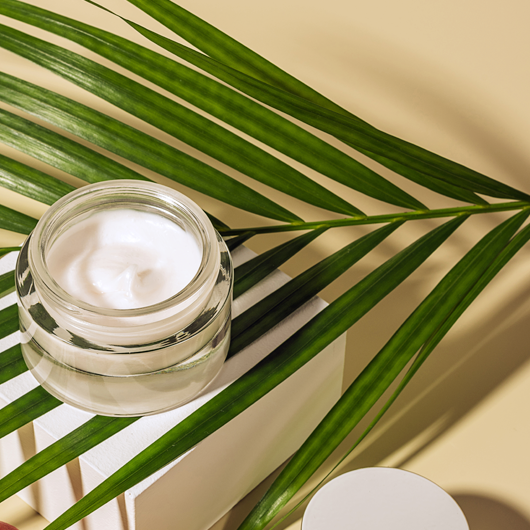


Your skin can look “off” even when you haven't changed anything obvious. Maybe it suddenly seems dull, a little blotchy, tight in some areas, shiny in others, or just less smooth and even than usual. That's often the moment people start hearing about adaptogens and wondering whether they're real skincare ingredients or just another trend word on a label.
The short answer is that adaptogens are a real ingredient category. The better question is how they fit into a cosmetic routine without overpromising. If you've been searching for guidance on adaptogens in skincare: what they are, which ones are trending, and how to use them, it helps to think of them as support ingredients for skin that looks stressed, not miracle actives that do everything.
Table of Contents
- The Rise of Adaptogens in Skincare Routines
- Understanding How Adaptogens Work on the Skin
- Trending Adaptogens and Their Cosmetic Benefits
- How to Integrate Adaptogens into Your Skincare Routine
- A Guide for DIY Formulators and Estheticians
- The Balanced Approach to Resilient Skin
The Rise of Adaptogens in Skincare Routines
A lot of people first notice the need for a calmer routine when their skin starts looking tired by the end of the week. It may not be a major issue. It just doesn't look as clear, soft, or balanced as it usually does. That's where adaptogens have found their place in modern skincare.
In skincare, adaptogens are usually discussed as plant or mushroom derived ingredients used to help skin look more balanced under everyday stress. Brands often connect them with “stress skin,” meaning skin that appears dull, uneven, reactive, or dehydrated after exposure to environmental shifts and fast-paced routines.
That framing has helped push adaptogens into mainstream beauty conversations alongside other plant-forward categories. If you like tracking ingredient movements, Skin Perfection's roundup of top beauty trends gives useful context for why consumers keep gravitating toward barrier support, hydration, and botanicals with a practical role in formulas.
Why the idea resonates
Adaptogens are appealing because they sound gentler than aggressive exfoliation or “peel it off and start over” skincare. People want routines that support the look of healthy skin without making dramatic claims.
They also fit into a broader wellness mindset. Many shoppers who are interested in skin resilience are also looking to explore natural wellness for women in ways that connect lifestyle and appearance. That overlap helps explain why adaptogens show up in both beauty and wellness conversations.
Adaptogens make the most sense when you see them as balancing ingredients. They're there to support a routine, not replace the basics.
What readers often get wrong
Two points cause confusion:
- They aren't one ingredient. “Adaptogen” is a category, not a single extract.
- They aren't a shortcut. They're usually most useful in routines built around cleansing, hydration, moisturization, and daily sun protection.
That's why the trend has lasted. It matches what many people want from skincare. Less drama, more steadiness, and ingredients that help skin look comfortable, hydrated, and visibly calmer over time.
Understanding How Adaptogens Work on the Skin
The simplest way to understand adaptogens is to picture a thermostat for the skin. A thermostat doesn't create weather. It helps maintain a stable indoor environment when conditions around it keep changing. Adaptogens are often positioned in a similar way. They don't act like a one-step reset. They're used to help skin stay visually balanced when exposed to dryness, pollution, temperature shifts, and the low-grade irritation of daily life.
A 2025 systematic review described topical adaptogens as plant-derived ingredients used to help skin resist stress and maintain homeostasis, and identified 29 topical adaptogens with mechanisms that may include antioxidant and related pathways that support barrier resilience and cosmetic qualities like tone and texture, according to the PubMed Central review on topical adaptogens.

What “homeostasis” means in normal language
In plain language, homeostasis means balance. Skin looks better when it can hold moisture well, keep its surface feeling comfortable, and avoid swinging too far toward dryness, excess oil, or visible irritation.
That's why adaptogens are often included in products for:
- Visible dullness
- Uneven looking texture
- A tight or dehydrated feel
- A complexion that seems easily thrown off by weather or environment
This doesn't mean an adaptogen is doing the entire job by itself. Usually, it works best in a formula that also includes humectants, emollients, and barrier-supportive ingredients.
Why pairing matters
An adaptogen can support a formula's “stress skin” concept, but hydration still has to come from somewhere. That's one reason formulators often pair botanicals with ingredients that pull water to the skin surface and help hold it there.
For example, Sodium Hyaluronate Powder Pure Hyaluronic Acid is a cosmetic-grade powder used to create water-based serums and creams, with typical DIY use at 0.1–2% and a stated molecular weight of 800–1500 Daltons. In a formula, that kind of ingredient addresses hydration directly, while an adaptogen can play a supporting role around comfort, balance, and cosmetic resilience.
If you're working on a routine aimed at reactivity and dehydration, guidance on how to strengthen the skin barrier helps place adaptogens in the right context. They're part of the support team, not the whole team.
Practical rule: If a product markets adaptogens but offers very little hydration or barrier support, expect a lighter supporting effect rather than a dramatic visible change.
Why they're more than a buzzword
Adaptogens moved from traditional systems like Ayurveda and Traditional Chinese Medicine into modern topical applications because formulators saw that these botanicals could fit real cosmetic goals. The category now makes sense for products designed to improve how skin looks and feels under daily strain, especially when the formula is built to support moisture, comfort, and a more even appearance.
Trending Adaptogens and Their Cosmetic Benefits
Some adaptogens keep showing up because they map neatly to common appearance concerns. People usually aren't asking for an abstract “homeostasis” product. They want skin that looks less dull, less shiny, more even, more comfortable, and more refreshed.
Independent skincare and industry sources repeatedly highlight ashwagandha, holy basil, ginseng, rhodiola rosea, licorice root, gotu kola, and reishi mushroom as popular adaptogens in skincare. One report also described a 12-week study of an adaptogenic serum in which participants saw visible reductions in redness, dullness, pore size, and uneven pigmentation, along with a 38% decrease in oiliness and a 39% overall boost in skin quality. The same source noted that the global adaptogens market was valued at over $10 billion in 2023, with projected growth of over 6.8% CAGR, according to U.S. Dermatology Partners' overview of adaptogens in skincare.
The ingredients people ask about most
Here's how these trending adaptogens are commonly positioned from a cosmetic point of view.
Ashwagandha often appears in formulas aimed at skin that looks fatigued or easily thrown off. It tends to be marketed for helping skin appear calmer and more balanced.
Ginseng is the classic “energized skin” adaptogen. It's frequently used when the goal is a fresher, more awake look. If you like browsing ingredient-led options, Skin Perfection's ginseng collection shows how often this botanical is used in radiance-focused skincare.
Rhodiola rosea is usually tied to environmental stress and visible dullness. It fits well in day products where the brand message centers on antioxidant support and a brighter looking complexion.
Holy basil, also called tulsi, is often associated with skin that looks shiny, unsettled, or prone to visible redness. It's one of the adaptogens people reach for when they want a calmer surface appearance.
Reishi mushroom has become popular in barrier-minded skincare. It's typically featured in richer serums and creams meant to leave skin looking more comfortable and well cushioned.
Licorice root often shows up in products that target the appearance of uneven tone and lingering discoloration. It also fits nicely into routines for skin that doesn't like aggressive actives.
Gotu kola is familiar to many skincare users because it sits at the overlap of soothing, conditioning, and texture-focused products.
Trending adaptogens and their cosmetic focus
| Adaptogen | Primary Cosmetic Benefit | Best For Addressing the Appearance of |
|---|---|---|
| Ashwagandha | Balanced, less stressed-looking skin | Visible fatigue, uneven feel |
| Ginseng | More energized, refreshed appearance | Dullness, lack of radiance |
| Rhodiola rosea | Antioxidant support in day care | Environmentally stressed looking skin |
| Holy basil | Calmer, more settled complexion | Visible redness, excess shine |
| Reishi mushroom | Comfort and moisture support | Dry-looking, reactive skin |
| Licorice root | More even-looking complexion | Uneven tone, post-blemish marks |
| Gotu kola | Soft, supported skin feel | Rough texture, stressed appearance |
Why these are trending now
The pattern is simple. These adaptogens fit current skincare priorities:
- Barrier-minded routines
- Less aggressive formulas
- Multi-benefit botanicals
- Support for visible stress effects rather than “instant fix” claims
A trending ingredient lasts longer when it solves a real routine problem. Adaptogens do that by fitting into hydration, calming, and resilience-focused formulas.
How to Integrate Adaptogens into Your Skincare Routine
A full “adaptogen routine” is often unnecessary. Users need to know where one adaptogen product fits without clashing with everything else they already use. That usually means choosing one format and placing it where it makes practical sense.
Neutral skincare guidance describes adaptogens as adjuncts, not replacements for core actives like retinoids or vitamin C, and notes that they're commonly found in serums, creams, and masks intended to help skin cope with stress, support the barrier, and reduce visible signs of low-grade irritation, as explained by the Skincare Institute's adaptogen overview.

Where adaptogens usually fit
A simple routine often works best:
- Cleanse first. Start with clean skin so leave-on products can sit evenly.
- Apply your adaptogen product next if it's a serum. Thin, water-based products usually go on before creams.
- Follow with moisturizer. This helps seal in hydration and reduce that tight, evaporative feel.
- Use sunscreen in the morning. If your skin is dealing with visible stress, daily UV protection matters more than adding another trendy step.
If your adaptogen is in a cream or mask instead of a serum, place it where that format normally belongs. For readers who like a visual guide, this article on the correct order to apply skin care products makes layering much easier.
Good pairings and realistic expectations
Adaptogens pair especially well with hydrating ingredients. Hyaluronic acid, glycerin, and barrier-supportive moisturizers all make sense because they handle the moisture side of the equation while the adaptogen supports the overall formula concept.
A night product can also be a practical place for these ingredients. For example, HydroGlow Anti-Aging Night Mask combines multiple forms of hyaluronic acid, polyglutamic acid, aloe, glycerin, and botanical ferments in a leave-on overnight format. In a routine, that kind of product makes sense when you want hydration and a more cushioned feel while using botanically supportive ingredients.
A simple AM and PM model
Morning
- Cleanser
- Adaptogen serum or light cream
- Moisturizer if needed
- Sunscreen
Evening
- Cleanser
- Adaptogen serum, or your main treatment first if needed
- Moisturizer or overnight mask
If you already use vitamin C in the morning or a retinoid at night, adaptogens usually make more sense beside them than instead of them.
That's the part many labels skip. Adaptogens are usually strongest as supporting players in a steady routine.
A Guide for DIY Formulators and Estheticians
For formulators, adaptogens are interesting because they aren't just storytelling ingredients. A bibliometric review found that plant adaptogens can influence a skin HPA-like axis, reduce oxidative stress, and regulate extracellular matrix components, which is why they make sense in products aimed at barrier impairment and environmental stress, according to the PubMed Central bibliometric review on plant adaptogens.
That doesn't automatically tell you how to formulate them well. You still need to think about extract type, compatibility, hydration support, packaging, preservation, and where the ingredient is doing a real job versus acting as label decoration.

Start with extract format, not marketing language
A practical first question is whether your adaptogen is:
- Water soluble, such as many glycerin or aqueous extracts
- Oil soluble, as with some infused oils or lipophilic fractions
- Powdered, which may need careful dispersion
- Part of a broader botanical complex
That choice determines almost everything else. Water-soluble adaptogens belong naturally in toners, gels, and lightweight serums. Oil-based versions fit facial oils, balms, and emulsions with an oil phase.
If you source raw botanicals and want to understand plant material more thoroughly, guides on aloe identification and propagation can be useful for learning how ingredient quality begins before extraction. That kind of ingredient literacy matters more than trend chasing.
Build a serum with a clear job
A good beginner formula brief is better than a crowded formula. Try this framework for a hydrating, adaptogen-supportive serum:
- Water base
- Humectant system
- One adaptogen extract
- Optional soothing co-ingredient
- Preservative
- Appropriate packaging
For example, a formulator might combine sodium hyaluronate in a water-based serum with a water-soluble ginseng extract. The sodium hyaluronate supplies hydration and slip. The ginseng extract contributes the adaptogen piece of the formula story. That creates a serum with a coherent cosmetic role instead of a random list of trendy botanicals.
What estheticians and DIYers should watch for
Not every adaptogen belongs in every product. Keep these checkpoints in mind:
- Match the ingredient to the format. Don't force a water-soluble extract into an anhydrous oil without proper strategy.
- Keep claims cosmetic. Focus on hydration, comfort, smoothness, tone, texture, and visible resilience.
- Support the adaptogen. Pair it with humectants and emollients so the formula feels complete.
- Patch test new combinations. Botanical extracts can still be reactive for some users.
- Document your batches. Track supplier, phase, pH, and observations.
If you're refining your process, Skin Perfection's resources on cosmetic formulation are helpful for moving from hobby mixing to more disciplined product development.
Clean formulation isn't about using the most ingredients. It's about giving each ingredient a reason to be there.
The Balanced Approach to Resilient Skin
Adaptogens have earned their place in skincare, but they make the most sense when you see them clearly. They're supportive botanical ingredients used to help skin look more balanced under stress. They aren't the same thing as a retinoid, a sunscreen, or a strong antioxidant serum. They do a different job.
That's also why they're useful. They fit into the spaces where many routines need help most. Skin that looks tired, easily unsettled, dry on the surface, or less radiant than usual often benefits from formulas built around hydration, comfort, and barrier-minded care. Adaptogens can contribute to that kind of formula beautifully.
For sensitive or mature routines, plant-focused guidance like plant-based skin care for sensitive aging skin can help you decide whether an adaptogen belongs in a serum, cream, or overnight product rather than buying into hype.
The best way to think about adaptogens is simple. Use them to support a consistent routine. Keep your expectations cosmetic and realistic. Choose formulas with a clear purpose, especially if you're making your own. Over time, that balanced approach usually gives skin the thing people are after. A complexion that looks calmer, smoother, and more resilient in everyday life.
If you want practical, ingredient-focused skincare education plus ready-made products and DIY supplies, explore Skin Perfection. It's a useful place to find plant-based skincare ideas, formulation resources, and cosmetic ingredients for building a routine that supports healthy-looking skin.